Galileo and ReInvent: Unlocking industrial flexibility for a stronger future
Areti Ntaradimou
Posted on: 21 March 2025
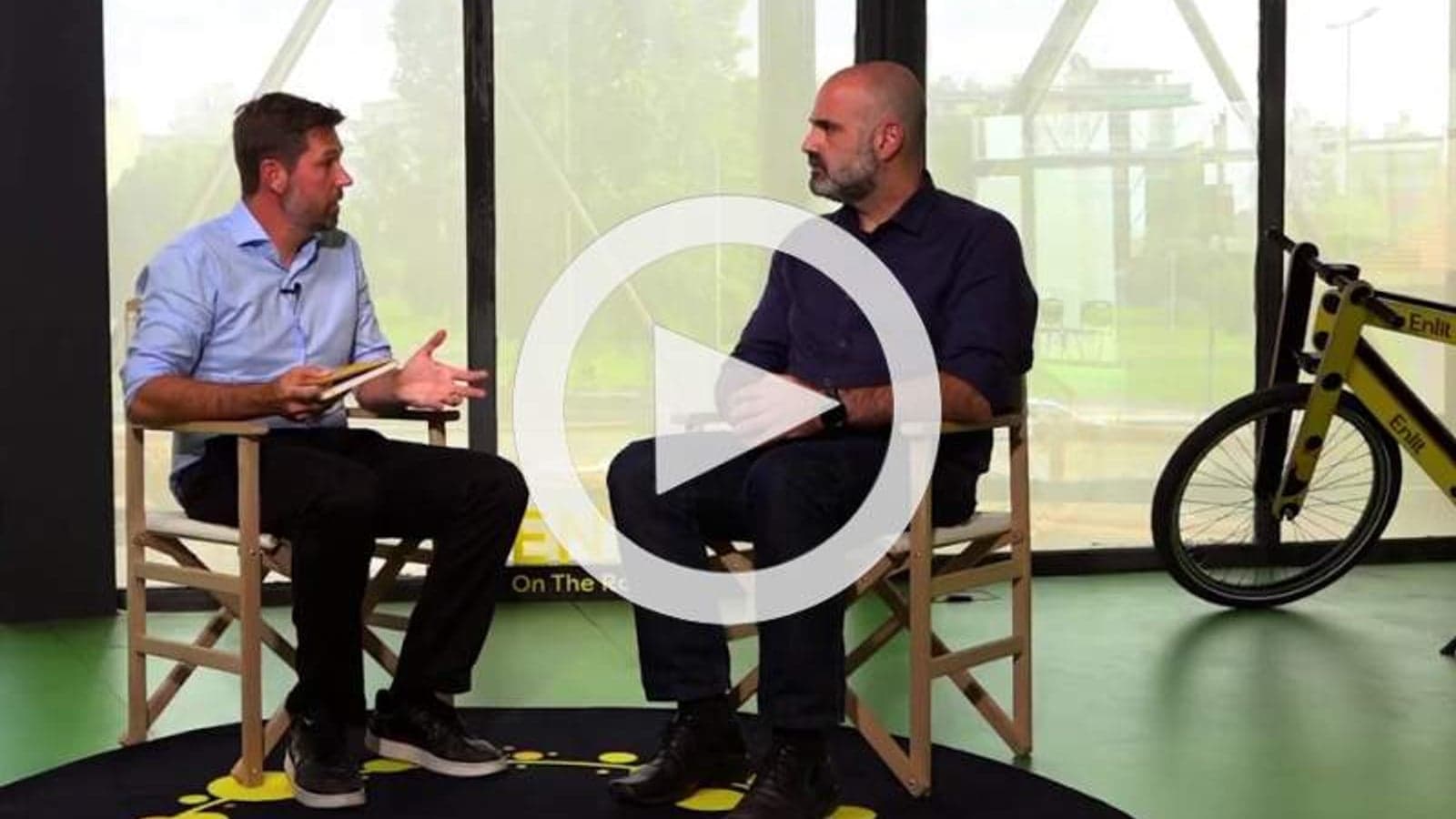
At the inaugural European Industrial Energy Days event, which focused among other aspects on the future of industrial flexibility and energy transition, I had the opportunity to attend a dedicated session on two groundbreaking projects, Galileo and ReInvent.

At the inaugural European Industrial Energy Days event, which focused among other aspects on the future of industrial flexibility and energy transition, I had the opportunity to attend a dedicated session on two groundbreaking projects, Galileo and ReInvent.
The session, titled 'Project Galileo - Unlocking flexibility for a stronger industry', explored how industrial flexibility can support competitiveness, decarbonisation and electrification in Belgium and beyond.
Galileo: Maximising industrial flexibility
The Galileo project aims to drive decarbonisation, electrification and flexibility provision from industries towards the energy grid. By leveraging academic models and insights from five industrial cases across energy-intensive industries, the project identifies the key potential and barriers to unlocking industrial flexibility. Galileo's approach includes:
- Exploring flexibility potential in industrial processes.
- Addressing technical, operational, economic and regulatory hurdles.
- Merging academic expertise with practical industrial applications to create viable solutions.
Helena Gerard, project lead for Galileo, emphasised the importance of industry-wide collaboration, stating:
"With the GALILEO partners, we bring together energy-intensive industry, solution providers and research to address the complex, often very interlinked blocking factors that hinder industry from multiple sectors to further electrify and offer more flexibility in the market to support the grid."
ReInvent: A new market design for sector integration
While Galileo focuses on industry-specific flexibility, the ReInvent project takes a broader perspective, analysing necessary changes in market design, business models and regulatory frameworks to enhance sector coupling. ReInvent is built on four key pillars:
- Conceptual analysis.
- Sound modelling.
- Proof-of-concept testing with real-world case studies.
- Ambitious impact assessment and replication strategies.
ReInvent places large-scale renewable electricity integration at its core, emphasising three critical aspects of sector coupling:
- Electrification and demand-side flexibility (DSF).
- Power-to-X solutions (e.g. converting electricity into gas, liquids or heat).
- Community energy initiatives to enhance local energy systems.
Challenges and barriers to industrial flexibility
Both projects highlight major challenges the industrial sector faces in embracing flexibility and sector coupling:
- Grid connection capacity limitations.
- High initial investment costs and uncertainty in revenue streams.
- Complex regulatory frameworks and permitting processes.
- Siloed approaches within industries, hindering cross-sector collaboration.
- Shortages in professional skills and resistance to change.
The role of digital twins in enhancing observability
A key technological enabler for industrial flexibility is the digital twin, a virtual model that combines real-time measured parameters with predictive modelling.
Digital twins can integrate various energy vectors, such as natural gas, biogas, electricity, hot water, steam and other molecules, to optimise industrial processes. Implementing real-time steering of industrial assets through digital twins faces challenges, including:
- Operational limitations and automation constraints.
- Ensuring compatibility with steerable components.
- Addressing uncertainties in system response and optimisation.
Towards a more integrated energy system
A major takeaway from the session was the need for sector coupling, the integration of electricity, heat and gas markets into a truly interconnected system. This requires a fundamental revision of market design, financing models and regulatory structures to ensure flexibility is embedded in long-term instruments and future-proof market mechanisms.
Gerard underscored the necessity of a collaborative and cross-sectoral approach, stating:
"European industry stands at the threshold of a fundamental shift, but to unlock its full potential, we must ensure the right economic and regulatory conditions are in place. To do so, collaboration is key between all stakeholders in the value chain, including engineers, academics and policymakers.
"Moreover, we should aim for a true European approach, crossing sectors and country borders to foster innovation and realise this societal transformation."
Related tags
Latest content
+6
RECreation: A digital platform to manage energy communities with support for flexibility markets
In the context of the BeFlexible project, the RECreation renewable energy communities management digital platform has been enhanced to participate in local flexibility markets.
- Guest/partner contributor
- 18/09/2025