Honeywell and NXP leverage AI to control building energy consumption
Smart Energy International
Posted on: 15 January 2024
Honeywell and NXP Semiconductors have partnered to optimise the way commercial buildings sense and control energy consumption.
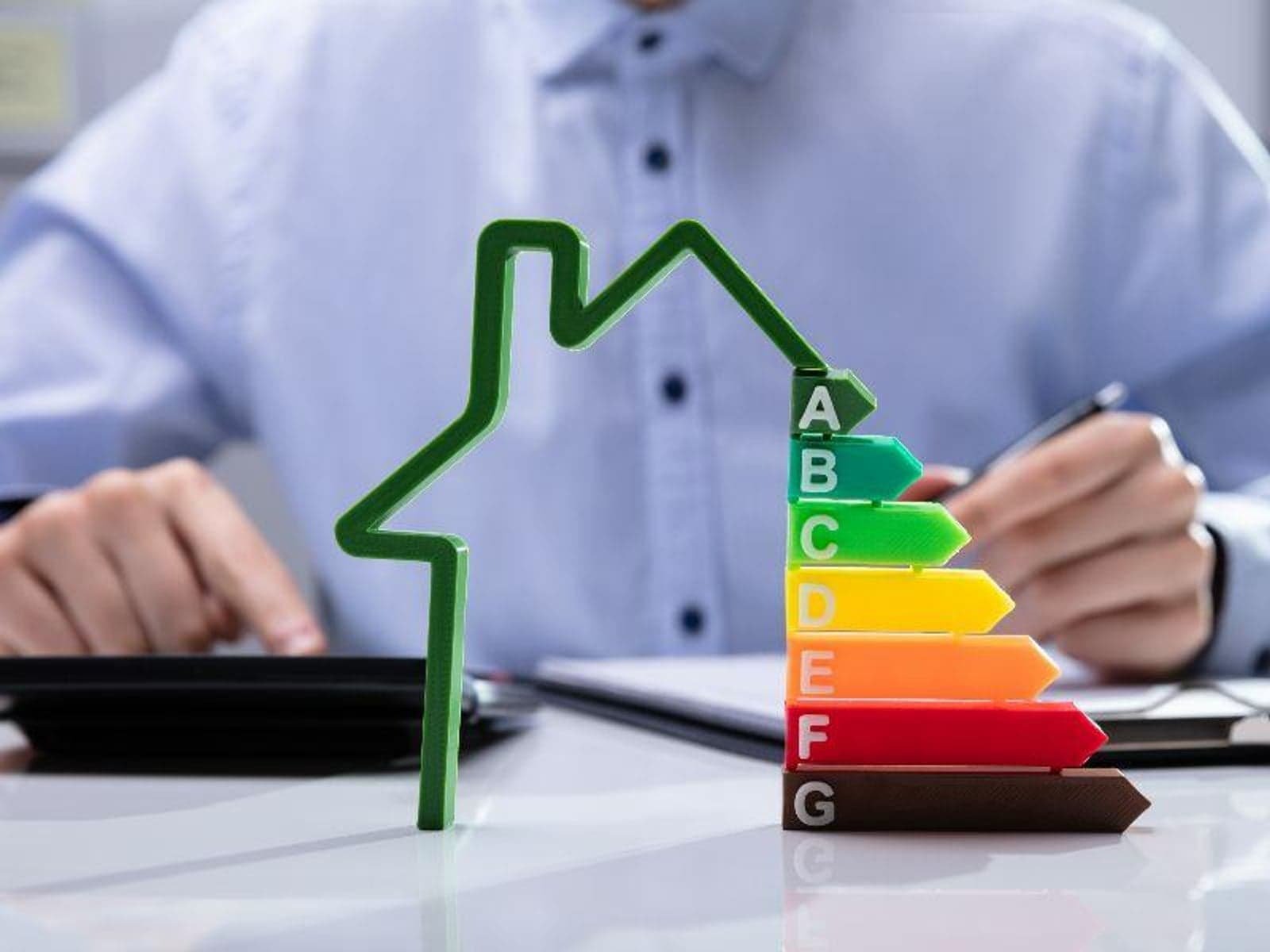
Smart technology providers Honeywell and NXP Semiconductors have partnered to optimise how commercial buildings sense and control energy consumption.
NXP Semiconductors' neural network-enabled, industrial-grade applications processors will be integrated into Honeywell's building management systems (BMS) to make buildings operate more intelligently.
The MOU will initially focus on the Honeywell Optimizer Suite control and automation platform.
Furthermore, the partners aim to deliver smart energy solutions powered by AI/machine learning and data analytics to enhance building autonomy and energy efficiency, while guiding service technicians.
Have you read?
How 10 key energy efficiency actions could save industry $437bn – report
Meter data analysis platform released for consumption management
"Buildings are increasingly relying on data and the ability to control operations via automation to make them more sustainable while operating more efficiently," said Suresh Venkatarayalu, Honeywell's chief technology officer. "NXP's latest machine learning solutions will help us deliver excellence in building automation for our customers."
Honeywell will build on NXP's scalable semiconductor and software solutions, such as the i.MX 8M applications processors and i.MX RT crossover microcontrollers, to help securely observe, learn and adapt in real time, enhancing analytics and decision-making in the same on-site BMS equipment that manages critical building systems.
Augmented by cloud-based big data analytics through the Honeywell Forge analytics solutions, buildings can increasingly leverage better foresight and insight for energy usage optimization to enable improved sustainability outcomes.
According to the International Energy Agency (IEA), buildings' operations contribute 30% of global final energy consumption and 26% of global energy-related emissions, making it all the more important to enhance buildings' autonomy and energy efficiency.