How artificial intelligence can enable a secure and decarbonised grid
Enlit Editorial Team
Posted on: 7 November 2023
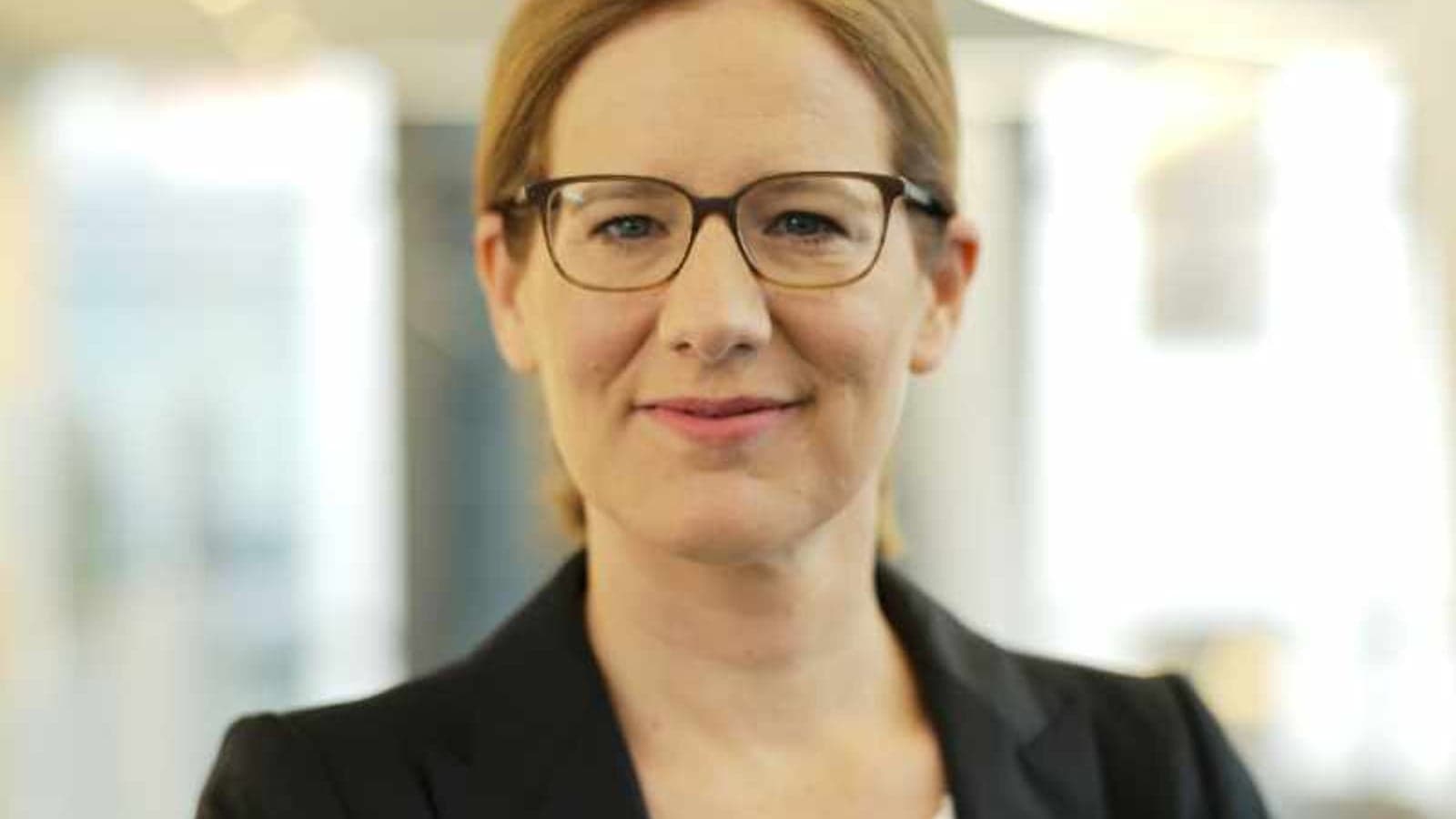
Hanna Grene, Global GTM and Operations from Microsoft describes digitisation as the driver of a sustainable, reliable and decarbonised grid.
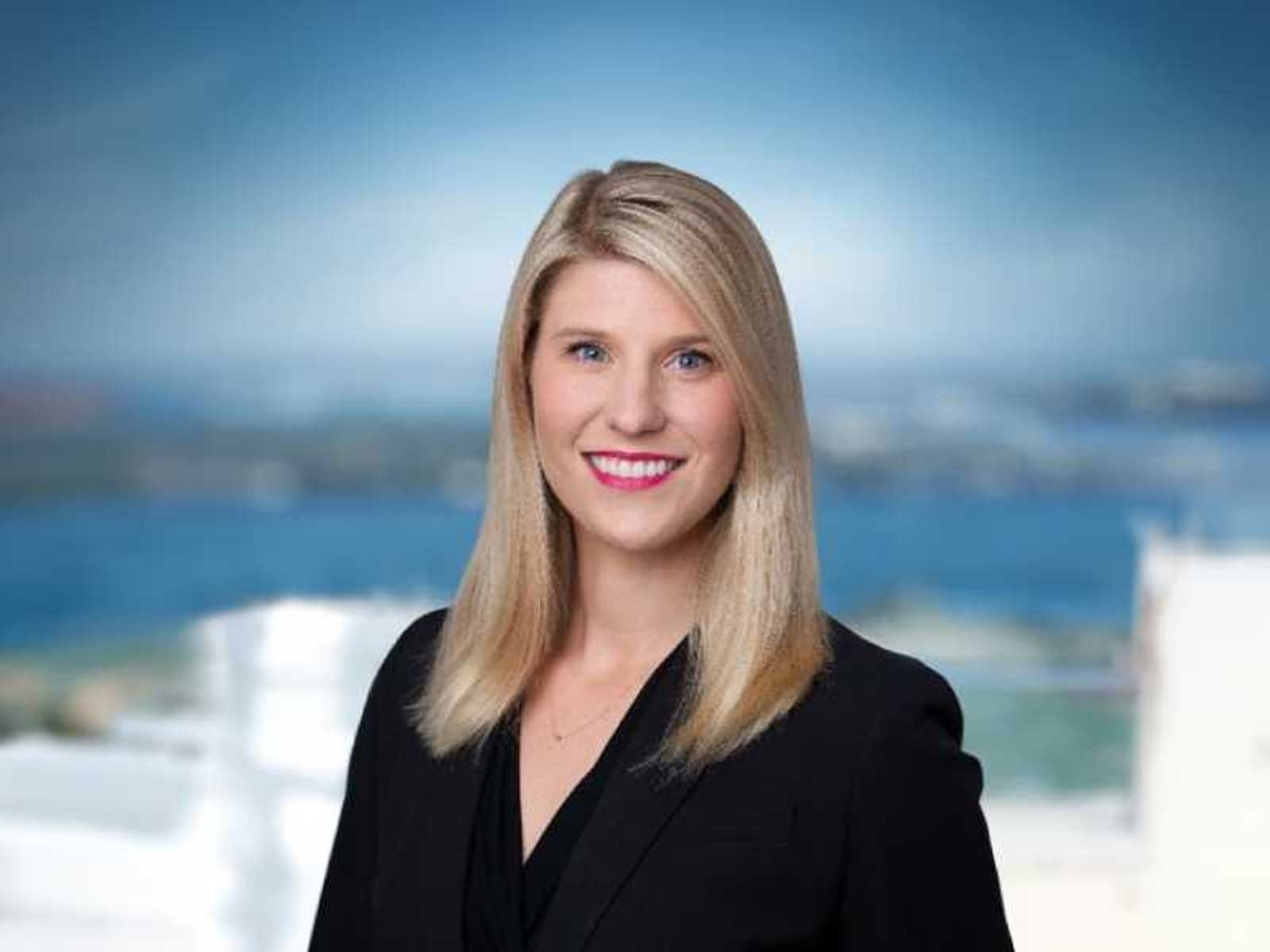
In an Enlit exclusive, Hanna Grene, Global GTM and Operations, Energy & Resources, at Microsoft, says the energy sector is on the cusp of unlocking unprecedented benefits from artificial intelligence.
While there is a critical need for shortened timelines for new build generation projects, coupled with scaling and commercialisation to support increasing demand, forming strategic partnerships is essential to achieving a secure and modern grid system.
What are the top three challenges to delivering the energy transition?
One of the top challenges for the industry is meeting growing energy demand and increasing load growth to support electrification, especially around transportation and EVs. This will require significant investments in renewable energy sources, energy efficiency, and modern grid infrastructure to ensure reliable and affordable power supply while reducing greenhouse gas emissions.
The reality is long waiting periods of up to 15 years in some countries to plug projects into the grid. This means grid connections have become the main determinant of timelines for the development of many renewable generation projects.
Scaling and commercialisation are also critical to meet this increasing demand and bring down the cost of carbon-free energy technologies. We’ve spent the last 10 years understanding the challenges and need to move from pilot to project mode for scale, acceleration, and repeatability. This needs to be done affordably, securely, and sustainably. Core technologies for carbon-free energy are available and we’re already developing the next generation of capabilities such as hydrogen and advanced nuclear.
The third challenge is security. As we digitise and get to scale we need to stay focused on designing the grid and all interconnected systems with zero trust principles. Cyberattacks are increasing in all industries, especially utilities. Critical infrastructure including gas, water, and power utilities are favoured targets for malicious cyber activity.
We can't control the grid in real-time to successfully integrate renewables and EVs without high-performance computing. We can't deliver the threat visibility and detection we need in today's operations without the cloud. We can't orchestrate an intelligent grid without data, visibility, and control which we don’t have today. Microsoft is deeply invested in working with power and utility companies as a technology partner to help the industry accelerate a secure, decarbonised grid.
What single action will accelerate the deployment of clean energy?
Digitisation. In the face of these challenges, we have opportunities to use this moment as a catalyst – to unleash creativity and innovation in our teams, forge new partnerships to tackle the greatest engineering challenge of our age in re-tooling the grid and ensure we deliver a sustainable future for generations to come.
Digital transformation and generative AI are tools that can accelerate the energy transition and deployment of carbon-free energy. The energy industry must be data-driven to tackle the energy trilemma of affordability, security, and sustainability on the timelines needed to meet carbon targets.
Over the last few years, Microsoft accelerated its work as a technology partner to utilities and power companies to help the industry accelerate. Now, with the capabilities of generative AI, we are seeing new and exciting ways to supercharge that mission. Azure OpenAI and Microsoft Copilots help unlock some of our stickiest problems; workforce enablement, constrained budgets, and time-intensive processes.
Microsoft teams are working with customers and partners on AI applications for predictive analytics and maintenance, modelling and simulation, customer service, supply chain, demand forecasting, asset operations, health and safety, and grid analytics.
What most excites you about the European energy transition?
Europe continues to be a leader in technology innovation, progressive policies, and collaborative partnerships. To keep up with growing demand and to continue driving the energy transition forward, I see AI as a way to enable a highly decarbonised grid. We need to get serious about running a digital grid at scale and leveraging the capabilities that AI brings for advanced modelling, forecasting, and optimisation and what it can deliver to our workforce in unleashing innovation and creativity.
AI is changing the way every industry does work. I'm an optimist so I think this is a really exciting moment for the power and utilities industry to realise the gains that AI brings to how we work and operate.
Beyond AI, I am hopeful that this is a wake-up call to accelerate our journey as an industry to become technology-powered companies, and to take advantage of the excitement of this moment to make progress, fuel innovation, and tackle the big problems.
How are your industry experts going to address these challenges at Enlit Europe in Paris?
The Microsoft Energy and Resources team is excited to be participating in Enlit Europe 2023, to share leading innovations and perspectives on cybersecurity and critical infrastructure, AI and machine learning, and data cloud services.
We’re excited to share the stage with Schneider Electric, one of our key partners in the energy transition journey. In July we announced our partnership with PG&E and Schneider Electric to deploy DERMS fully in the cloud.
Deployment is underway, and this system is designed to enable PG&E to integrate and optimise DER across their large territory to support customer resilience during outage events, ensure system readiness for EV charging and accelerate DER interconnect, offer system-wide DER visibility, and support managed charging for transportation electrification. DERMs in the cloud is the tech innovation, but the way that we approached this partnership across the three companies was a breakthrough.
Do you have the right technology, cloud, and AI partners? Are you approaching new problems with old solutions or methods? That’s not secure, scalable, or affordable. We need to work together to meet these challenges and truly accelerate the energy transition. And the time is now.
Join Hanna and the Microsoft team in Paris from 28-30 November 2023. Hanna will be speaking on a panel on 28 November at the Summit covering Cybersecurity and Critical Infrastructure.
Related tags
Latest content
Partner content
+3
Power the new energy future with AI to secure a more resilient grid
Energy and security have always worked hand in hand – ensuring access to reliable, sustainable power while safeguarding critical infrastructure against a landscape of growing threats.
- Guest/partner contributor
- 17/12/2025