How climate change will shape the energy sector to 2050
Jonathan Spencer Jones
Posted on: 9 February 2026
A new dataset has been published summarising the climate risks affecting Europe’s electricity grids and associated infrastructure.
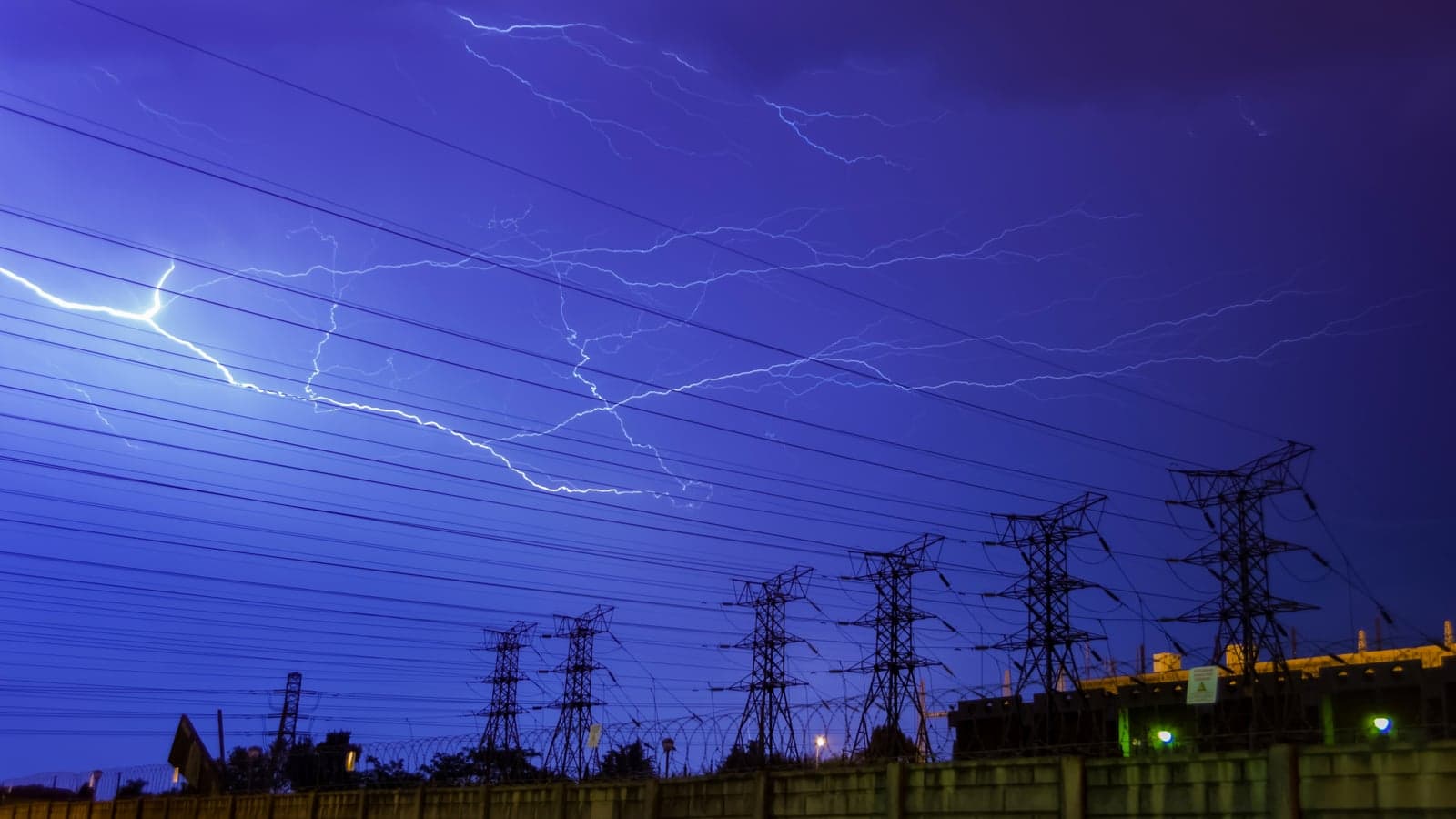
The dataset, compiled by the Renewables Grid Initiative from multiple sources, outlines the likely impacts of hazards such as floods, extreme temperatures and heatwaves, wildfires, sea level rise, storms and glacier collapse on substations, pylons, cables and monitoring systems, along with their average duration and the regions most impacted.
These events are resulting from a changing climate and are becoming both more extreme and more frequent and potentially destructive. As such, and as these events can have significant financial impacts on both the population in general and on energy companies in particular, there is an increasing need to address them in planning for preventive, mitigatory, or restorative measures.
Under the revised Ten-E (Trans-European Networks for Energy) regulation, the European process for planning electricity infrastructure is required to adequately consider climate adaptation aspects.
To this end, a new framework is under development in a collaboration between the Renewables Grid Initiative and ENTSO-E, which will guide a new indicator to be incorporated alongside the other indicators in ENTSO-E’s cost-benefit analysis methodology.
This CBA, in turn, forms a core element of the ten-year network development planning process and insights for the selection of the projects of common and mutual interest.
This new indicator, which is based on benefits from grid projects with and without adaptation measures, is due to be implemented in the 5th edition of the CBA guideline and the next TYNDP update due this year.
Looking ahead to 2050 some of the details of the dataset, are a widespread 10% increase in heavy rainfall, 50% chance of hotter summers each year with a 10% chance of these being drier, particular in southern Europe, decreased chances of changes in snow and ice patterns and a 10-30cm increase of average sea level that would impact the coastal regions.
Also of interest
Resilience must underpin redesign of Europe’s energy system
At the last workshop on the development of the framework in November 2025, some of the key points that emerged were the need to increase and improve collaborations on quantitative and qualitative assessments of climate-adaptation measures for electricity infrastructure and to better incorporate system-wide approaches and nature-based-solutions in these processes.
It was also highlighted to enhance the knowledge base of existing and planned cost-effective practices of utilities.
This, of course, brings an additional layer of complexity for utilities to incorporate climate modellers into the skills mix for system planning.
ENTSO-E’s grid planning hub, recently launched to improve understanding and engagement on grid development, provides a comprehensive overview of how European climate ambitions influence the processes and tools used in the planning.
A forthcoming report from the European Scientific Advisory Board on Climate Change – the body charged with providing independent advice to the EU – on recommendations for a framework to strengthen resilience to climate change is also expected to provide further inputs to meeting the climate challenge.