How digitalisation and AI can advance nuclear
Jonathan Spencer Jones
Posted on: 13 August 2025
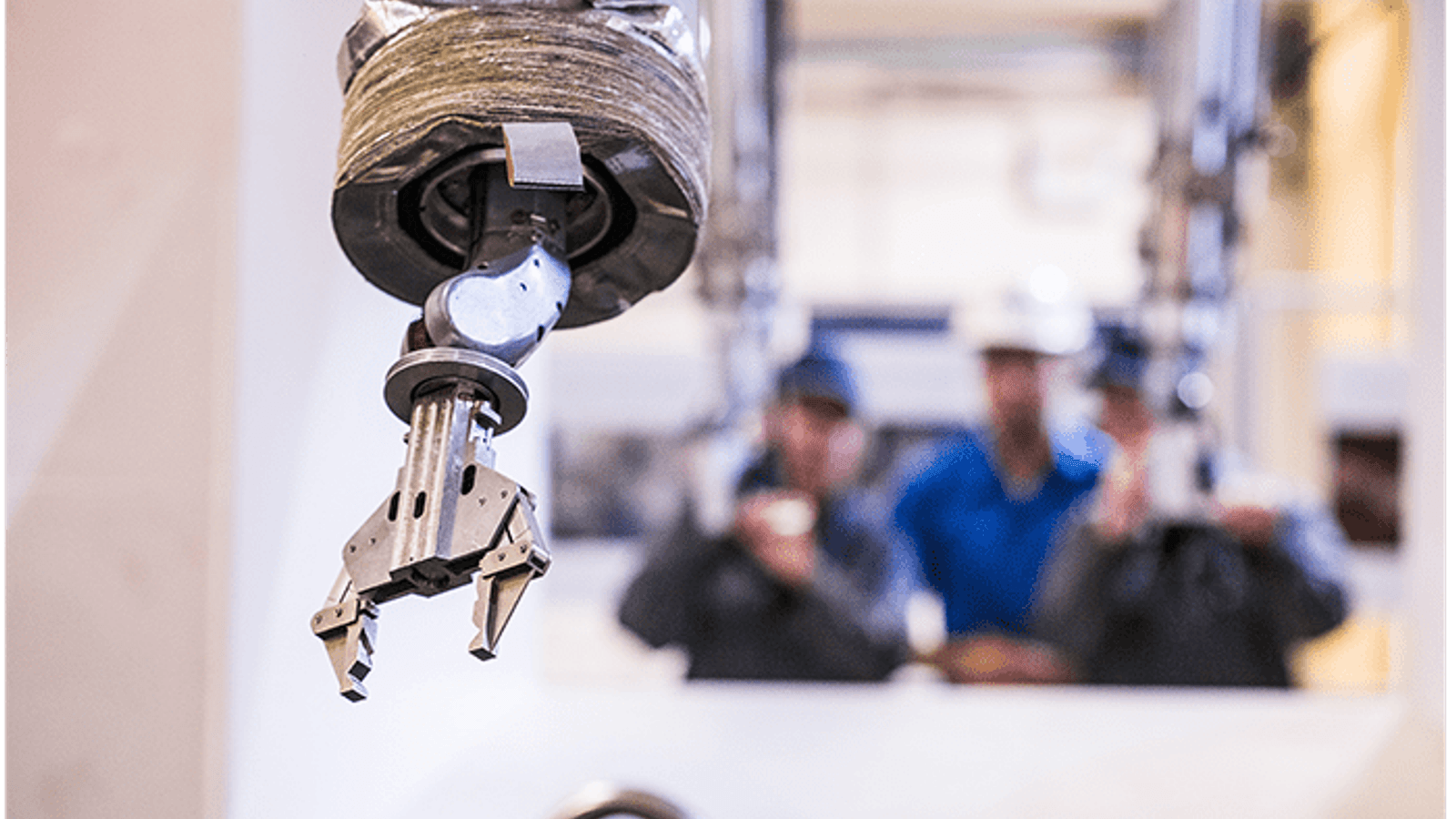
Numerous EU funded activities are advancing AI, robotics and digital twin technologies in various nuclear applications, a new SNETP study has found.
Numerous EU funded activities are advancing AI, robotics and digital twin technologies in various nuclear applications, a new SNETP study has found.
The study from SNETP (Sustainable Nuclear Energy Technology Platform) found that the focus of current programmes – particularly those under Euratom – is on applications in safety, decommissioning, training and knowledge management.
It also found synergies with non-nuclear digitalisation projects and funding streams. Noteworthy also is the substantial research and collaboration effort being pursued by international organisations in Europe on the topic of digitalisation, such as by the OECD Nuclear Energy Agency (OECD-NEA) and the International Atomic Energy Agency (IAEA).
The study was undertaken as part of the SNEPTFORWARD project, with the aim to identify the digital opportunities within the sector and the various applications in use by industry stakeholders.
Also of interest
EU Energy Projects Podcast: Digital Transformation of Europe’s Energy Sector with Max Lemke
SNEPTFORWARD’s approach is to advance the EU’s nuclear sector's innovation and sustainability goals and ensure that nuclear fission remains a major supplier of low carbon electricity.
Digitalisation is obviously a key enabler, as it is across the broader energy sector.
A survey of stakeholders found strong interest in expanding digital applications, particularly in digital twins, wireless communications and various applications of AI, including operations, maintenance and robotics.
Key drivers identified for the new Generation III nuclear plants, small modular reactors (SMRs) and advanced reactors are streamlining design and construction through integrated digital models, reducing costs and risks via automation and simulation and attracting new talent with modern, tech-driven work environments.
For the existing nuclear fleet, the drivers are enhancing knowledge management and addressing workforce turnover, reducing operations and maintenance costs through digital tools and supporting safety and regulatory compliance with modern instrumentation and control systems.
The report points out that the nuclear industry's ability to adapt, innovate and reinvent itself will be central in meeting the challenges of supporting emerging technologies and addressing global decarbonisation goals.
In an increasingly complex techno-economic landscape, digital innovation is a necessity for the nuclear sector's continued relevance and effectiveness, both for the modernisation and long term operation of the existing fleet and the deployment of novel nuclear designs, which require strategies to attract new talent, facilitate knowledge transfer and speed up education and training.
Latest content
+1
From nuclear innovation to cross-sector impact: How SNETP and its project portfolio drive the energy transition
Under the umbrella of the Sustainable Nuclear Energy Platform (SNETP), several Euratom-funded projects are now leveraging nuclear research to drive innovation across multiple sectors, improve safety and strengthen industrial competitiveness.
- Guest/partner contributor
- 10/10/2025