OFFERR project: Facilitating access to nuclear research infrastructures
Guest/partner contributor
Posted on: 14 March 2025
The Horizon Europe/Euratom funded OFFERR project aims to support the SNETP Association by setting up a system for R&D experts to access key nuclear research infrastructures across Europe.

The Horizon Europe/Euratom funded OFFERR project aims to support the SNETP Association by setting up a system for R&D experts to access key nuclear research infrastructures across Europe.
Its primary function is to serve as a conduit for financial support from the Euratom programme, enabling user institutions to access services through OFFERR calls.
By doing so, OFFERR seeks to bridge the gap between innovative research ideas and the advanced facilities required to bring these ideas to fruition.
The challenge
Access to advanced nuclear research infrastructures is often limited by financial constraints and logistical barriers.
Many promising research projects struggle to secure the necessary resources and facilities to conduct their experiments, hindering progress in nuclear research and innovation. This challenge is particularly acute in the field of nuclear energy, where the costs and complexities of research can be prohibitive.
Nuclear research is essential for developing safer, more efficient and more sustainable energy solutions.
However, the high costs associated with accessing state-of-the-art research facilities often mean that only a limited number of projects can proceed. This bottleneck slows down the pace of innovation and delays the implementation of new technologies that could significantly contribute to the energy transition.
The solution
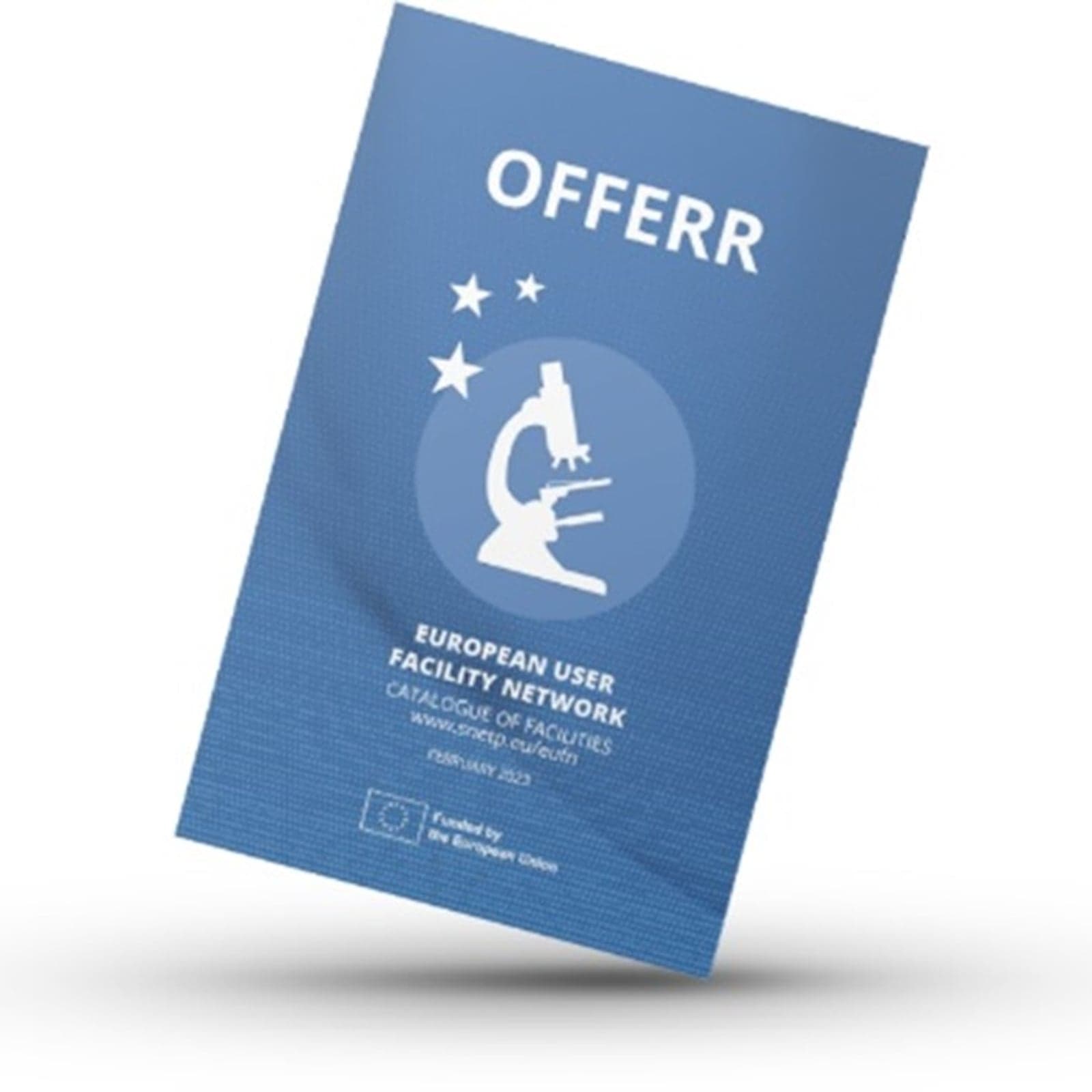
OFFERR addresses this challenge by providing a structured platform for financial support and access to a network of over 230 experimental infrastructures. Through the OFFERR Call Platform, research teams can submit their applications, selecting the appropriate cut-off date and project type (fast or complex).
The project ensures that eligible projects receive the necessary funding and access to facilities, fostering collaboration between research institutions and successful applicants.
The process begins with ensuring that the project meets the eligibility criteria. Once verified, researchers can explore the OFFERR catalogue to identify the facility that best aligns with their project’s requirements.
The OFFERR Call Platform then allows them to submit their application, choosing the appropriate cut-off date and project type.
This streamlined process makes it easier for researchers to navigate the complexities of securing funding and access to facilities.
OFFERR is funded under the Horizon Europe/Euratom call, and as such it adheres to EU rules and regulations.
Participating countries must comply with these rules and be included in the list of participating countries in Horizon Europe.
Countries that are not listed as members of Horizon Europe or third countries associated with Horizon Europe can still participate in OFFERR’s calls but will not be eligible to receive funds. These projects must explain in their proposals how the research team or facility will be supported by national funds.
The impact
Since its inception, the OFFERR project has significantly contributed to advancing nuclear research in Europe.
With a budget of €7.2 million ($7.8 million), it has financed 31 applications across its first three cut-off dates, with more currently under evaluation. By facilitating access to state-of-the-art research infrastructures, OFFERR is driving innovation and supporting the energy transition.
One of the key impacts of the OFFERR project is its ability to foster collaboration between research institutions and successful applicants. This collaboration has led to several breakthroughs in nuclear safety and efficiency.
For example, one project funded through OFFERR focused on developing advanced materials for nuclear reactors, resulting in materials that can withstand higher temperatures and radiation levels, thereby improving reactor safety and efficiency.
Another example is a project that aimed to enhance the understanding of nuclear waste management. By accessing specialised facilities through OFFERR, the research team was able to conduct experiments that provided new insights into the long-term behaviour of nuclear waste, contributing to the development of safer and more effective waste management strategies.
The OFFERR project also plays a crucial role in supporting the energy transition by enabling research that can lead to cleaner and more sustainable energy solutions.
Nuclear energy, with its low carbon emissions, is a key component of the energy transition. By supporting research that improves the safety, efficiency, and sustainability of nuclear energy, OFFERR is helping to pave the way for a more sustainable energy future.
Looking ahead
The future of the OFFERR project looks promising, with plans to continue supporting innovative nuclear research across Europe.
In 2025, two more cut-off dates are planned, providing additional opportunities for researchers to secure funding and access to facilities.
The project aims to expand its network of experimental infrastructures, further enhancing its ability to support cutting-edge research.
As the OFFERR project continues to grow, it will play an increasingly important role in advancing nuclear research and supporting the energy transition. By providing the necessary resources and facilities for innovative research, OFFERR is helping to drive progress in the field of nuclear energy and contribute to a more sustainable future.
In conclusion, the OFFERR project is a vital initiative that addresses the challenges faced by nuclear researchers in accessing advanced facilities.
By providing financial support and facilitating access to a network of experimental infrastructures, OFFERR is driving innovation and supporting the energy transition. With its continued growth and success, the project is poised to make a lasting impact on the field of nuclear research and the broader energy landscape.
For more information, follow the OFFERR project.
About the author
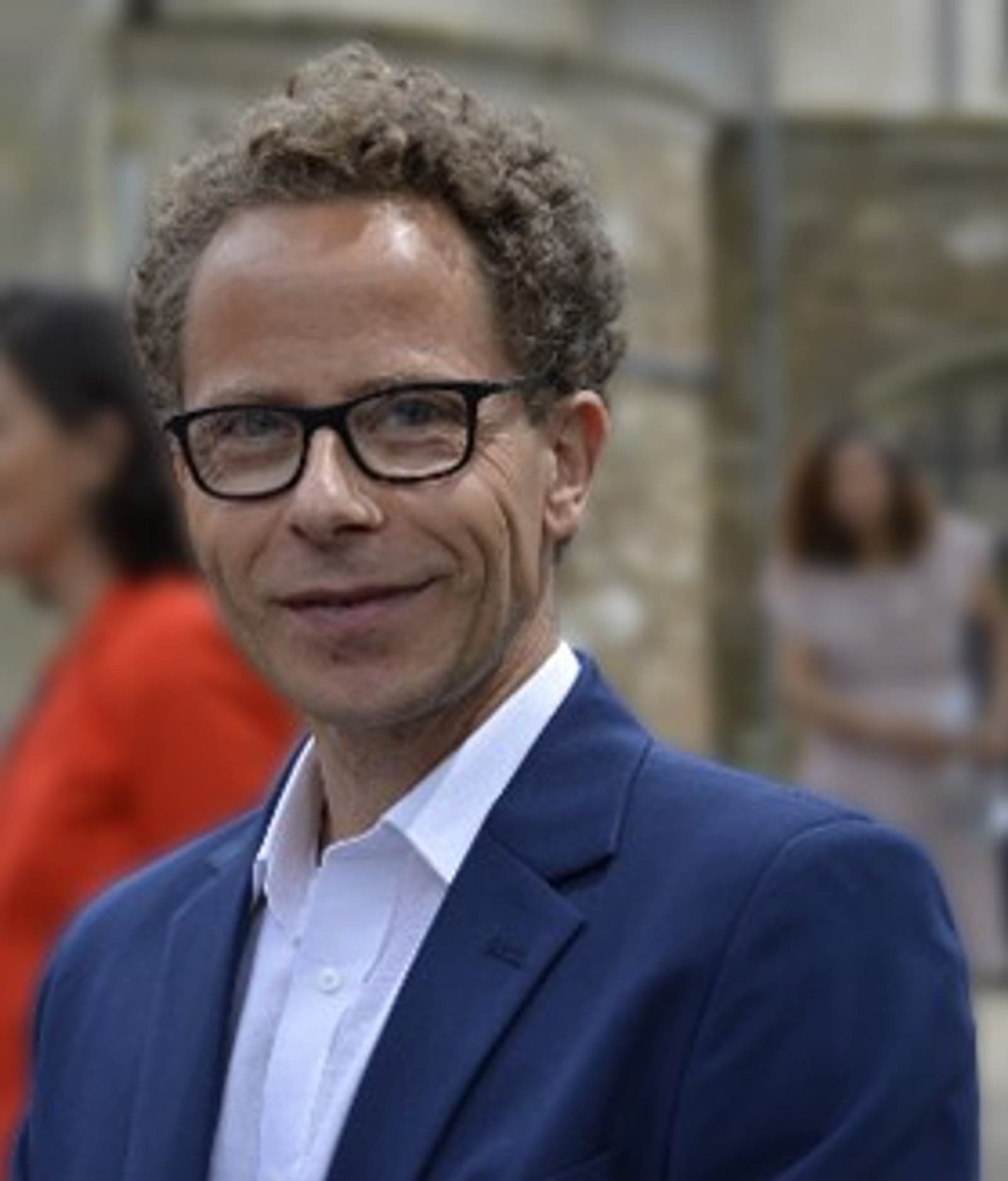
Charles Toulemonde is a graduate of the CentraleSupelec engineering school and has a PhD in structural dynamics. He has been a research engineer at EDF R&D since 1997 where he was hired after his thesis. He has worked in several fields including nuclear fuel mechanics and digital modeling of ageing of nuclear civil engineering structures. He is now the coordinator of the OFFERR Euratom European project.