How electrolysers could boost Germany’s hydrogen plans and ease grid pressure
Jonathan Spencer Jones
Posted on: 28 June 2024
Hydrogen electrolysers could relieve pressure on Germany’s electricity grid and support its hydrogen ramp-up| a new study for E.ON finds.
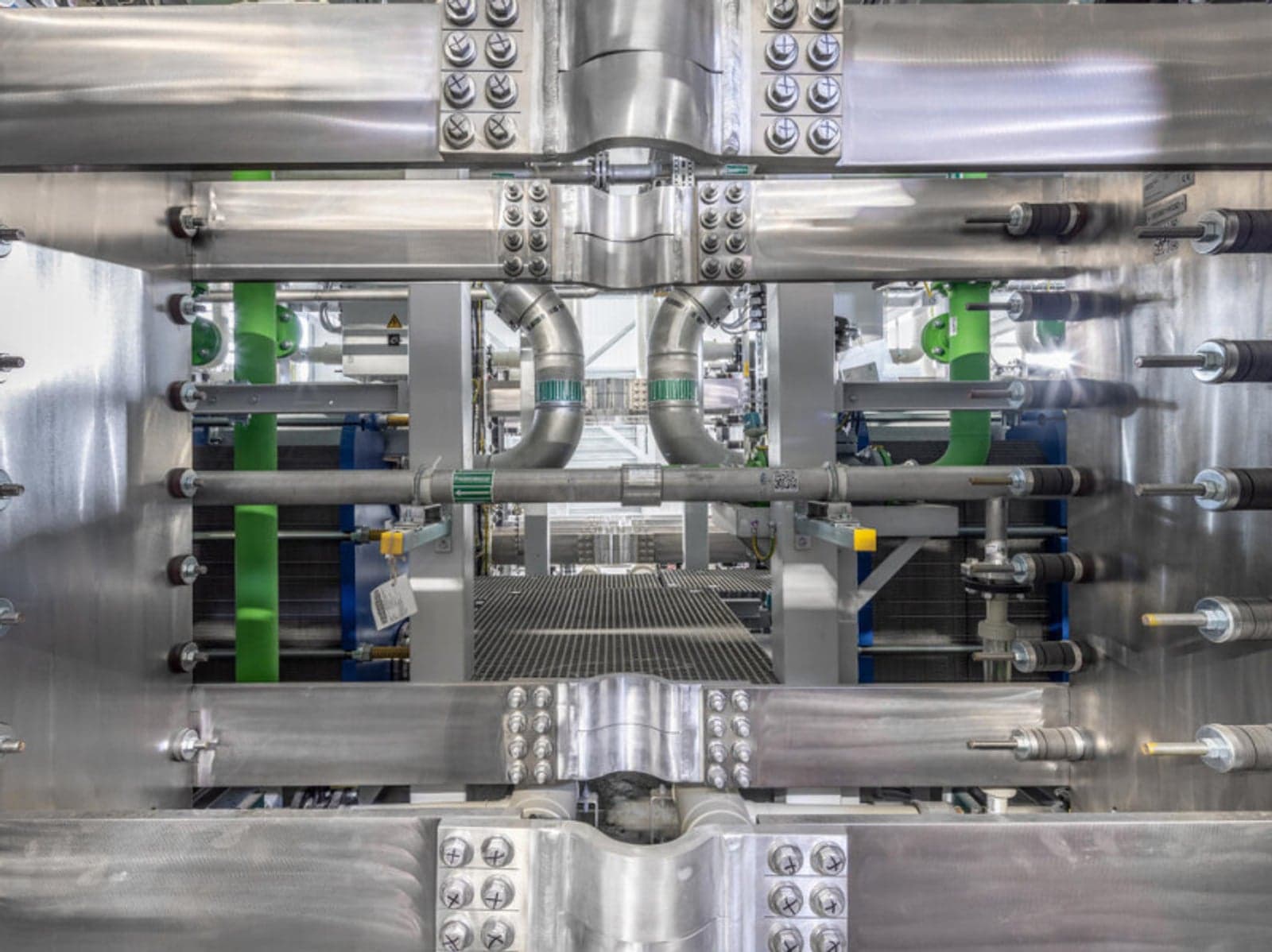
Hydrogen electrolysers could relieve pressure on Germany’s electricity grid and support its hydrogen ramp-up, a new study for E.ON finds.
The study, carried out by the Institute of Energy Economics at the University of Cologne for E.ON and the municipality consultancy Thüga Group, finds that with system-friendly placement of the electrolysers in different regions of the country, benefits can be delivered for the entire energy system.
The study considers three classes of electrolysers: smaller than 10MW, 10 to 50MW and larger than 50MW.
According to the report, Standortbewertung für systemdienliche Elektrolyseure, electrolysers with a capacity less than 10MW can have a system-supporting effect by 2030, particularly in regions that have both a high demand for hydrogen and a high regional potential for renewable energies.
Have you read?
Belgium, Netherlands and Germany join forces to drive hydrogen economy
Hydrogen: a new class of renewable energy
These include the Dithmarschen region in Schleswig-Holstein in northern Germany and the central German chemical triangle.
More powerful electrolysers could preferably be built in regions in northern Germany as well as in the Ruhr and Rhineland area so that they are well connected to the future hydrogen infrastructure.
2040 scenarios
Approaching 2040 and with the further increase in demand for hydrogen and the expansion of hydrogen networks, more regions should be well or very well suited for the system-supporting use of electrolysers.
Then the best locations for electrolysers of less than 10MW are in northern Germany, the central German chemical triangle and the Rhineland as well as in southern Germany.
The greater the capacity of the electrolyser, the more precisely system-compatible sites need to be selected as the greater the requirements for connection and placement, the report points out.
Thus, when creating incentives for the system-friendly use of electrolysers, no region should be excluded from the outset, it recommends.
Gabriël Clemens, Managing Director of E.ON Hydrogen, says the report shows that electrolysers at many different locations in Germany can make a helpful contribution to the success of the energy transition – and they can be particularly beneficial to the system where many renewable energy plants are connected to the distribution grids, helping to prevent bottlenecks and thus reducing system costs.
“This is because they link the sectors and create flexibility in the entire energy system. The findings of the report will help us to provide our customers with the best possible advice based on scientifically collected data if they want to switch to hydrogen.”
The report comments that while taking location into consideration could benefit the overall system, there has been little evidence so far that planned projects are doing so in Germany.
This could be changed by funding according to a few criteria that take into account the overall system and the needs of the various sectors.
Factors that went into the study included the regional potential of renewable energies, the frequency of regional redispatch measures, the extra high voltage grid in the region, the hydrogen transportation grid, the regional planned hydrogen distribution grid, potential hydrogen storage facilities, hydrogen demand, power plant locations and land availability.