How innovation is driving the energy revolution at EDP
Pamela Largue
Posted on: 11 April 2024
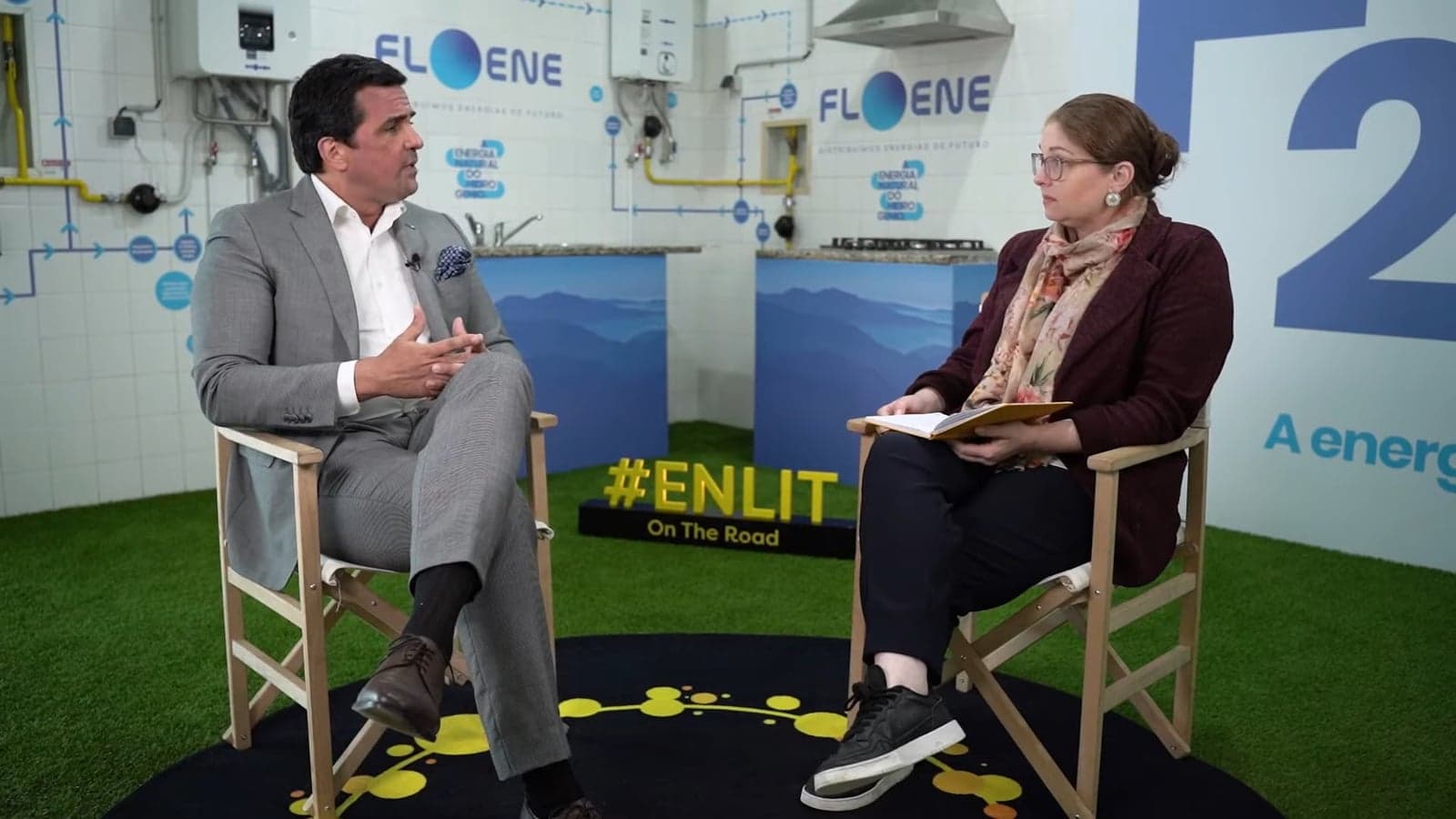
Enlit on the road visited EDP headquarters to find out how the company plans to use innovation to become future-proof and ensure sustainable growth.
"We don't focus on technologies: we focus on solving problems of the energy transition," says António Coutinho, innovation chief executive of EDP.
The Portuguese utility aims to be coal free by 2025, zero emissions by 2030, and carbon neutral by 2040 and Coutinho explains how it is looking to innovation to get it there.
However, when Enlit on the road visited EDP's headquarters in Lisbon, he explained that technology is merely an enabler to solve problems. The bigger issue, he says, is the "speed and scale of the transformation needed".
To address this challenge, EDP is planning to invest 25 billion by 2026, of which 1 billion will be pumped into innovation.
This investment will focus on three areas: firstly, incubating internal projects to solve EDP-specific problems; secondly, through startup flagship programmes, including Free Electrons, where EDP partners with utilities to find the most promising startups and incorporate their solutions into EDP business units, plus with a startup programme that runs three times a year focused on renewables, hydrogen, grids and the customer; and thirdly, EDP's Corporate VC, which currently has 39 startups in its portfolio and which facilitates investment in utilities with solutions that show promise.
Have you read?
Site visit: Injecting hydrogen into Portugal’s gas network
‘I am awed by energy transition innovation’ says GE Vernova’s Blanco
Site visit: Europe’s biggest solar-hydro hybrid plant
Challenges to the energy 'revolution'
Coutinho highlights the magnitude of the task at hand, suggesting we talk about an 'energy revolution' rather than an energy transition.
"We are always talking about the energy transition: I don't think that sometimes we really get a real grasp of what we are talking about. It took us 220 years since the Industrial Revolution to be where we are today in terms of our energy infrastructure. Now, the energy transition is basically in 30 years re-doing our energy infrastructure."
The scale of this change presents challenges and is no easy feat, says Coutinho, adding that the only country making good on its renewable energy targets is China.
Where do these challenges lie?
According to Coutinho, the first hurdle is the supply chain and developing the regulatory framework to ensure it functions effectively. "The supply chain won't be developed if the policies, the permitting, the market models and so on are not in place. We are changing the car wheels as we are driving, and that's a challenge."
Secondly, Coutinho points to labour, a growing concern as the working population appears to be shrinking across the Western world. He explains that the energy transition is labour-intensive and skills will be needed to perform the various infrastructure retrofits we need for energy transition.
"Where are we going to find that labour, where are we going to qualify that labour?" asks Coutinho.
Finally, the energy transition is about electrification, people being prepared to change behaviours and being willing to buy electric vehicles or heat pumps. A transactional system that speeds up customer decisions is needed, explains Coutinho, which can be a challenge to put in place.
Also of interest:
Exploring how start ups can accelerate the energy transition
In the spotlight: Start-up landscape in Berlin and beyond
Solving challenges through innovation
Innovation is at the heart of the energy transition and is critical to help solve the roadblocks we encounter, says Coutinho.
The fact is that the utility of the future will look very different to what it does today and according to Coutinho, "they need to find their own way within this new world of energy."
Utilities will need to provide services for customers that have more say in how they want things to work. Futhermore, utilities will need to accommodate assets that will live on the customer's premises.
Innovation is how the utility of the future will deliver this, concludes Coutinho.