How to harvest energy in homes
Jonathan Spencer Jones
Posted on: 31 December 2024
A new project to investigate how to harvest energy from passive interfaces such as doorknobs in homes is under way at the Texas A&M University.
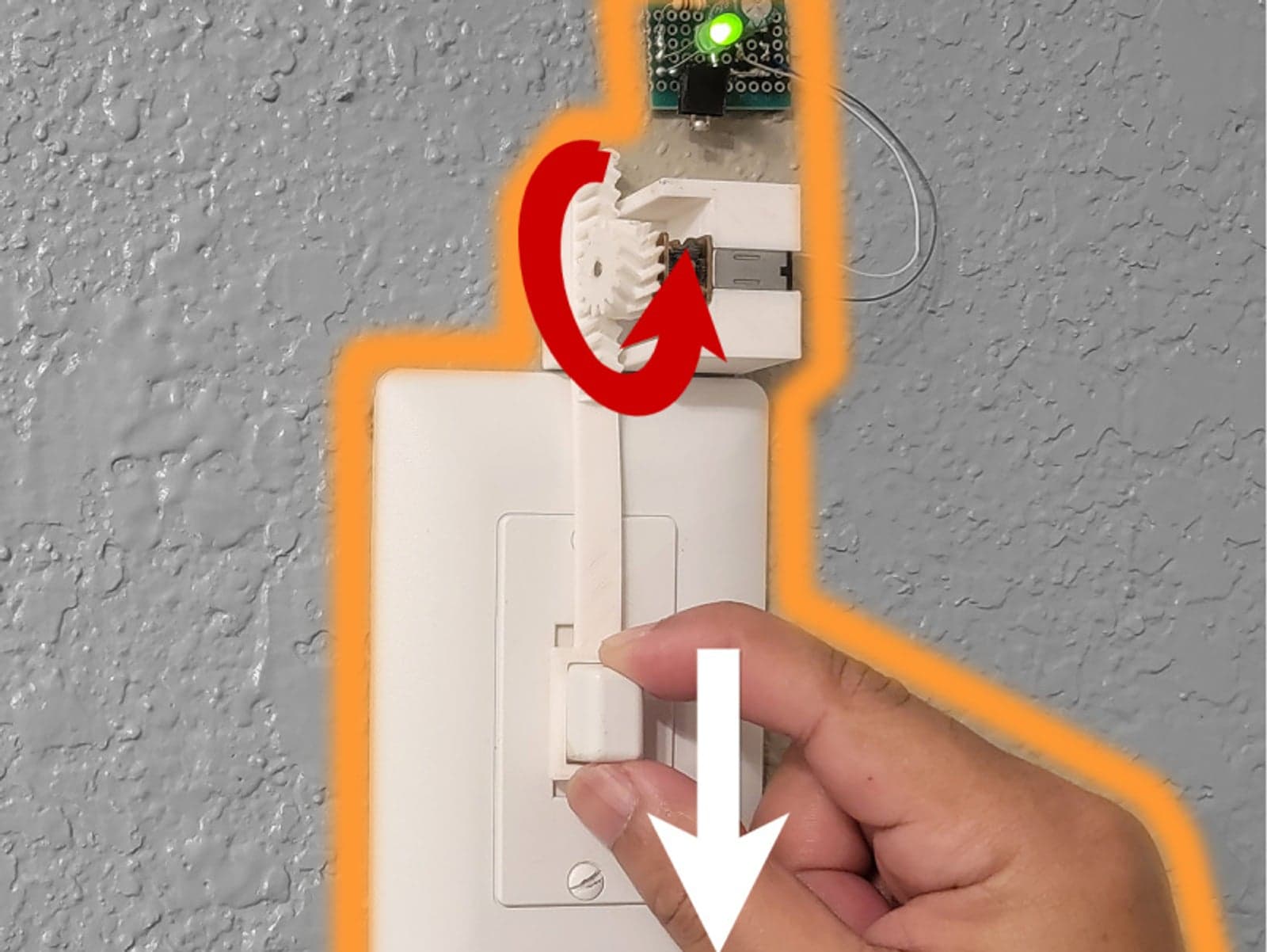
A new project to investigate how to harvest energy from passive interfaces such as doorknobs in homes is under way at the Texas A&M University.
The early career development award to Dr Jeeun Kim, assistant professor in the University’s Department of Computer Science & Engineering, is focussed on turning the various physical interfaces typically found in homes and buildings into smart adaptive interfaces.
Through the integration of smart capabilities such as sensing and energy harvesting, for example a doorknob being turned could turn on the kitchen light.
In this way it is expected that people with disabilities could be assisted, domestic tasks automated and even computers powered.
Have you read?
InterConnect brings interoperable solutions to connect homes and buildings to the grid
How Digital Twin technology can help homes and buildings perform better
“Daily design issues are hard to attend if prior experiences are used as a baseline,” said Kim.
“Even to those with known personal goals, like reducing utility bills, adopting the latest scientific advances in real life demands expertise because tools to support end-users are lacking.”
The project is aimed to increase user awareness about daily computational challenges and redesign opportunities using 3D-printed augmentations.
It also is focussed on fabricating such smart augmentations with minimal barriers across multiple application domains.
For example an augmentation could be adding an attachment to a window slide or a refrigerator’s door hinges that then converts the energy created from sliding the window or opening the fridge door into energy to be used in new ways such as powering an alarm or the fridge’s display.
To support the research, Kim has developed a new framework for creating a large-scale dataset that helps describe human interactions with daily objects and their interaction properties.
She also has developed an end-to-end software system for users to aim their smartphone camera toward their indoor environment to scan for hidden accessibility barriers and overlay detected information on augmented reality views in order to raise awareness of accessibility and design opportunities that are abundant but overlooked.
While the complete replacement of the many legacy interfaces with smart devices is not feasible, augmentations are expected to promise a cost-effective approach to their reconfiguration to make them more energy and cost effective.
Kim adds: “By tackling multifaceted, interdisciplinary approaches across digital fabrication, end-user programming, deep learning, robotics and design, this project lays the foundation for a future where every individual creates daily innovations in assistive computing devices, smart homes and green buildings.”
Related tags
Latest content
+5
Technology Trending: EV charger visualisation, nano inks for energy management, top IoT appliances
An augmented reality tool for home EV charger visualisation, nano inks that could be used to coat buildings and GE Appliances top ranked for IoT market are in this week’s technology radar.
- Jonathan Spencer Jones
- 10/04/2023