Iberia blackout lessons: demand-side solutions from the US
Guest/partner contributor
Posted on: 15 May 2026
The same summer as Spain’s blackout, an early-season heat dome settled over the eastern United States. Hannah Bascom explores the lessons learned.
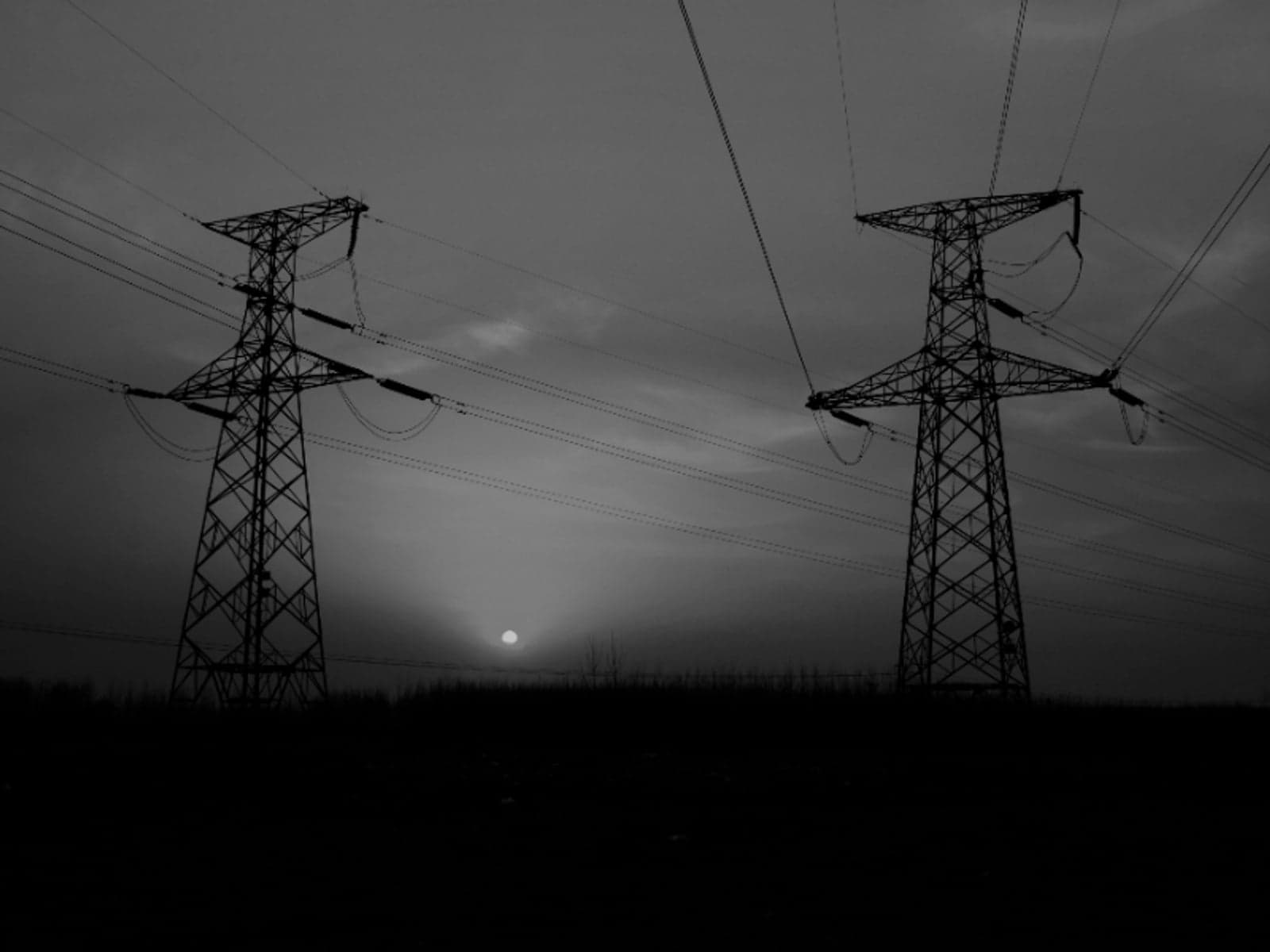
One year ago, the power systems of Spain and Portugal collapsed in under 90 seconds, causing more than 50 million people to lose electricity for up to 16 hours in some regions.
Traffic signals went dark, rail networks stopped, and emergency services strained under the load.
The ENTSO-E expert panel's final report, published in March 2026, called it "the most severe and unprecedented blackout that had occurred in Europe in the past 20 years."
The report concluded that this was not caused by one failure, but rather many interacting weaknesses: gaps in voltage and reactive power control, insufficient grid-forming capability, weak cross-border interconnection, and critically, a grid that lacked the observability and dispatchable flexibility to absorb cascading shocks.
One year on, the industry is still drawing conclusions - among the most critical being that energy is essential to life, energy reliability challenges will persist, and building our way through the challenges is too costly, too slow, and insufficient.
Flexible capacity
The same summer as Spain’s blackout, an early-season heat dome settled over the eastern United States.
It sent temperatures in cities like Boston and Baltimore above 38°C and placed grids under days of sustained extreme load. Demand response and virtual power plant (VPP) programmes were called on for a record-breaking week - helping the grid manage over 1,000 MW of peak load across the north-eastern US.
During a press conference following the heat dome, Federal Energy Regulatory Commission Chair Mark Christie said: “PJM said that demand response was essential… [the] 161-GW peak would have been higher without DR.”
Unlike Spain’s blackout, the heat dome was forecasted, utilities scheduled demand management events to respond, and the scale was much smaller. But the underlying lesson is the same - a grid with enrolled, observable, dispatchable demand-side resources can better respond to a stress event than one without.
The ENTSO-E panel's finding that "insufficient observability of distributed energy resources" hampered Spain's restoration is the precise gap that demand response and VPP solutions are designed to fill. Distributed energy resources (DERs) that cannot be seen or controlled contribute to blackouts - while DERs that are monitored and dispatchable provide the flexibility needed to prevent blackouts.
Paradigm shifts are advancing demand-side potential
In North America, the value of demand-side resources is becoming clearer and the imperative to take action more acute.
A recent Brattle Group report found that improving utilisation of the existing US power grid by using flexible capacity rather than building new infrastructure could reduce consumer electricity bills by $110-$170 billion over the next decade. Legislation in Virginia is putting this approach into law, and Maryland may be next.
Energy providers are thinking more creatively and strategically about how demand-side management programmes will help us meet the moment. Broader than just DR and VPPs.
These broader paradigm shifts, in addition to programme enhancements like opt-out models and AI-driven personalisation, are helping utilities value demand-side programmes as dependable capacity resources at scale to increase flexibility, improve affordability, and deliver energy reliability.
In addition to grid utilisation and demand-side program portfolio strategies, several North American utilities are exploring Distribution System Operator (DSO), which evolve the role of the utility from a passive network operator to an active manager of a two-way, interconnected grid.
Have you read?
Why we are solving the wrong problem over grid resilience
Download: Enlit industry report 2026 on energy system resilience solutions
By cementing demand-side resources as a critical capacity resource, rather than a solution only for the hottest and coldest days, energy customers and their distributed energy resources become a critical enabler of a cost-effective, dependable, and affordable grid.
One year on from the Iberian blackout, the argument for a fully co-ordinated demand portfolio is no longer theoretical.
What comes next is scaling the customer participation and programmes that turn distributed resources into dependable, scalable grid capacity. The technology is ready, and customers cannot afford another blackout.
About the author: Hannah Bascom leads the Growth team at Uplight, which is responsible for catalysing the market for decarbonisation, and furthering Uplight's thought leadership.