Portugal grid constraints hamper renewable energy deployment
Yunus Kemp
Posted on: 14 May 2026
Grid capacity is constraining the pace of renewable deployment and electrification. Capacity is not expanding at the needed speed, says the IEA.
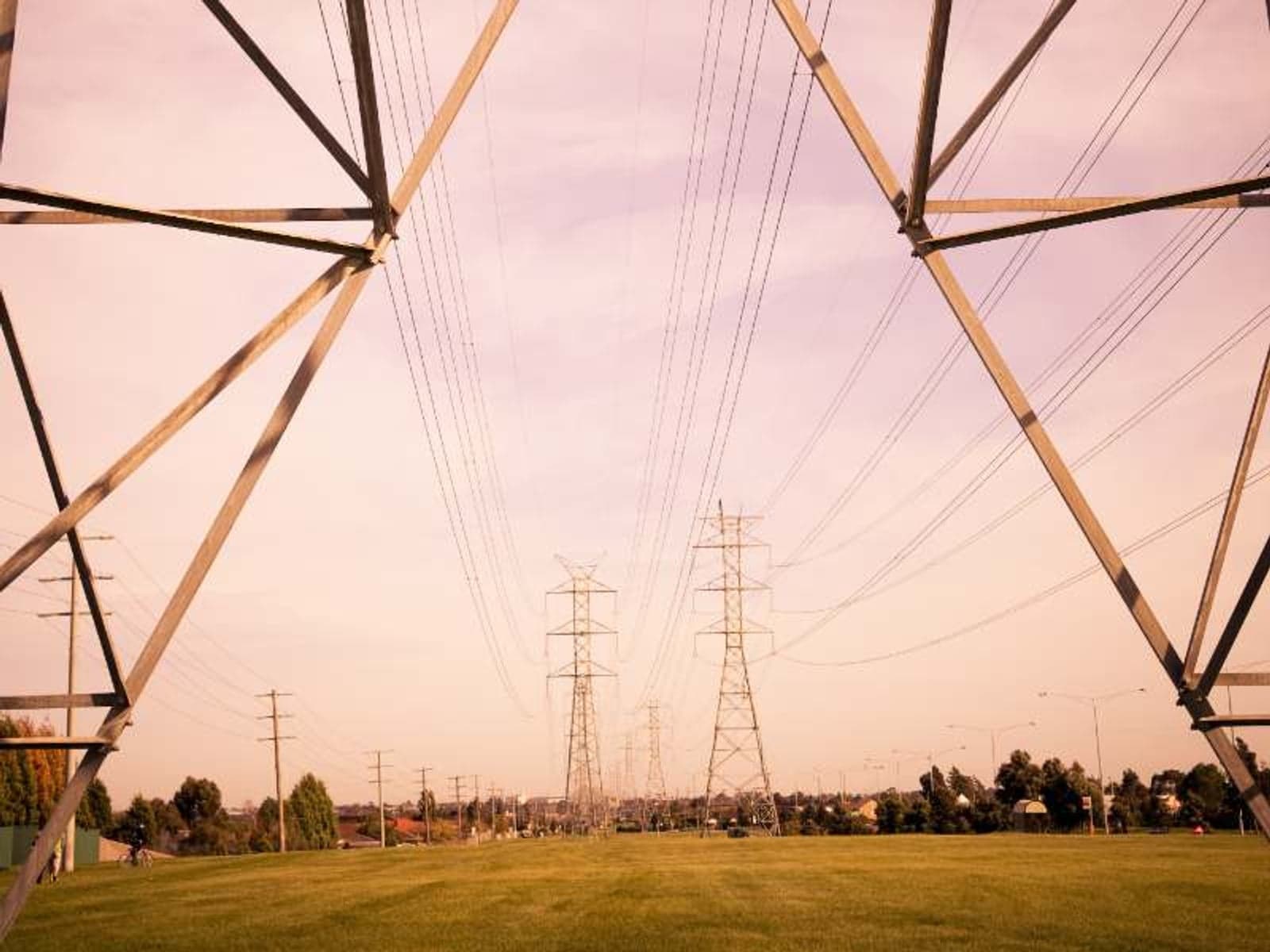
Portugal will need a more dynamic approach to managing its grid infrastructure if it is to maintain the pace of renewable deployment and provide adequate support for emerging storage projects as well as the integration of rising electrification.
The International Energy Agency’s Energy Policy Review Portugal 2026 highlights the fact that grid capacity is constraining the pace of renewable deployment and electrification in the country.
The report notes that Portugal has taken important steps in recent years to expand grid capacity and modernise its approach to network development but cautioned that an inability to increase it has hamstrung progress.
REN (Redes Energéticas Nacionais) and E-REDES, the two primary entities responsible for Portugal's electricity infrastructure, for example, have begun to introduce digital tools and monitoring capabilities.
“E-REDES has deployed the GridWise data platform and is undertaking pilot projects on active LV management and dynamic line rating.
“These efforts complement Portugal’s progress on hybrid connections, which now allows storage or complementary generation to be added to existing connection points without a full licensing process.
“In addition, ERSE’s adoption in 2025 of general conditions for flexible connection agreements opens the door to non-firm access for generation and storage projects,” the IEA report said.
Bottlenecks created by lack of increased grid capacity
But despite this progress, “grid capacity is constraining the pace of renewable deployment and electrification. Capacity is not expanding at the needed speed.”
A significant share of the major transmission upgrades included in REN’s 2025-2030 plan was approved in previous cycles but remain undelivered.
“At the Distribution System Operator (DSO) level, a growing number of substations are approaching their limits, and available firm capacity is further constrained by bottlenecks at the transmission interface.”
The country’s Energy Services Regulatory Authority (ERSE) also noted that there is a significant volume of technical hosting capacity on the transmission network, but much of it cannot be allocated because it is tied up in firm commitments to projects still under development.
The report said that notable capacity is also committed to combined-cycle gas turbine power plants that are running at much lower levels.
“As a result, available capacity is often underutilised, even in regions where renewable output, power flows and local demand profiles would allow for greater connection volumes under a more dynamic approach.”
Have you read?
Download: Enlit industry report 2026 on energy system resilience solutions
F6S Cluster: Intelligent buildings, flexibility and the future of Europe’s energy system
Flexible grid connections
The report also highlights that capacity continues to be allocated mainly through firm connections that do not match the operational needs for VRE generation or support flexible grid operations.
“Hybrid and flexible connections remain limited in scope. Hybrid connections currently function primarily to support the addition of battery storage to existing connections, but they are not yet embedded in the broader planning and capacity allocation framework.
“Flexible connections have only recently been introduced and are not yet managed dynamically; developers face uncertainty about curtailment volumes and access conditions, limiting the attractiveness of non-firm access.
“Without broader deployment of real-time monitoring, dynamic line rating, seasonal capacity windows or probabilistic approaches to hosting capacity, the system cannot fully benefit from these new tools.”
Taken together, these factors mean that Portugal’s approach to grid capacity allocation remains largely static and focused on incremental reinforcement, even as system needs evolve more quickly and become more variable.
To maintain the pace of renewable deployment, support emerging storage projects and integrate rising electrification, the report suggests that Portugal will need a more dynamic and flexible approach.
This includes:
- managing hosting capacity in real time where possible;
- integrating hybridisation into future planning;
- scaling the use of non-firm connections; and
- building the digital and operational capabilities needed to make better use of existing grid infrastructure.
Connection queue management is another challenge Portugal’s energy authorities are having to grapple with.
“Grid constraints are contributing to long connection queues. The problem is further compounded due to weaknesses in Portugal’s queue management system.
“The current first-come, first-served approach does not distinguish between mature projects and speculative placeholders, nor between genuine demand and duplicative or stalled applications. ERSE notes that long connection queues have been a persistent issue for renewable and storage projects but are now emerging on the demand side as well, driven by a strong increase in high-volume connection requests from industrial loads and data centres.”
Renewable energy impact
The report highlights that Increased solar PV generation, combined with sustained wind and hydro output, is driving structural changes in the operation of Portugal’s electricity system.
Between 2015 and 2025, PV shifted from a negligible resource to providing close to 50% of the power injected into the grid during peak solar hours.
This has reshaped intra-day power flows. Solar PV is now the main source of generation mid-day, while wind and hydro generation dominate in the evening and early morning peaks.
As of December 2025, there were more than 45GVA of new connection requests from large consumers, with over 10GVA already allocated or reserved.
“Portugal has introduced targeted measures for large consumer connections, including exceptional procedures for allocating capacity within designated high demand zones under the High Demand Areas Capacity Allocation Mechanism.
“The first use of this mechanism in Sines proved effective, leading to refinements for faster procedures and better project incentives.”
In January 2026, Portugal extended this approach nationwide by designating the mainland electricity system as a high demand zone to manage approximately 41 GW of connection requests from large electricity consumers.
Grid connection data
Starting this year, the government is also set to systematically publish anticipated grid connection dates and project-specific information, improving transparency and planning certainty for developers.
“Together these measures aim to prioritise viable projects and ensure that scarce capacity is used efficiently as connection requests continue to grow. While these measures represent important progress, shortcomings continue to reduce the ability of the TSO and DSOs to plan and allocate capacity efficiently.
“Opaque queues make it difficult to identify which projects are likely to materialise, where reinforcement is genuinely needed, and where flexibility or hybridisation could accelerate connections.”
These developments, among others, show that Portugal’s grids require more integrated and forward-looking co-ordination between REN and E-REDES, said the report.
“International experience highlights the importance of shared hosting capacity maps, joint scenario-based planning and co-ordinated assessment of non-wire alternatives, supported by timely data exchange on network conditions and distributed resources.”
The IEA report recommends that adopting these practices would strengthen proactive planning and help ensure that Portugal can accommodate continued growth in renewable generation, electrification and distributed energy resources.