Integrating flexibility from the ground up
Guest/partner contributor
Posted on: 18 October 2024
Flexibility is the foundation of the grid of the future, through integrating distributed energy resources like home energy management systems, heat pumps, electric vehicles and smart meters.
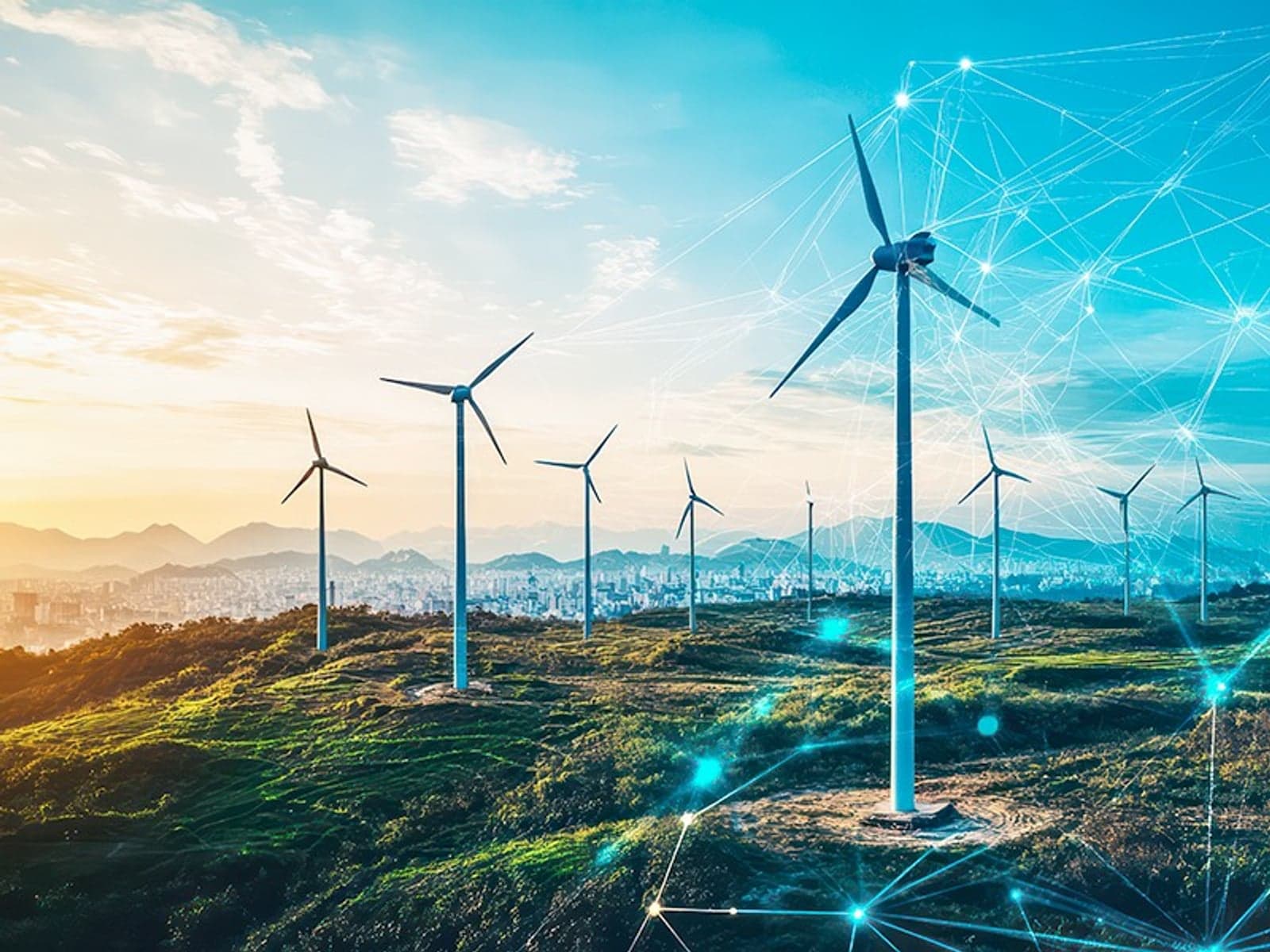
Flexibility is the foundation of the grid of the future, through integrating distributed energy resources like home energy management systems, heat pumps, electric vehicles and smart meters.
How much of this US$3.1 trillion is yours?
The whopping figure covers energy companies’ investments in grid expansions between now and 2030. Part of the costs will likely fall to energy companies and their customers.
Flexibility is key to lowering that number – and your contribution toward it.
Why flexibility?
Grid investments are tied to how the energy landscape is transforming and, with it, the way we approach grid and energy planning.
Renewable energy, distributed energy resources (DERs) and EVs are crucial for a sustainable future. However, they can also bring energy unpredictability. For example, renewable energy production relies on the weather.
Handling this new reality requires new strategies that revolve around flexibility.
Grids and energy distribution solutions need to be agile and ready to adjust on the fly. Flexibility allows us to do just that – keeping everything running smoothly, no matter what.
The tech behind the flex
Flexibility can be built from the ground up using technologies like:
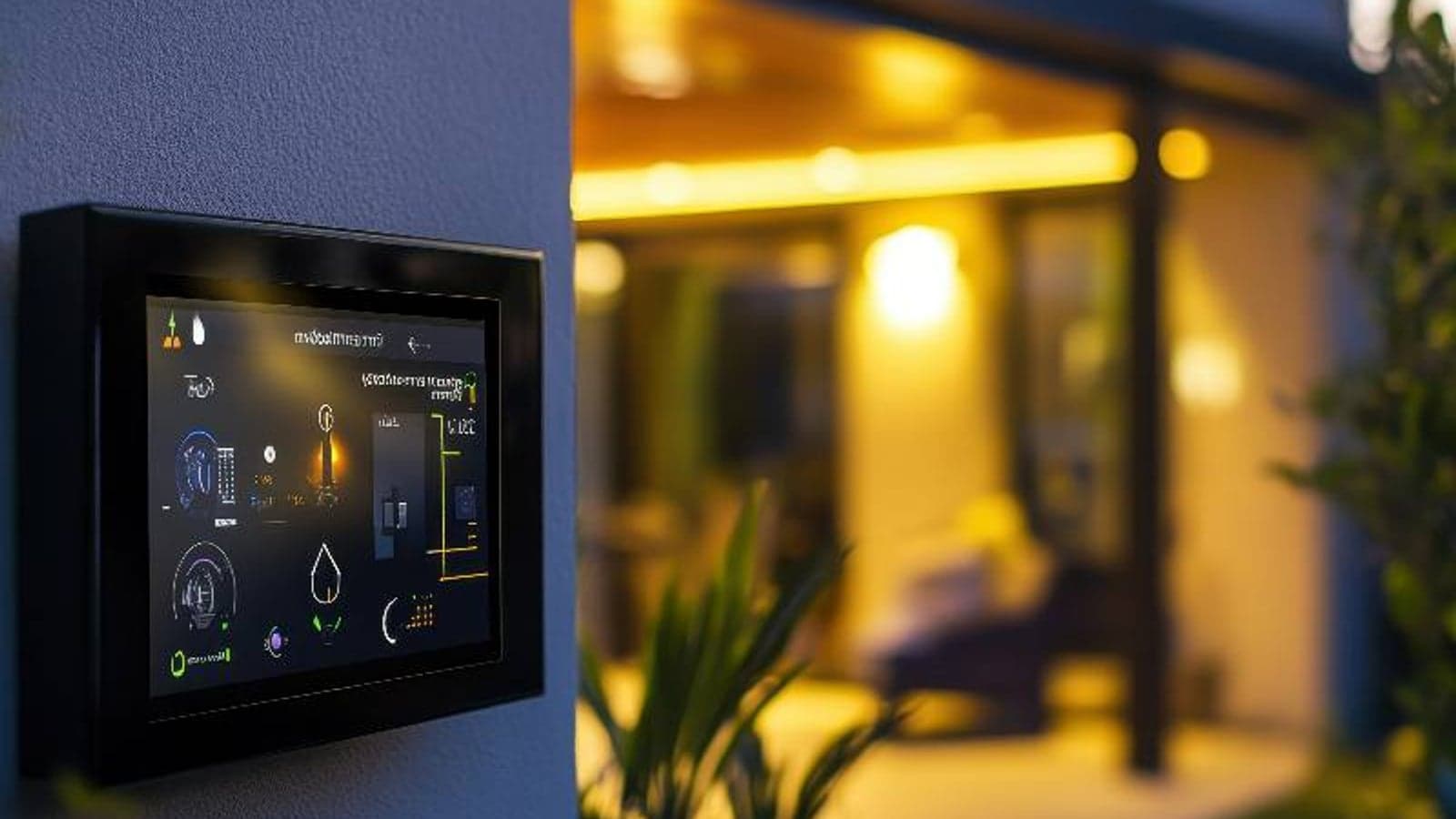
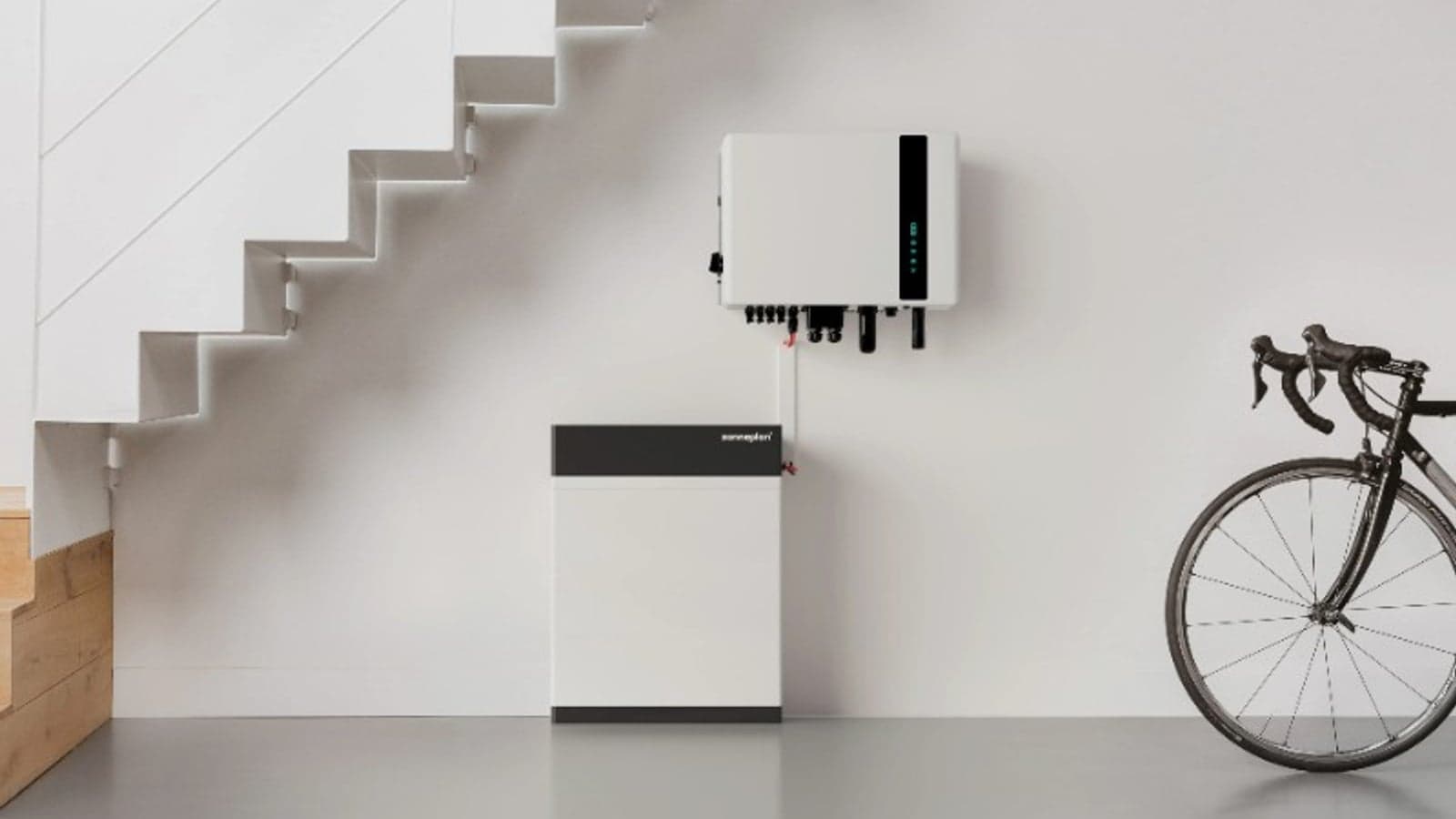
- Home Energy Management Systems (HEMS): Automatically shifts energy use at home to when the grid is most capable of handling it. HEMS give consumers the power to improve energy use, easing the load on the grid when it matters most.
- Heat pumps: Modern heat pumps can be programmed to draw energy when it’s most abundant and affordable. They’re like a thermostat on steroids, helping balance demand without anyone lifting a finger.
- EV fleet management: Electric vehicles aren't just about going green. Managed intelligently, they become grid assets that automatically charge during low-demand times and support load balancing and peak load shaving.
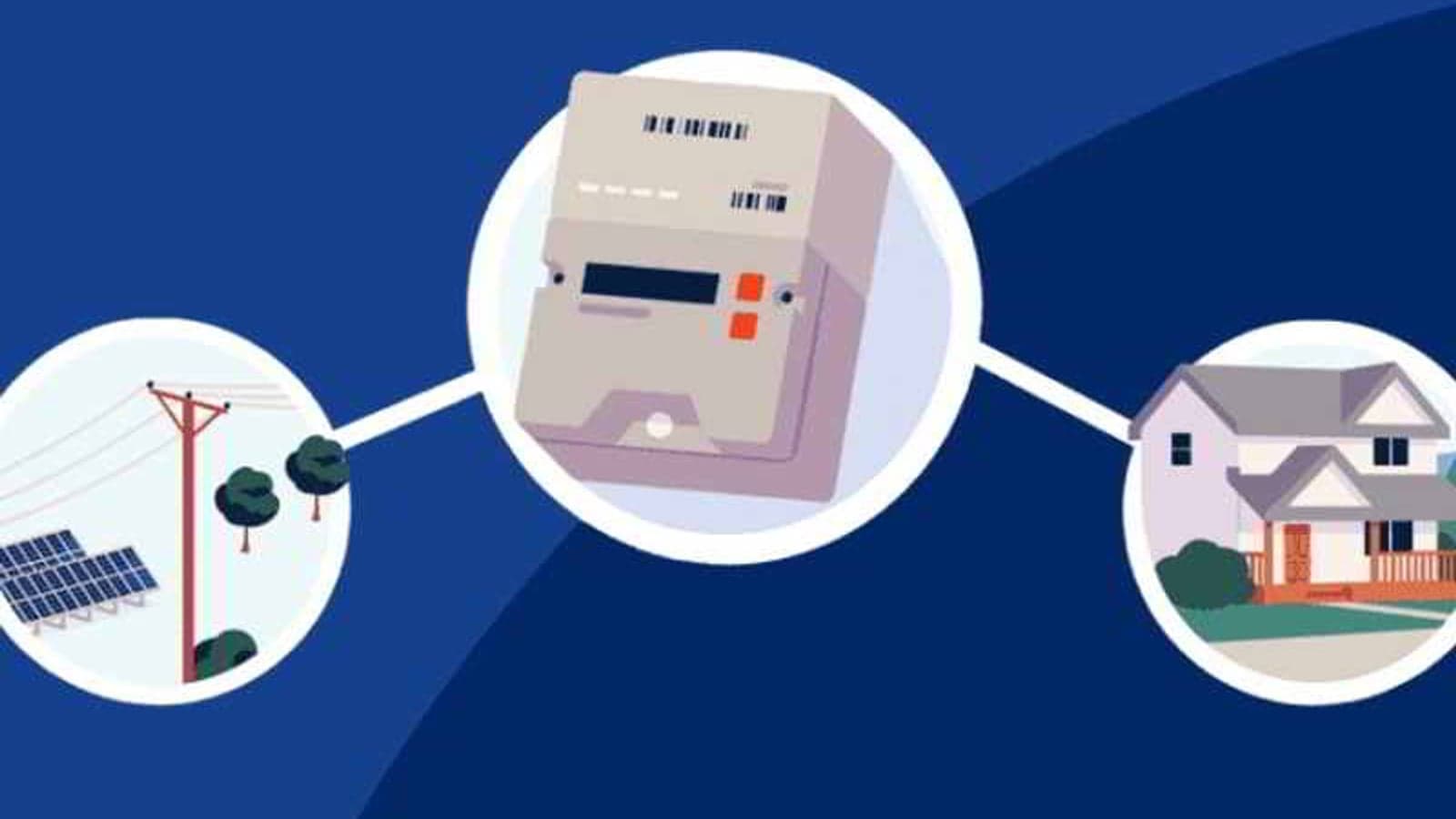
- Advanced Metering Infrastructure (AMI): AMI is the secret sauce that makes everything else possible. By providing real-time data from smart meters, it lets utilities see – and intelligently adjust to – what’s happening across the grid at any moment.
Learning from experience
Looking ahead, flexibility needs to be part of the blueprint. It's not just about having the right tech but a mindset shift. Flexibility isn't an add-on; it's the foundation.
Many energy companies are already weaving flexibility into their operations, but there’s a difference between retrofitting flexibility and it being a cornerstone in strategic future planning.
For example, the United States is set to add 217GW of DER capacity by 2028. The question for American energy companies becomes how to turn those DERs into cost-effective assets. In other words, planning for flexibility means thinking ahead – proactively integrating tools like HEMS, heat pumps, EV fleet management and AMI as a foundation for a grid that’s ready for the future.
About the company
Landis+Gyr is a leading global provider of integrated energy management solutions. We measure and analyse energy utilisation to generate empowering analytics for smart grid and infrastructure management, enabling utilities and consumers to reduce energy consumption. Our innovative and proven portfolio of software, services and intelligent sensor technology is a key driver to decarbonise the grid. Having avoided around 9 million tons of CO2 in FY 2023, Landis+Gyr manages energy better – since 1896. With sales of US$2 billion in FY 2023, Landis+Gyr employs around 6,900 talented people across five continents.