Lack of base load and grid connection key risks to EU's industrial decarbonisation
Pamela Largue
Posted on: 20 June 2025
European industries are facing a lack of clean| base load power and grid connection costs that could damage their competitiveness.

Ensuring the growth of green, innovative industries is critical to Europe's economic future. However, industries of all sizes are facing a lack of clean, predictable base load power and grid connection costs that could damage their competitiveness.
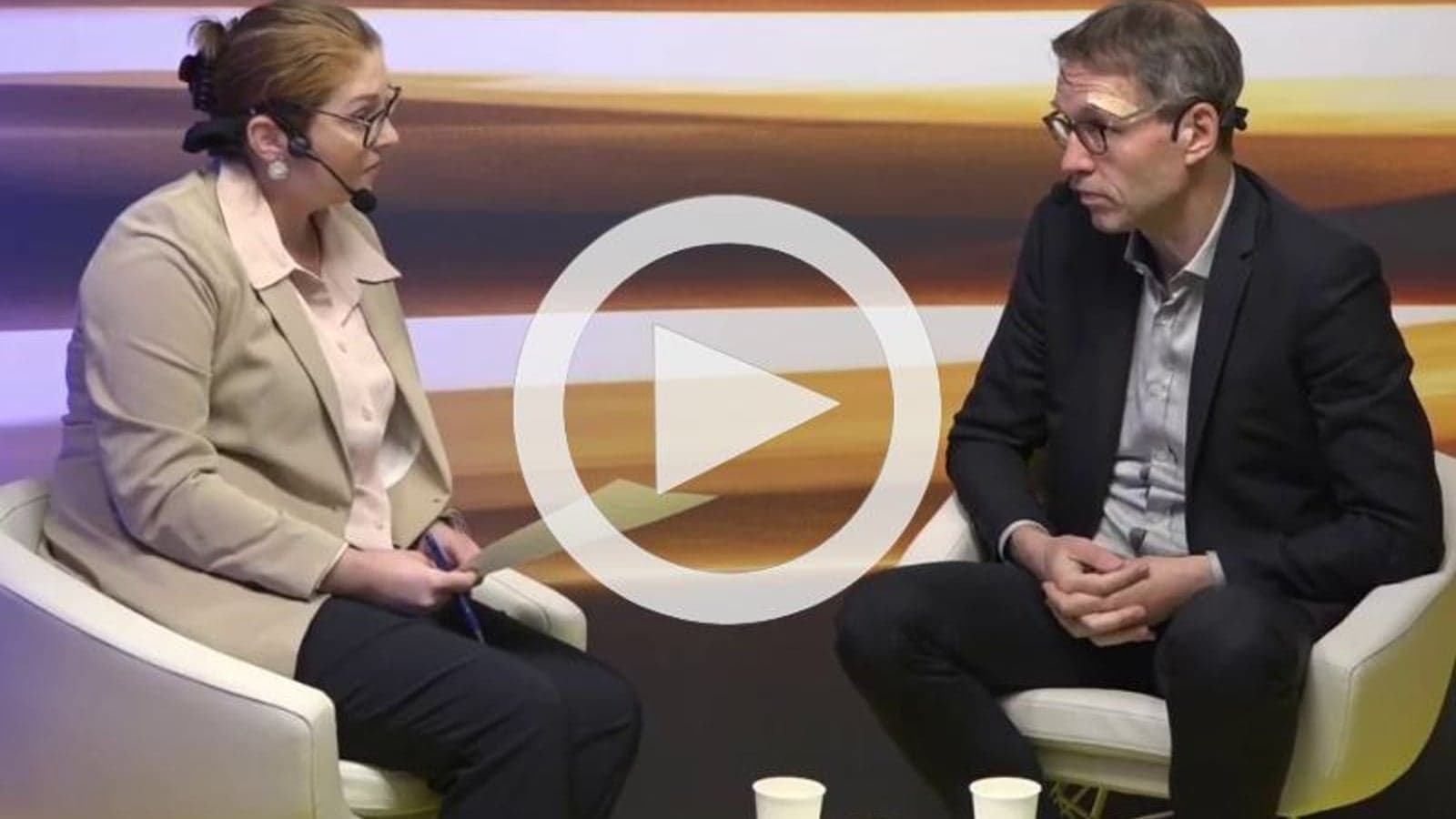
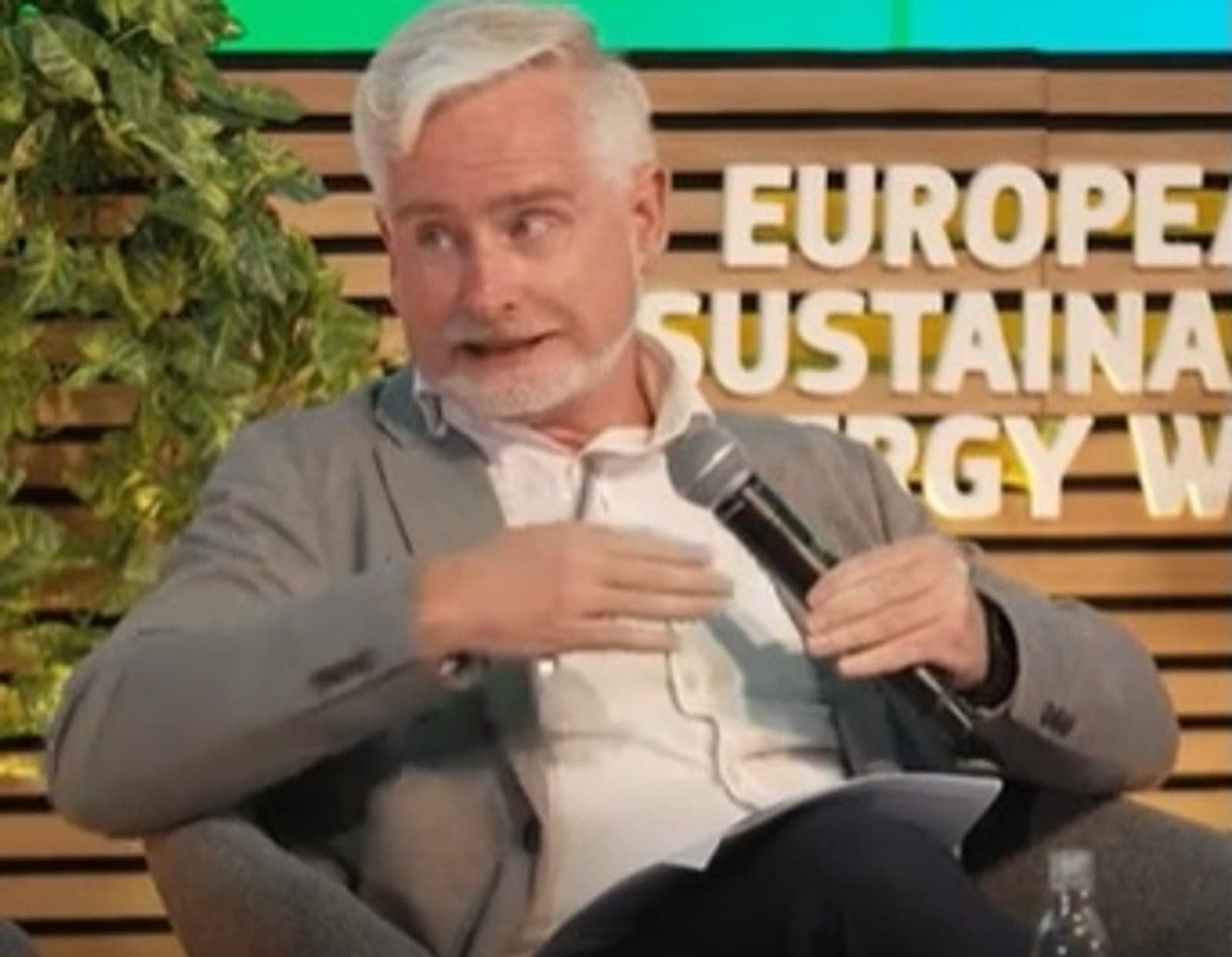
Addressing this important topic was front and centre of a panel discussion held at the recent European Sustainable Energy Week event in Brussels.
The discussion centred around the critical need to decarbonise industry, and ensure clean power is delivered where and when needed and at competitive prices.
It boils down to base load
When it comes to industry's electricity needs, the brief is pretty simple: It needs to be available, and it needs to be cheap.
José Antonio de las Heras, CEO of the French fertilizer start-up FertigHy, explained that securing base load power is a priority focus for them and ultimately played a significant role in their development strategy.
While decarbonisation of fertilizer presents a significant opportunity in Europe, FertigHy needs to electrify in order to tap into that opportunity in a sustainable way. De las Heras explained that base load allows for continuous operation, and continuous operation leads to investor confidence, which is absolutely critical for a start-up like FertigHy.
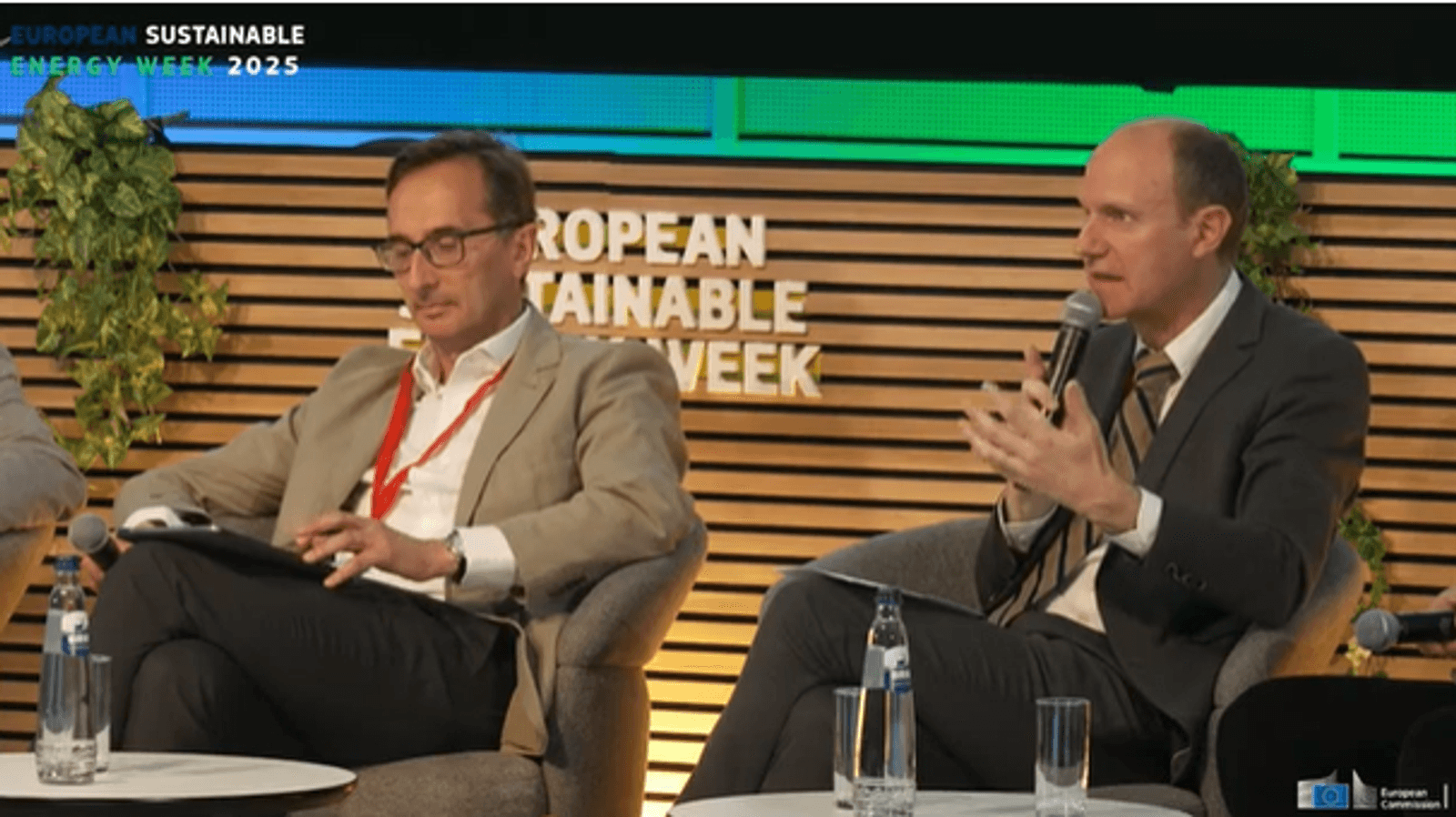
De las Heras said that 70% of their cost is electricity, and that comes on top of the grid connection cost. It's one of the key short-term considerations. "One difficulty is access to the grid."
Grid connection costs can make some companies less competitive, said De las Heras. This leads them to consider decentralised options and PPAs, which can provide more certainty for both the renewable project as energy producer and for a company like FertigHy as the offtaker.
Have you read?
Iberia blackout caused by ‘overvoltage’ and ‘chain reaction’ says Spain
FERC launches review of generator-large load co-location
Addressing grid connection hurdles
Jean-Philippe Bonnet, Deputy Director of the Strategy, Foresight, and Evaluation Division at RTE, weighed in on connection issues as another important hurdle to industrial decarbonisation.
"In the last three years, we have granted almost 22GW of right of access to the grid for industrial consumers...it's a big amount."
Bonnet highlighted the importance of having processes that are easy to navigate so young, innovative companies like FertigHy, can secure network access.
Bonnet pointed to two rules currently causing a bottleneck: the first-come-first-served rule, and the rule that whoever triggers network constraint should be responsible for solving it.
The government and regulators in France are looking to revamp these rules. Said Bonnet: "We are experimenting with new methods to overcome these [barriers], mostly in large industrial areas...where we concentrate most of France's steel and chemistry industry with most of our CO2 emissions."
France is looking to utilise anticipatory investment, cost-sharing mechanisms and effective prioritisation to ensure more mature projects can benefit from short-term available capacity.
"What we are facing more and more is grid congestion - and for companies like FertigHy that needs a base load profile - even if you use PPA, you still need the grid for that profile. It means that we have to cope with that [and] planning is the key to have the long-term view of where renewable energy generation and consumption is developing and ensure the grid will be there at the right time...to cope with the geographical organisation."
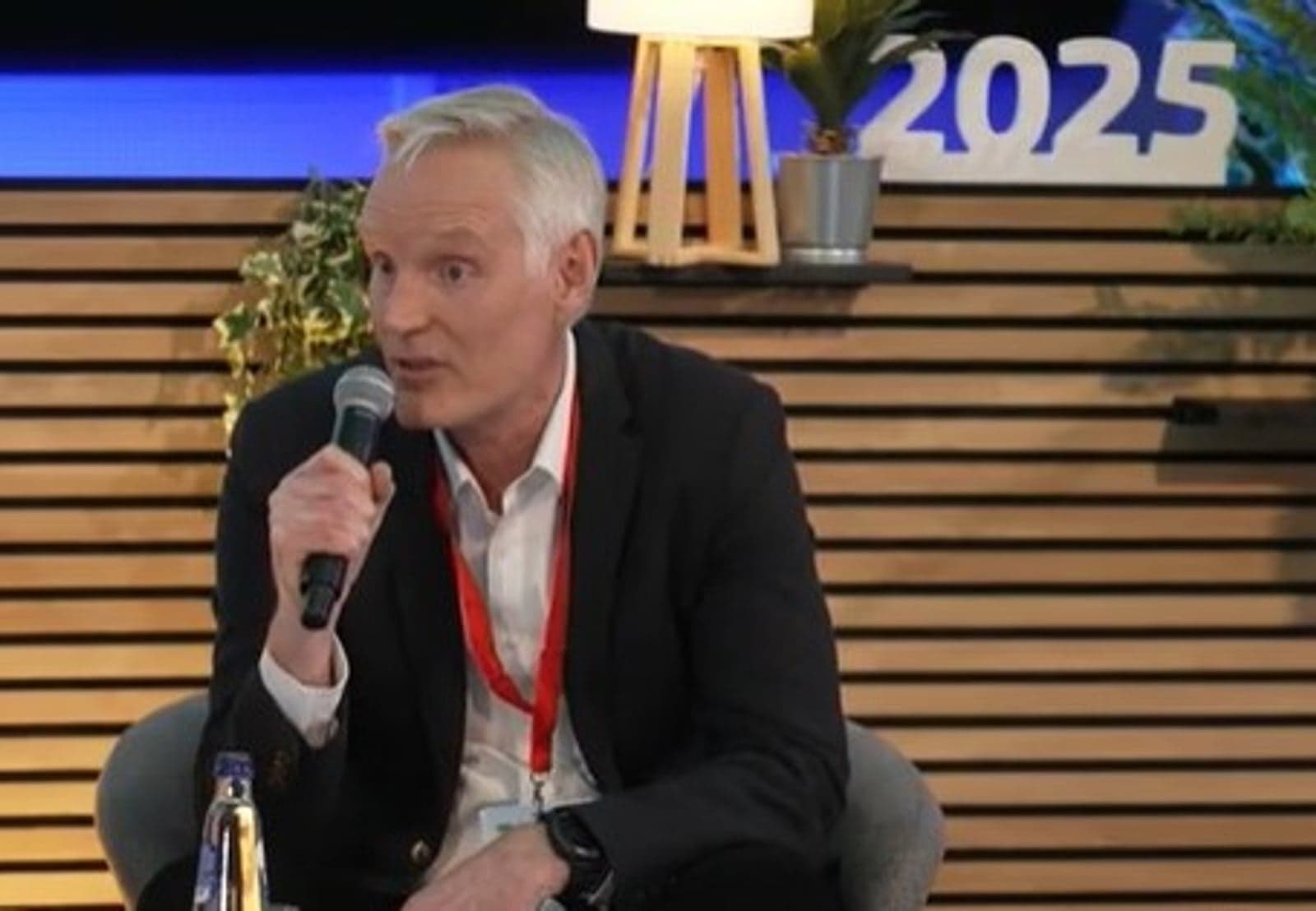
If grid connection is too expensive, said Bonnet, then we deter electrification and decarbonisation.
The simple solution is to pass the cost to the tariffs.
Although Bonnet was quick to add that there should be a "good compromise between refusing access and passing excessive cost to the tariffs," suggesting flexible connection could be the answer.
Flexibility as a key remedy
Sjur Jensen, Senior Energy Markets Expert and Vice President Business Unit Assets at Vattenfall AB, emphasised that for power producers to produce the base load capacity needed for increased industrial demand, volatility needs to be mitigated.
Volatile regulation causes hesitation from investors on the demand and supply side, something Jensen believes has caused a slowdown in Europe's decarbonisation journey.
There is a good kind of volatility, though, he added, stating that "volatility is opportunity if you can be flexible - having more flexibility in the market is key."
Jensen believes that flexibility can help absorb market volatility and allow better use of the grids.
To increase flexibility and energy security, he suggested creating "a common market for electricity because it is a fragmented market in many cases," with a lot of power locked in the Nordic region for example, unable to be shifted to the continent.
Tom Howes, Advisor, Green energy transition and energy market regulation at the Directorate-General for Energy at the European Commission, highlighted that while grid connection issues have caused pitfalls, there are remedies that have been provided and others currently in the works to support industries.
These instruments include the Clean Industrial Deal, as well as the Afforable Energy Action Plan, which is designed to make the system function better and bring system costs down.
Howes also lauded the Grids Action Plan and Grids Package, due later this year, designed to improve the permitting and planning regimes through a variety of mechanisms.
"I think we are open to all sorts of novelty, whether it's on the permitting, planning or financing - these will all be elements of the forthcoming package," said Howes.