Meta looks to novel technologies to power AI data centres
Jonathan Spencer Jones
Posted on: 1 May 2026
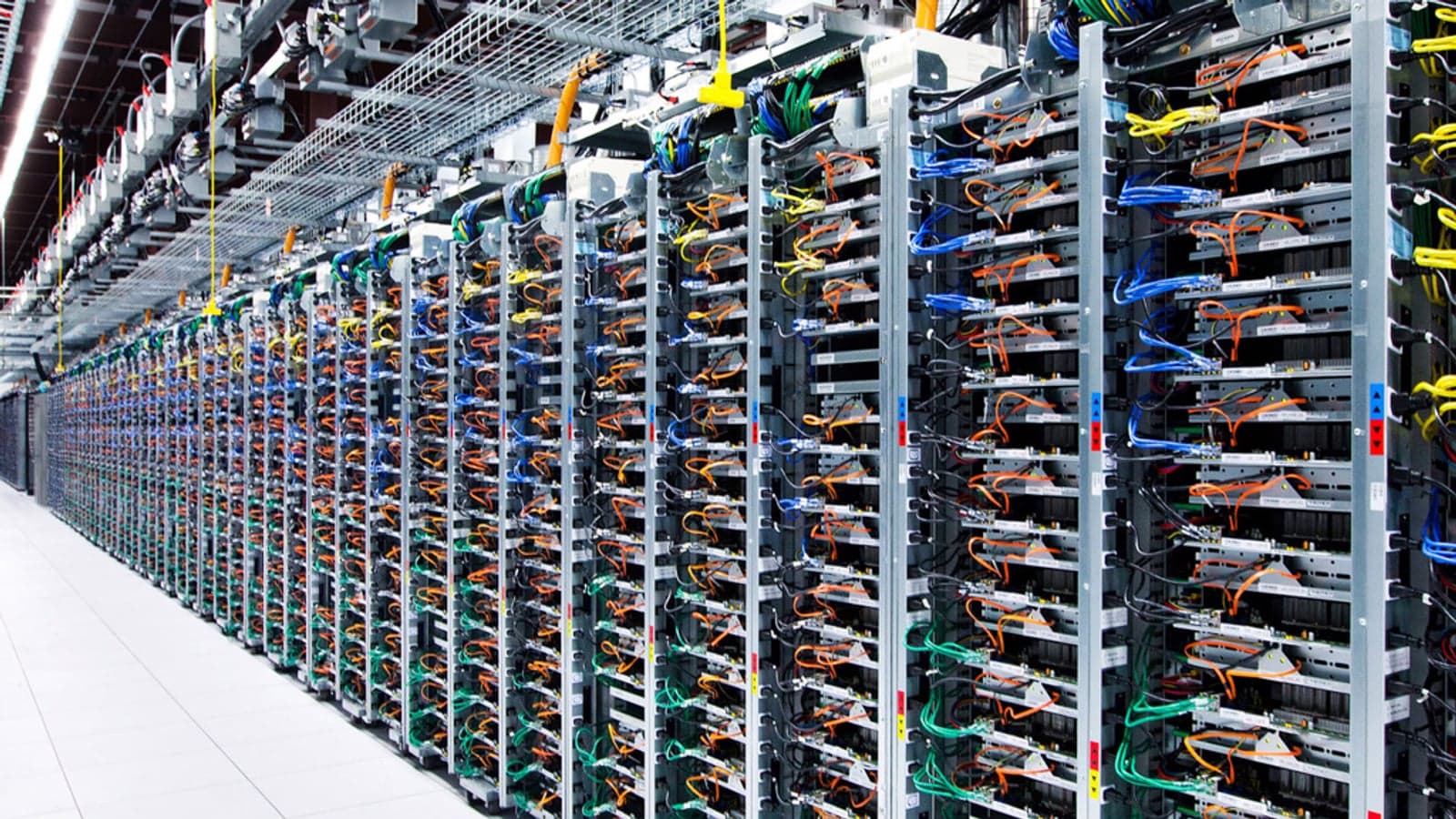
Meta has entered partnerships for space-based solar and long duration energy storage to power its data centres and AI infrastructure.
The partnerships with space based solar startup Overview Energy and ultra long duration storage developer Noon Energy represent a further step in the march of support from these IT giants for the development of future technologies.
Another recent example includes Google’s PPA for fusion energy with Commonwealth Fusion.
The partnership with Overview Energy is particularly notable, as among the ‘first’ for space based solar – and with a company that has been operating until recently in stealth mode with its only reported advance an airborne demonstration from a Cessna aircraft of its power beaming technology that was conducted in November 2025. www.enlit.world/library/overview-energy-exits-stealth-with-airborne-power-beaming-demo
Under the agreement Meta is looking to secure up to 1GW of space-based solar power from Overview Energy. With the company’s orbital demonstrator currently planned for 2028, commercial power delivery is expected to start in 2030.
Also of interest
Unlocking the potential of renewable energy PPAs in the EU
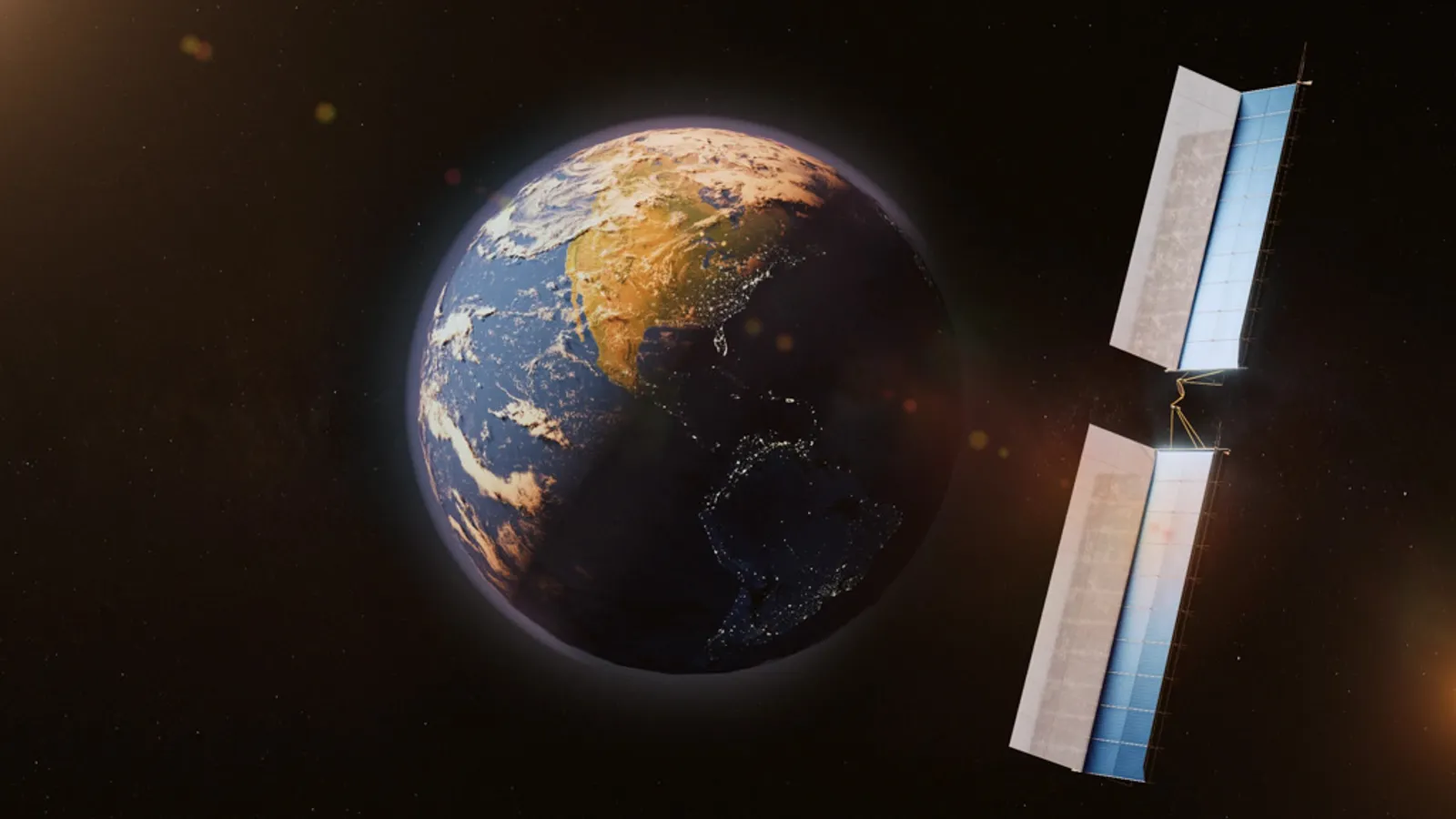
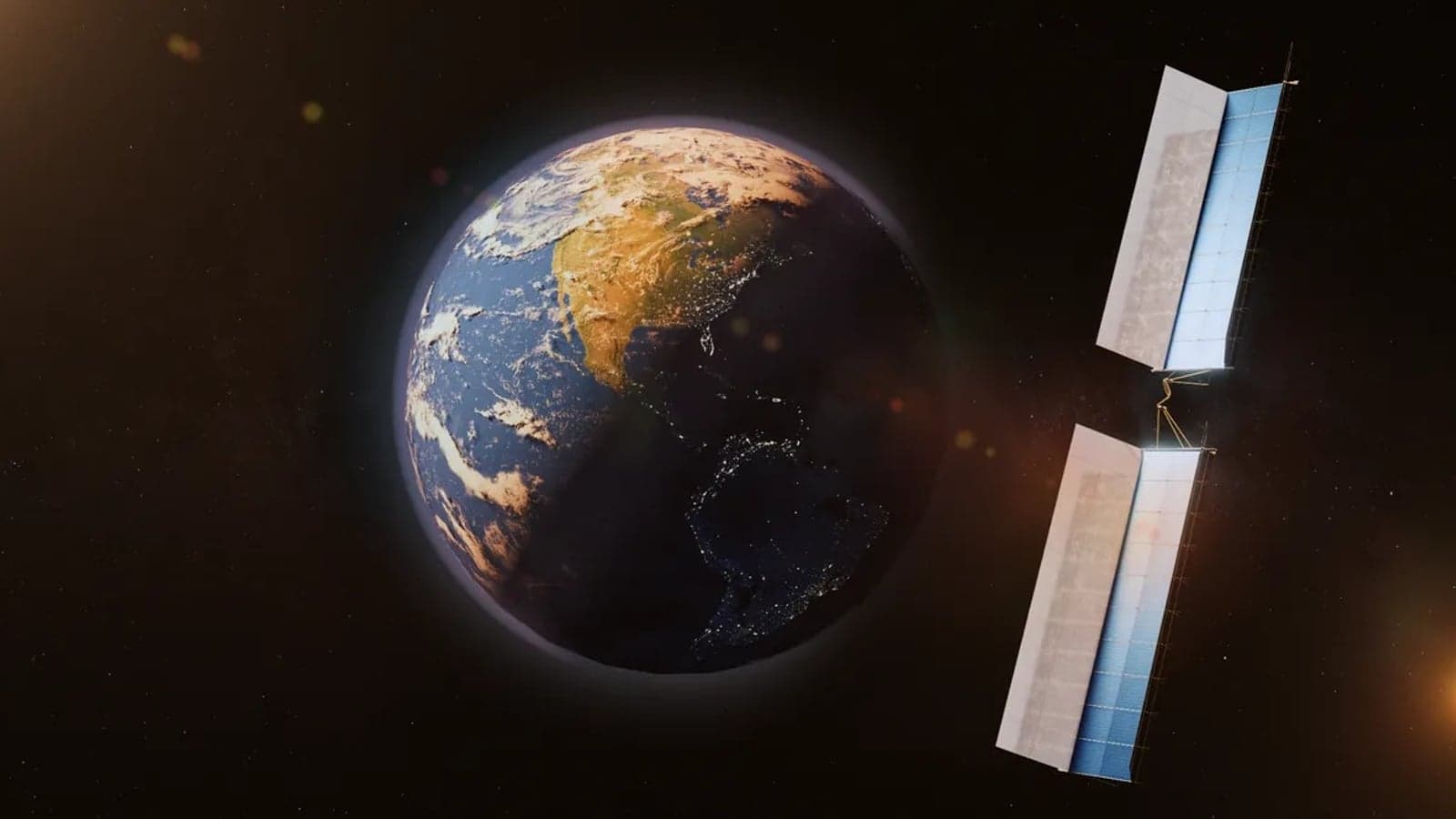
With Overview Energy’s satellite(s) in a geostationary orbit where, at a distance of almost 36,000km they remain essentially stationary above a fixed point on Earth and can receive solar power 24/7, the intent is to supply power in the form of low intensity near-infrared light to PV plants on Earth, particularly those in night time to enable them to become 24/7 power suppliers for the around the clock operating data centres.
Marc Berte, CEO of Overview Energy, says that space is becoming part of America’s energy infrastructure.
“Together with Meta, we’re looking beyond traditional constraints on where and when power can be delivered to meet the growing demand for electricity.”
Long duration storage
The agreement with Noon Energy is aimed to reserve for Meta up to 1GW/100GWh of long duration storage with its modular reversible solid oxide fuel cells and carbon-based storage technology.
Preceding is an initial 25MW/2.5GWh pilot demonstration, expected to be completed in 2028.
Whereas lithium-ion storage is well suited for short duration use cases, with timescales up to a few hours, Noon Energy’s technology is aimed at 100+ hour storage allowing energy to be stored and discharged for multi-day periods – again aiming to deliver 24/7 energy, particularly during extended periods of low renewable generation.
Chris Graves, co-founder and CEO of Noon Energy, says the partnership with Meta is a “monumental step” toward realising what Noon was founded to achieve.
“Data centres stand as one of the best applications for Noon’s battery system, and we look forward to working with Meta on building production capacity and an ultra-long duration energy storage supply chain in the years ahead.”
Nat Sahlstrom, VP of Energy and Sustainability at Meta, says of the agreement with Overview Energy: “Space solar technology represents a transformative step forward by leveraging existing terrestrial infrastructure to deliver new, uninterrupted energy from orbit.”
Of the Noon Energy agreement, he adds: “Bringing data centres online faster requires rapid deployment of reliable energy sources. Our agreement with Noon advances that goal with a storage technology that delivers grid resilience and firm power.”
Space-based solar
Although much work is taking place behind the scenes, reported advances for space-based solar have been few and far between.
One of the key challenges is the power transmission at sufficiently high level over the long distance and a new investigation has been launched by the British company Space Solar and National Grid Electricity Distribution to consider the technology as a supplement or alternative to cables.
Notably Space Solar holds the first space-based solar power delivery – to Reykjavik Energy from its initial 30MW plant anticipated to be operational in 2030.
New entrants continue to emerge in the area, with Luxembourg headquartered TerraSpark the latest reporting in March its raising of €5.4 million in pre-seed financing.
The company’s ambitious roadmap is for a ground demonstration of solar power beaming in 2026 followed by an in-orbit to Earth demonstration in 2027-2028 and commercial deployment from 2030.
There also are new concepts emerging, the latest from the Japanese engineering company Shimizu Corporation in its ‘dream’ category of a band of solar cells up to 400km wide around the equator of the Moon – the Luna ring, the company calls it.
On the plus side, the solar cells could be easier to deploy and manage than on satellites, as the proposal is that they are constructed robotically in situ from lunar resources. However, with the Moon at an average distance of 380,000km, the power beaming challenge is greatly magnified – not to mention the ethical challenges that would arise.
Last but not least comes the potential threats that could accompany space-based solar. Reported in the South China Morning Post, Duan Baoyan, a professor at Xidian University who leads China’s ‘Zhuri’ space based solar initiative, has written that such satellites with minor payload adaptations also could support surveillance and electronic warfare, including microwave jamming of military and civilian communications.