Astronomy breathes relief as AES Andes cancels green hydrogen project
Jonathan Spencer Jones
Posted on: 3 February 2026
AES Andes has announced cancelling the proposed Inna green hydrogen and ammonia project near Paranal in Chile’s Atacama desert.
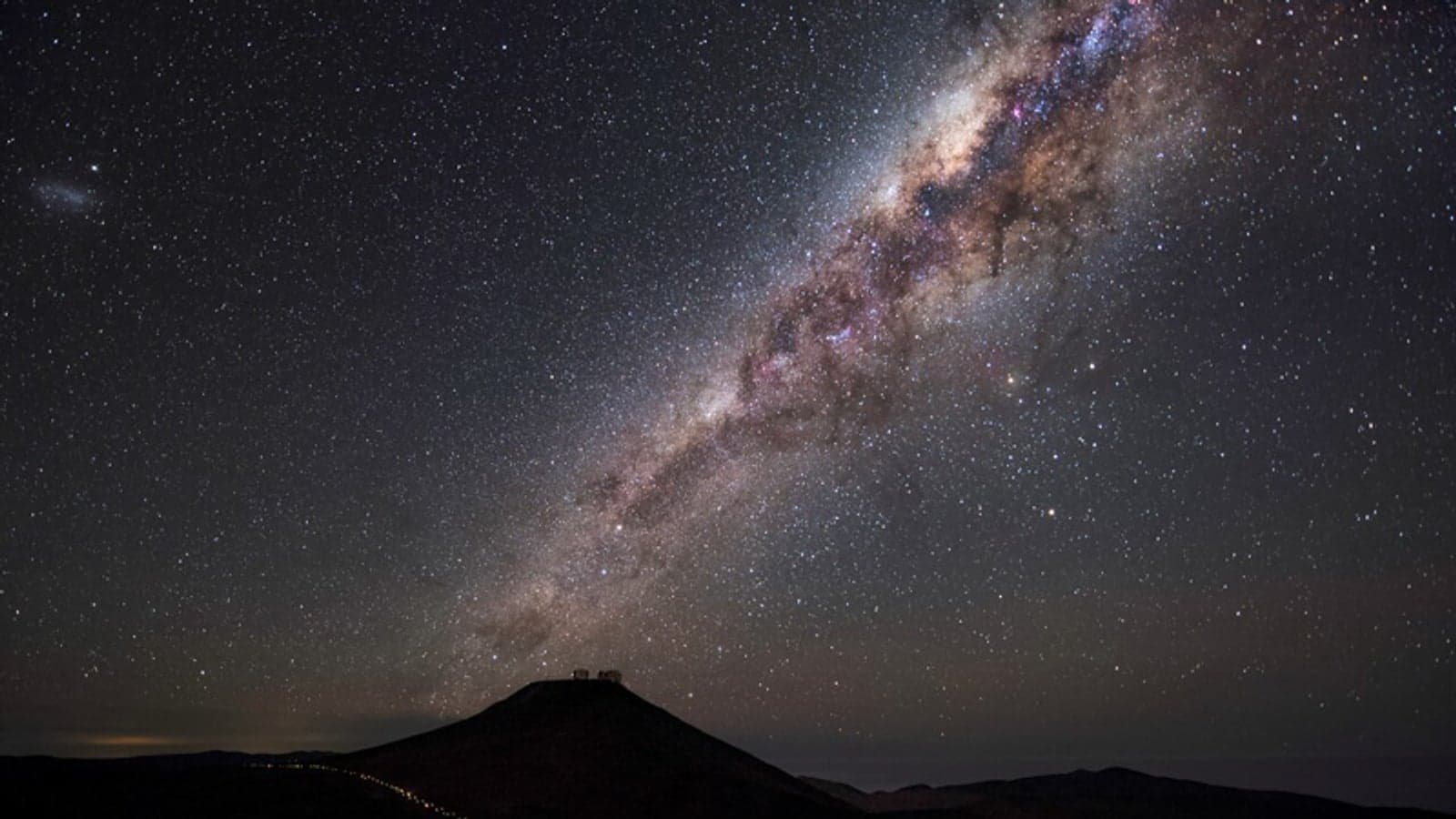
The cancellation of Inna – and the company’s intention to focus its efforts on the development and construction of its renewable energy and energy storage portfolio – marks a major win for the European Southern Observatory (ESO) in particular and astronomy in general.
It also highlights an issue that seems to get insufficient debate in the energy transition – that of the balance of decarbonising technologies with their often extensive footprint with other land or resource uses. Think for example of solar PV versus agriculture.
Over a year ago, since AES Andes took formal steps towards obtaining environmental permits for Inna, ESO has been raising concerns due to its proposed proximity to its telescopes, with the dust emissions that would occur during construction and the increased atmospheric turbulence and light pollution that would result.
Also of interest
EU Energy Projects Podcast: How space data is advancing the energy sector
AI growth vs power availability: a perfect storm in 2026
Since the early 1960s, both the US and Europe in particular have invested significantly in astronomy in Chile, with the largest concentration of telescopes and the largest and most advanced telescopes in the southern hemisphere in the Atacama.
An ESO statement indicates that the Inna project needs to be withdrawn from Chile’s environmental assessment service to formally confirm it is not going ahead.
ESO Director General Xavier Barcons said that when the cancellation is confirmed, there will be relief that the complex will not be built near Paranal.
“Due to its planned location, the project would pose a major threat to the darkest and clearest skies on Earth and to the performance of the most advanced astronomical facilities anywhere in the world.”
He continues: “As we have said before, ESO and its member states are fully supportive of energy decarbonisation and initiatives that ensure a more prosperous and sustainable future. Green energy projects – and other industrial projects that drive national and regional development – are fully compatible with astronomical observatories, if the different facilities are located at sufficient distances from one another.”
AES Andes said in its statement that the focus on its renewable energy and energy storage portfolio is in line with the guidelines of its parent company in the US and the decision to desist with the Inna project does not call into question the value or potential of Chile’s green hydrogen industry.
Since the launch of its Greentegra strategy in 2018, AES reports adding 2,181MW of renewable generation and battery storage to its portfolio across Chile, so that its energy mix is now 70% renewable.
Currently, the company’s focus is on the commissioning of the Andes Solar III and Bolero battery storage plants in the Antofagasta region to achieve commercial operation in the first half of this year. Simultaneously, construction continues on four new renewable projects also in the Antofagasta region, Arenales, Cristales, Pampas and the Atacama storage system.
Together, these projects should add 2,363MW to the portfolio.
The space threat
ESO comments in its statement that the Inna case highlights the urgent need to establish clear protection measures in the areas around astronomical observatories to enable them to continue operating.
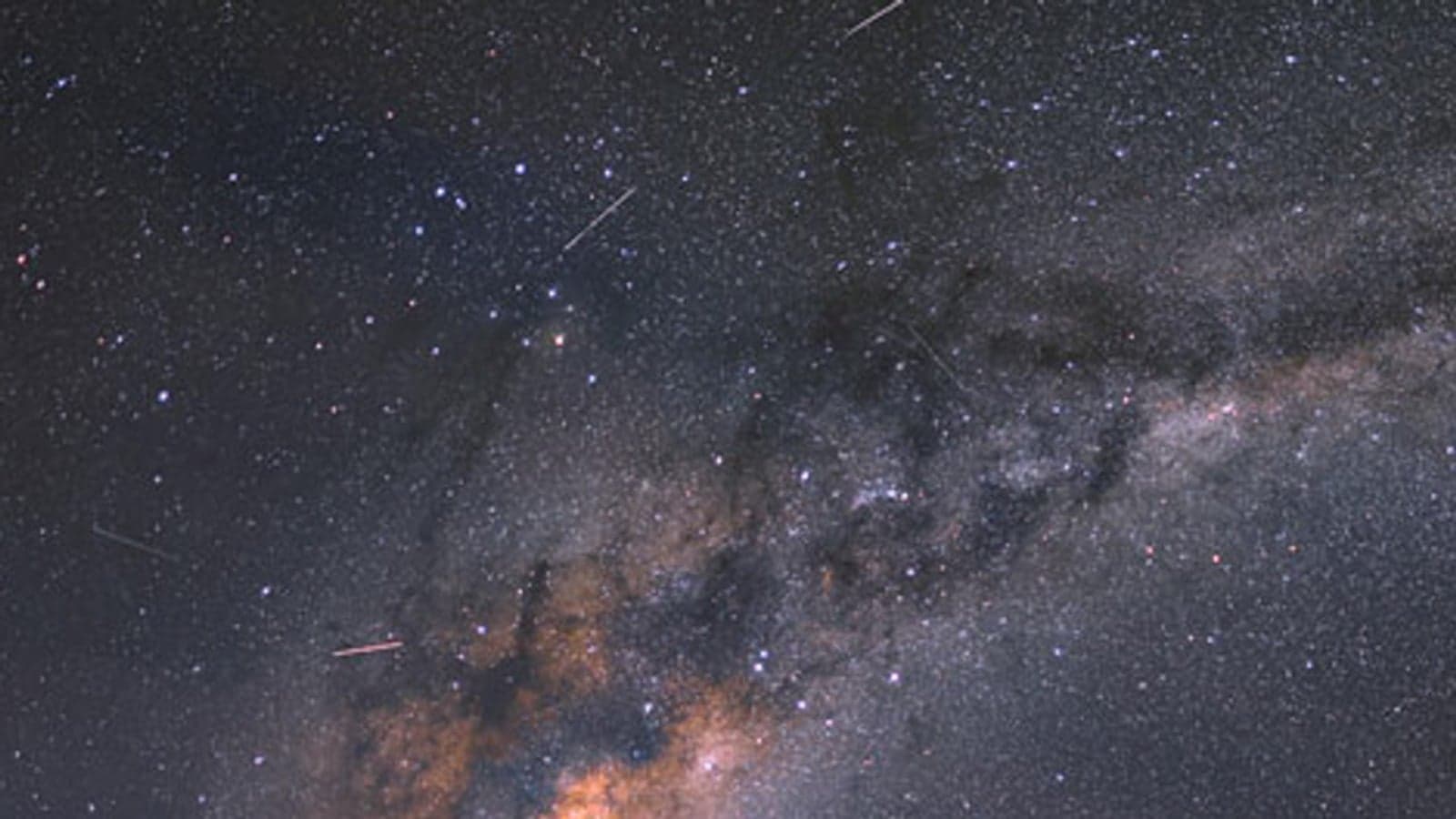
This is a major concern in the astronomical community globally and not only around but also above observatories, with the growing numbers of satellites and specifically satellite constellations in low earth orbits, with their impacts not only on optical observatories but also those operating in radio and millimetre wavelengths.
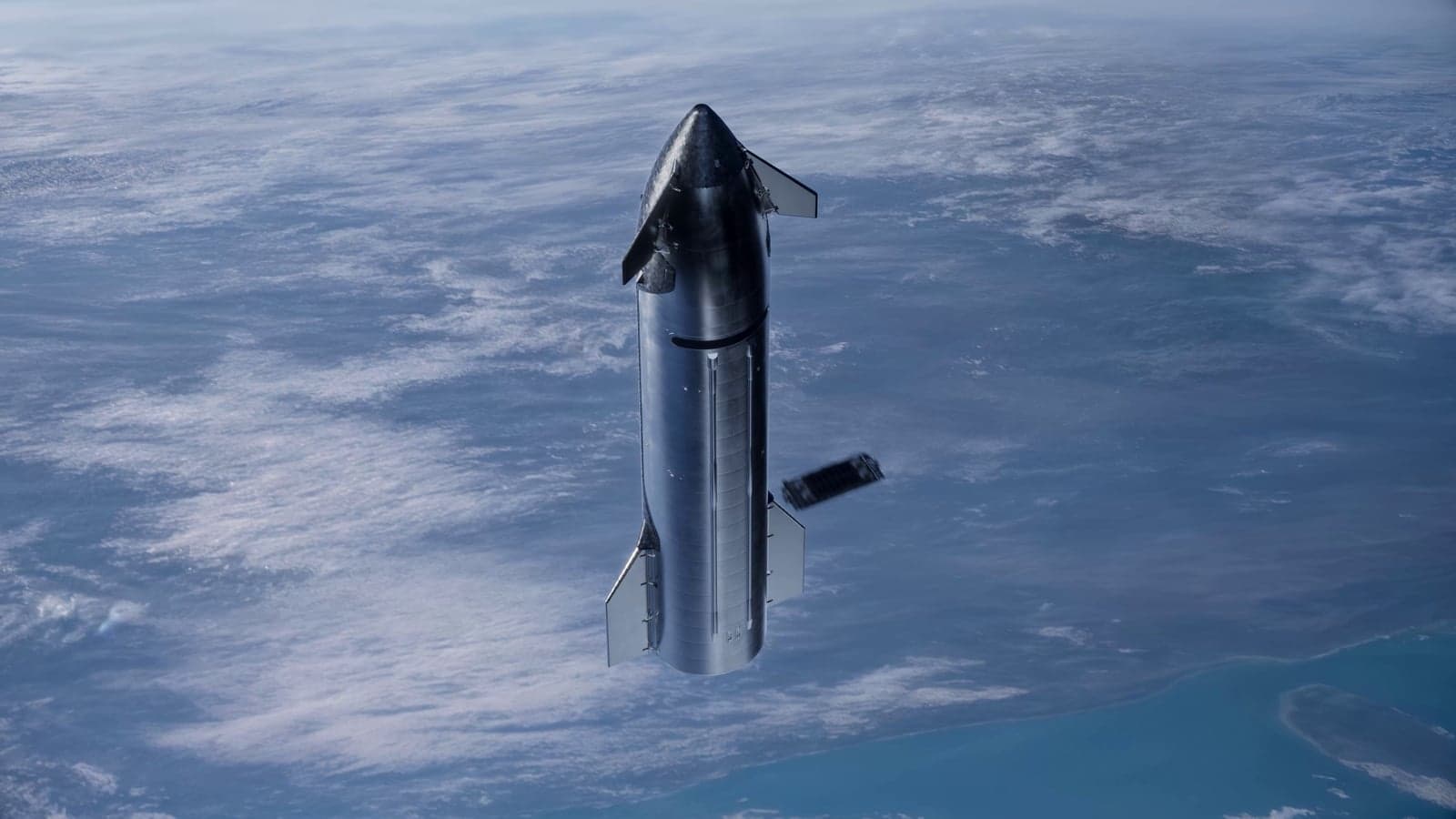
And the number is set to grow much further if Elon Musk has his way. With AI and data centres proliferating, developers are looking to space for a new generation of data centres and Musk’s latest proposal following the merge into SpaceX of xAI – famed as the creator of Grok – envisages the launch of tens of thousands and potentially up to a million satellites to power AI.
In a SpaceX update posting, Musk writes that his estimate is within two to three years, the lowest cost way to generate AI compute will be in space.
With launches every hour carrying 200 tonnes per flight, Starship would deliver millions of tonnes to orbit and beyond per year, he writes.
“The basic math is that launching a million tons per year of satellites generating 100kW of compute power per tonne would add 100GW of AI compute capacity annually, with no ongoing operational or maintenance needs. Ultimately, there is a path to launching 1TW/year from Earth.”
One million tonnes of satellite payload at 200t per flight is 5,000 satellites and would scale by a factor 10 to deliver the 1TW compute.
But that is only part of his vision, which also encompasses factories on the Moon manufacturing satellites for deployment further into space.
“By using an electromagnetic mass driver and lunar manufacturing, it is possible to put 500 to 1,000TW/year of AI satellites into deep space, meaningfully ascend the Kardashev scale and harness a non-trivial percentage of the Sun’s power.”
The Kardashev scale was proposed by the Soviet astronomer Nikolai Kardashev in 1964 as a method to classify the development of civilisations by their energy consumption. Currently we are estimated at approximately 0.7, with the level of 1 corresponding to a civilisation able to harness all of the energy available on its home planet.
Type II is a civilisation able to harness the energy radiated by its own star, presumably with a ‘Dyson sphere’ surrounding it, and type III a civilisation in possession of energy on the scale of its own galaxy.
Time will tell if Musk’s estimates are correct – and that the launching of a constellation of a million satellites that operate as orbital data centres would be a first step towards becoming a Kardashev II-level civilization, as he has it – but be sure that the International Astronomical Union’s 'Centre for the Protection of the Dark and Quiet Sky from Satellite Constellation Interference' will be monitoring developments closely.
Related tags
Latest content
+5
Technology Trending: data centres in space, smart home appliances, LNG tractor
Investigating the possibility of putting data centres into space, LG’s ThinQ UP smart home appliance global launch and ‘circular’ farming with onsite methanol production and use for powering tractors are in the week’s technology radar.
- Jonathan Spencer Jones
- 02/01/2023