New 3D-printed superalloy could make power plants more efficient
Power Engineering International
Posted on: 28 February 2023
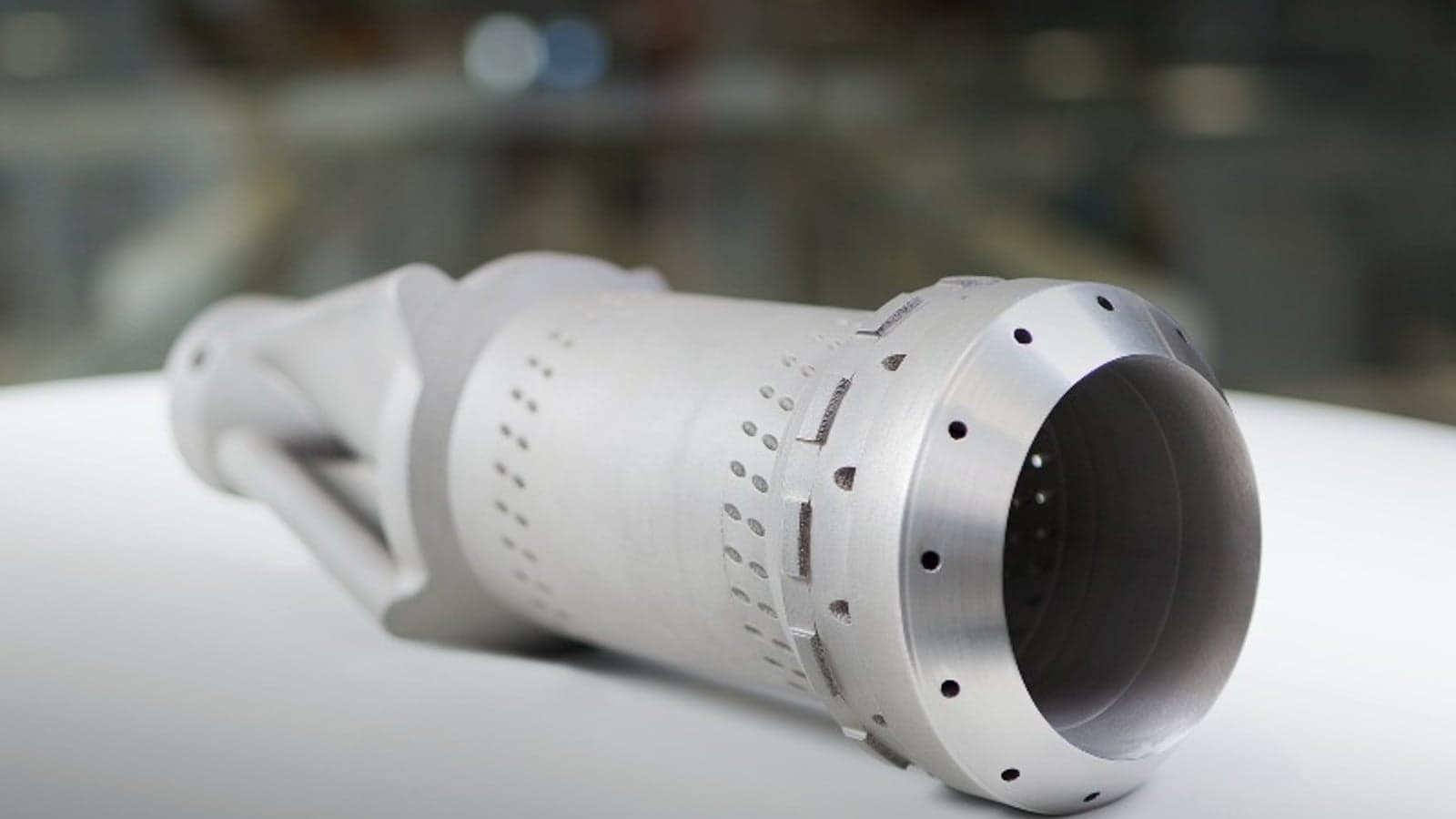
A team of researchers has shown that a new 3D-printed superalloy could help power plants generate more electricity while producing less carbon.
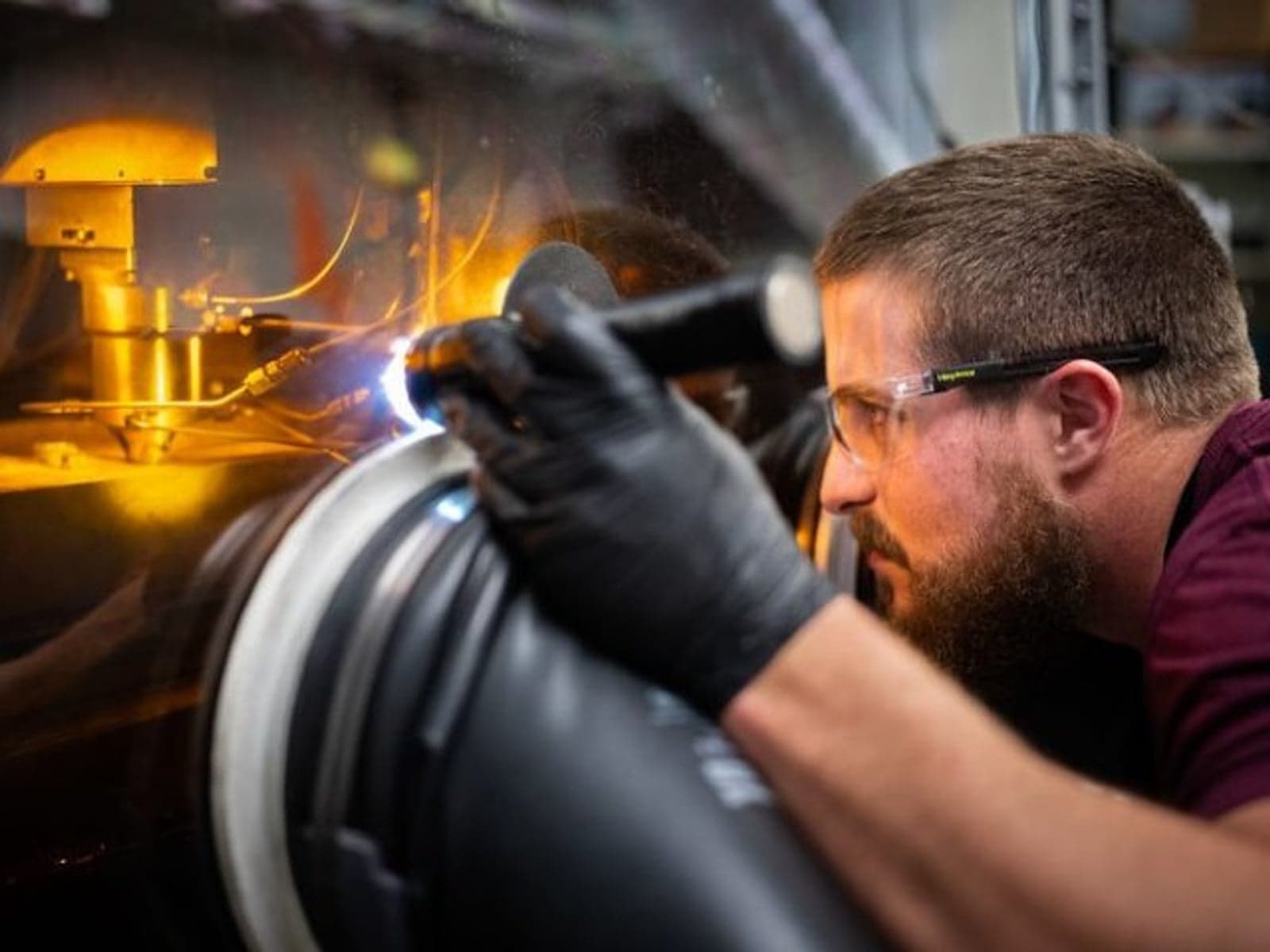
A team of researchers has shown that a new 3D-printed superalloy could help power plants generate more electricity while producing less carbon.
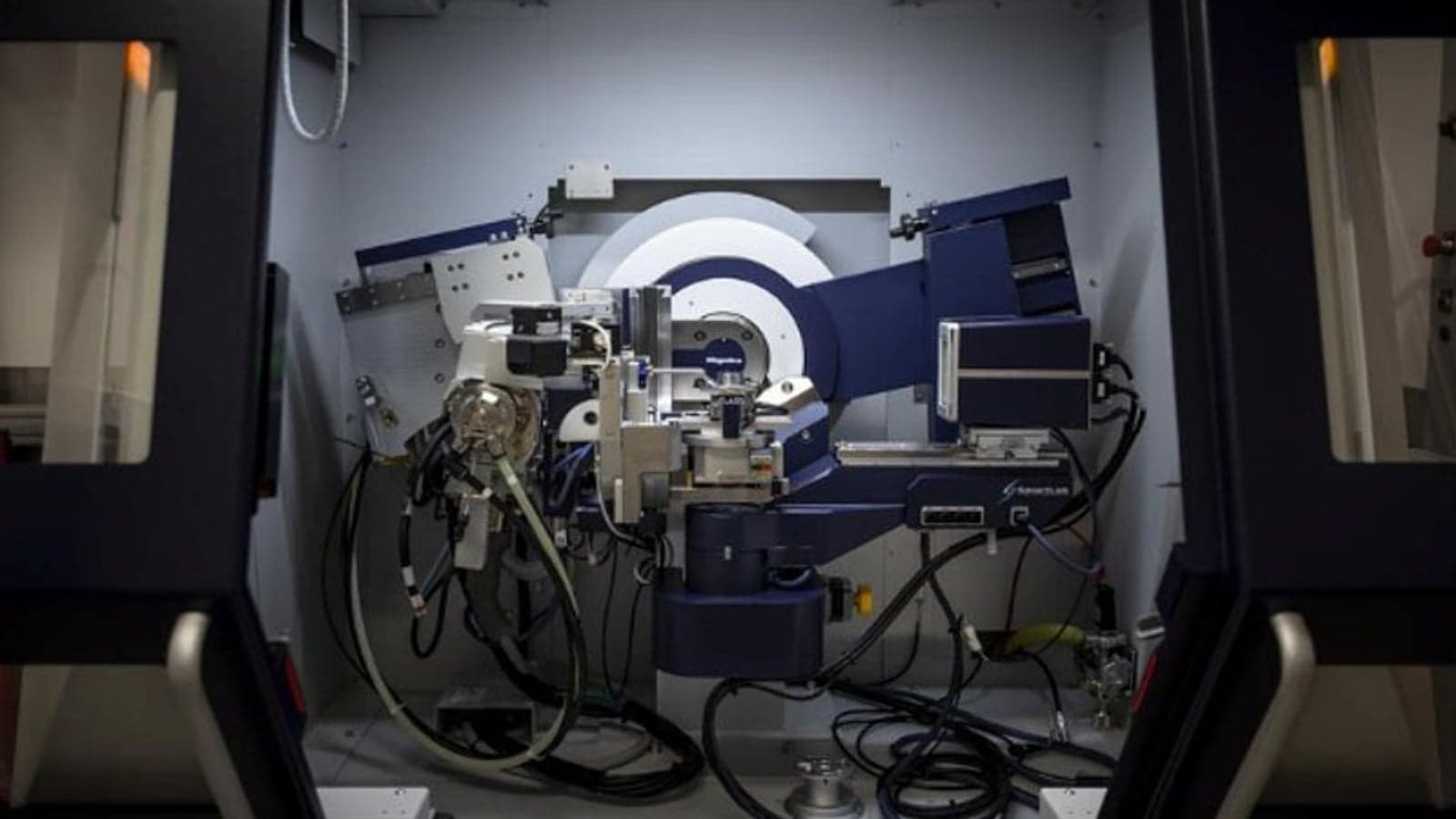
Researchers from Sandia National Laboratories, Ames National Laboratory, Iowa State University and Bruker Corp. used a 3D printer to create a high-performance metal alloy, or superalloy, with an unusual composition that makes it stronger and lighter than materials currently used in gas turbine machinery.
They said their findings could have broad impacts across the energy sector as well as the aerospace and automotive industries.
Have you read?
Self-assembling nanoparticles to harvest solar energy
Scientists discover how to make perovskites more eco-friendly
The material can access previously unobtainable combinations of high strength, low weight and high-temperature resiliency, said Sandia scientist Andrew Kustas. He said the achievement was due in part to the additive manufacturing approach taken by the team.
Power plant efficiency typically is limited by how hot metal turbine parts can get. If turbines can operate at higher temperatures, then more energy can be converted to electricity while reducing the amount of waste heat released to the environment.
Experiments showed that the new superalloy — 42% aluminum, 25% titanium, 13% niobium, 8% zirconium, 8% molybdenum and 4% tantalum — was stronger at 800 degrees Celsius (1,472 degrees Fahrenheit) than many other high-performance alloys, including those currently used in turbine parts, and still stronger when it was cooled to room temperature.
The green future for gas turbines
Energy is not the only industry that could benefit from the findings, the researchers said. For example, aerospace researchers seek out lightweight materials that stay strong in high heat. And work also is underway to explore how similar alloys could be used in the automotive industry.
The Department of Energy and Sandia’s Laboratory Directed Research and Development program funded the research.
Sandia team members also used a 3D printer to melt together powdered metals and then immediately print a sample of it. Their work represented a shift in alloy development because no single metal makes up more than half the material. By comparison, steel is about 98% iron combined with carbon, among other elements.
3D printing techniques allow multiple elements to be combined to make a potentially useful engineering alloy.
Challenges remain, however. For one, it could be difficult to produce the new superalloy in large volumes without microscopic cracks, which is a general challenge in additive manufacturing. The materials that go into the alloy also are expensive, which may leave them commercially non-viable.
Originally published by power-eng.com