New project spotlight: GRAVITEQA and EnergyGuard look to next gen AI energy solutions
Jonathan Spencer Jones
Posted on: 13 June 2025
The GRAVITEQA and EnergyGuard projects are aimed to develop AI based solutions for the energy sector and specifically the grids of the future.
The GRAVITEQA and EnergyGuard projects are aimed to develop AI based solutions for the energy sector and specifically the grids of the future.
GRAVITational storagE, Quantum computing, and AI (GRAVITEQA) for enhanced circularity and reliability in clean transition-affected sector-coupled electricity grids is planned to address the challenges of managing grid reliability and adapting old power plants in the context of meeting the EU’s 2030 climate goals, including a 55% reduction in emissions and half of electricity coming from renewable resources.
Specifically the GRAVITEQA project plans to address these challenges by combining gravitational storage, quantum computing and AI-driven analytics to harness their synergistic benefits.
The approach includes nine innovations, among them converting abandoned coal plants and mines into energy storage sites, optimising electric vehicle charging and green electrification at ports, enhancing grid flexibility and edge inference in smart grid applications.
Also of interest
New project spotlight: SAFErGrid and GridForLoads to advance new grid solutions
With these developments GRAVITEQA seeks to create a stable, eco-friendly energy system ready for the demands of tomorrow
GRAVITEQA launched on 1 January 2025 and runs to the end of December 2027 with 10 partners from three countries under the coordination of the National and Kapodistrian University of Athens.
EnergyGuard to disrupt
A second parallel project launched on 1 January 2025 under the coordination of the National and Kapodistrian University of Athens is EnergyGuard, which is aimed to develop, kickstart and sustain an open, green and robust testing experimentation facility operating under real-world conditions to empower innovators in bringing trustworthy AI products to the energy market in a cost-effective manner.
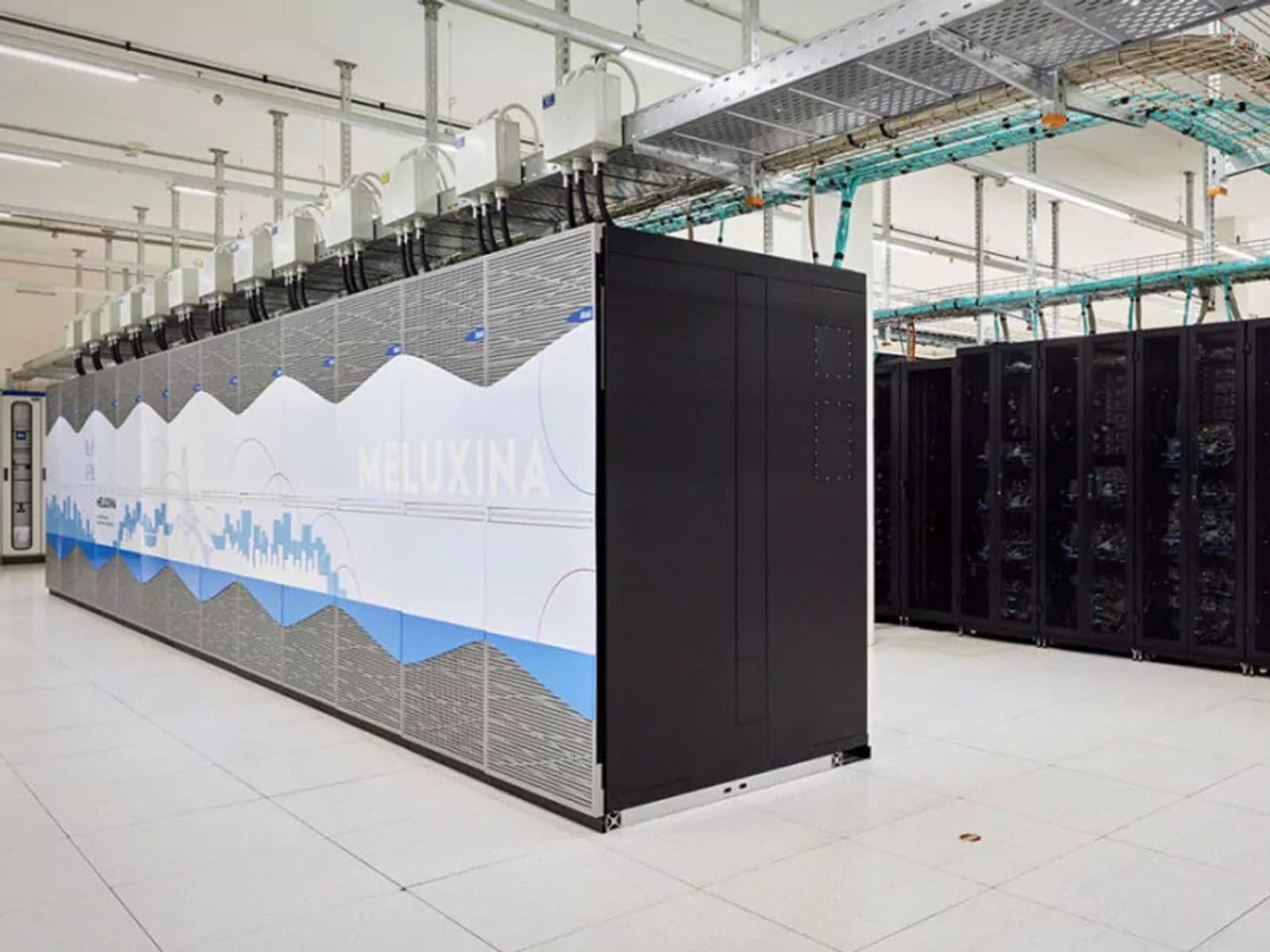
EnergyGuard will integrate five significant European large-scale testing and experimentation facilities that cover the full energy value chain, supported by European’s Meluxina high power computing infrastructure.
This includes a digital twin of the Portuguese transmission network, the CEDER-CIEMAT microgrid with its distributed energy resources, the hydrogen testing platforms at CEA LITEN, CARTIF, BER and CIEMAT, a high-fidelity local digital twin of Riga's multi-apartment residential buildings and the Antrodoco renewable energy community.
This includes a wide range of elements to cover diverse AI test needs, including wind power, PV systems, hydropower plant, hydrogen electrolysers, fuel cells, EV charging stations, electric and public buses and battery storage systems.
The facilities will be accessible to EnergyGuard end-users through a set of properly configured digital twins and curated assets, including data, models, inference APIs, services and applications through a AI development testing environment.
Moreover, EnergyGuard facilitates users to validate their products with an acceptance environment and a common open AI risks database for a wide range of cybersecurity and trustworthy AI assessments.
Related tags
Latest content
+4
Why Europe needs collaboration, not just ambition
Jaroslav Macek from Elevion Group shares why Europe’s energy transition needs orchestration, not just ambition and how collaboration, digitalisation, and investment in skills can drive a resilient, cost-effective energy future.
- Enlit Editorial Team
- 17/11/2025