Plagazi wins EU funding for waste-to-circular hydrogen project in Sweden
Pamela Largue
Posted on: 30 May 2025
Gävle Circular Park will annually produce 12|000 tonnes of circular hydrogen from 66|000 tonnes of non-recyclable waste.
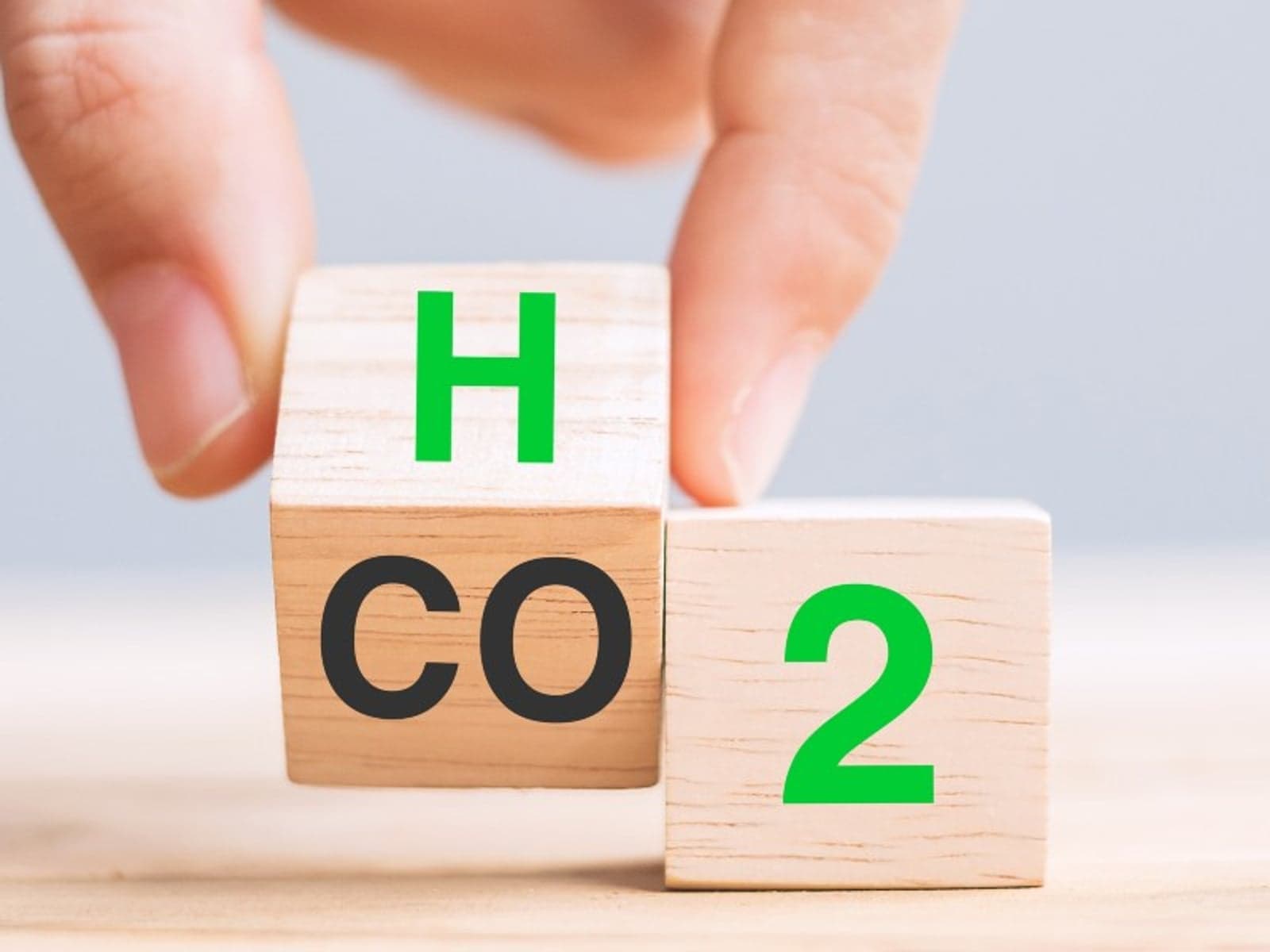
Swedish clean tech company Plagazi AB has been awarded a €29.5 million ($34 million) grant from the EU Innovation Fund for its Gävle Circular Park project.
Gävle Circular Park, located in the Gävle Municipality in Sweden, will annually produce 12,000 tonnes of circular hydrogen from 66,000 tonnes of non-recyclable waste and provide the municipality with 10MW of district heating.
Gävle Circular Park is expected to be one of the largest producers of circular hydrogen in Sweden, according to Plagazi, and is anticipated to begin operating in 2028.
Soran Shwan, CEO of Plagazi AB, commented on the award: “The grant signature is very rewarding following a very collaborative grant preparation process with the European Climate Agency [CINEA]. This non-dilutive funding agreement will be a great asset to attract private funding now.”
Have you read?
The world needs green molecules: meet the people driving clean hydrogen innovation
Scottish government awards $4.5m to eleven hydrogen projects
Added Shwan: “We are proud that the EU has now put us on the map among other low-carbon hydrogen projects in Europe and that there is growing recognition that technology openness is the right approach to promote a strong climate tech sector in Europe”.
Plagazi's business model is to design, develop and construct plasma gasification plants. They employ a patented process and InEnTec-supplied plasma gasification technology to turn non-recyclable waste into circular hydrogen and captured, liquid CO2.
This can be used to decarbonise both industry and transport sectors.
The project was chosen as one of 85 projects to receive EU funding among 337 applications.
Related tags
Latest content
+4
Once upon a time there was gas… and tomorrow?
Solar Turbines has been invested for decades in the current generation of gas turbines and digital solutions that are not only ready now for the fuels of the future, such as hydrogen, biogas, biofuel, synthetic gas, but also developed as the key component of the Smart CHP concept.
- Smart Energy International
- 23/02/2022