Platforms and digital twins trending in energy sector
Guest/partner contributor
Posted on: 30 December 2024
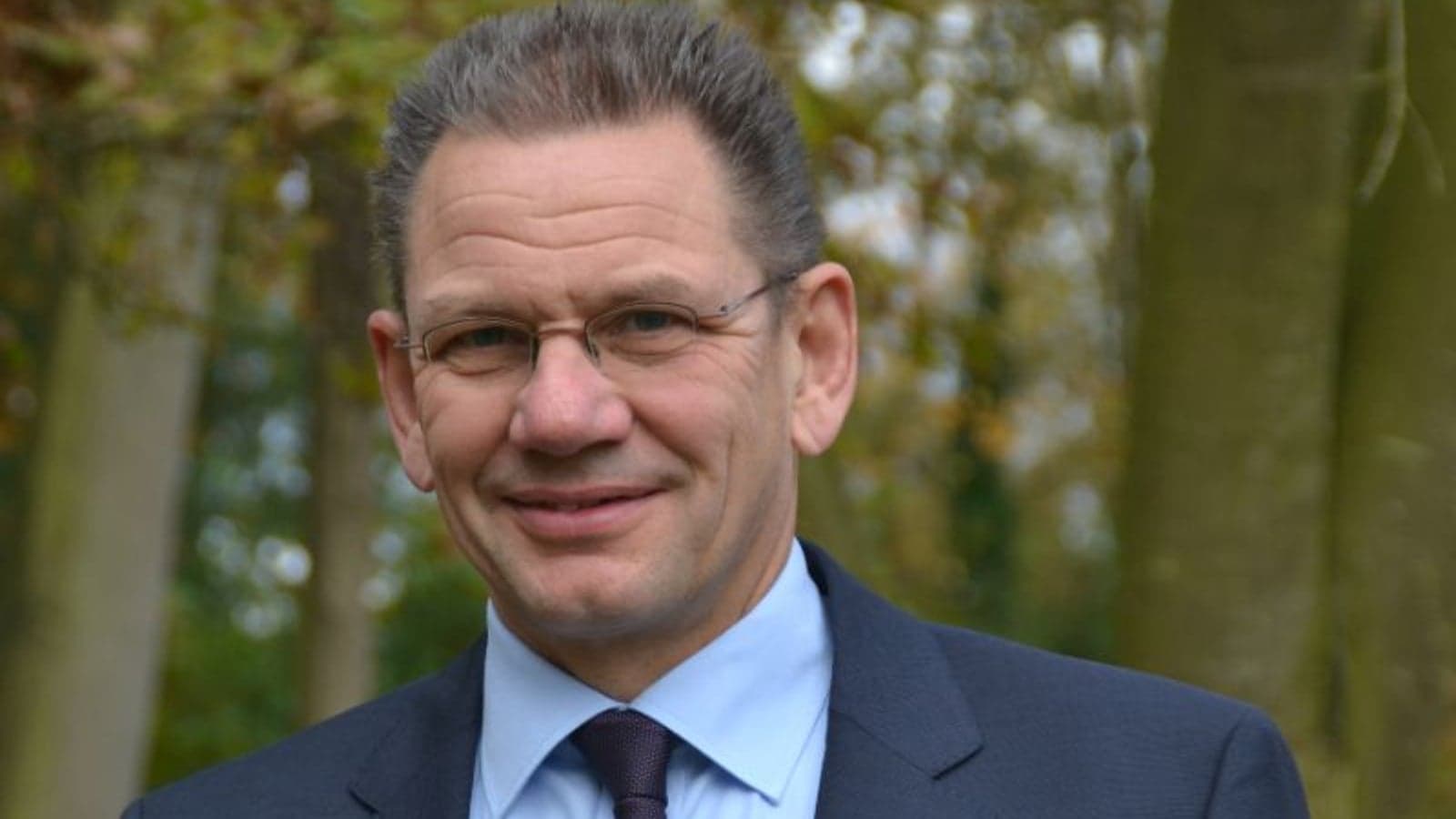
Platforms have been around for years but they have been siloed by application in the energy sector and are now evolving, says technology evangelist Kevin O’Donovan.
Platforms have been around for years but they have been siloed by application in the energy sector and are now evolving, says technology evangelist Kevin O’Donovan.
Speaking in an interview at Enlit Europe 2024, O’Donovan highlighted Siemens’ Xcelerator, Schneider Electric’s Ecostruxure, Aveva’s Connect, Bentley Systems’ iTwin, and, and, and … as emerging examples of the “common infrastructure under the covers” – or “plumbing” as he also termed it – that is bringing interoperability to the multiple siloed applications.
“All the data goes into one place and we can drop on whatever applications we need,” he said.
“It’s the only way we’re going to get that interoperability, so platforms are a thing in the energy sector.”
More from Enlit Europe:
The next steps in the evolution of Europe’s distribution grid
Energy Transitions podcast: ABB’s Adrian Guggisberg on how to digitalise the grid of the future
Recalling his use of a digital twin of a gallium arsenide chip as far back as 1989, O’Donovan said that digital twins also are evolving with different digital twins being used for different applications and he expects a “maturity” in the years ahead.
“It’s not that my digital twin is better than yours but are you adding real time data from IoT, are you able to do some predictive maintenance, can you simulate all the way up to what if?”
Similarly with AI, the question is what kind is it – machine learning, neural networks, large language models?
“For consumer [generative AI] applications it’s about language but in the grid one is talking about real time sensor data … many of the companies are after those challenges and its there we start to see the mundane tasks of managing the grid.”
But ultimately it all comes down to the data, O’Donovan concludes.
“You have to have good, trustable data and if you are collecting data and it’s not very good, then best of luck with your digital twin or training your large language model.”
And, he adds, keep an eye out for how generative AI can be used to clean up your data in real-time or throw it at your data lake – and that’s going to be a game-changer.
Watch the rest of the interview for insights on how digital twins and AI are supporting the energy sector as it strives towards net zero.