Home
/
F6S Cluster: Intelligent buildings, flexibility and the future of Europe’s energy system
F6S Cluster: Intelligent buildings, flexibility and the future of Europe’s energy system
Areti Ntaradimou
Posted on: 13 May 2026
In this episode of the EU Energy Projects Podcast, I was joined by Duncan Gibb and Mojtaba Kamarlouei from the F6S Cluster to discuss intelligent grid-forming buildings, interoperability, flexibility markets and the increasingly important role data is playing in Europe’s energy transition.
What made this conversation particularly interesting was that it moved beyond abstract discussions around digitalisation and AI and focused instead on what these concepts actually look like in practice. And the reality is far more tangible than many people may think.
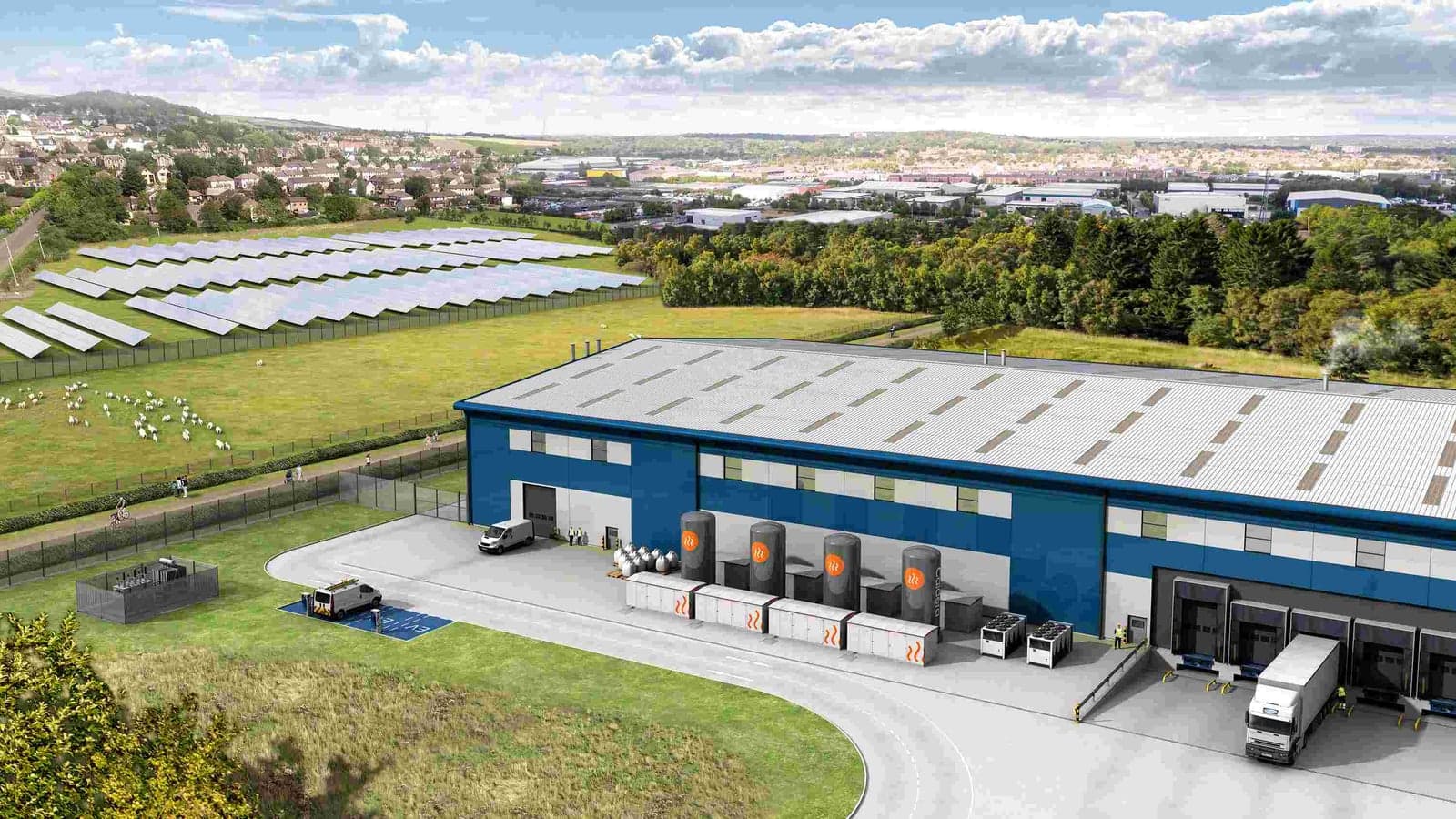
At the centre of the discussion was the WeForming project and the idea that buildings should no longer be viewed merely as passive energy consumers. Instead, they can become active participants in the energy system; flexible, responsive and capable of interacting directly with the grid.
One example shared during the episode described a shopping mall in Portugal storing cooling energy overnight, when electricity tariffs are low, and then using that stored energy during the hottest hours of the following day. The result is not only lower pressure on the grid during peak demand, but also potential financial returns for the building operator through flexibility markets.
It sounds futuristic, but according to the guests, much of the technology already exists today. The bigger challenge appears to be elsewhere.
Throughout the conversation, interoperability repeatedly emerged as one of the sector’s most persistent bottlenecks. Buildings rely on hundreds of devices, systems and providers, many of which still struggle to “speak the same language”. Without common standards, harmonised communication and clearer frameworks around data exchange, scaling these solutions across Europe becomes significantly more difficult.
Regulation also remains a work in progress. While European frameworks increasingly recognise flexibility, electrification and digitalisation as priorities, implementation across member states remains uneven. Questions around data ownership, smart meter rollout, public trust and active participation in flexibility markets are still far from fully resolved.
What I appreciated most about this discussion was that it did not oversimplify the transition. Both guests acknowledged that the technology alone is not enough. Adoption, trust, regulation and communication matter just as much.
Because ultimately, Europe’s energy transition is not only about producing cleaner energy. It is also about building systems intelligent enough to use that energy differently.