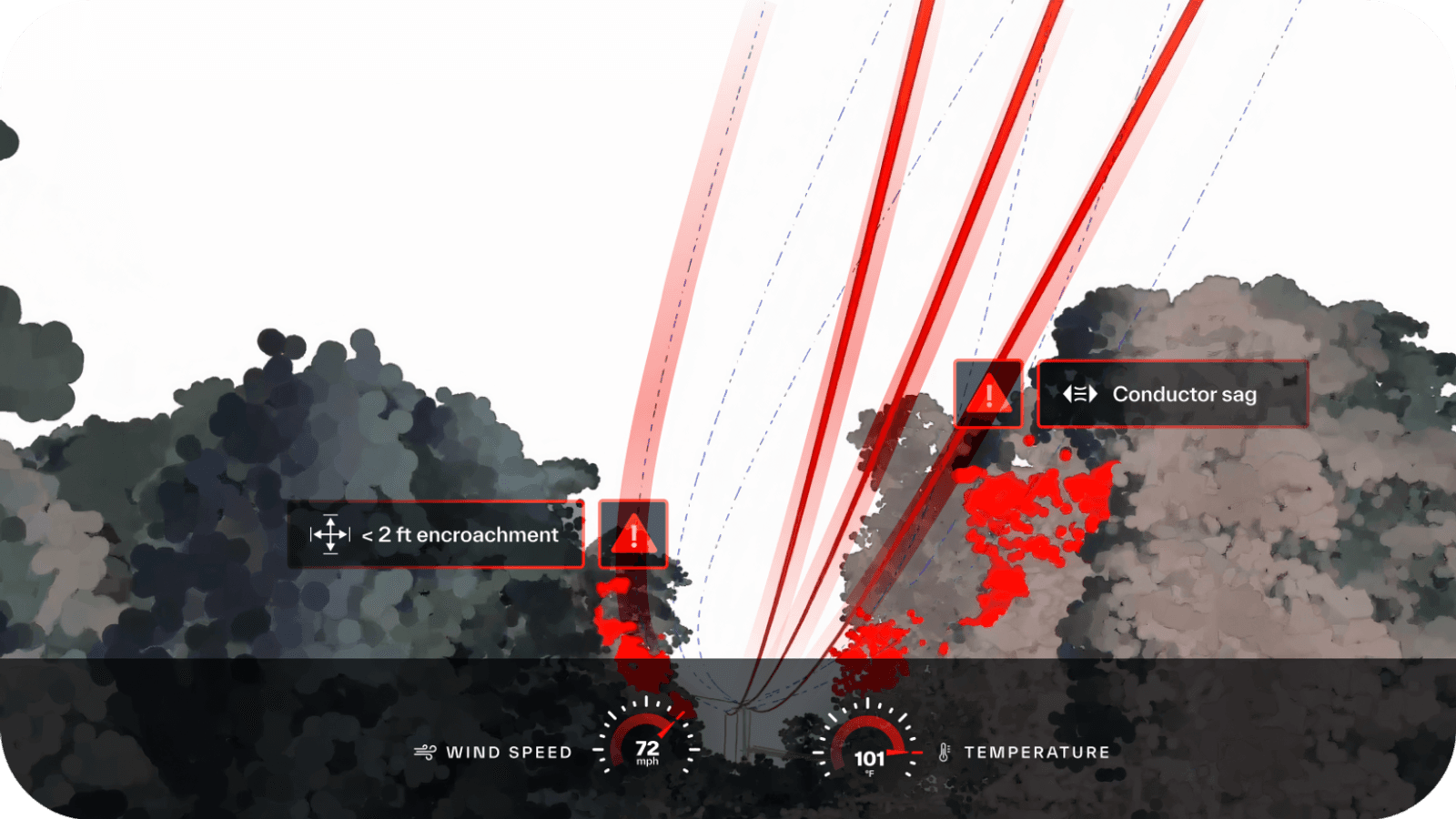
Partner content
Power sector: A field-first roadmap for cost-effective digitalisation
Guest/partner contributor
Posted on: 14 November 2025
Europe’s power sector faces a trillion euro question: can it modernise at a rapid pace to meet the EU’s ambitious climate strategies?
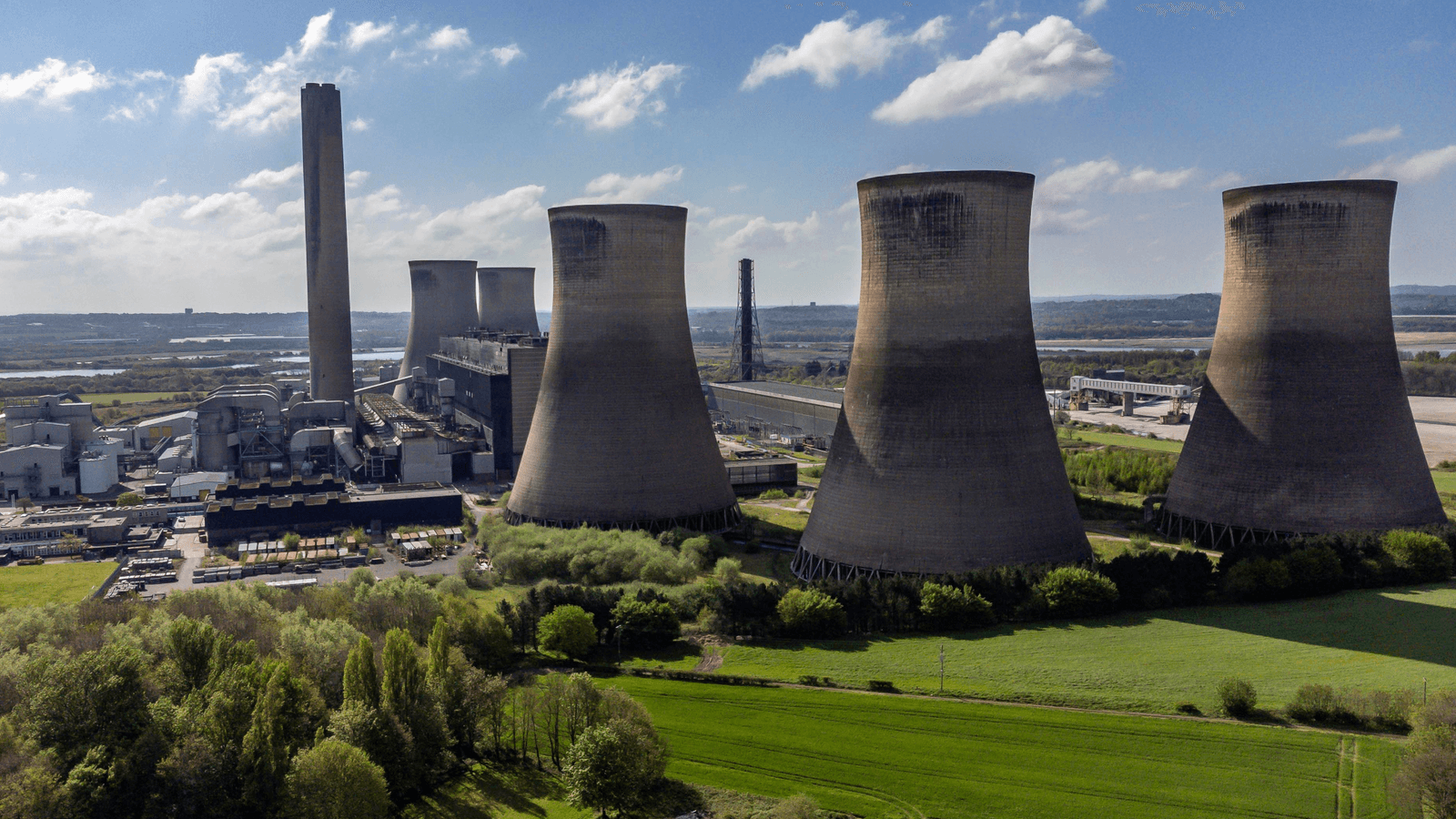
Goldman Sachs believes that the total investment needs could reach a whopping €3 trillion in the next decade. And, as the Bruegel Foundation aptly notes, the challenge is not just about money.
While the EU notes that interoperability, digitalisation and smarter infrastructure management are key to the transformation of its energy system, a recent Hexagon survey finds that two thirds of power executives say their company still relies on paper in their operations. Most also report heavy impact from legacy software and nearly eight in ten cite severe strain from poor data integration.
Addressing these challenges at once requires a pragmatic, field-first approach to phase out practices that have proven resistant to change. Procedures still live in binders or PDFs, records sit in legacy CMMS and ERP modules and real-time events remain trapped in SCADA historians that do not sync with GIS or work management.
In this article, we outline a three-step roadmap that works with the sector’s current realities, its technology challenges, its workforce shortages and its strained investment capabilities.
Start in the field
Digitalisation initiatives live and die in the field, which means that they should start there – particularly where routine inefficiencies compound.
Pockets of inefficiencies will often be found when workers store frequent and useful information on paper and spreadsheets, and cannot log or access information at the point of need.
A practical first move is a structured operations logbook that mirrors how crews actually work, with the same content surfaced on mobile so notes, photos and sign-offs land in one place. The experience of Calpine, which operates 83 power plants is a good example: one j5 operations logbook with shift handover and standing orders replaced disparate logbooks and email trails, automated transfers between crews and improved corporate reporting without extra forms.
Pairing j5 with AcceleratorKMS® keeps procedures current, records acknowledgment and ensures field adherence to procedures – in short, it guarantees that the field operations’ map matches the territory.
Build a single true operational record
The map itself needs to go beyond static models that reality gradually drifts away from and becomes a living backbone that reflects both engineering and operations.
For this purpose, power plants, DSOs and TSOs alike are increasingly opting for digital twins. A platform like HxGN SDx® creates a single source of truth that remains accurate over time and reflects any change, whether in design or in the field.
Whether it’s used by field teams, plant managers or at the corporate level, this single validated operational record provides the context needed for effective real-time decision making.
Use AI and APM to boost performance
With a clean data foundation, operators can adopt AI where it directly enhances productivity. Asset Performance Management (APM) is one proven example. By tying condition data, inspection records and maintenance history to the digital twin, APM ranks equipment by failure risk and impact, allowing maintenance to shift from scheduled rounds to targeted interventions.
These models can leverage asset twins and libraries of failure modes and drivers to formulate recommended actions and give objective risk score per asset. The result is better prioritisation, fewer forced outages and greater safety – all achieved without increasing headcount.
Conclusion: Compliance and trust as built-in outcomes
Having a single source of truth also pays off in regulation and public reporting. With logs, switching steps and maintenance reports captured consistently, operators can show what was done, when and by whom, which answers auditors’ core questions and cuts rework.
It also represents a cost-effective way to address the pressures facing operators. With the upcoming rise in investment needs, budgets will be tight. The steps above start with gradual changes that cut manual work and improve handoffs, then move toward live models and proven AI uses that fit current staffing and make new hires more productive sooner. In short, it helps make the EU’s power sector smarter without breaking the bank.
About the author
Jorge Herrera is a Senior Industry Consultant at Hexagon ALI, based in Munich, Germany, with extensive expertise in the engineering and construction of process plants and in driving digital transformation within the process industry. His work focuses on helping engineering and construction companies achieve critical goals such as enhancing project efficiency, ensuring compliance with industry standards, and adopting innovative technologies to streamline operations and improve collaboration across global projects.
About the company
Hexagon’s Asset Lifecycle Intelligence division helps clients design, construct and operate more profitable, safe and sustainable industrial facilities. We empower customers to unlock data, accelerate industrial project modernisation and digital maturity, increase productivity and move the sustainability needle.
Hexagon (Nasdaq Stockholm: HEXA B) has approximately 24,800 employees in 50 countries and net sales of approximately €5.4 billion. Learn more at hexagon.com.