Powering the future: How grid simulation models are driving the energy transition
Guest/partner contributor
Posted on: 6 February 2026
The AGISTIN project is developing advanced grid interfaces that seamlessly integrate renewable generation, storage technologies and industrial loads.
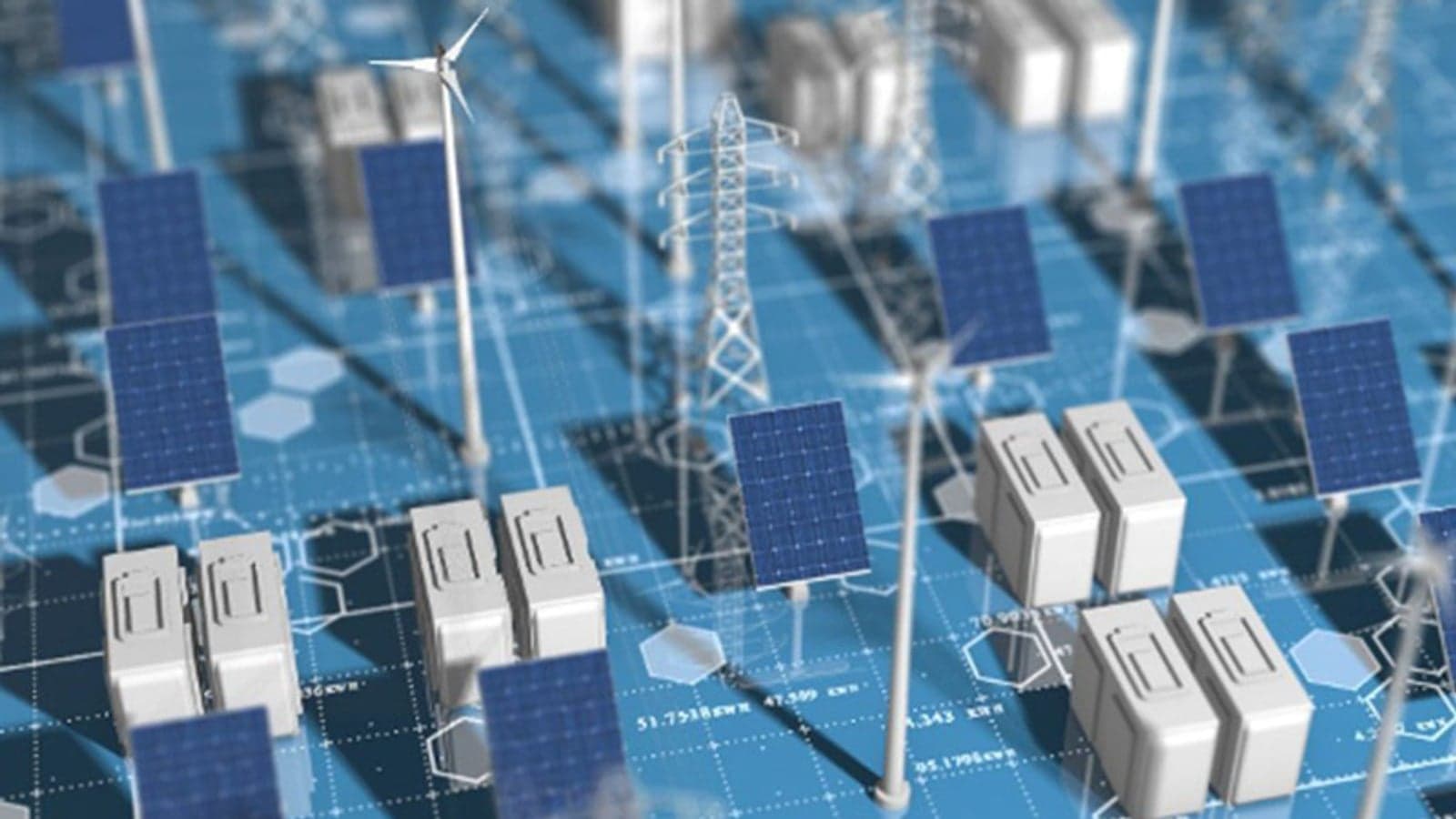
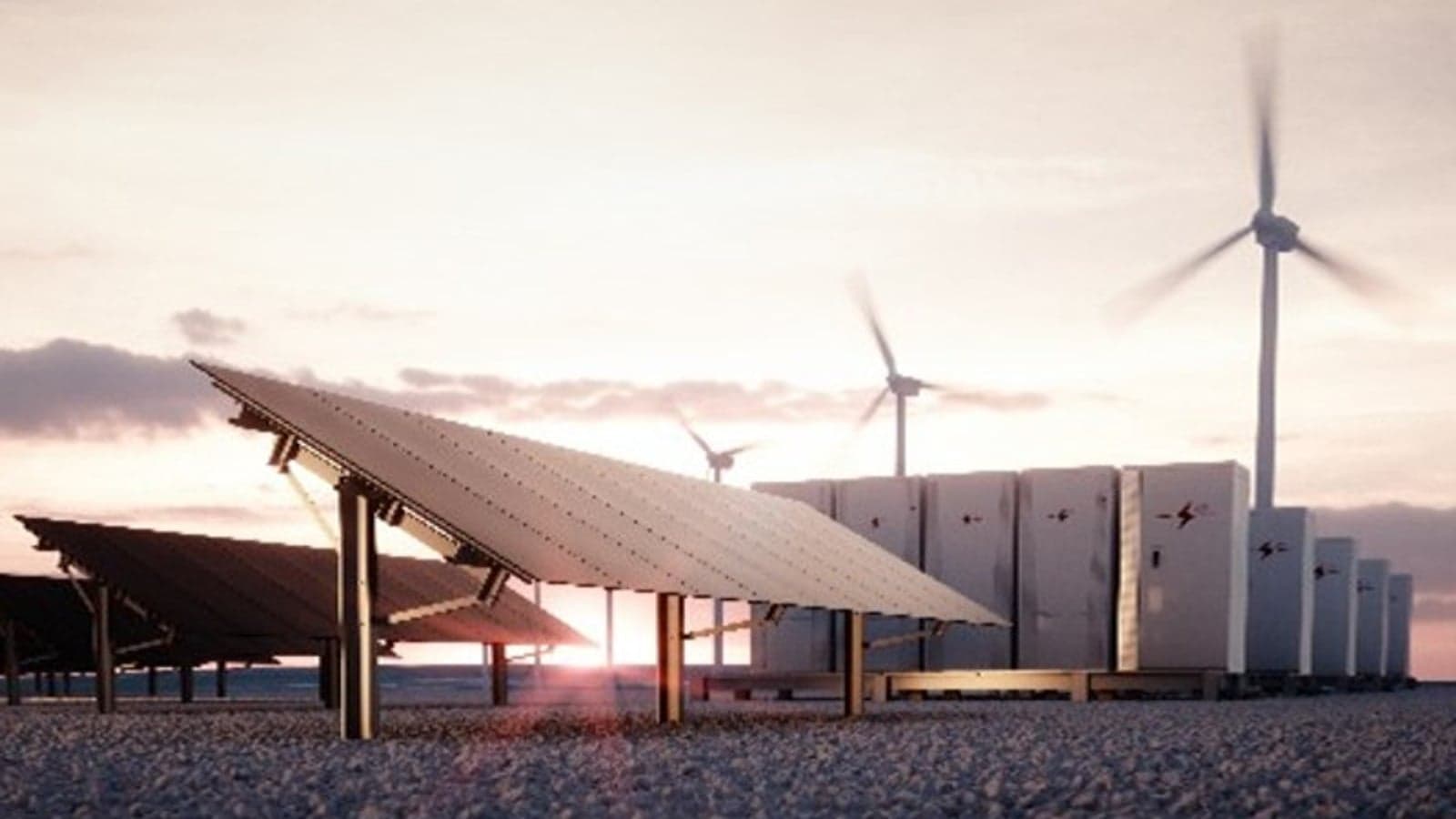
The way we produce, store and consume energy is evolving faster than ever. As renewable sources like solar and wind become central to our power systems, the challenge has shifted from simply generating clean electricity to integrating these resources into a grid that wasn’t originally designed for them.
This is where open source simulation models bring unique value. Beyond their technical capabilities in designing smarter, more resilient energy systems, their open nature allows for transparency, reproducibility and collaboration across stakeholders.
These models don’t just help engineers design smarter, more resilient energy systems; they also promote transparency, reproducibility and shared progress across the sector. By embracing the FAIR principles (Findable, Accessible, Interoperable, Reusable), they enable stakeholders to build on each other’s work, validate results and accelerate the transition to a cleaner, more connected energy future.
Why we need advanced grid interfaces
Traditional electricity grids were built around large, centralised power plants. Today, the picture is very different. Energy flows from thousands of distributed sources: solar panels on rooftops, wind farms in remote areas and even batteries. But also new loads are connected to the grid and the consumption of electricity will rise.
Renewable resources are intermittent and variable, which means the grid needs to be more flexible and responsive than ever before.
The AGISTIN project, funded by the European Union’s Horizon Europe program, is tackling this challenge head-on. Think of advanced grid interfaces as the 'smart connectors' that allow different technologies such as solar panels, batteries and electrolysers to work together efficiently.
Open source simulation models
Before building these advanced systems in the real world, engineers need to understand how they will behave under different conditions. AGISTIN has created a suite of open source simulation models that replicate the behaviour of key components in an energy system, such as:
- Electrolysers for hydrogen production;
- Supercapacitors for fast active power response;
- Lithium-ion batteries for energy storage;
- Hydro pumps for large-scale storage;
- Grid following inverters for conventional power electronic interfaced sources and loads;
- Grid forming inverters for stability (sources and loads).
These models are dynamic, meaning they can simulate how systems respond to changes in demand, generation and grid conditions in real time. Standard components like PV or load are also available.
Scenario simulation
Each model is designed to be flexible. For example, the electrolyser model can be adjusted for different sizes and operating conditions, allowing engineers to test scenarios from small-scale hydrogen production to large industrial plants. Similarly, battery models account for factors like state of charge and temperature, which influence performance and lifespan.
Such aspects become more relevant for the operator as the share of renewables rises and every unit is expected to contribute to the overall health of the system. Advanced grid interfaces combine the different features of the individual units and are able to provide grid services without affecting units which have limits like active power restrictions.
If there is a frequency event, the battery in an electrolyser advanced grid interface can provide the active power response and works as the 'shock absorber' that allows for a fast and strong reaction of the advanced grid interface while allowing a smooth transition between operating points of the electrolyser.
Real-world applications
One of the most exciting aspects of AGISTIN is its focus on practical use cases. For example, the project has modeled an AC-coupled system for hydrogen production in a real facility operated by Shell. This system uses batteries to provide inertia and stabilise the grid during frequency changes, a critical function as more renewables come online. The grid-forming battery also enables the connection of a comparatively large electrolyser to weak grid connection points, which could not be used before.
Another example is a DC-coupled system that connects solar panels, supercapacitors and storage directly on the DC side, reducing conversion losses and improving efficiency. These configurations show how different technologies can be combined to create robust, future-ready energy systems.
Benefits for operators
These models aim to be the hidden engine behind the clean energy transition. This allows engineers to test and fine-tune complex systems before a single piece of equipment is installed, saving money, improving reliability and speeding up the rollout of sustainable technologies.
Ultimately, this means:
- Higher integration of different sources and loads due to offered system services;
- Lower energy bills through more efficient systems;
- Greater resilience against faults and extreme weather;
- Faster decarbonisation, helping to meet climate goals.
As we move toward a world powered by clean energy, tools like these are essential. They don’t just help engineers design better systems, they help all of us build a sustainable future.
About the author
Nils Wiese has been a Research Associate at Fraunhofer IEE since 2022, working in the Grid Control and Grid Dynamics group. He has also been part of the Energy Management Department at the University of Kassel since 2020. His research focuses on the development of reliable and resilient future energy systems.
Latest content
+3
The EU Energy Projects Podcast: How AGISTIN is accelerating industrial decarbonisation through smarter integration
As industrial systems become increasingly complex, integrating renewables, storage and flexible demand remains a challenge. This is where the EU-funded AGISTIN project comes in.
- Areti Ntaradimou
- 25/03/2026
+9
From grid to green: How project AGISTIN is transforming industrial energy use
The AGISTIN (Advanced Grid Interfaces for innovative STorage Integration) project is supporting industrial energy users to rapidly deploy renewable energy coupled with on-site energy storage.
- Guest/partner contributor
- 20/03/2025