Home
/
The EU Energy Projects Podcast: How AGISTIN is accelerating industrial decarbonisation through smarter integration
The EU Energy Projects Podcast: How AGISTIN is accelerating industrial decarbonisation through smarter integration
Areti Ntaradimou
Posted on: 25 March 2026
As industrial systems become increasingly complex, integrating renewables, storage and flexible demand remains a challenge. This is where the EU-funded AGISTIN project comes in.
The decarbonisation of industry is no longer a distant objective; it is a central pillar of Europe’s energy transition.
In this episode of the EU Energy Projects Podcast, Gianluca Lippari and Daniel Pombo offer a closer look at how AGISTIN is working to accelerate industrial decarbonisation by focusing on one key element: integration.
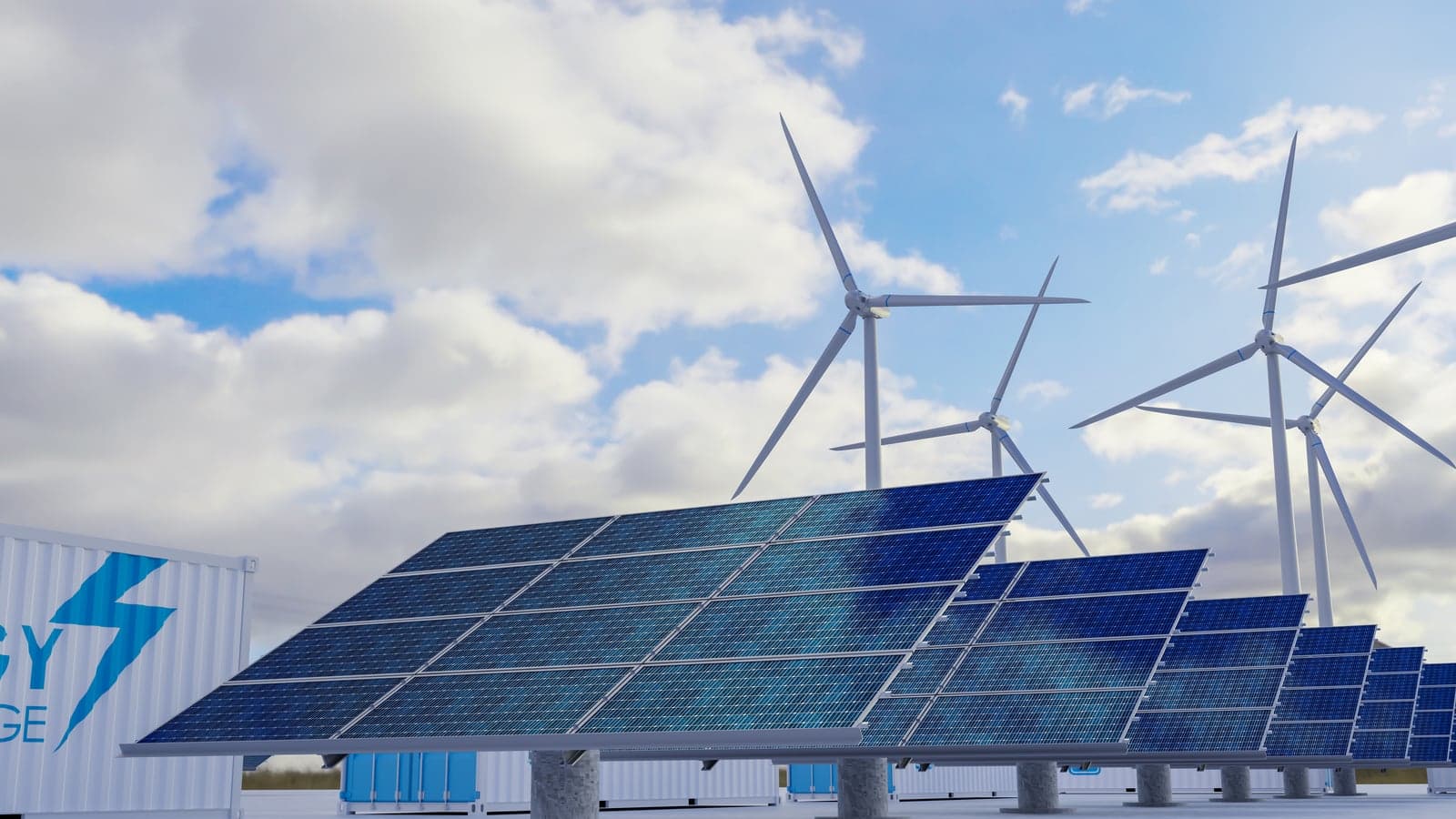
At its core, the project explores how energy storage can be seamlessly embedded into industrial processes, alongside local renewable generation such as solar PV. The aim is not only to store energy, but to optimise how it is produced, managed and consumed on-site, whether for green hydrogen production, electric vehicle charging, or even irrigation systems.
What makes this approach particularly relevant today is the shift towards hybrid industrial energy systems. These environments bring together multiple assets - generation, storage and complex industrial loads - which must operate in coordination. AGISTIN addresses this through advanced grid interfaces and DC coupling, enabling these different components to interact more efficiently and with fewer energy losses.
Equally important is the role of control. Moving beyond traditional rule-based systems, the project applies advanced optimisation algorithms that can dynamically determine the most efficient way to operate these assets, both in real time and in anticipation of future conditions.
A notable aspect of AGISTIN is its commitment to openness. By developing and sharing open-source models, the project contributes to a wider ecosystem of innovation, allowing others to build on its findings while ensuring transparency and validation. An approach that reflects the broader responsibility of publicly funded research.
Ultimately, the project’s ambition is clear: to reduce the complexity of integrating renewables and storage into industrial systems, while increasing flexibility. And in a context where grid congestion and electrification delays are becoming more visible across Europe, that flexibility could prove critical.
LISTEN NOW
Listen to previous episodes:
EU Energy Projects Podcast: How TRINEFLEX is advancing process industry decarbonisation
EU Energy Projects Podcast: How ETIP SNET is supporting the energy transition
More from project Agistin:
Smarter tools for integrating storage and renewables across Europe
Powering the future: How grid simulation models are driving the energy transition
Related tags
Latest content
+9
From grid to green: How project AGISTIN is transforming industrial energy use
The AGISTIN (Advanced Grid Interfaces for innovative STorage Integration) project is supporting industrial energy users to rapidly deploy renewable energy coupled with on-site energy storage.
- Guest/partner contributor
- 20/03/2025