Rheinmetall secures partners for European military Giga PtX e-fuel network
Pamela Largue
Posted on: 4 November 2025
Rheinmetall intends to build plants that can produce up to 7,000 tonnes of synthetic fuel per facility per year, boosting resilience for Europe's armed forces.
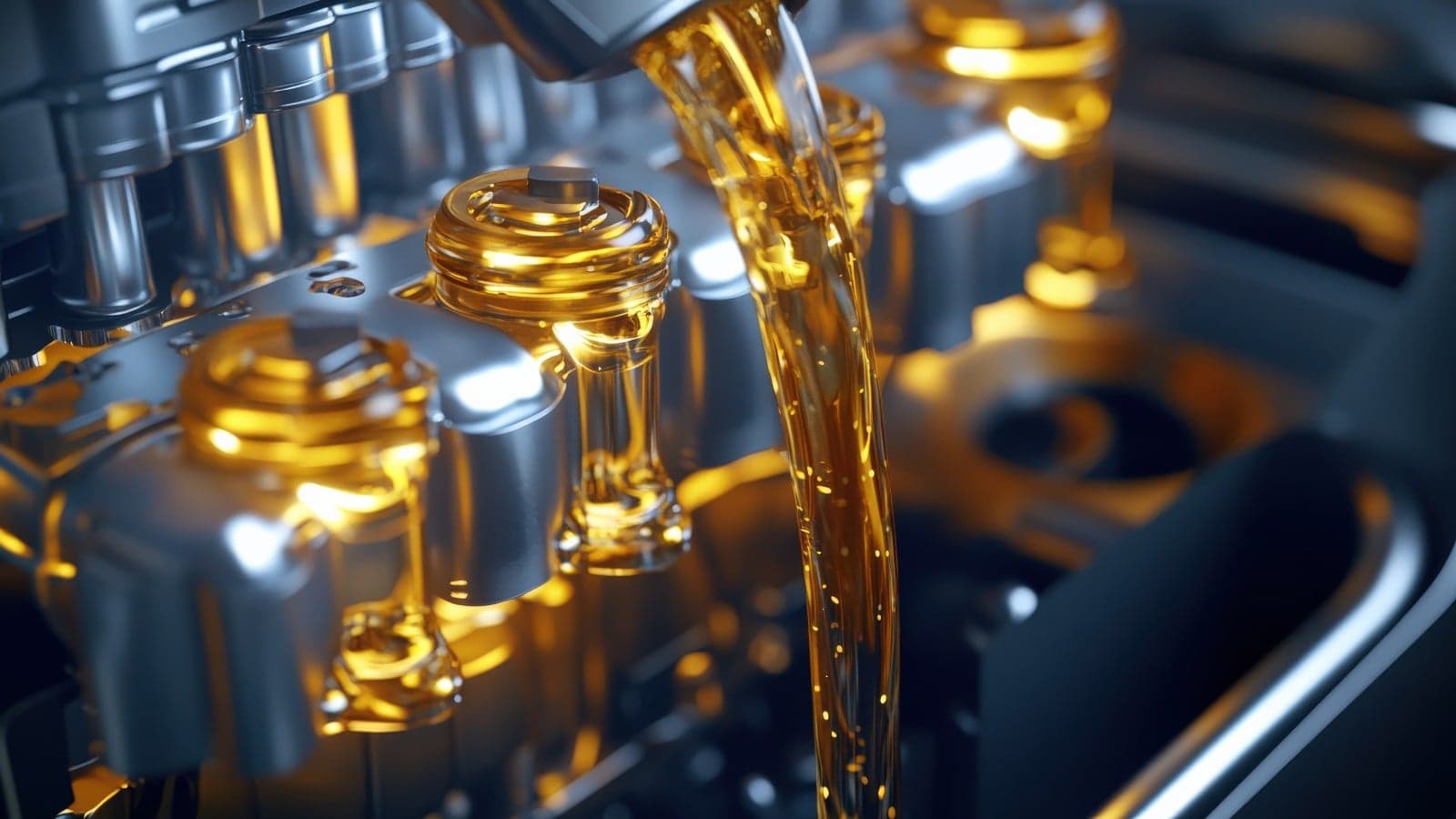
Defence industry systems provider Rheinmetall has advanced its Giga PtX concept to establish a Europe-wide network of decentralised, modular e-fuel production plants.
The mission, states Rheinmetall in a release, is to ensure that Europe's armed forces can produce their own fuel independent of global fossil fuel supply chains and to this end, several consortium partners have been confirmed.
Rheinmetall will design, construct, maintain and operate the system.
The system will be able to produce hydrogen thanks to a pressurised alkaline electrolyser provided by Sunfire.
Due to the fact that carbon dioxide is required to produce synthetic fuels, Greenlyte, a new energy firm headquartered in North Rhine-Westphalia, will be supplying its modular technology to capture carbon and produce green raw materials.
Finally, INERATEC will also be a part of the project consortium, responsible for the Reverse Water Gas Shift (RWGS) and Fischer-Tropsch processes at the plants. These processes convert hydrogen and carbon dioxide into synthetic fuels.
The plants will be capable of producing 5,000 to 7,000 tonnes of diesel, marine diesel, or kerosene per facility per year, ensuring military forces can maintain operational readiness and maximum resilience.
Have you read?
Hydrogen delivers power and heat at commercial airport in UK first
Dublin Airport secures €288m to decarbonise operations
Birgit Görtler, Vice President Sales Hydrogen at Rheinmetall, commented on the project: “We have exactly the partners we need. We are prepared and can start immediately. We are literally ready to go in order to strengthen fuel resilience in Germany and Europe in the long term.”
Armin Papperger, CEO of Rheinmetall AG, added that resilient energy infrastructure is critical to ensure readiness in war situations, as well as climate resilience at all times.
Papperger added: “Maintaining fossil fuel supply chains will be challenging for European countries in the event of a defence situation. With the Giga PtX facilities, Rheinmetall and its partners are sending a strong signal of industrial transformation, climate protection and security resilience in Europe,” said.
The first facilities can be built at short notice, says Rheinmetall. However, while the partners are ready to get started, the political and regulatory framework conditions have yet to be fully established.
The announcement from Rheinmetall concerning the progress of this concept is announced as energy security and national security agendas become increasingly linked across Europe. After Russia weaponised gas supplies, Europe has been focused on diversifying energy supply, as well as securing resilience of critical energy infrastructure.
At the launch of DNV’s Energy Transitions Outlook 2025, Chair of the International Military Council on Climate and Security (IMCCS), General Tom Middendor, pointed to the fact that energy, economics, climate and security have become inseparable and strategic security topics.
“Energy transition has become an arena of competition,” marked by persistent uncertainty and volatility,” said Middendor.
“This is why the sector needs to adapt faster and get ahead of that game. Resilience is the new strategy and energy independence is a new defence line for us.”