Robotics company validates tech to automate solar plant construction
Power Engineering International
Posted on: 15 March 2023
A US robotics company aiming to streamline solar power plant construction has achieved the final validation of the technology in the field.
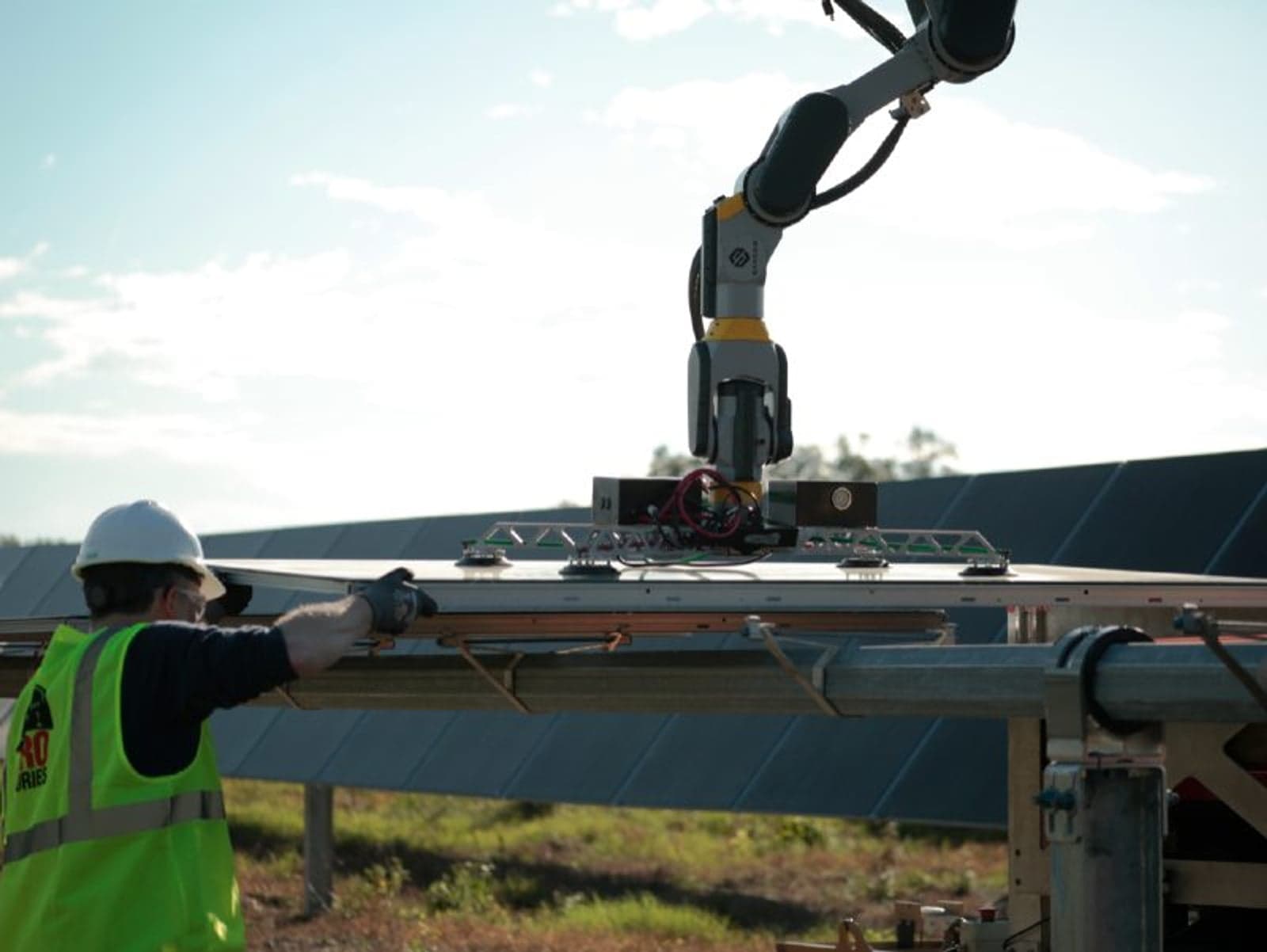
A US robotics company aiming to streamline solar power plant construction using autonomous machines said it achieved the final validation of the technology in the field.
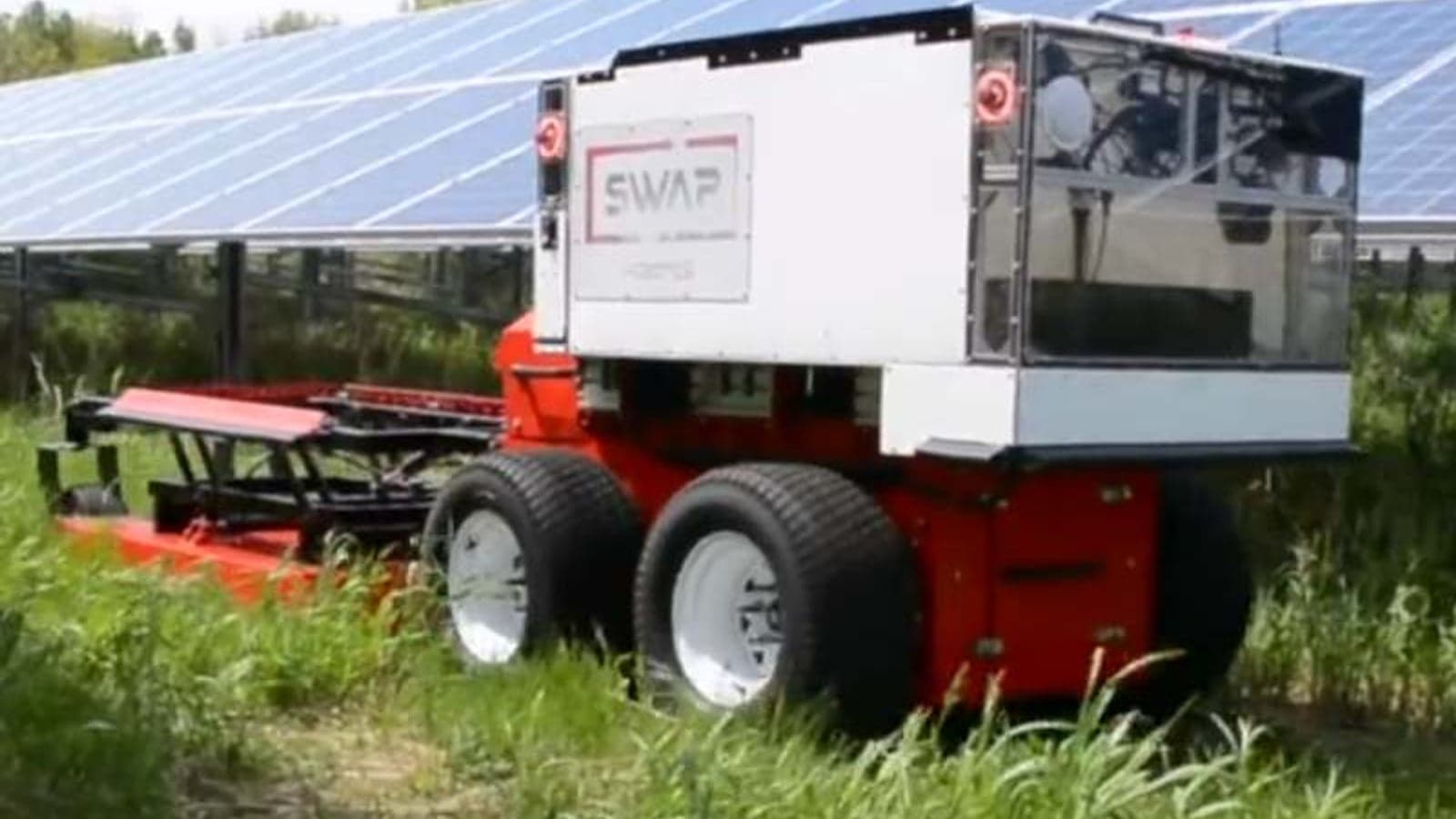
Sarcos Technology and Robotics Corp. received $1.9 million from the Department of Energy to develop the robotics system, which delivers, detects, lifts and places photovoltaic modules in the field.
The company is attempting to reduce a project's so-called soft costs, like labor, to allow crews to build projects faster or increase a project's size using the same crew. Benefits of automated plant construction could also include fewer injuries and improved project timelines, it said.
Have you read?
First microgrid with rooftop wind installed at Liverpool naval base
Tractebel and partners launch offshore floating solar technology
Jorgen Pedersen, Sarcos' chief operating officer, told Renewable Energy World that productivity gained by incorporating the technology into solar power plant construction will vary depending on the specific EPC and project location. He said cost savings will also vary, but "are expected to be significant."
Sarcos said it intends to conduct further field testing this year to validate its preliminary cost-saving analysis.
Sarcos collaborated with Mortenson, a developer and EPC, as well as tracker supplier Array Technologies, robotics firm Pratt Miller, and JLG Industries, which manufactured the mobile elevating work platform. The field testing was done at a Mortenson project.
Sarcos said it expects to commercially launch its robotic solar field construction solution in 2024.
Originally published on renewableenergyworld.com