Schneider Electric launches AI-powered platform to help utilities modernise faster
Pamela Largue
Posted on: 20 November 2025
The system facilitates innovation without costly infrastructure upgrades, a concept that resonates with customers.
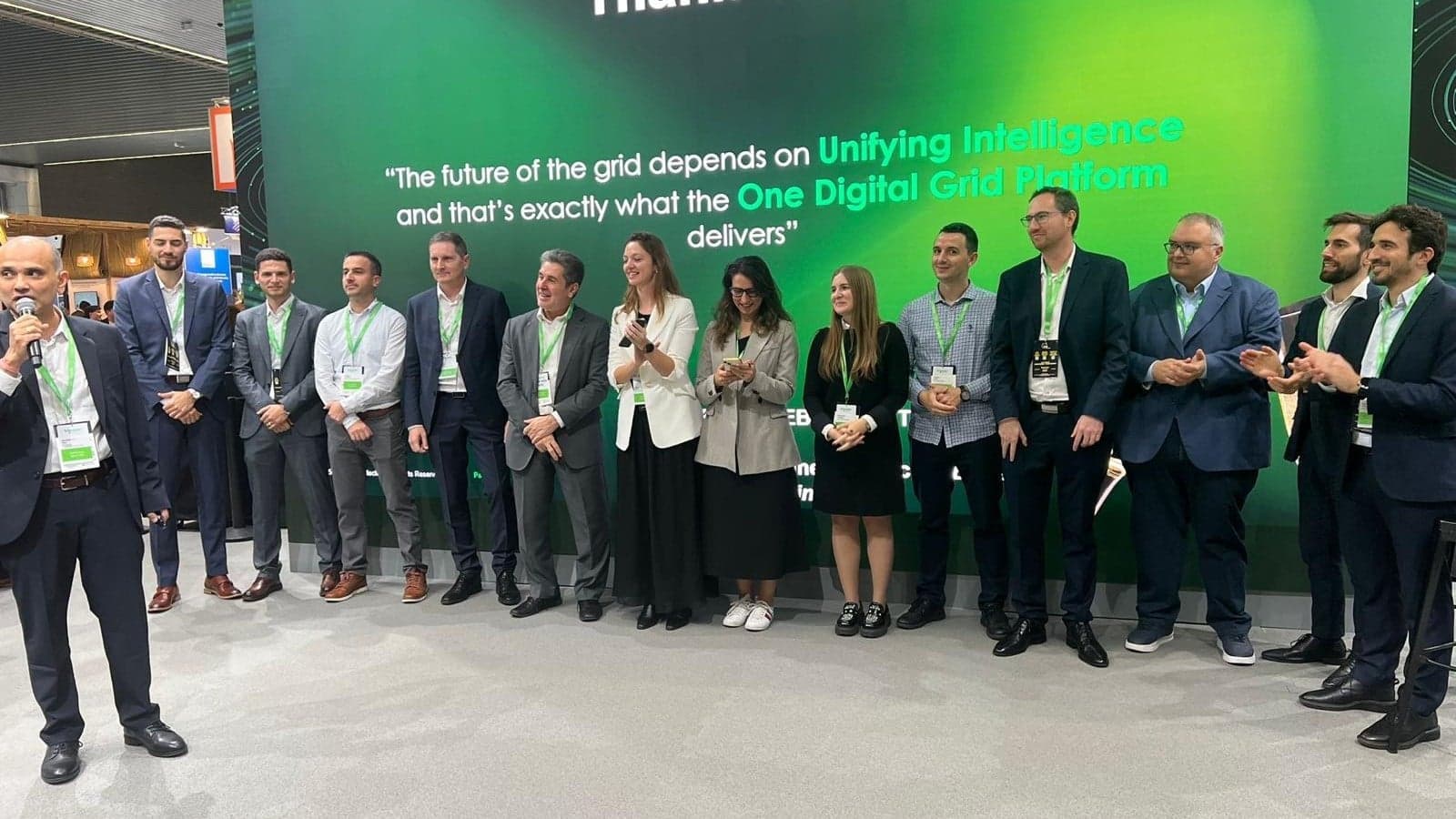
Schneider Electric has announced the launch of its One Digital Grid Platform, a platform designed to use AI to help utilities build resilience and modernise faster.
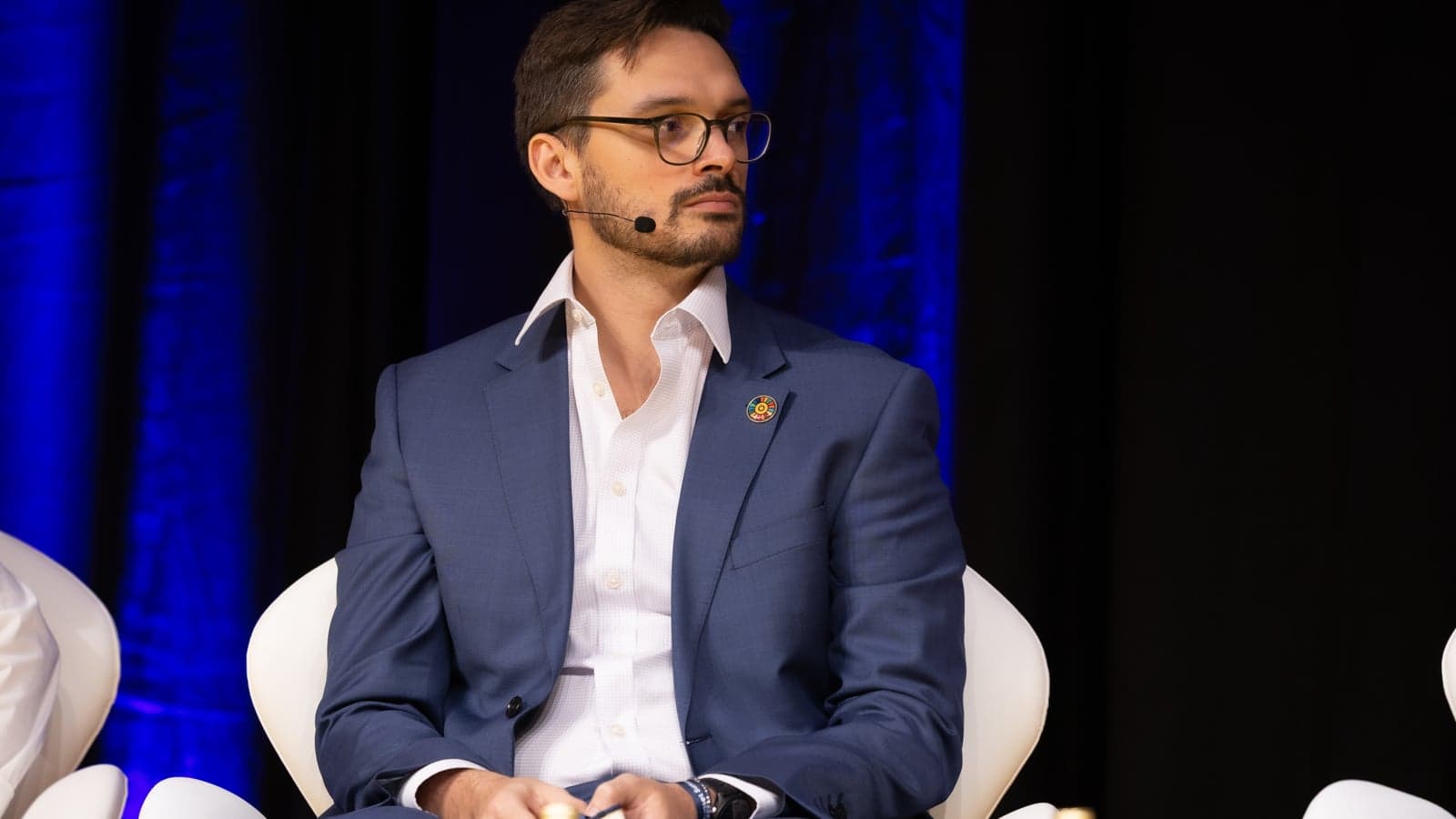
The launch, led by Shubbhronil Roy, VP Strategy & Marketing at Schneider Electric, took place alongside Enlit Europe in Bilbao and highlighted the system’s ability to facilitate innovation without costly infrastructure upgrades – a concept that resonates with customers.
The system achieves this by combining planning, operations and asset management in a modular, AI-enabled platform designed for utilities.
Frédéric Godemel, Executive Vice President of Energy Management at Schneider Electric commented in a statement: “Electricity powers progress, and today’s world demands more than just supply — it demands resilience, reliability and sustainability.
“With the One Digital Grid Platform, we’re empowering utilities to harness the full potential of technology, transforming ageing infrastructure into intelligent, future-ready networks. This is how we build a grid that not only keeps the lights on but drives decarbonization and delivers affordable energy for all."
Unleashing AI for a more reliable grid
Built on Schneider Electric’s EcoStruxure ADMS, DERMS and ArcFM, the platform uses AI and real-time data to accelerate outage response and improve communication.
New AI-enabled capabilities include:
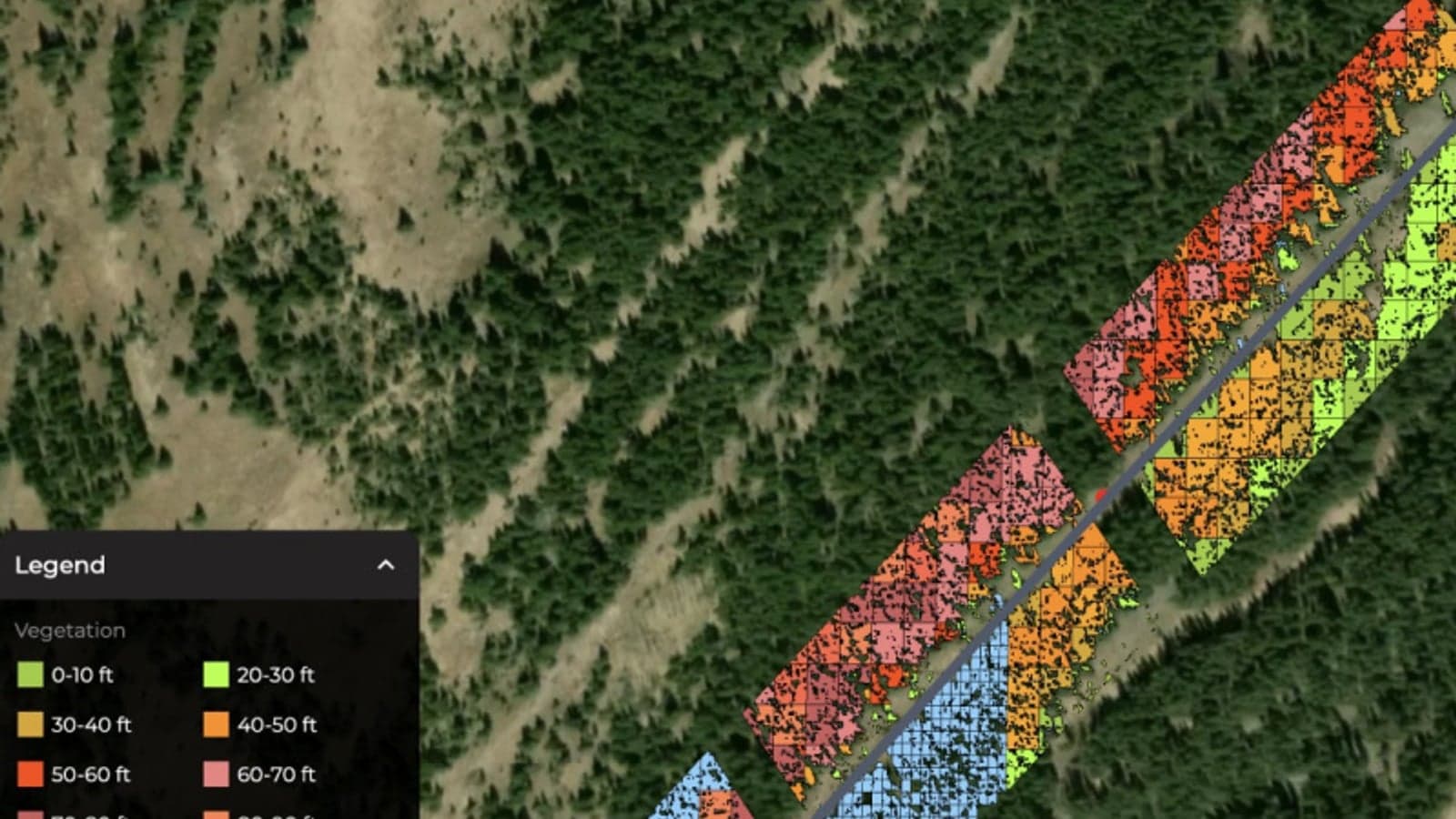
- Estimated Time of Restoration (ETR): When the power goes out due to storms, wildfires or Public Safety Power Shutoffs, ETR delivers timely, data-driven restoration estimates – helping customers stay informed and prepared. It uses real-time grid data, weather forecasts, crew availability and historical outage patterns to predict and update restoration times. This capability also integrates with storm preparedness tools from AiDASH.
- Grid AI Assistant: Embedded in EcoStruxure ADMS, it supports real-time troubleshooting and optimizes grid performance. It streamlines operator workflows and decision-making, helping utilities respond more quickly and effectively.
- AI-based Network Model Tuning: Uses AI to align mapping, operational and customer data to detect and correct mismatches between the grid’s digital model and real-world conditions. This improves accuracy, enhances reliability and reduces operational costs.
The system runs on Microsoft Azure and according to Darryl Willis, Corporate Vice President Energy & Resources Industry, Microsoft, “this collaboration delivers real-time intelligence to improve reliability, accelerate clean energy adoption and strengthen grid resilience for communities and businesses".
Have you read?
Is grid edge failing to deliver on its promise?
Trifecta chief slams Europe's lack of innovation and issues wake-up call
Ruben Llanes, CEO of Digital Grid at Schneider Electric, said: “Our new platform delivers the intelligence, speed and flexibility needed to modernize operations, integrate renewables and scale advanced capabilities — helping utilities reduce costly outages and improve grid stability. Utilities can strengthen the grid today and tailor solutions to their needs — building a foundation for an intelligent, connected energy ecosystem."
The launch has special significance in the European market, according to Shubbhronil Roy. “We’re at a moment where gigawatts wait in queues and clean energy is held back — slowed down not by intent, but by infrastructure that wasn’t built for this era.
“The One Digital Grid Platform breaks silos across planning, operations, and asset management, with built-in interoperability and AI-enabled flexibility to reduce weather impacts and unlock the energy transition at scale.”
Roy highlights why the One Digital Grid Platform solution makes perfect sense in a European context.
Europe is losing vast sums on curtailment and redispatch because systems aren’t unified. In the EU, about €7 billion was lost to curtailment and €4 billion to redispatch. A unified planning–operations–asset model — with AI forecasting and flexibility activation — cuts this waste.
“We need holistic, system-wide thinking. Break the silos across planning, operations, asset management, and maintenance. Enable open, seamless integrations through interoperability everywhere — between first‑party and third‑party apps. This is exactly what the platform brings to the market.”
Roy stresses the point of huge interconnection queues of renewables and the doubling of these queue delays in just three years. Seventy percent of the delays are process and visibility issues, not physical grid capacity problems, he explains.
A platform such as the One Digital Grid Platform fixes this by creating one data layer and one network model across all stakeholders. And while flexibility potential is massive, only 3–5% is being activated, according to the IEA/ENTSO-E.
View more exclusive content from Schneider Electric
Roy suggests it’s because DSOs can’t see DERs, can’t coordinate markets, and planning/operations sit in different systems. The platform’s Flex-first architecture and AI-enabled DER coordination unlock this — without asking utilities to rip and replace systems. Also, Europe’s grid OPEX is rising 25–30% due to ageing assets, while 50% of DSOs still lack an accurate network model.
Ageing LV/MV infrastructure is Europe’s biggest reliability risk, states Roy, with half of DSOs reporting outdated or mismatched network models between their model maps and the field reality. AI-based Network Model Tuning directly attacks this problem, auto-correcting mismatches and reducing OPEX, outages, and penalties.
“Another game changer is LV networks – where we have only 15% visibility in Europe – so we are quite blind – the LV Grid management offer is a game changer for that.”
Finally, Roy highlights that EU regulation now requires integrated digitalisation — but DSOs lack one digital backbone. The EU Clean Energy Package + CEER guidelines push DSOs to share data, enable flexibility markets, integrate DERs, coordinate with TSOs, and publish real-time network information.
However, says Roy, huge majority of DSOs still operate siloed systems. "The One Digital Grid Platform is exactly the digital backbone Brussels expects; it’s interoperable, modular, API-ready and built for system-wide coordination.
“This solution matters now because Europe needs one architecture to connect what already exists. And customers don’t have to rip and replace anything — they build on what they have.”