Site visit: Europe's biggest offshore wind port
Enlit Editorial Team
Posted on: 4 April 2023
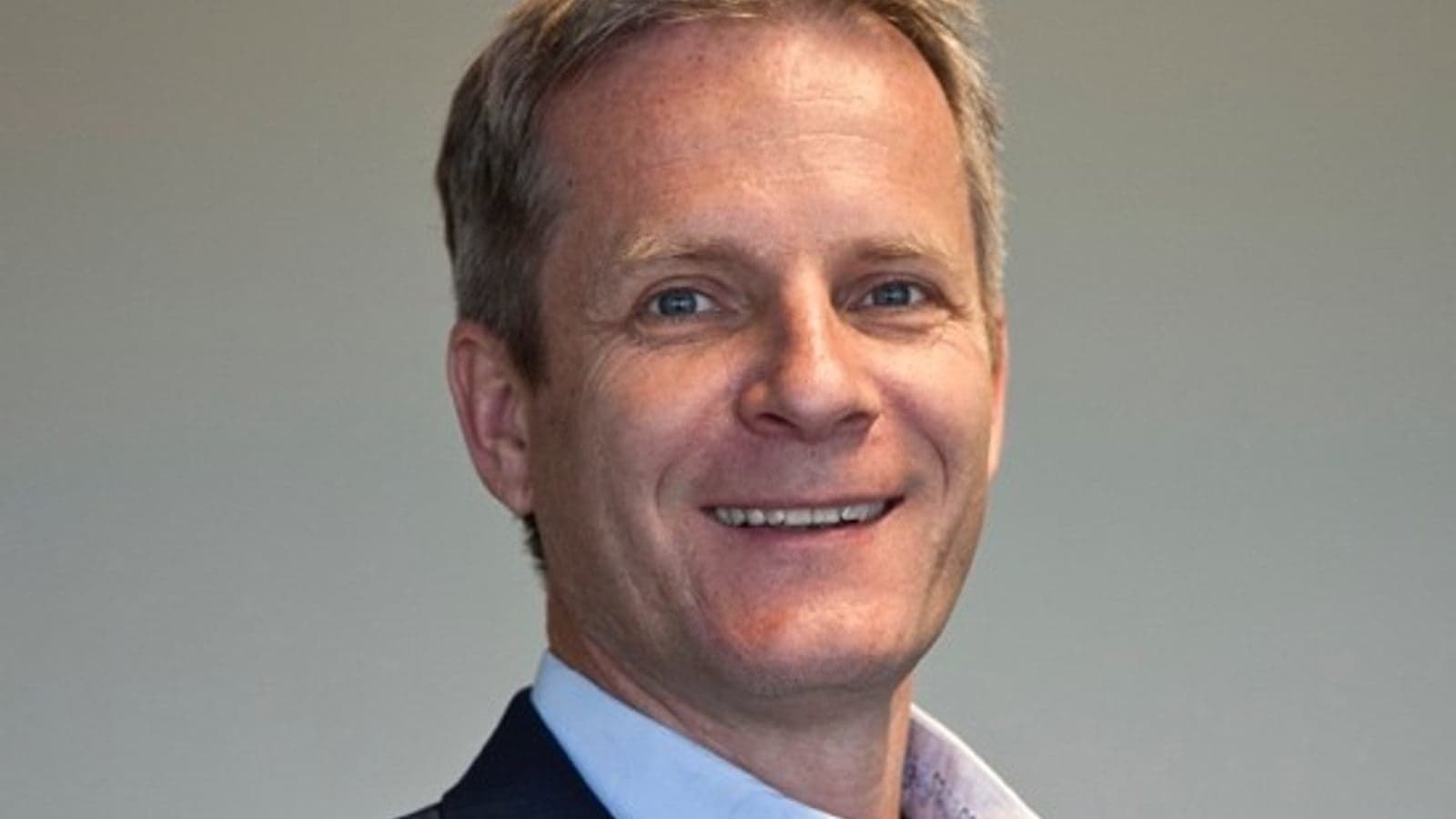
Port of Esbjerg CEO Dennis Jul Pedersen discussed the port's important role in Europe's energy transition and its plans for the future.
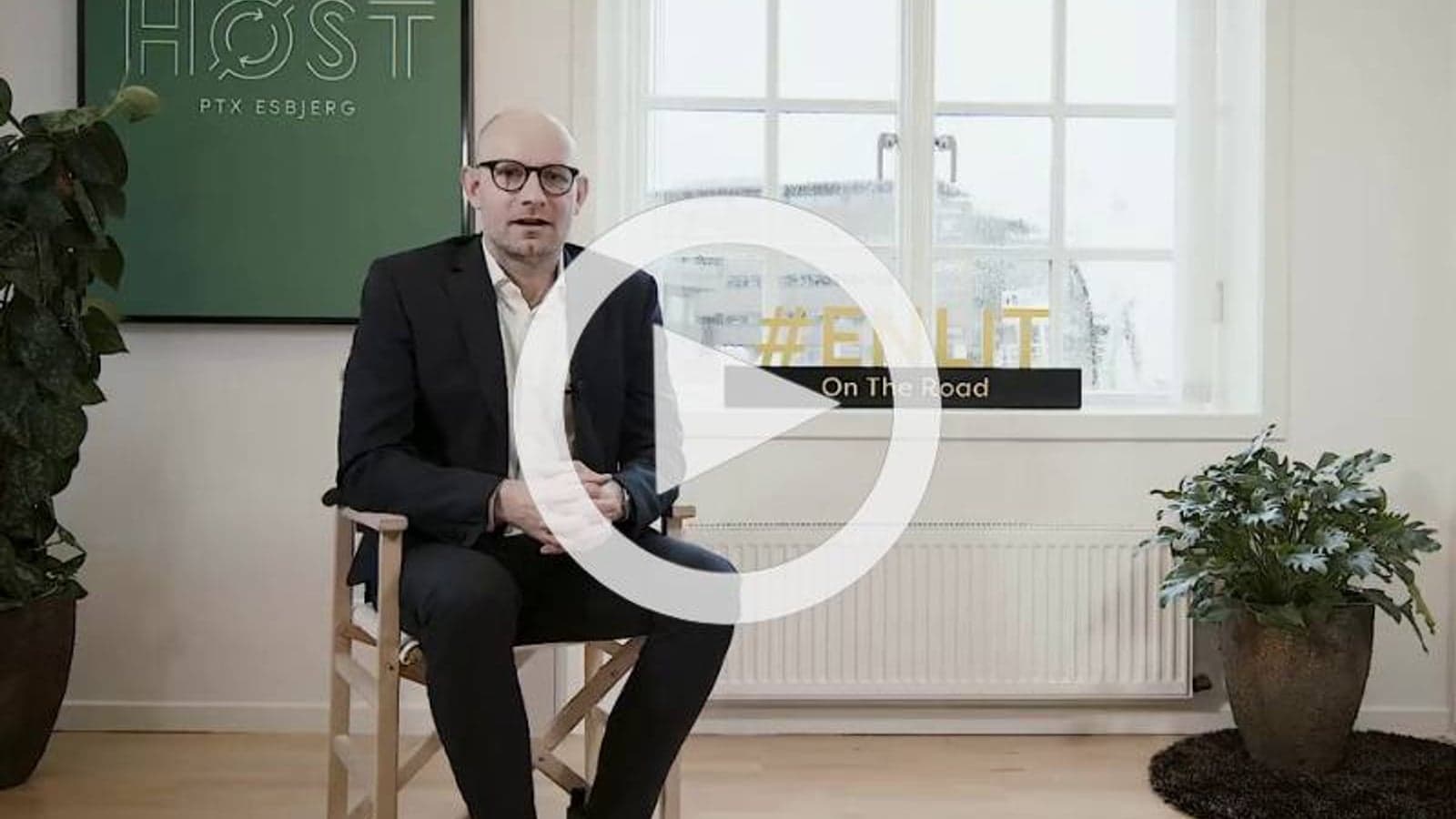
During Enlit on the Road's visit to Denmark, we visited the Port of Esbjerg, Europe's biggest offshore wind port in Denmark, and discussed the port's important role in Europe's energy transition with CEO Dennis Jul Pedersen.
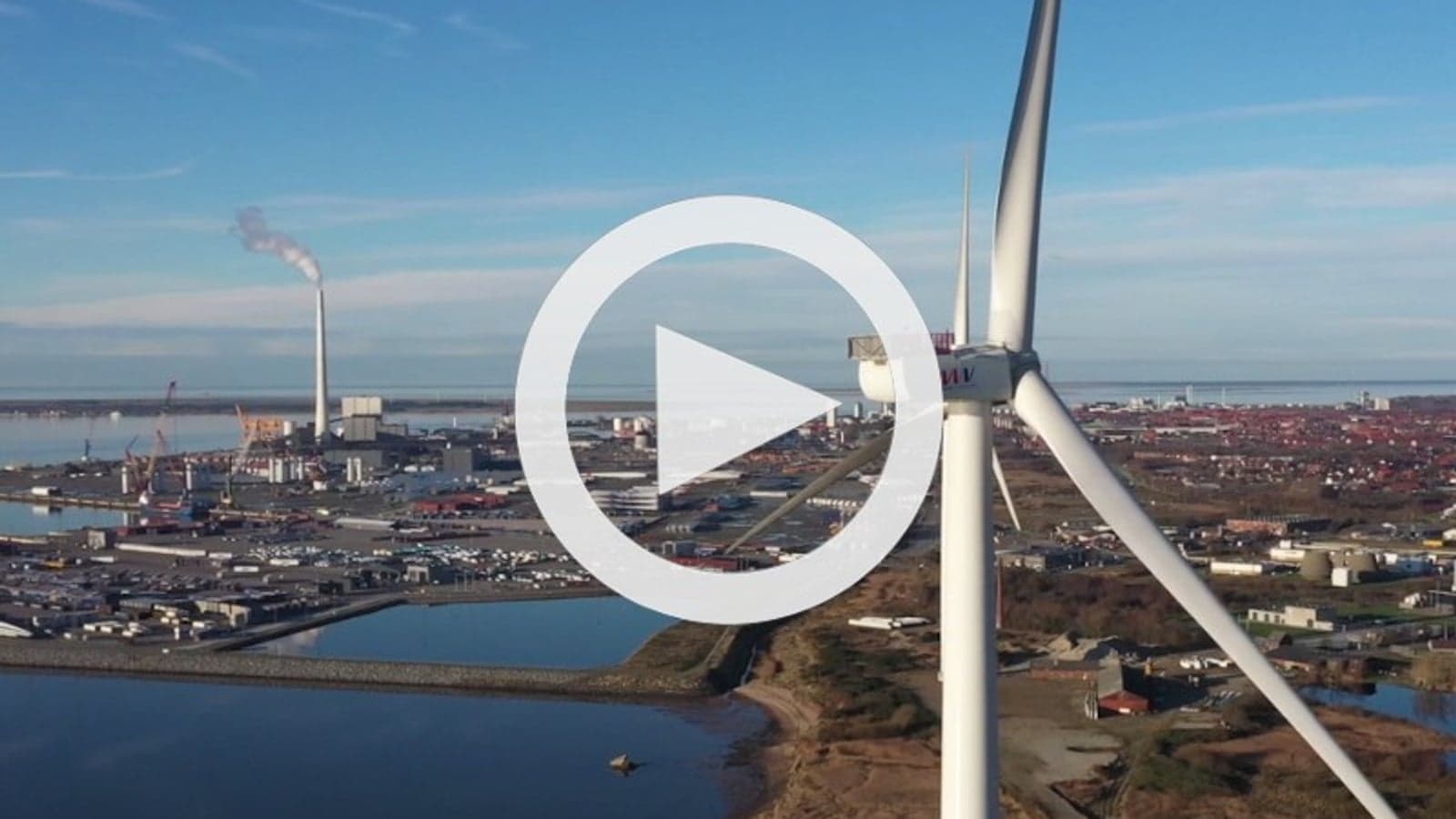
Denmark's largest port in the North Sea, the Port of Esbjerg, is considered a European market leader when it comes to handling and shipping out wind power.
More than 80% of offshore wind capacity in Europe is shipped out of the port and, according to Pederson, there are 10GW of new offshore wind projects already booked.
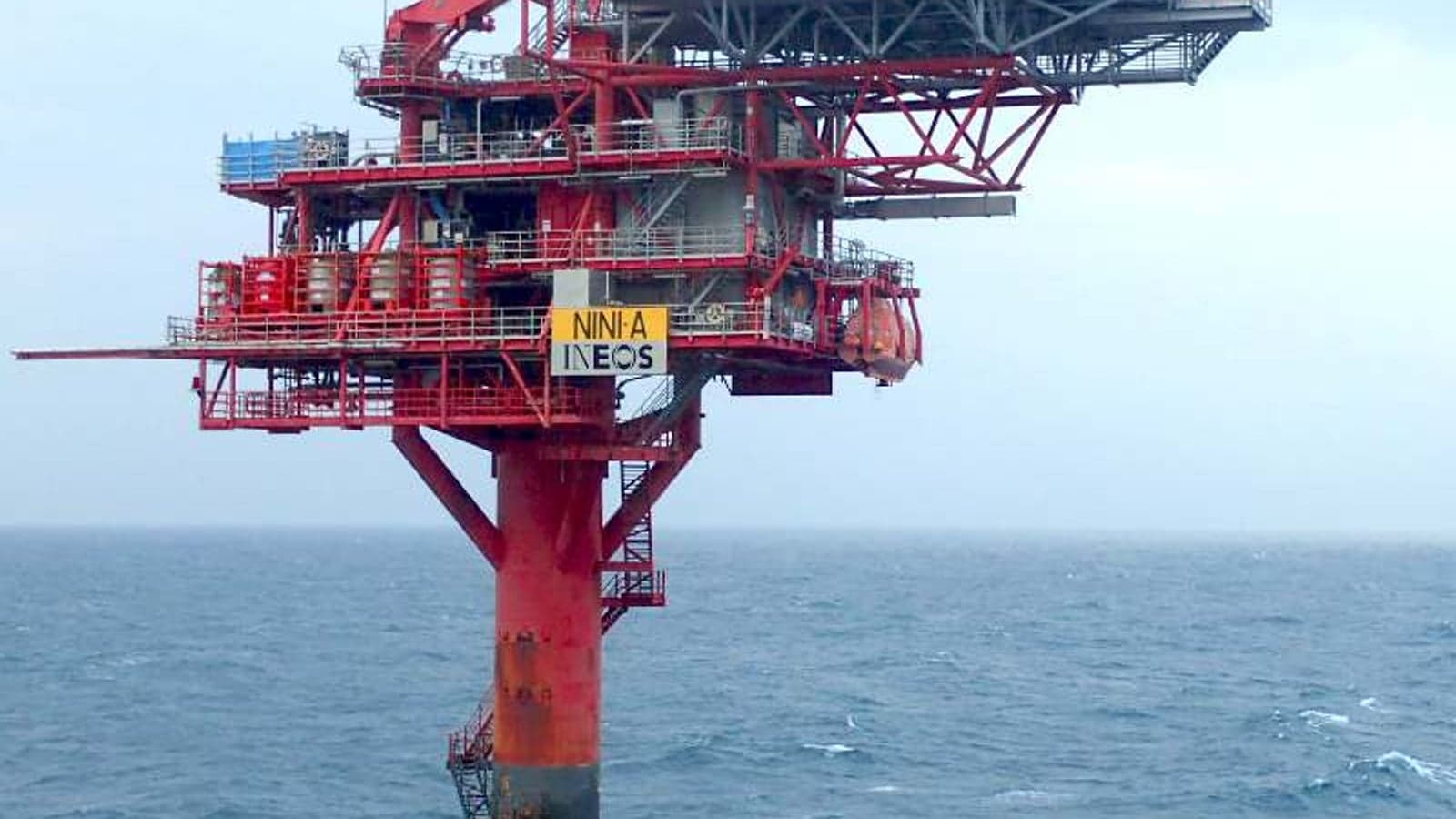
The 155-year old port, which now services half of the offshore wind projects in Europe, also services the Danish oil and gas market and has plans to service power-to-x.
Also of interest:
Energy Transitions Podcast: Hedging bets on European offshore wind
Collaboration will unlock North Sea wind potential says Trine Borum Bojsen of Equinor
The port is also looking to expand its prowess, with some exciting winds on the horizon, one particular being project Greensand, Denmark's first CO2 storage project.
Stated Pederson: "It is very important for us to create terminals so we could import CO2 in the future. [Looking] further ahead, we have to create terminals for green ammonia. There's also a hydrogen project and very fast we will enter this new form of energy and economy in Europe."
Watch the full video Enlit on the Road Denmark interview with Pederson where he discusses the digital twin solution to the capacity issue of the already expanding port, the importance of sector coupling for power-to-x conditions, as well as the challenge of keeping pace with a fast-evolving industry.