Solaris – a proposed space-based solar programme for Europe
Jonathan Spencer Jones
Posted on: 23 August 2022
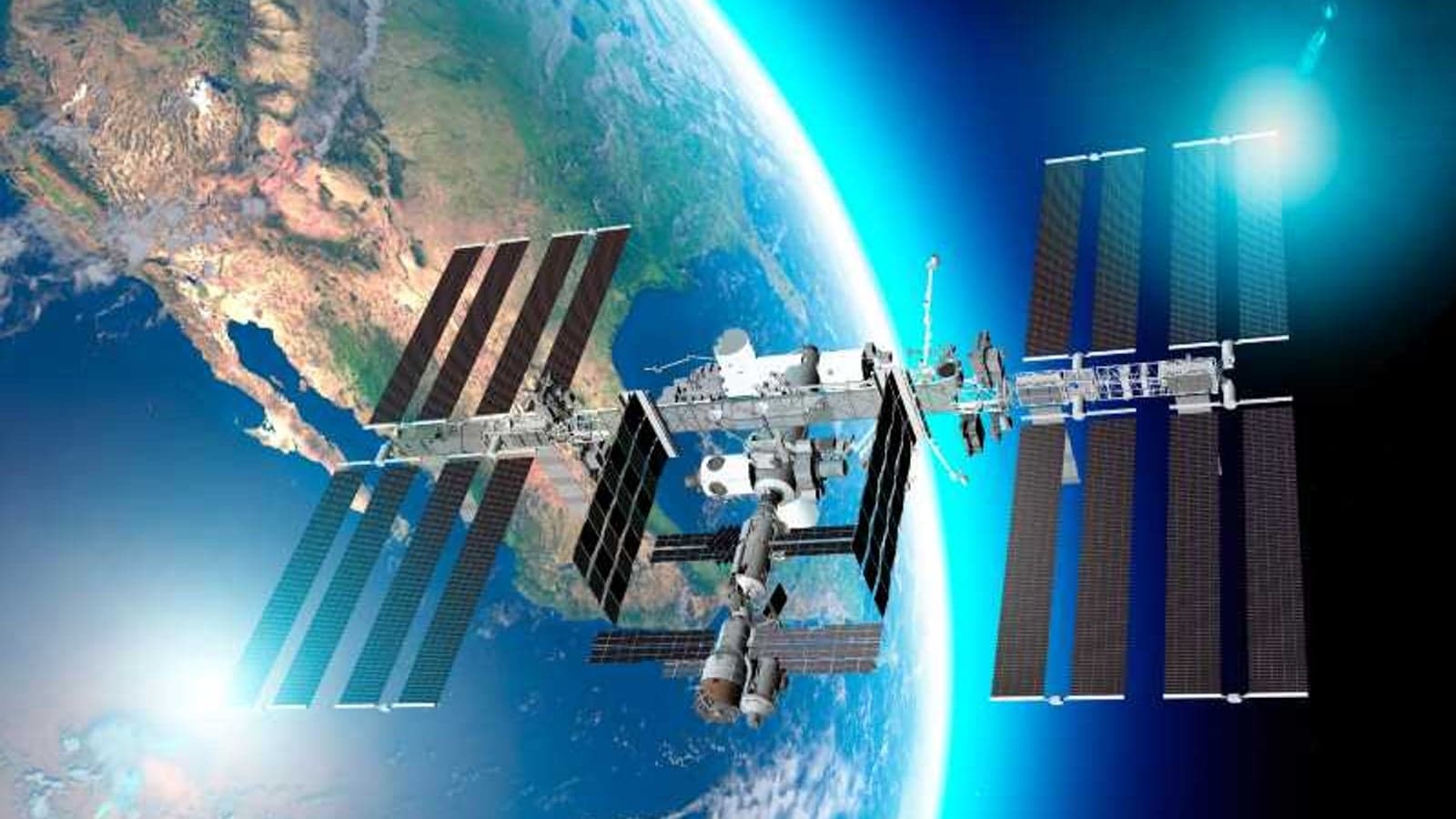
The European Space Agency (ESA) is proposing Solaris as a preparatory programme for space-based solar power for the region.
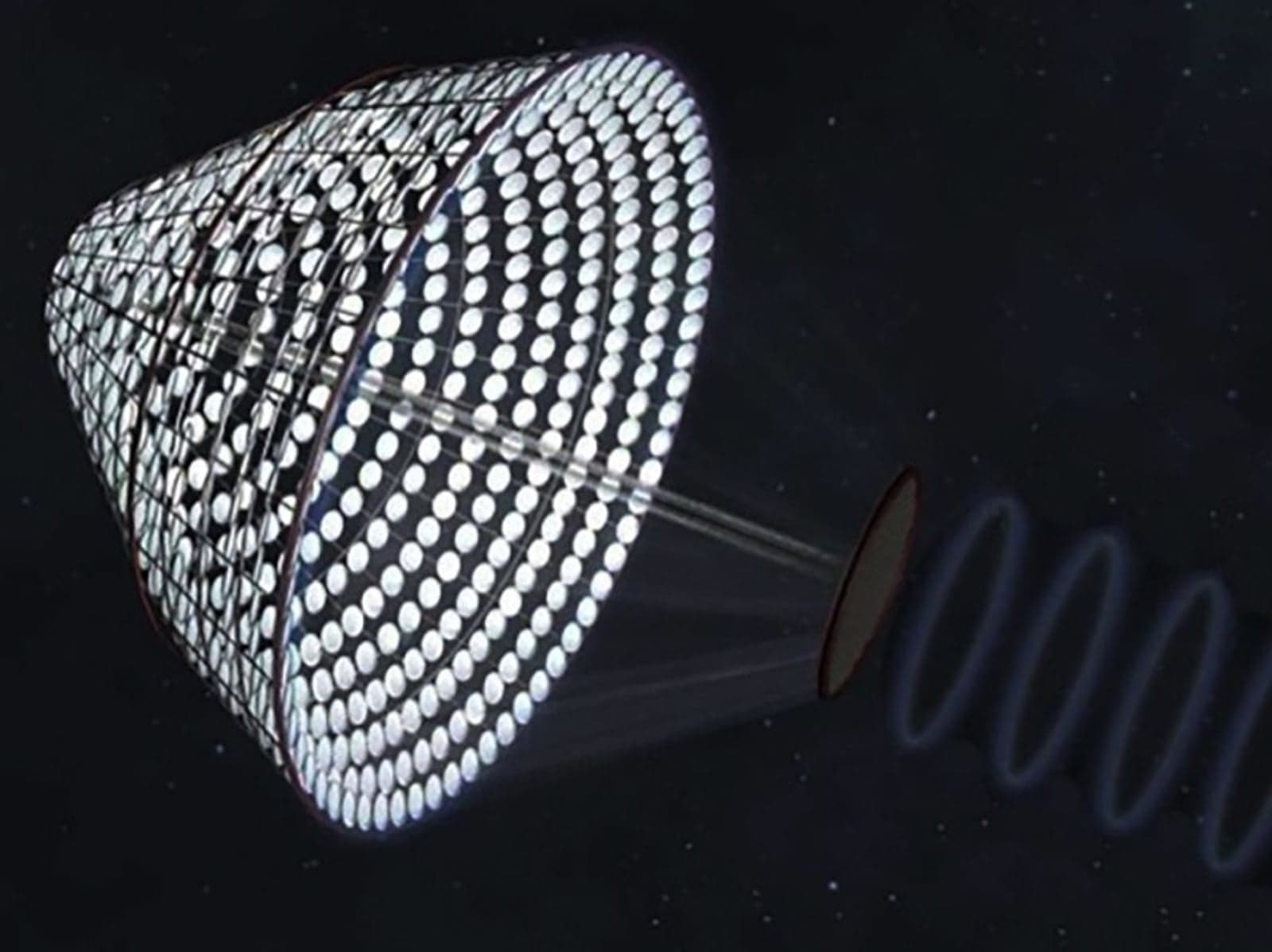
The European Space Agency (ESA) is proposing Solaris as a preparatory programme for space-based solar power for the region.
Solaris, which will be presented for the ESA Council meeting in November, is envisaged to address and be structured around the key development axes needed to establish the technical, political and programmatic basis for a decision on a European space-based solar power development programme in 2025.
Space-based solar power – in essence the collection of solar radiation by a satellite and its beaming wirelessly to the Earth – has long been considered technically feasible and the declining costs of both satellite hardware and launches as space activity has increased have brought it further within reach.
However, much technological development is required still to deliver a working system, with the first deployments likely only in the latter part of the 2030s.
Have you read?
Space’s role in our low-carbon future: Science fact, not fiction
Space-based solar power gets £3m UK boost
The Solaris programme is proposed to undertake system-level studies and technology developments, in partnership with European industry, to mature the technical feasibility and assess the benefits, implementation options, commercial opportunities, costs and risks of space-based solar power.
It would also address the potential environmental, health and safety issues and challenges related to regulation and international space policy coordination.
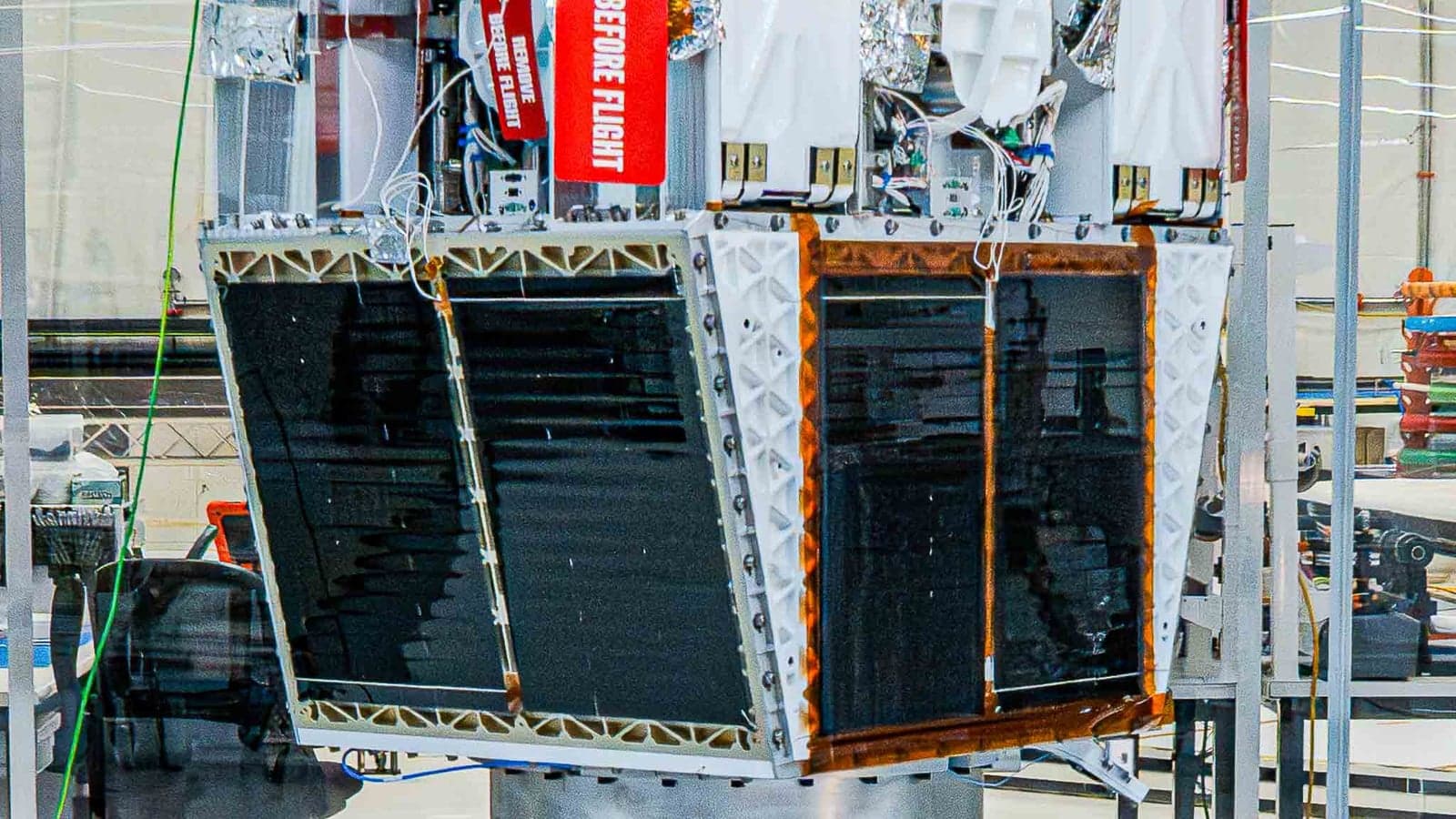
Major outputs expected would include advanced technologies and processes in the areas of efficient solar energy generation, high power RF transmission, formation flying, electric propulsion, on-orbit robotic assembly, in space servicing and refuelling and mass production of modular spacecraft.
Other emerging topics of relevance include in-space manufacturing, space resources and artificial intelligence.
Space-based solar power – costs vs benefits
As part of the programme, ESA has commissioned studies on the costs and benefits of space-based solar power, with both concluding that the technology could make a significant contribution towards Europe’s goal to achieve net zero emissions by 2050.
The studies by Frazer-Nash Consultancy in the UK, which has completed studies for a programme for that country, and Roland Berger of Germany, were conducted independently and are comparable but also complementary in terms of their approach and presentation.
As a starting point the two adopt different reference designs, both previously concluded to be technically and economically viable – Frazer-Nash with the CASSIOPeiA concept from UK-based International Electric Company with a helical geometry array with 1.44GW capacity and Roland Berger with the SPS Alpha concept by former NASA physicist John Mankins with a conical geometry with 2GW capacity.
Frazer-Nash proposes a four phase R&D programme with an estimated investment of €15.8 billion with the first demonstrators flying around 2030 and the ‘first of a kind’ (FOAK) system in orbit from 2040 and followed by a possible fleet of satellites.
For example, a fleet of 20 satellites by 2050 would reduce Europe’s import dependence in electricity generation to zero, the company states.
Frazer-Nash estimates the total cost for the FOAK at up to €13.3 billion, comprised of capital expenditure of €4.8-9.8 billion and operating costs over a 30-year lifetime of €2.5-3.5 billion.
By the tenth satellite, the cost would drop to €8.9 billion, with capex of up to €7.6 billion and opex of €1.3 billion.
Roland Berger’s development programme is similar but split into three phases, with the first demonstrators in the 2030-2035 timeframe and FOAK deployment by 2040 at a development cost of €2.3-3.5 billion.
Roland Berger estimates the target cost for the FOAK at between €15.6-20.9 billion, based on target construction costs of €8.1-11 billion and 30-year exploitation costs of €7.5-9.9 billion.
Comparing the two studies, the cost estimates are significantly different but the two reference designs are technically different and not directly comparable and for example, the specific power density, i.e. the power delivery per satellite mass, of CASSIOPeiA is estimated two to three times greater than SPS Alpha.
Nevertheless, the levelised cost of energy, while sensitive to multiple input parameters and differing assumptions, emerges broadly similar.
Frazer-Nash’s estimates are in the range of €57-156/MWh, while Roland Berger indicates a first system could reach as low as €69/MWh. At this level, space-based solar power would be competitive with the projected LCOEs for nuclear and other renewables.
Challenges
ESA anticipates that with the need to deliver new technological solutions to provide clean energy at a rapid pace, the implementation of a Solaris preparatory programme would need to proceed immediately following the November meeting.
To gain an understanding of European industries’ view of the state-of-the-art and challenges ahead in meeting the needs of space based solar power-related technologies and assessing the level of interest, the Agency has issued a request for information on breakthrough technologies.
Besides Europe, the other main developers of space-based solar power are China which is thought to be the most advanced and the UK, and the US is also undertaking studies.
With the ability to provide power on a 24/7 basis, space-based solar power is expected to offer a significant source of renewable baseload capacity.
Key challenges to its realisation identified in the two studies that account for the still lengthy development include the energy conversion and transmission systems and the in-orbit assembly and maintenance, which will need to be by robot as the satellites will be larger than any other structure in space with a surface area of 15km2 or more in extent.
Updated 26 August