Space-based solar needs cost and performance improvements says NASA
Jonathan Spencer Jones
Posted on: 22 January 2024
Cost and performance improvements related to launch and manufacturing are needed for cost competitiveness of space-based solar| NASA has reported.
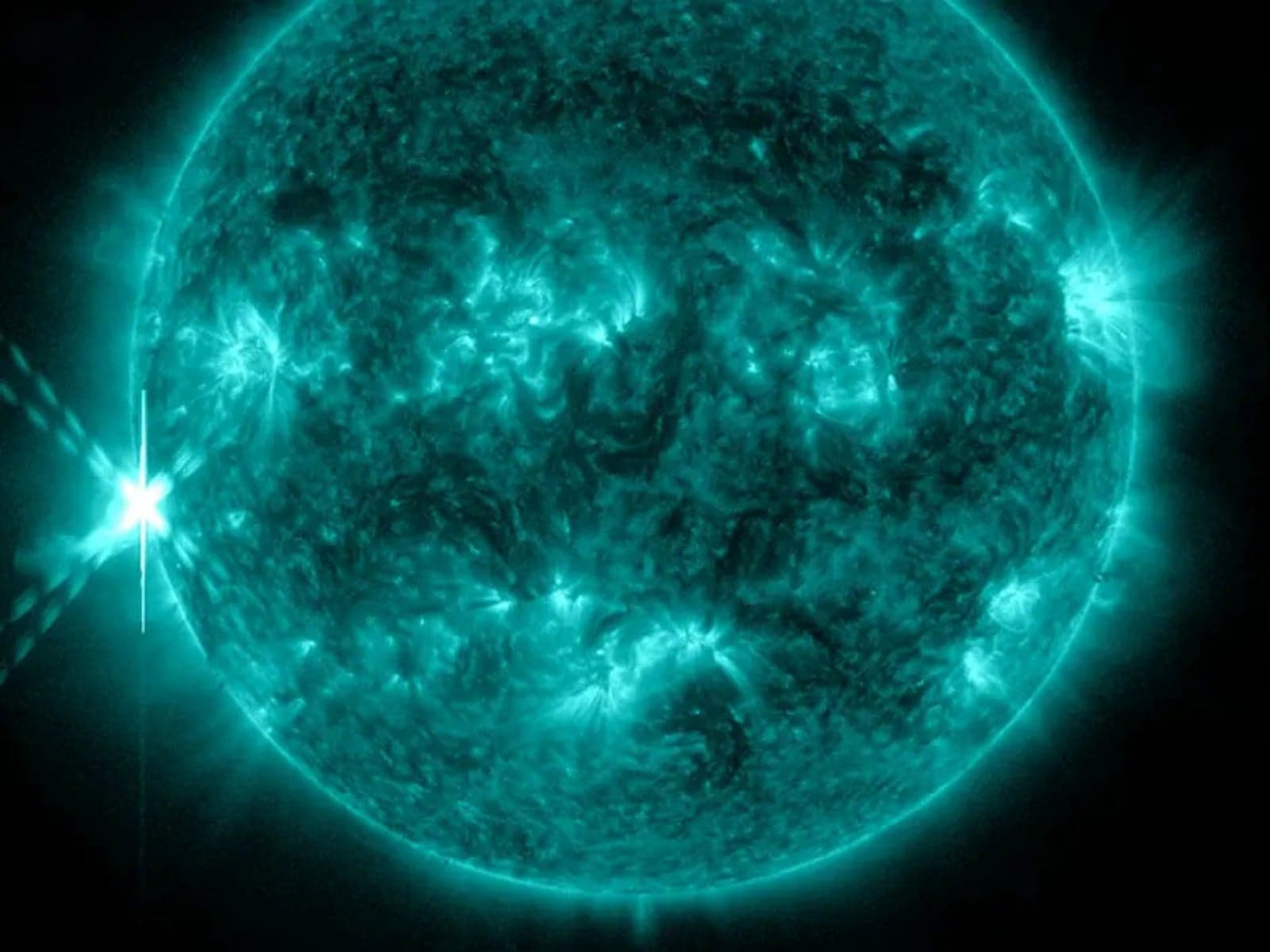
Cost and performance improvements related to launch and manufacturing are needed for cost competitiveness of space-based solar, NASA has reported.
In a new study undertaken by the American space agency, a first-order lifecycle assessment of two representative 2GW scale space-based solar satellite designs presumed to begin operating in 2050 are found to have the potential to produce greenhouse gas emissions comparable to the existing terrestrial alternatives.
However, based on existing and near-term technologies the designs are more expensive with lifecycle costs per unit of electricity that are 12-80 times higher. Hence a favourable combination of cost and performance improvements related to launch and manufacturing beyond the advancements assumed are necessary for cost competitiveness, the report states.
“This analysis compares the lifecycle cost of two conceptual space-based solar power systems versus their potential for net emissions reductions,” explains Charity Weeden, who leads NASA’s Office of Technology, Policy and Strategy.
Have you read?
Caltech’s space-based solar mission demonstrates potential of low cost PV cells
Time for the solar workforce to shine
“By considering scenarios like these, [the Office] helps NASA understand the technological, policy and economic implications that would need to be addressed.”
The study is aimed to provide NASA with information to guide its support for the research and development of space-based solar power.
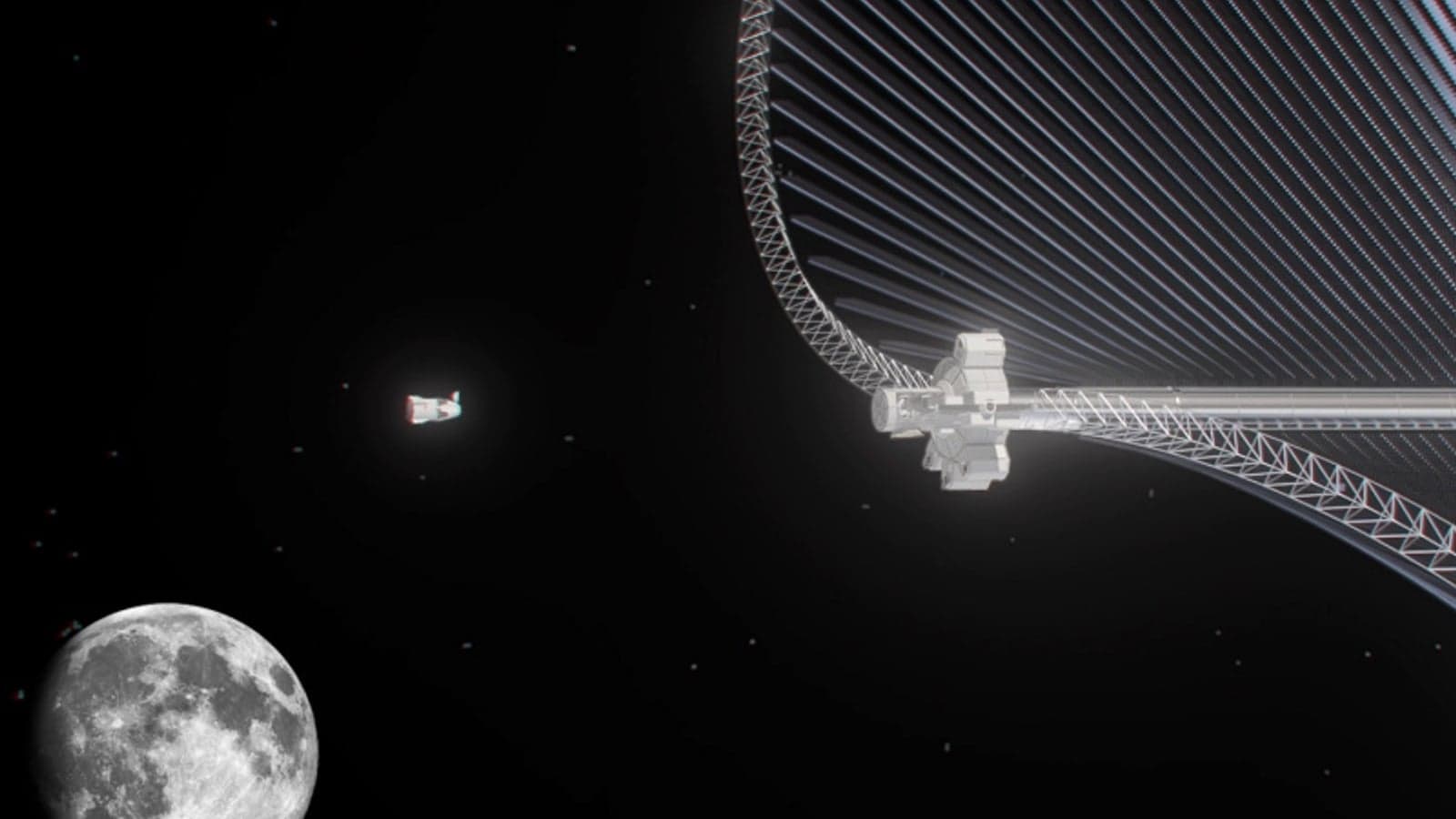
The two designs considered have solar panel areas of 11.5km2 and 19km2 respectively and are developed on the ground in the 2030s then deployed in the 2040s and operate from 2050 to 2080, with maintenance and related activities starting in the 2060s.
The baseline assessment for the two designs is an LCOE of $0.61-1.59/kWh, which reduces to $0.04-0.08/kWh with the additional cost and performance improvements and longer hardware lifetime.
The comparable LCOE for the earth-based renewables is $0.02-0.05/kWh.
The respective emissions calculated are 26-40gCO2e/kWh and 3-4gCO2e/kWh – these excluding upper atmosphere effects, pending the studies under way – and the renewables are 8-43gCO2e/kWh.
For both the costs and emissions, the launches are assessed as the biggest driver, with the need for many missions to deliver the infrastructure to space.
New capabilities
The review finds that the enabling technologies for space-based solar power have broad applicability and are already being supported for NASA’s mission needs, ranging from power beaming on the Moon to autonomous operations for science and human exploration to lightweight materials.
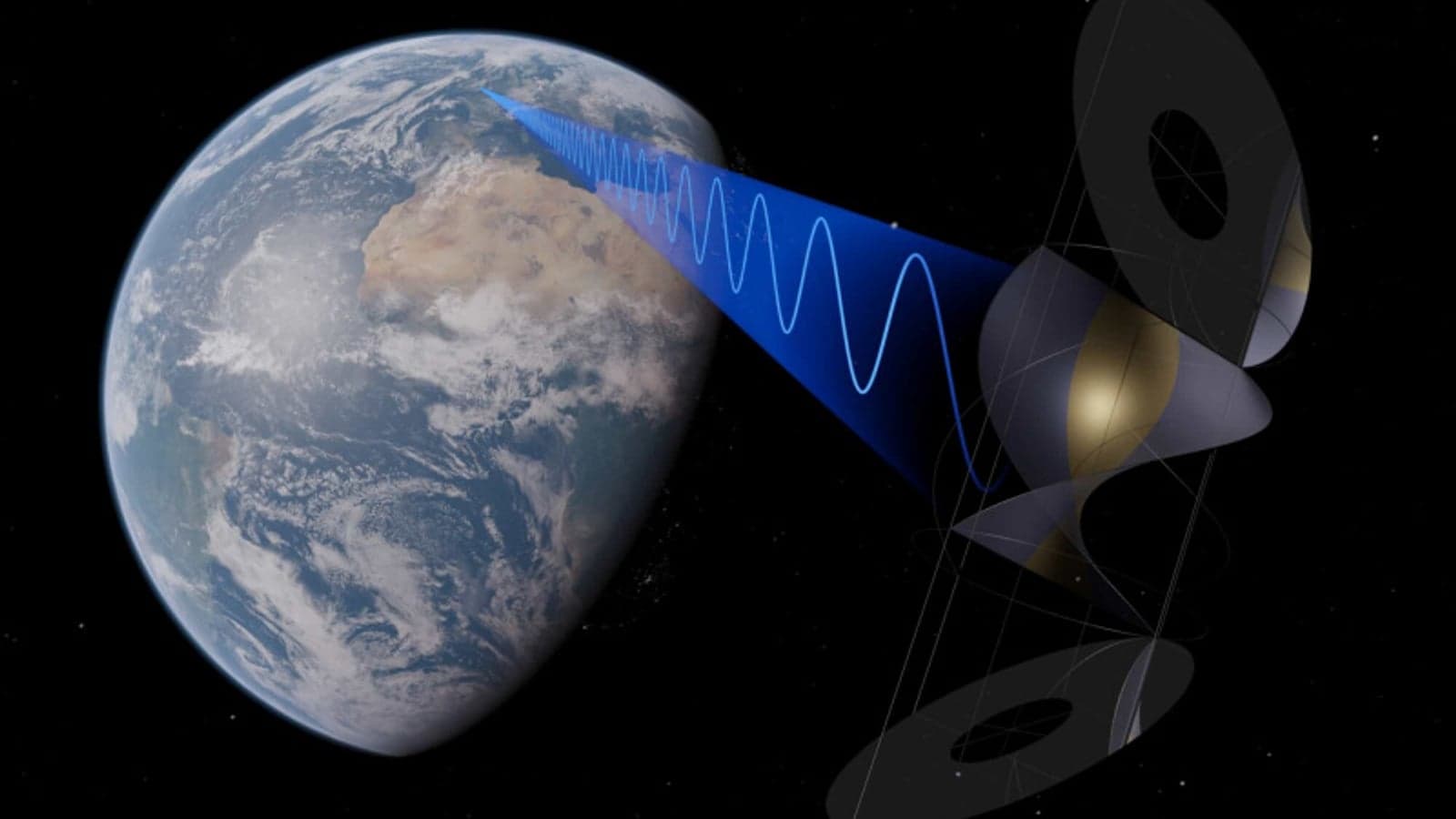
However, the significant capability gaps for space-based solar power systems identified include the assembly and maintenance of large systems in orbit, enabling those systems to operate autonomously and the efficient power beaming of the harvested energy to Earth.
Additionally, the placing of space-based solar power systems in geostationary orbit, almost 36,000km above the equator and higher than the low-Earth orbit paths used by many of today’s satellites, would carry additional challenges.