Home
/
The EU Energy Projects Podcast: Harnessing digital tools to shape Europe’s energy future
The EU Energy Projects Podcast: Harnessing digital tools to shape Europe’s energy future
Areti Ntaradimou
Posted on: 17 September 2025
TwinEU Project Coordinator on how how digital tools can help Europe integrate renewables, storage, and flexible demand into infrastructure,
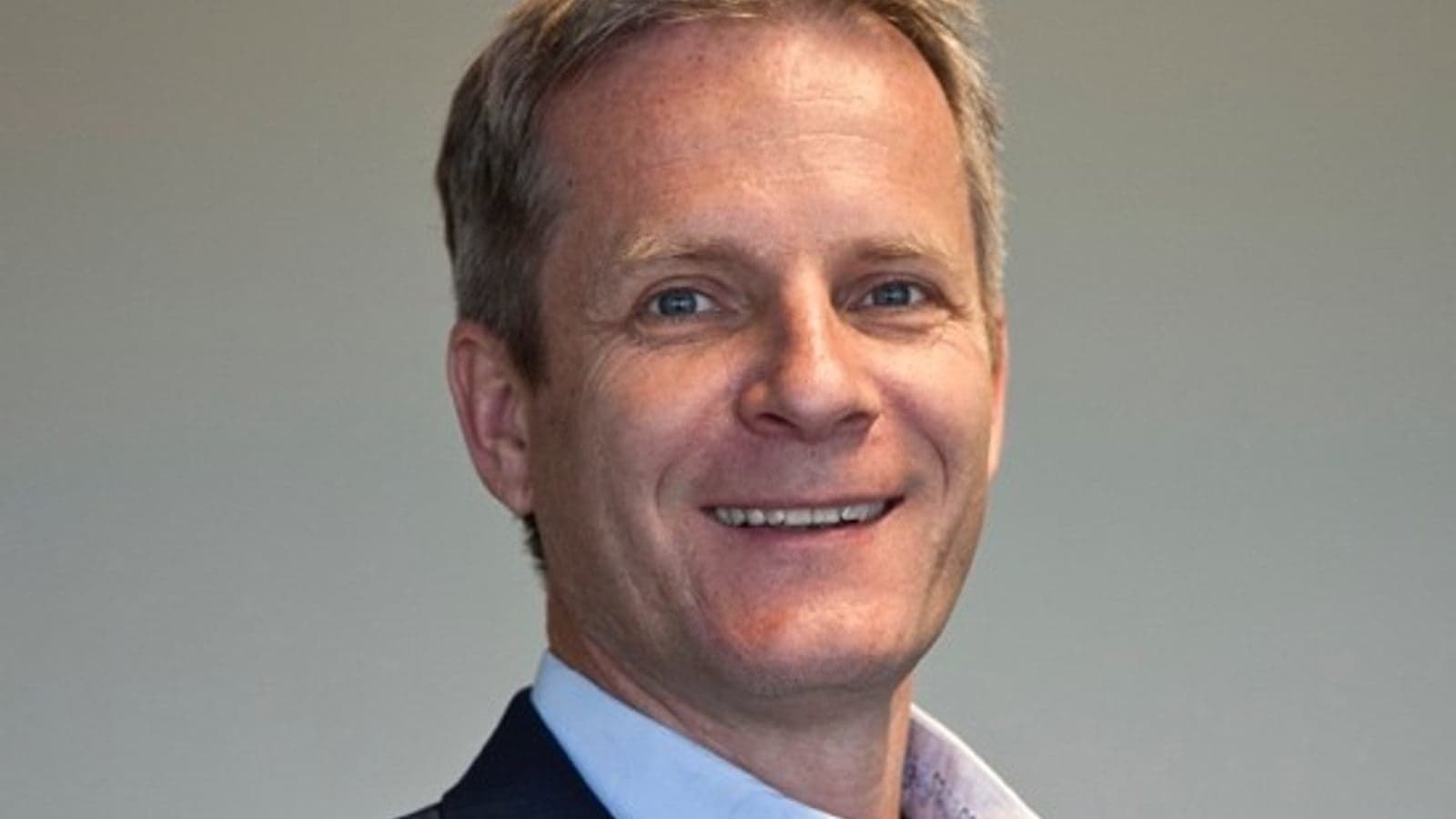
When I asked Dr Istvan Vokony, TwinEU Project communication, dissemination and exploitation leader, how digital tools could help Europe integrate renewables, storage, and flexible demand into existing infrastructure, he didn’t hesitate: “It would be easy to start from zero,” he said, “but we have to handle the operation and rethink the future of the whole grid at the same time.”
That challenge is exactly what the EU-funded project TwinEU is designed to address.
Dr Vokony on the EU Energy Projects podcast was quick to point out that technology itself is not automatically a solution. “I can utilise a new tool in an appropriate way, or I can waste it,” he explained.
The real value lies in deciding what data to collect and how to use it. Humans can process only a handful of information sources at once, but digital systems can handle hundreds. Done well, this means faster processes, lower costs, and decisions based on solid, real-time insights rather than guesswork.
This is where digital twins come in. Unlike traditional simulation models, which rely on assumptions, digital twins use live measurements.
“The most important part is reaction time,” Dr Vokony tells me. “With digital twins, I can react on the happenings on the network. It makes it more valuable and closer to reality.”
You might also wanna check:
The EU Energy Projects Podcast: What’s next for the EU’s Green Deal
TwinEU: Empowering digital twins with data space federation
I wondered aloud if such tools were mainly for engineers, but he was clear: they can support policymakers and regulators too. “At the end of the day,” he said, “decisions have to be driven by money and social welfare on the long term.”
Of course, Europe’s energy landscape is not uniform. Each country has its own rules and market design. A centralised model won’t work. Instead, TwinEU is building a federated ecosystem of digital twins, creating interoperability through shared datasets and common protocols.
This way, operators can act independently while still coordinating across borders, a necessity in a system where, as Dr Vokony reminded me, an outage in Spain can be detected as far away as Hungary.
For me, the key takeaway was clear: digitalisation is not about complexity for its own sake, but about cooperation. TwinEU is proving that with the right tools, Europe can move toward a secure, transparent, and truly plug-and-play energy future.
Listen to the podcast below
The EU Project Podcast is a fortnightly podcast presenting Europe’s key energy projects.
Subscribe and listen to all our episodes.
Related tags
Most popular
Join the community for freeAnd get access to all content
Related projects
TwinEU
2 January 2024 - 31 December 2026
View project