UK space-based solar development gathers momentum
Jonathan Spencer Jones
Posted on: 15 August 2023
Space-based solar power developer Space Solar and the Satellite Applications Catapult have launched a new partnership.
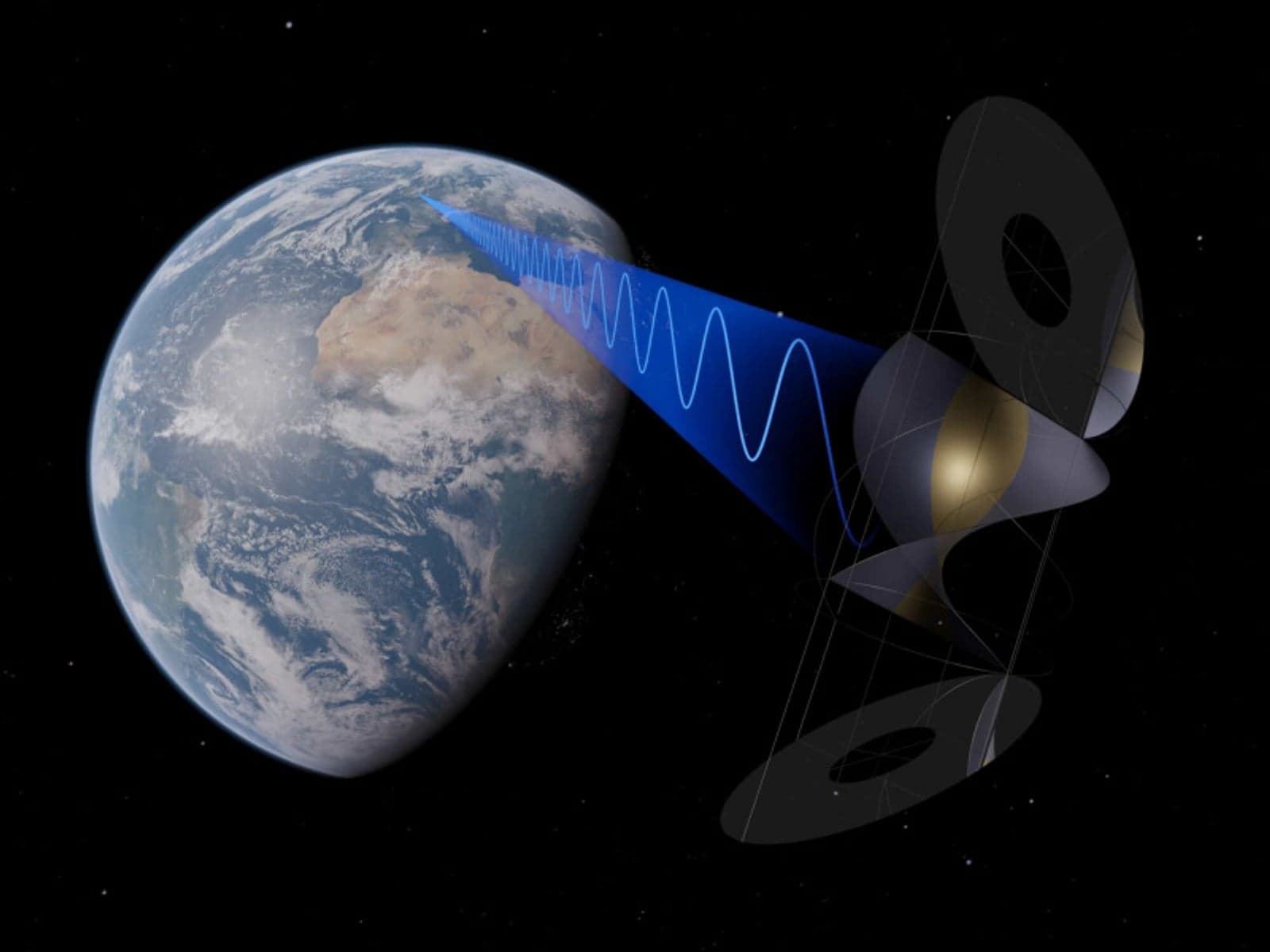
Space-based solar power developer Space Solar and the Satellite Applications Catapult have launched a new partnership.
The partnership, the first of several expected to be announced by Space Solar in the coming months, is intended to support the development of the UK's planned gigawatt scale space-based solar facility, named CASSIOPeiA.
The focus will be on the provision of technical expertise among other support and confirms the commitment of both organisations to realising the potential for space-based solar power, according to a statement.
Martin Soltau, co-CEO of Space Solar, says the company’s mission is to create an era-defining solar energy source from space.
Have you read?
UK’s space-based solar gets £4.3m boost
Watch this space: solar power boldly goes into new niche
“Today our business begins its next step, and we would like to thank the Catapult for its support, and its ongoing input into our success. It is through strong partnerships that we will make space-based solar power a reality and the Catapult has been and continues to be our biggest supporter.”
Space Solar is a spinout from the Satellite Applications Catapult and has been operating since April 2022 under Soltau and co-CEO Sam Adlen.
Soltau was previously senior business manager with Fraser-Nash Consultancy, which undertook the feasibility study on space-based solar for the UK government and also has been undertaking studies for ESA.
Adlen was formerly chief strategy officer with the Satellite Applications Catapult, which is responsible for driving innovation in satellite applications in the country’s industrial and academic communities.
Since then the board of directors has been put in place, the management team established and the development programme for CASSIOPeiA kickstarted.
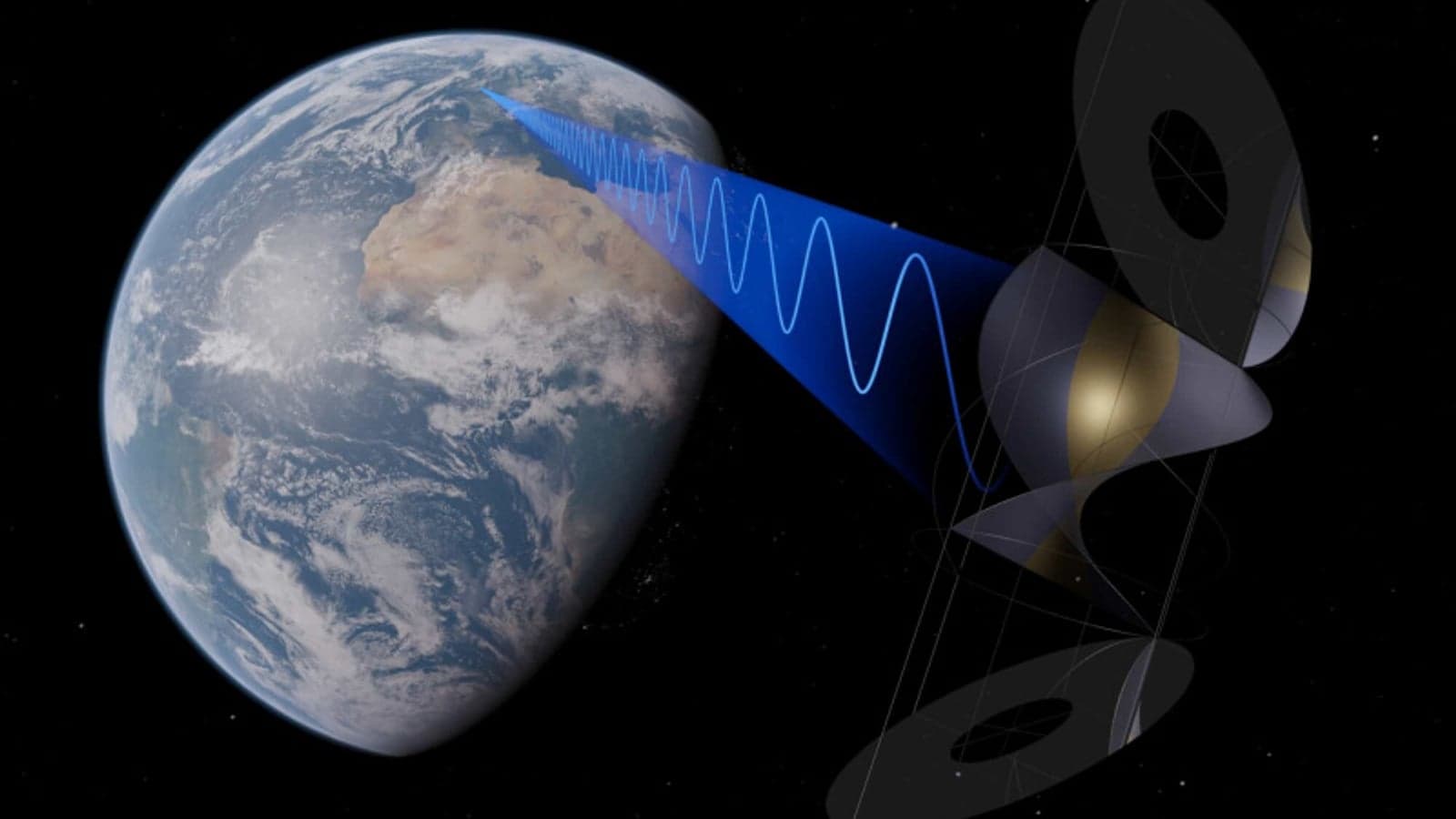
CASSIOPeiA is envisaged as a kilometre-scale satellite – a 1.7km diameter satellite should deliver 2GW – in a high Earth orbit featuring lightweight solar panels on to which the sunlight is concentrated by a system of mirrors.
The electricity generated is then converted into high frequency radio waves, which would be beamed to a ground station below for reconversion to electricity and feeding into the grid.
Space Solar has set out a 12-year delivery plan for CASSIOPeiA, including a demonstration of megawatt scale power beamed from space by 2029.
The Satellite Applications Catapult regards the Space Solar partnership as its most ambitious in its 10-year history and expects it to create a new sphere of industrial activity in addition to supporting the drive to net zero.
Lucy Edge, Satellite Applications Catapult acting CEO, believes that Space Solar has the potential to become one of the most important companies in the UK and perhaps, the world.
“Its vision to solve future global energy needs is powerfully relevant in the face of rapidly growing demand, and the Space Solar solution is the most commercially viable solution in development today.”
There are clearly numerous challenges and unknowns ahead to solve to bring space-based solar into commercial availability.
For example one key question is the location of the ground stations given their expected size. At the latitude of UK the rectenna would be elliptical over an area of 6km x 13km and in such a highly populated country the best location may be offshore, perhaps adjacent to offshore wind farms where there are existing grid connections.