Underwater robots could lower offshore renewable costs| Edinburgh study suggests
Jonathan Spencer Jones
Posted on: 7 January 2025
New technology that enables underwater robots to work stably at sea has been developed at the University of Edinburgh.
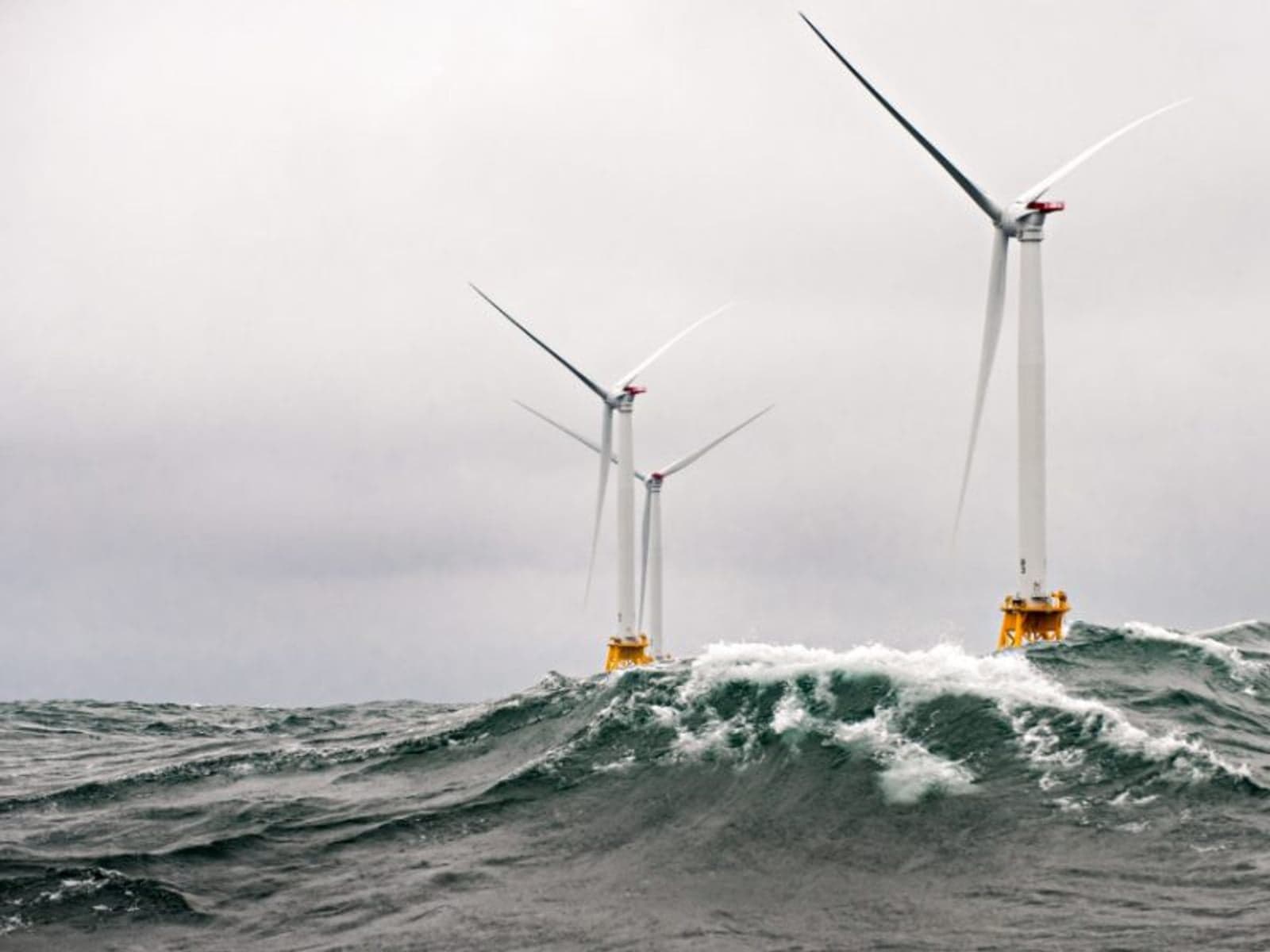
New technology that enables underwater robots to work stably at sea has been developed at the University of Edinburgh.
Up to now the unpredictable nature of waves has limited the use of robots in the upkeep of offshore platforms with the difficulty of such machines remaining stable and able to perform precise movements.
But that is set to change with new developments at the University of Edinburgh of computational and experimental tools to enable autonomous robots to maintain a steady position amid irregular, buffeting waves.
The system has been trialled at the University’s FloWave testing tank, using wave data captured by a buoy in the North Sea to mimic the types of conditions robots might work in.
Have you read?
How an electrical engineer lights up the world of robotics
EU Energy Projects Podcast: Project TALOS – automating solar power with robotics
“By forming a prediction of future wave disturbances and integrating this within the control system, we're able to expand this range with little to no change to the robot hardware,” explains Dr Kyle Walker, who developed the work as part of his PhD.
“In terms of translating this technology into the field, this is a huge benefit and makes our system applicable to most vehicles currently available on the market.”
Stationing autonomous robots offshore to perform routine maintenance should reduce the cost of generating marine renewable energy.
It could also simplify operations currently involving ships and helicopters or hoisting equipment out of the water and remove the need for people to work in dangerous settings.
Up to now conventional control systems operate in a corrective fashion responding only slowly to the fast-changing disturbances of the sea.
In the new approach wave detecting devices are tethered to the seafloor and measure the direction and height of incoming waves, relaying the information in real-time to a robot working nearby.
This enables the machine to pre-empt complex future disturbances, precisely counteracting them to maintain a stable position.
The findings are reported to indicate the system is compatible with robots operating both near the surface as well as those at greater depths, where disturbances can still be felt strongly.
Future research aims to improve the robot’s ability to perform precise tasks, such as using robotic arms to detect rust or fix electric equipment, while holding a steady position in the water.