Uniper and Rotterdam Port Authority design green hydrogen plant
Power Engineering International
Posted on: 11 February 2021
Uniper and the Port of Rotterdam Authority are investigating the possibilities of large-scale production of green hydrogen at the Maasvlakte area in Rotterdam.
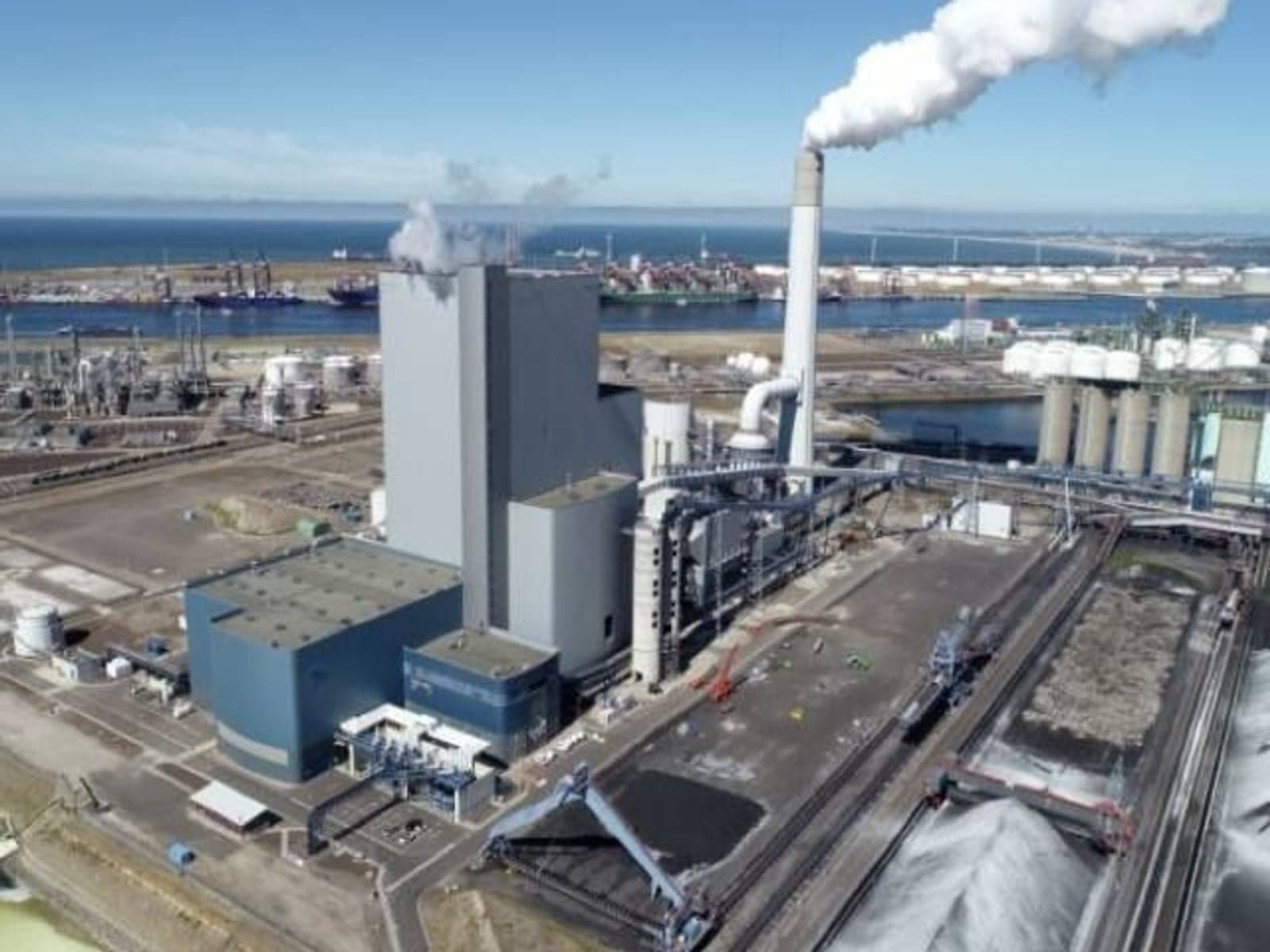
Uniper and the Port of Rotterdam Authority are investigating the possibilities of large-scale production of green hydrogen at the Maasvlakte area in Rotterdam.
The parties aim to build a 100MW hydrogen plant on the Uniper site by 2025 and to eventually expand this capacity to 500MW.
The feasibility study will be completed in 2021.
Andreas Schierenbeck, CEO of Uniper: "Our location at Maasvlakte is the perfect place for large-scale production of green hydrogen. This is where everything comes together: large amounts of renewable energy, the required infrastructure, and industrial customers. A better place for green hydrogen production is hardly imaginable."
Allard Castelein, CEO Port of Rotterdam Authority: "The production of green hydrogen on the Uniper site fits in perfectly with the strategy of the Port Authority to make the industry more sustainable. Green hydrogen is a sustainable alternative for natural gas to realise high temperatures. Besides, it is an important sustainable feedstock for the chemical industry."
In the production of green hydrogen, renewable energy is used to split water into hydrogen and oxygen. This process is called electrolysis. Maasvlakte is considered an ideal location for the production of green hydrogen as renewable electricity from offshore wind farms will come ashore there, and various relevant facilities are already available on the Uniper site.
After the successful prequalification for the EU IPCEI (Important Projects of Common European Interest) programme, the conceptual design and the technical dimensions of the new hydrogen plant will be developed in the next few months. The potential market for sustainable hydrogen, both in the Rotterdam port area and in Germany, will also be looked into.
In due course, supply to major industrial complexes in North Rhine-Westphalia will be possible through pipelines. The project team is also looking at options for import, storage, and export at Maasvlakte.
The port of Rotterdam is Europe's largest seaport, plays a key role in the import of raw materials, and is the supply port for gas, coal and biomass for Northwest Europe. The port also produces energy via three coal-fired power stations, one biomass power station and three gas-fired power stations in the port. Additionally, the port has an installed wind turbine capacity of 200MW.
This story was originally published on Power Engineering International
Related tags
Latest content
+1
Lifecycle Management Series S2 E2: Optimisation of Gas Turbine O&M Strategies
In this episode, you will learn about Uniper's extensive work over the last decade on optimising the life of conventional power stations; Dalia Power Energies' valuable experience of implementing an outage optimisation strategy - and more!
- Enlit Editorial Team
- 10/08/2020