Unlocking the future of AI and data sharing with ODEON's cloud-edge platform
Guest/partner contributor
Posted on: 8 May 2025
ODEON is introducing a federated energy data spaces implementation that facilitates the seamless integration of data across various sectors, particularly within the energy value chain.
ODEON is introducing a federated energy data spaces implementation that facilitates the seamless integration and sharing of data across various sectors, particularly within the energy value chain.
Data spaces have emerged as a transformative force in reshaping data sharing across industries. These decentralised systems provide a secure, controlled environment for organisations to manage and share their data.
In sectors like energy, data spaces streamline the flow of information between stakeholders, enabling optimisation of systems and supporting the integration of renewable energy sources.
The ODEON federated energy data spaces are designed to be decentralised, interoperable, secure and sovereign. These data sandboxes enable stakeholders – ranging from energy producers to prosumers – to engage in secure, trustworthy data sharing, overcoming challenges such as privacy concerns, cybersecurity risks and reluctance to expose siloed data.
By tackling these barriers, ODEON empowers stakeholders to manage the growing complexity of decentralised energy systems.
Central to this transformation is ODEON's cloud-edge data and intelligence service platform, which integrates advanced technologies like AIOps, DataOps and federated learning into a collective intelligence framework.
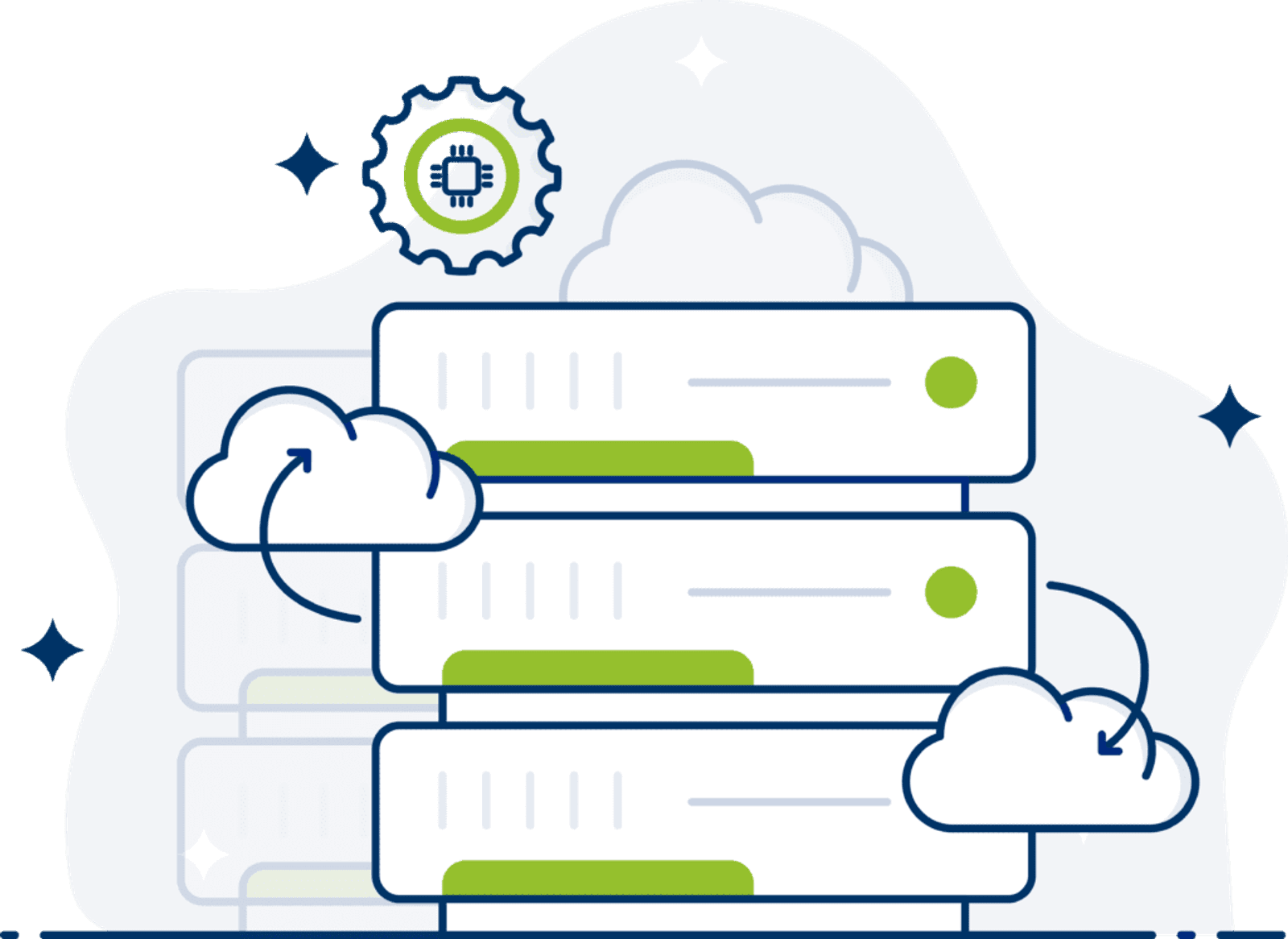
This platform supports the deployment and execution of DataOps and AIOps across federated infrastructures, including ODEON’s federated environments, energy data spaces and AI containers distributed throughout the cloud, near-edge, and edge layers.
By doing so, it enables efficient data collection, monitoring, control, sharing and analysis across various stakeholders, while optimising parameters such as latency, energy efficiency and resilience to external factors like extreme weather.
At the core of the ODEON platform are several critical features, including:
• Data interoperability and security: Ensuring seamless, secure data exchange among stakeholders.
• AI analytics and optimised resource allocation: Leveraging AI for intelligent decision-making across a decentralised network.
• Edge computing and federated learning: Supporting distributed intelligence and enhancing energy efficiency and management.
Exploring AI automation and optimisation
Leaders from industry and academia within ODEON came together to discuss the latest advancements in AI automation and optimisation. The discussions revolved around three key concepts: AIOps, DataOps and federated learning.
These interconnected frameworks are crucial in overcoming challenges related to efficiency, scalability and data privacy, setting the stage for the future of artificial intelligence.
AIOps integrates AI into IT operations, improving system efficiency and decision-making through automation and continuous learning. It proactively addresses issues and optimises resource management to enhance operational performance.
DataOps ensures smooth data integration and governance across platforms, creating a scalable infrastructure for AI model training and deployment. It enables efficient and secure AI operations across diverse environments.
Federated learning tackles data privacy concerns by enabling AI model training locally on devices, with only model updates being shared. This approach enhances security while fostering collaborative intelligence.
ODEON’s cloud-edge platform integrates these concepts to provide a cohesive solution for secure, efficient, and scalable AI operations, bridging the gap between cloud and edge environments. This integration allows stakeholders to harness the benefits of both centralised and decentralised approaches, enabling more efficient AI systems.
During the discussions ODEON delved into key use cases for these paradigms, including:
• Independent central deployment: Pre-trained models are deployed in the cloud for easy access and utilization.
• Independent central training: AI models are trained centrally using proprietary data, allowing scalability and adaptability.
• Federated learning: Local devices train models, with updates consolidated into a global model, promoting privacy and distributed intelligence.
The possibility of unifying these use cases emerged, suggesting that integrating federated data sharing with deployment and inference scenarios could streamline AI operations, bridging the gap between cloud and edge environments.
This integration could lead to more efficient and cohesive AI systems that balance the advantages of centralised and decentralised approaches.
The path forward: A unified AI framework for the future
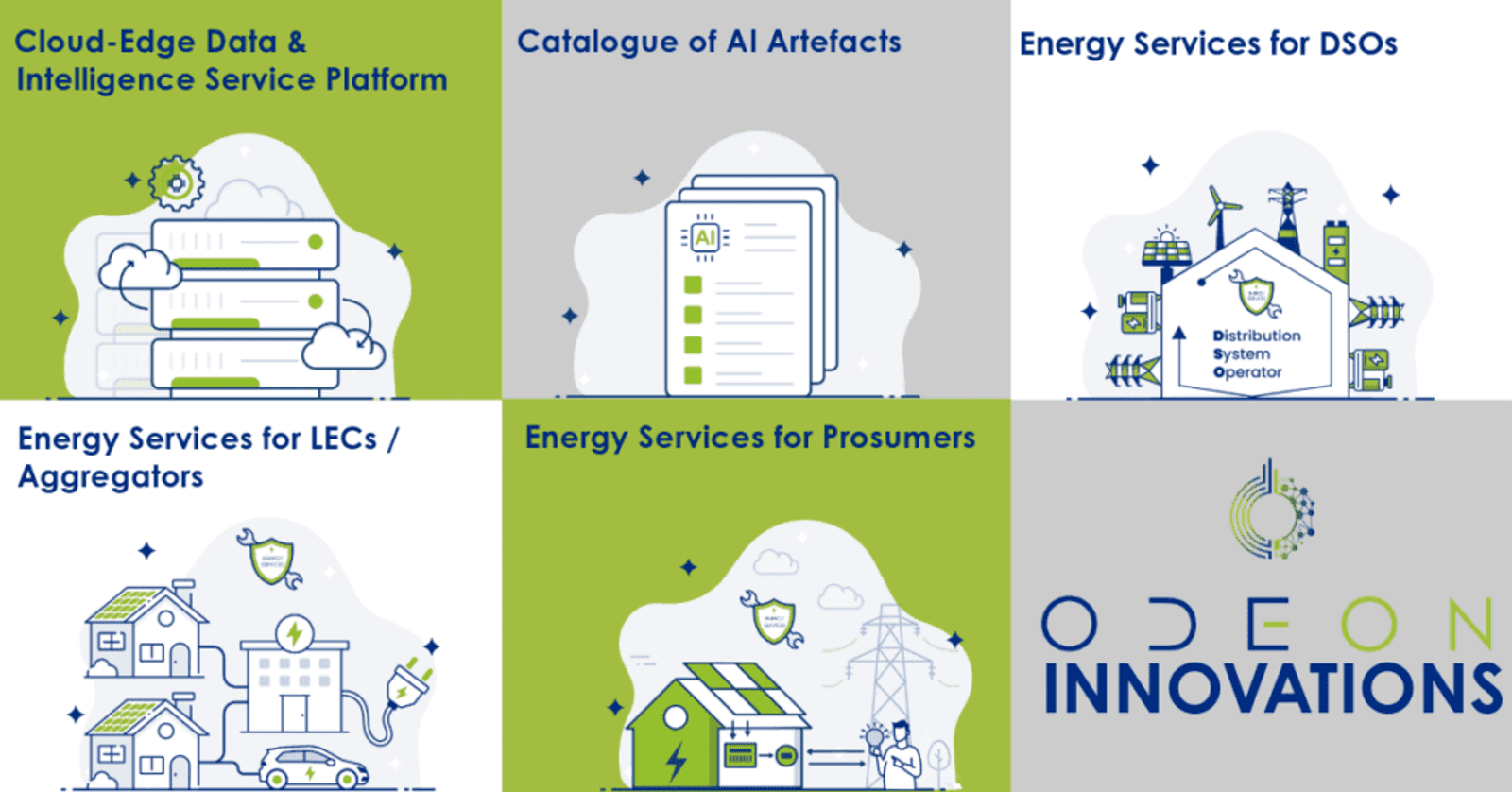
ODEON’s innovative platform paves the way for the future of AI and energy systems. By incorporating federated learning, DataOps and AIOps, ODEON supports the development of AI-driven energy services that are secure, efficient, and sustainable.
The platform also facilitates seamless data sharing while maintaining data sovereignty, making it a vital tool for addressing the complexities of decentralised energy systems.
Through ongoing collaboration and innovation, ODEON is positioned to lead the way toward a more intelligent, secure and sustainable future. Its cloud-edge platform serves as a blueprint for the integration of AI and energy solutions, empowering stakeholders to navigate the challenges of today’s interconnected, data-driven world.
For more information on how ODEON's cloud-edge platform is transforming the future of energy and AI, visit our website, follow us on LinkedIn and X, or contact us directly for detailed insights on our solutions and implementations.
Most popular
Join the community for freeAnd get access to all content
Related projects
ODEON
+2
1 January 2024 - 31 December 2027
View projectLatest content
+6
ODEON at the edge: Distributed intelligence and local control for the digital energy transition
The ODEON project is deploying an innovative cloud-edge data and intelligence service platform that extends computational and decision-making capabilities to the edge of the network, closer to where energy is produced, consumed and stored.
- Guest/partner contributor
- 04/08/2025