What the Griffin Wind Farm teaches us about biodiversity in renewable energy projects
Enlit Editorial Team
Posted on: 24 July 2024
The Griffin Wind Farm shows how renewable energy projects can positively impact biodiversity and contribute to a sustainable energy grid.
Highlighted in Eurelectric's new Power Plant 2.0 guidebook, the Griffin Wind Farm demonstrates how renewable energy projects can positively impact biodiversity while contributing to a sustainable energy grid.
In an exclusive interview at European Sustainable Energy Week, Andrew Allan, Lead Offshore Environment Manager at SSE Renewables, says that the guidebook provides practical examples for developers, emphasizing that biodiversity considerations should be integrated into project design from the outset.
The primary goal of projects like the Griffin Wind Farm is to address both the climate and biodiversity crises. By embedding biodiversity at the earliest stages, says Allan, projects can maximize environmental benefits throughout their lifecycle.
Furthermore, sharing environmental data transparently is essential for maximizing positive impacts. SSE is the company that acquired the Griffin Wind Farm and transformed it into what it is today. It advocates for the open sharing of data collected during the development, operation, and decommissioning phases to enhance collective knowledge and practices.
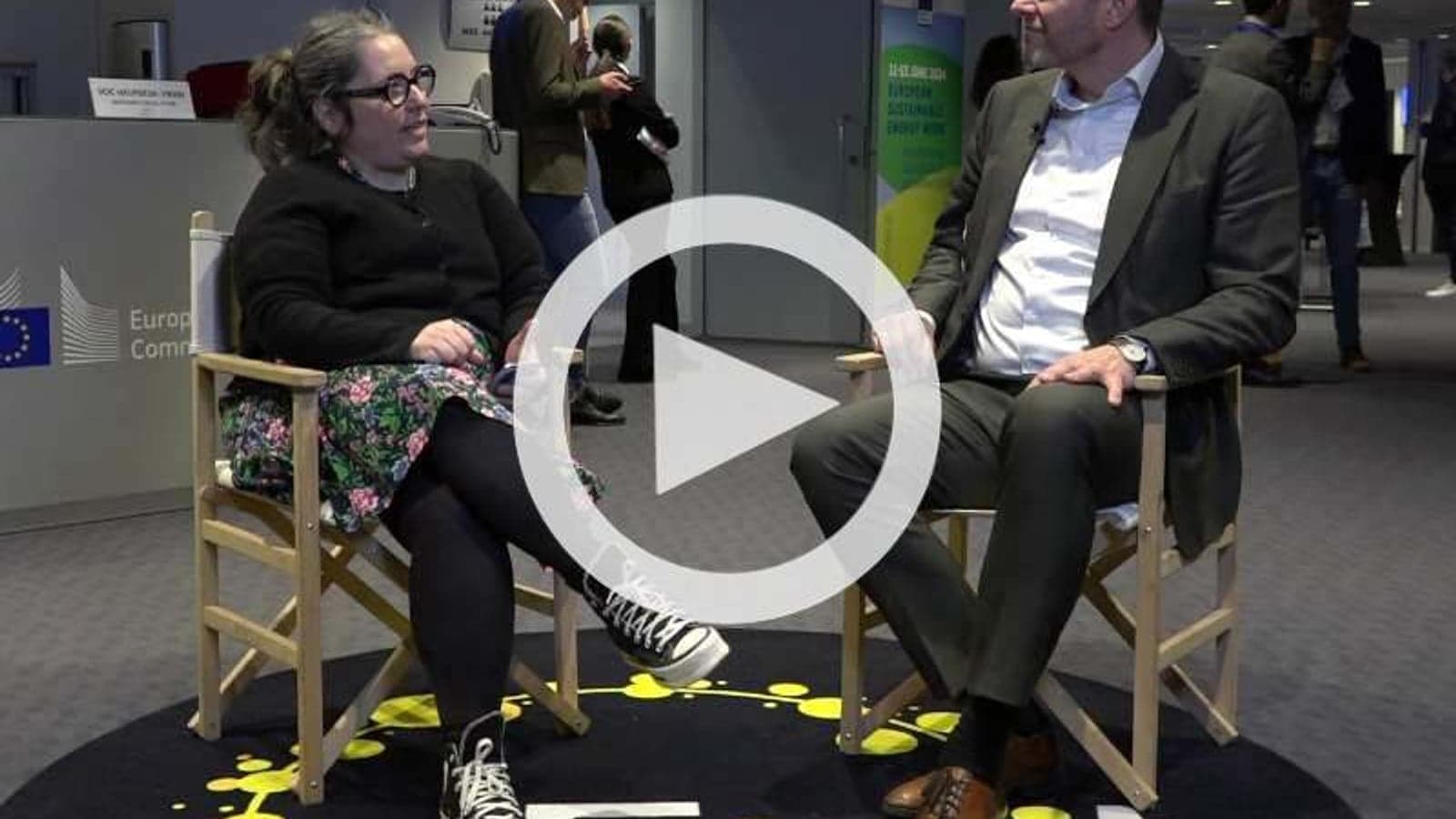
Watch the interview with Kristian Ruby about the Power Plant 2.0 report
Policy and challenges
European Commission policies, such as those discussing non-price criteria for renewable auctions, have been pivotal in advancing these conversations. These policies encourage developers to focus more on biodiversity and sustainability, although there is still a need for clear implementation details.
Allan says one significant challenge in integrating biodiversity into renewable projects is the lack of standardized impact measurement methods.
“I think that biodiversity is inherently quite challenging, because the first thing you need to understand is your impact, and what we don't have currently is a standardized way of measuring biodiversity impact,” he explains.
Different projects, such as onshore and offshore wind farms, require different metrics, complicating assessments. Standardizing these methods is vital for enabling developers to innovate and ensure biodiversity-friendly practices.
The Griffin Wind Farm exemplifies how renewable energy projects can simultaneously support sustainable energy goals and biodiversity. By embedding biodiversity considerations into project planning and sharing data transparently, the renewable energy industry can play a crucial role in addressing the intertwined climate and nature crises.