Why energy storage is a non-negotiable strategic asset in Bulgaria and beyond
Pamela Largue
Posted on: 7 November 2025
Without battery energy storage systems, the transition to a net-zero economy will be technically and economically unfeasible says Kalina Trifonova of EVN Bulgaria.

Kalina Trifonova, deputy chairperson of the management board at energy supplier EVN Bulgaria, elaborates on why she believes energy storage is no longer just a technological necessity - it is a strategic imperative for Europe’s decarbonisation path.
How do you see the role of battery energy storage in Europe’s path toward a fully decarbonised energy system by 2050?
Battery energy storage systems are indispensable to Europe’s journey toward a fully decarbonised energy system by 2050. As renewables are expected to supply at least 80% of electricity, the challenge lies in their variability - solar and wind generation depend on weather conditions, which we cannot control.
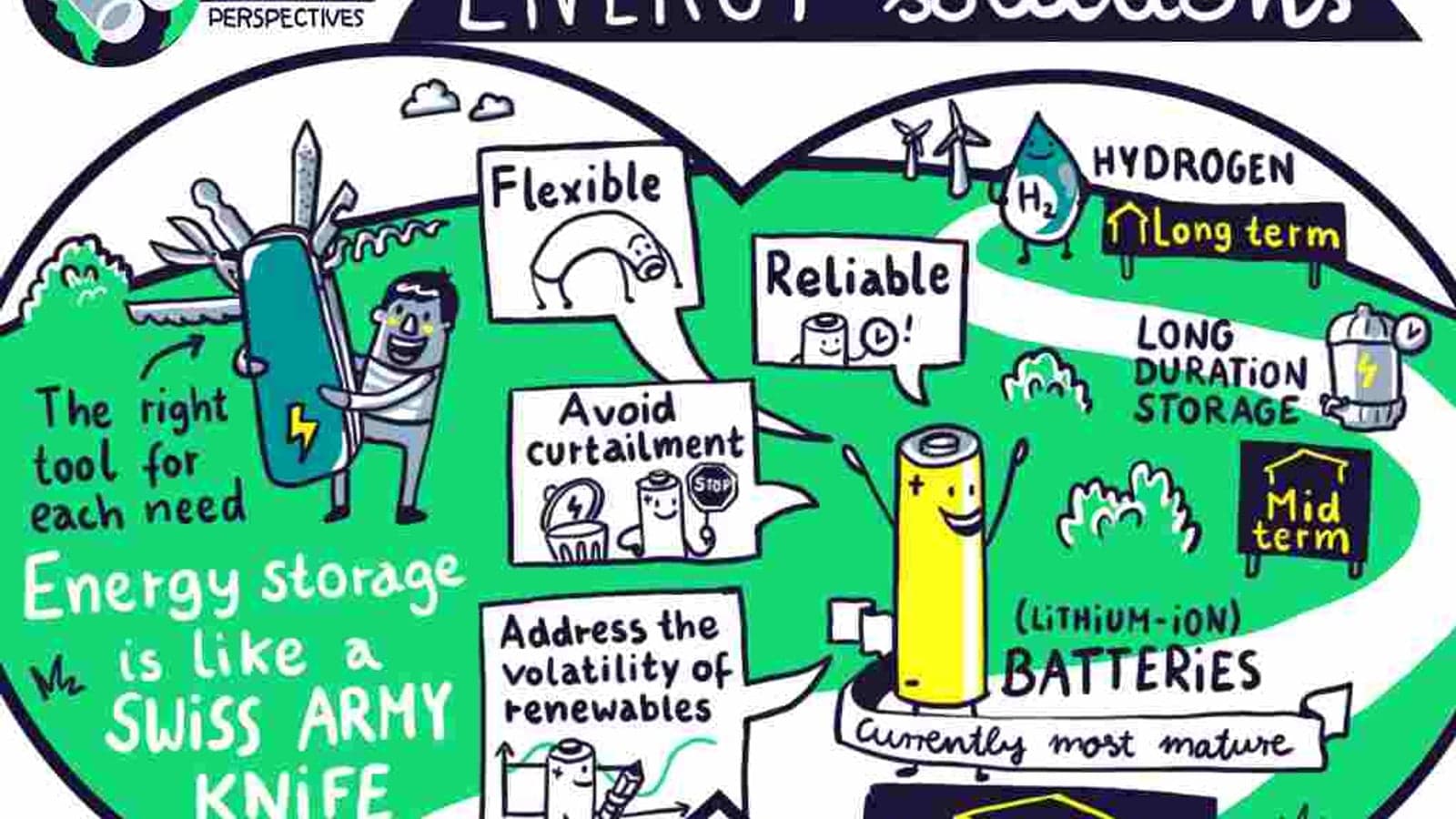
Since it’s impractical for electricity demand to follow real-time renewable generation, BESS play a crucial role in bridging this gap by providing essential flexibility, batteries store excess energy during periods of high renewable output and release it when demand exceeds supply. This ensures a stable and reliable electricity supply, even when the sun isn’t shining or the wind isn’t blowing.
Moreover, renewable generation is not only intermittent but also difficult to forecast. Battery systems, with their rapid response capabilities, are ideal for balancing the grid during unexpected fluctuations. They also support frequency regulation, voltage control and congestion management, all functions that are vital for maintaining grid stability, especially as fossil fuel-based backup generation is phased out.
Beyond grid operations, battery storage enables broader decarbonisation. It supports the electrification of transport and buildings by allowing electric vehicles to charge during off-peak hours and enabling smart homes to optimise energy use. This integration helps reduce emissions across multiple sectors, reinforcing Europe’s climate goals.
In short, BESS are the backbone of a flexible, resilient and clean energy system. Without them, the transition to a net-zero economy would be technically and economically unfeasible.
What unique challenges and opportunities does Bulgaria and Southeast Europe face in deploying large-scale battery storage?
Southeast Europe, and Bulgaria in particular, holds significant potential to become a regional hub for battery storage, thanks to its technical capabilities, market incentives and strong EU support. However, realising this potential requires targeted reforms in grid access, market design and regulatory clarity.
On the opportunity side, Southeast Europe has recorded some of the highest day-ahead market spreads in Europe in recent years, creating strong economic incentives for BESS deployment. The region’s abundant solar resources also make batteries a natural complement to renewable generation.
Have you read?
Why storage is the missing piece in Europe’s energy transformation
Spain passes royal decree to boost power system resilience
While somewhat isolated from Central and Western Europe, the region has sufficient cross-border interconnections, especially between Bulgaria, Greece and Romania, to support meaningful commercial flows. Integration of balancing markets is already underway, with Bulgaria and Greece joining the PICASSO platform this year, and Bulgaria and Romania set to join the MARI platform next year. These platforms allow batteries to participate in pan-European balancing markets, enhancing revenue potential and system flexibility.
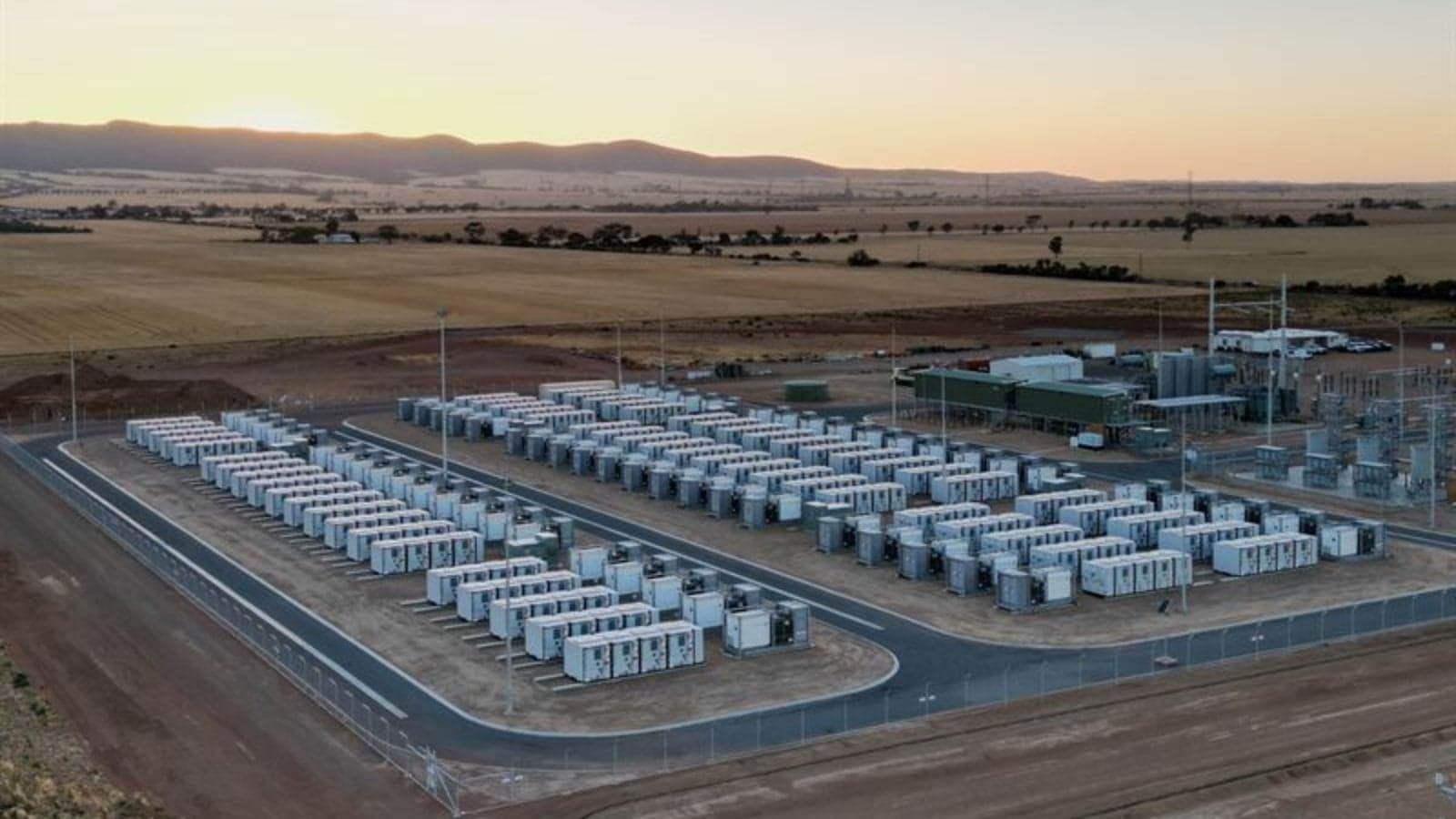
Bulgaria is also emerging as a regional leader in BESS deployment, supported by substantial EU funding. Under the RESTORE programme, Bulgaria has received over €587 million - more than any other country in Southeast Europe. Until early October, when Belgium commissioned its largest battery, Bulgaria was home to the biggest battery in Europe (~500MWh).
Southeast Europe, and Bulgaria in particular, holds significant potential to become a regional hub for battery storage
On the challenges side, grid capacity bottlenecks are a major concern. An immature balancing market further limits the full potential of BESS. Additionally, compared to Central and Western Europe, Bulgaria is perceived to have higher political, economic and regulatory risks, which can affect investor confidence and financing conditions.
How is EVN Bulgaria positioning itself in the emerging storage ecosystem?
At EVN Bulgaria, we recognise battery energy storage as a cornerstone of future energy markets. Our strategic focus is on delivering high-value services that go beyond technology: integrating market expertise, operational excellence and digital innovation.
As a well-established electricity supplier, we are starting with BESS optimisation and marketing across all short-term markets. Just last week, we successfully launched these services for our first client’s battery system. This is a highly specialised offering that requires real-time market monitoring, strategic decision-making and precise execution. It’s not just about forecasting: it’s about continuous physical control. Our operations run 24/7, year-round, ensuring assets are managed with precision and reliability.
We benefit from the expertise of CyberGrid, a member of our group and a leader in flexibility management software. Their platform enables us to optimise battery dispatch and maximise revenue across multiple market layers.
Site visit: How intelligent flexibility can make renewables more profitable
Beyond operations, we aim to provide end-to-end support, helping clients define optimal battery size, assess economic feasibility and navigate regulatory and procedural steps for construction and commissioning. Our goal is to become a one-stop shop for BESS, supporting clients from concept to operation.
How can national regulators better value storage for grid services?
Battery storage still faces regulatory uncertainty and, in some cases, duplicative grid charges. This is where national regulators play a crucial role, by establishing a transparent connection framework and cost-reflective tariffs. Such clarity enables operators to plan capacity effectively and ensures that storage is deployed where it delivers real system value.
Batteries can ease congestion, stabilise voltage, and provide rapid balancing. If TSOs and DSOs are allowed to procure these services transparently, storage becomes a flexibility partner that reduces grid reinforcement costs and enhances reliability.
Currently, grid operators’ revenues are largely tied to physical infrastructure investments rather than efficient grid management. This creates little incentive to adopt flexibility solutions like storage. Regulators can address this by shifting to a TOTEX-based regulation, which considers total expenditure (CAPEX + OPEX) and rewards the most cost-effective overall solution.
When combined with outcome-based incentives such as improved reliability, faster connection times or reduced congestion, this approach makes operators financially neutral between building infrastructure and contracting flexibility services, including storage.
Rather than imposing strict obligations, regulators can encourage DSOs and TSOs to explore storage early in network planning. For example, performance incentives for avoided reinforcement or increased hosting capacity can promote innovation without adding unnecessary bureaucracy.
Regulators should clarify priority rules and data interfaces to allow a single battery to deliver multiple services safely and transparently
Storage can serve both grid and market needs, providing local congestion relief, voltage control and black-start capability, as well as balancing, reserve and arbitrage services. Yet many regulatory frameworks force operators or investors to choose one role. Regulators should clarify priority rules and data interfaces to allow a single battery to deliver multiple services safely and transparently. This maximises asset utilisation and reduces overall system costs.
What market models could make storage more profitable and attractive for investors?
To attract investment in energy storage, a stable and transparent regulatory framework is essential. Investors need confidence that market rules are clearly defined, consistently enforced, and remain relatively stable over the asset’s lifetime. Regulatory certainty reduces risk and encourages long-term capital deployment.
In more developed EU markets, BESS are most profitable when participating in balancing markets. These markets offer multiple revenue streams, including capacity and energy payments for both upward and downward regulation.
However, Bulgaria’s balancing market still trails behind its EU peers. For instance:
- No capacity payment for downward regulation, limiting revenue potential.
- Upward regulation capacity payments require 24-hour availability, which is impractical for most battery systems designed for shorter-duration flexibility.
- Intraday market gate closure is 60 minutes before delivery, restricting dynamic participation.
These limitations hinder the revenue potential of BESS in Bulgaria. To unlock their full potential, market reforms should include:
- Introducing capacity payments for downward regulation.
- Allowing shorter-duration availability windows for upward regulation.
- Reducing gate closure times to enable more agile participation.
Such changes would not only improve investor returns but also allow the TSO to better utilise the technical capabilities of batteries—critical as the grid increasingly requires fast-response flexibility.
How do you see the role of distribution system operators (DSOs) evolving as active participants in flexibility markets?
DSOs are undergoing a transformation—from passive grid operators to active market facilitators. While the use of flexibility services by DSOs is still emerging, they are increasingly leveraging these tools to manage their networks more efficiently.
Key areas where DSOs are evolving include:
- Grid Congestion Management: Moving toward predictive approaches to anticipate and mitigate congestion.
- Market Facilitation: Enabling local flexibility markets and coordinating with TSOs to optimise system-wide operations.
- Data Exchange and Digitalisation: Real-time data sharing between DSOs, TSOs, aggregators, and other stakeholders is essential for unlocking flexibility. Seamless data exchange is the backbone of effective coordination.
From a customer engagement perspective, DSOs must interact more actively with end-users to unlock distributed flexibility—often through mechanisms like dynamic tariffs or incentive programs.
Also of interest: How an Italian company is redefining how the world stores power
This evolution positions DSOs as key enablers of a decentralised, flexible, and resilient energy system.
What is one key message you want to highlight at Enlit Europe?
Energy storage is no longer just a technological necessity—it’s a strategic asset. With EVN Bulgaria and CyberGrid, we demonstrate how smart battery management transforms flexibility into market power, delivering real revenue, grid stability, and long-term sustainability.
Kalina Trifonova will be speaking about the importance of energy storage at Enlit Europe, taking place in Bilbao on 18-20 November 2025. Register here to book your ticket.