Why switchgear will be vital for the US wind energy boom
Guest/partner contributor
Posted on: 23 May 2023
Medium Voltage (MW) Gas Insulated Switchgear (GIS) is a crucial component in wind turbines and the market is expected to experience significant growth in the coming years.
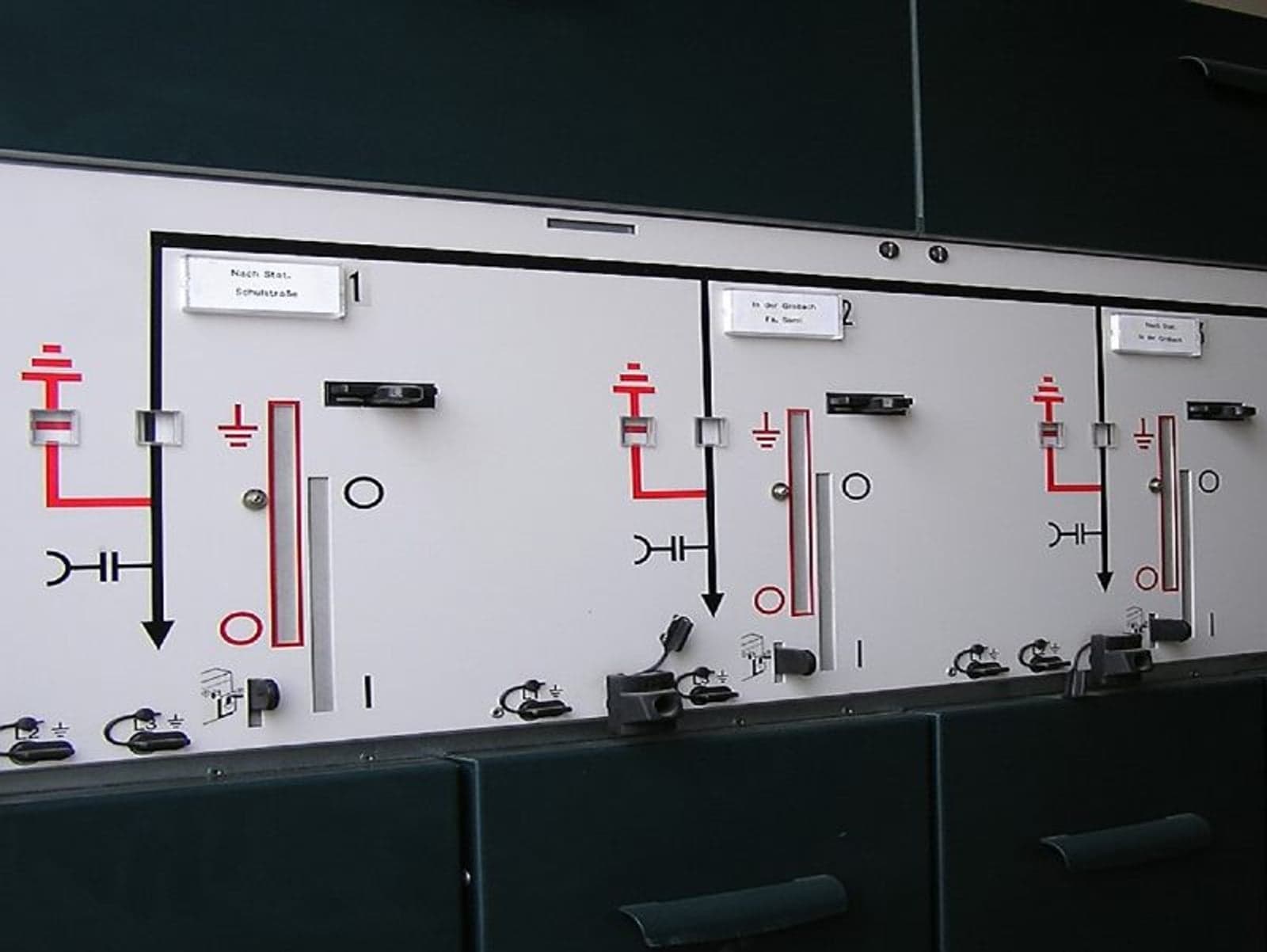
Switchgear has a vital role to play in the shift to renewables, and particularly windpower, in the US, writes Muhammad Usman.

The US government has set ambitious targets for its energy transition, including achieving 30GW of offshore wind capacity by 2030 and an additional 15GW of floating offshore wind installations by 2035.
The medium voltage gas insulated switchgear is a crucial component in both onshore and offshore wind turbines and is expected to experience significant growth in the coming years as new greenfield projects are commissioned.
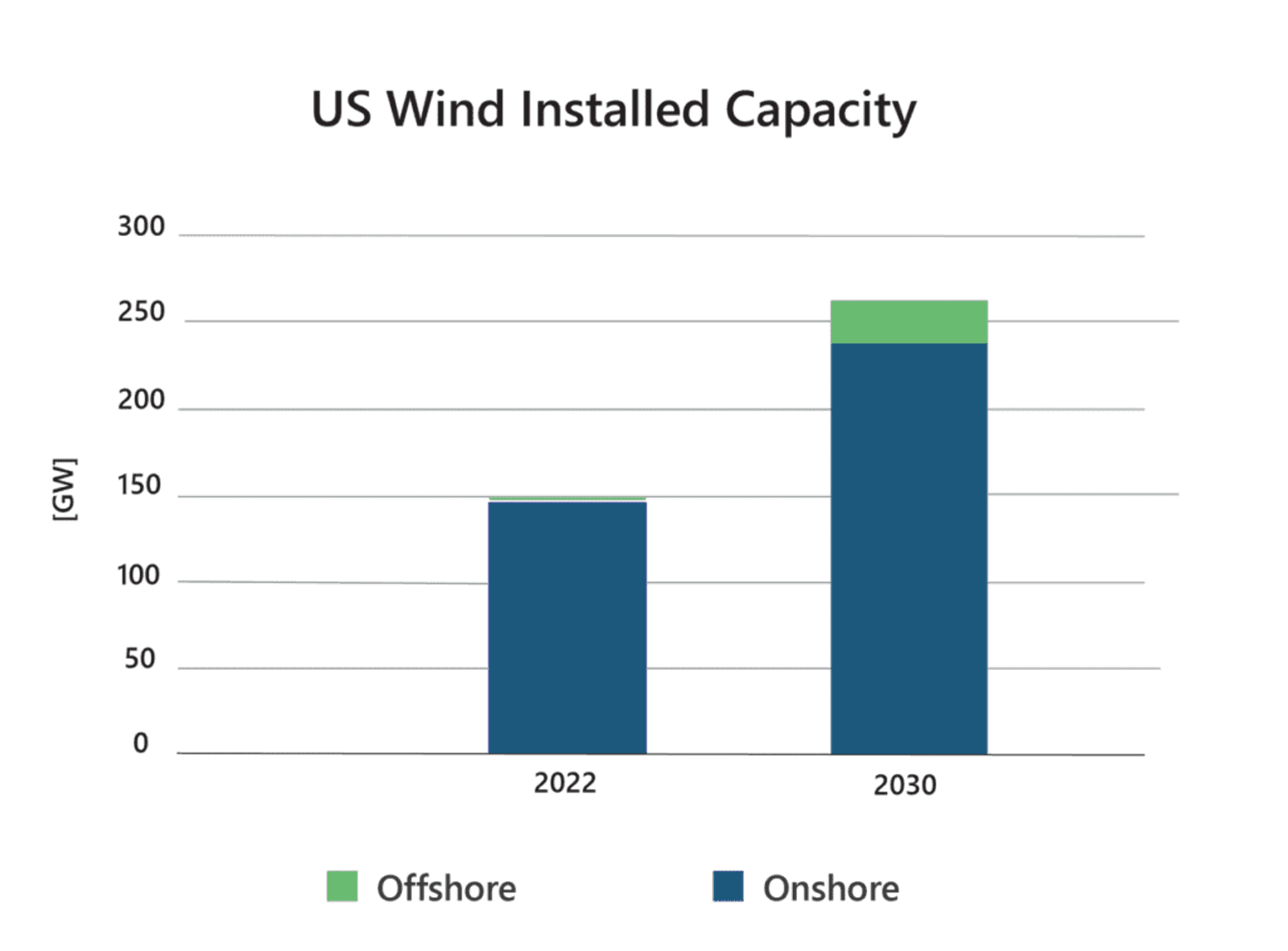
According to the International Energy Agency, the US had installed approximately 144GW of wind capacity by 2022, with onshore wind accounting for nearly 100% of the share.
By 2030, it is estimated that the total installed wind capacity in the US will exceed 260GW, with offshore wind expected to make up 30GW of this figure using fixed-bottom technology, according to PTR Inc.
In September 2022, a new goal was announced to reach an ambitious 15GW capacity of floating offshore wind turbines.
Switchgear in wind turbines
Medium Voltage Gas Insulated Switchgear (MV GIS) typically consists of several components, including circuit breakers, load break switches, earthing switches, contactors, fuses, and surge arresters.
Each of these components serves a specific purpose and must comply with pre-specified manufacturing and operation standards, as mandated by IEC 62271-200.
These standards encompass three key functions of switchgear power systems: electrical protection, electrical isolation, and control.
The voltage class of switchgear directly influences the choice of materials used for component manufacture and insulation requirements.
As the industry moves away from SF6 insulation gas, medium voltage offers the advantage of using vacuum or dry gas as insulation materials. Furthermore, since equipment costs are directly proportional to raw material and insulation material prices, MV GIS is an excellent option for wind power plant applications.
Have you read?
ABB showcases sustainability alongside ‘silent enabler’ switchgear
Replacing F-gases in switchgear: a revolution in the making
In addition to material and insulation benefits, the physical size of equipment is also dependent on the voltage level.
Low voltage is inadequate for the power needs of modern wind turbines, while high voltage equipment necessitates larger nacelle or tower sizes for safe installation. In contrast, MV switchgear enables safer onsite inspections and maintenance.
MV GIS outlook for the US
While the installed base of gas insulated switchgear (GIS) in the US is lower than air insulated switchgear, the GIS market is poised for rapid growth in the secondary market due to increasing demand from the generation vertical, particularly as more wind sources are added.
Initially, this growth will be driven by greenfield projects. However, as the service life of this equipment lengthens, brownfield replacement projects will become a significant contributor to growth.
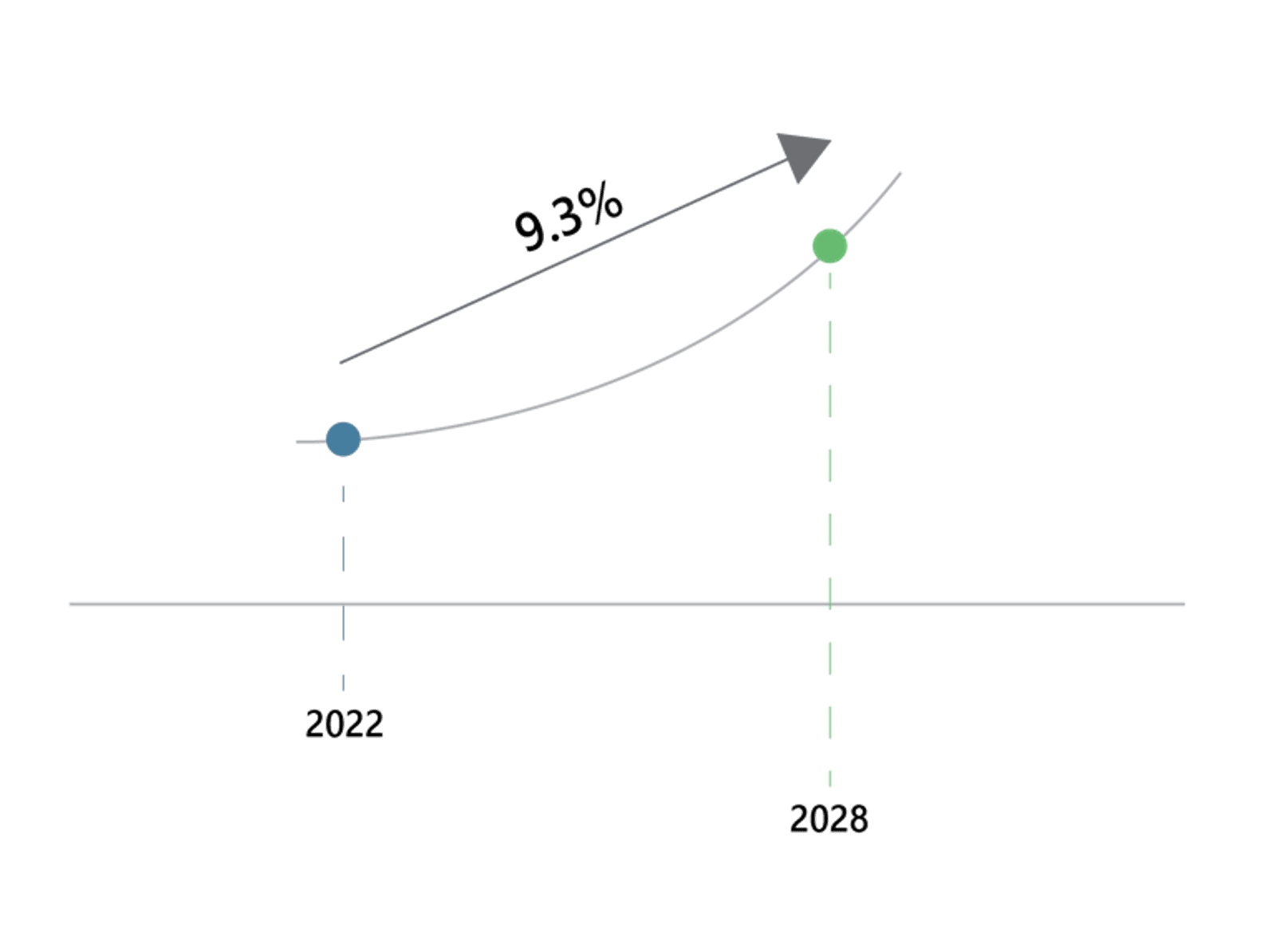
According to preliminary estimates from PTR Inc., the installed base of secondary GIS is expected to experience a substantial Compound Annual Growth Rate (CAGR) of approximately 10.5% from 2022 to 2027, surpassing annual revenues of USD 245 million.
SF6-Free Future
Sulfur Hexafluoride (SF6) is widely used in the electricity sector as an insulation material due to its excellent arc-quenching and insulation properties.
Despite its effectiveness, SF6 has a very high global warming potential (GWP), and several regions have implemented regulations to limit or ban its usage in electrical equipment. The EU, for instance, has set a deadline to phase out the sale of new switchgear containing SF6 by 2031.
F-gases move closer to phase out in Europe
In the US, various states have introduced initiatives to restrict the usage of high-GWP gases, such as California's regulations through the California Air Resources Board (CARB), which mandates the phase-out of new SF6 purchases starting 1 January 2025.
As a result, PTR Inc. predicts that SF6-free GIS will continue to be a priority for all stakeholders in the renewable energy market, and OEMs will continue to explore alternatives such as vacuum or inert gas mixtures for insulation materials.
MV GIS OEM Market Share
In the US market for medium voltage gas-insulated switchgear, three key players - Siemens, Schneider Electric and ABB - dominate due to their wide range of offerings, expertise in managing GIS operations in Europe, and established global reputation.
Ormazabal and Hyosung, the only non-European players among the top five, also have a significant presence in the market.
However, with the backing of the Inflation Reduction Act (IRA), other original equipment manufacturers such as Eaton have a favorable opportunity to expand their presence in this market.
Positive, pragmatic, disruptive: the ripple effects of the Inflation Reduction Act
Inflation Reduction Act
Several provisions of the IRA are expected to provide a significant boost to the growth of the renewable energy industry in the US through various provisions.
OEMs in the switchgear industry are expected to benefit directly from the increased demand as more renewable energy projects are developed and developers receive tax credits.
Additionally, renewable energy project developers in the US will be further incentivised to procure domestically sourced equipment through an additional tax credit, provided they meet certain thresholds.
To qualify for this credit, 40% of all equipment must be made in the US for projects installed before 2025, while offshore wind projects must have 20% domestically made equipment. Consequently, this will spur local MV GIS manufacturing.
Looking Forward
The wind industry is poised for remarkable growth in the US, driving the demand for SF6-free MV GIS. This technology is particularly attractive due to its ideal combination of size, cost, and ability to withstand power variations associated with renewable power sources, surpassing both LV and HV switchgear.
OEMs in this field will benefit not only from the increased demand from more wind farms but also from incentives to shift some manufacturing processes within the country as developers receive tax credits for procuring locally sourced equipment, as incentivized through the Investment Tax Credit (ITC).
In this highly competitive industry, manufacturers who can offer products that maintain the highest levels of optimum performance while keeping capital, operational, and maintenance expenditures to a minimum will emerge as market leaders in the coming decade, regardless of the OEM.
ABOUT THE AUTHOR
Muhammad Usman is an Analyst at Power Grid at PTR who specializes in MV and HV switchgear market analysis. He is passionate about SF6-free future and digitalization in the energy sector and works closely with clients to provide effective solutions. He has a master's degree in Energy Systems Engineering and has contributed to market reforms in Pakistan's electricity sector through a USAID project.