X-FLEX: Digital tools to increase flexibility and sustainability of our energy system
Guest/partner contributor
Posted on: 2 June 2023
Project X-FLEX gives an update on the research journey and the impact of the project solutions demonstrated in four demo projects in Europe.
Project X-FLEX gives an update on the research journey and the impact of the project solutions demonstrated in four demo projects in Europe.
Digitalization is helping to improve the safety, productivity, accessibility, and sustainability of energy systems around Europe.
The greatest transformational potential for digitalisation is its ability to break down boundaries between energy sectors, increasing flexibility and enabling integration across entire systems. That fact is evidenced by Horizon 2020 project X-FLEX where digital technologies are set to make energy systems for the different actors more connected, intelligent, efficient, reliable, and sustainable.
The X-FLEX Project proposes a set of efficient, cost-effective and integrated solutions, to facilitate the optimum combination of decentralised flexibility assets, both on the generation (DER) side and on the demand side (V2G, power-to-heat/cold/gas, batteries, demand response), enabling all parties to offer their flexibility creating benefits to all the actors in the smart grid value chain.
X-FLEX, coordinated by ETRA and with the participation of 11 partners from 4 EU countries, is unique in its multi-technology, multi-actor approach which, in an increasingly RES-powered grid, ensures security, resilience and stability of the energy supply for all, even under grid-stressing scenarios such as extreme climate events. The demonstration activities of the project in the 4 demo sites in Slovenia, Bulgaria and Greece are also described. Furthermore, the article analyses the preliminary economic, environmental, and social impact assessment results, derived from data collected during the demonstration phase.
Listen also to:
The EU Project Zone Podcast: X-FLEX with Lola Alacreu
TOOLS DESCRIPTION
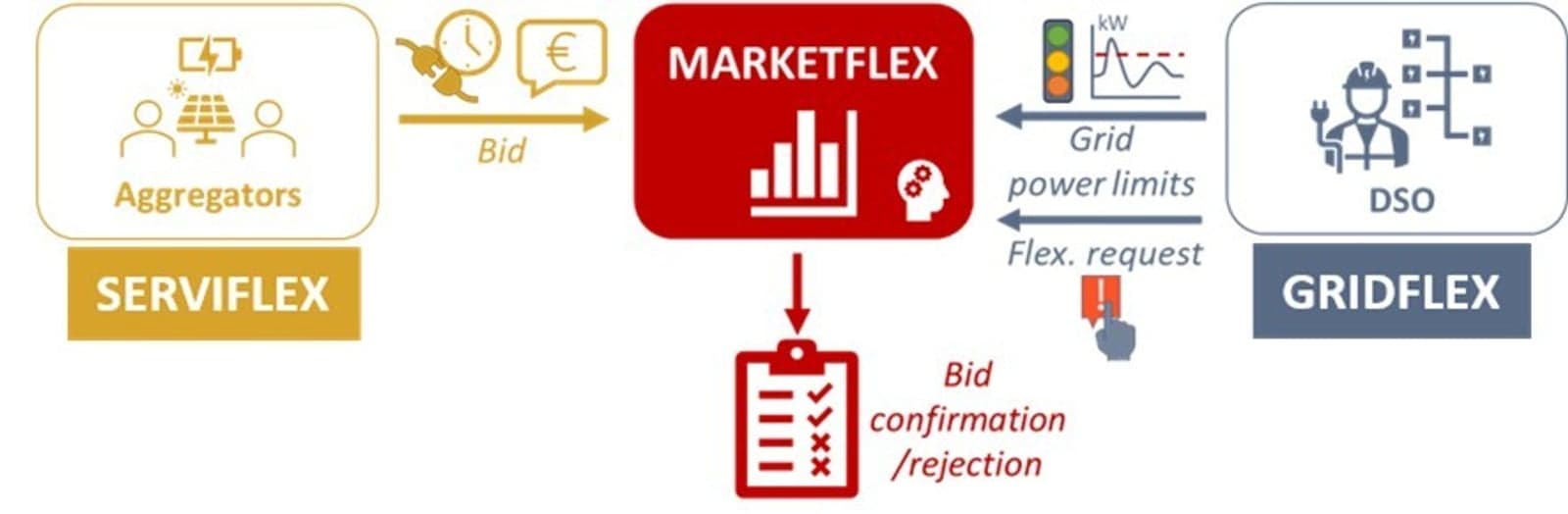
X-FLEX project partners have developed 3 complementary products that offer services to all the energy stakeholders, from network operators (TSO, DSO, microgrid operators) to final consumers/prosumers and flexibility providers, including other intermediate players, such as retailers and aggregators.
- SERVIFLEX for aggregators and other flexibility providers.
- GRIDFLEX for grid and microgrid operators.
- MARKEFLEX for energy market actors.
SERVIFLEX TOOL
SERVIFLEX aims to create and integrate synergies across all energy flexibility sources and technologies, to create the optimal combination of decentralized flexibility assets located along the whole energy value chain. The different layers that comprise the integrated framework are briefly described below.
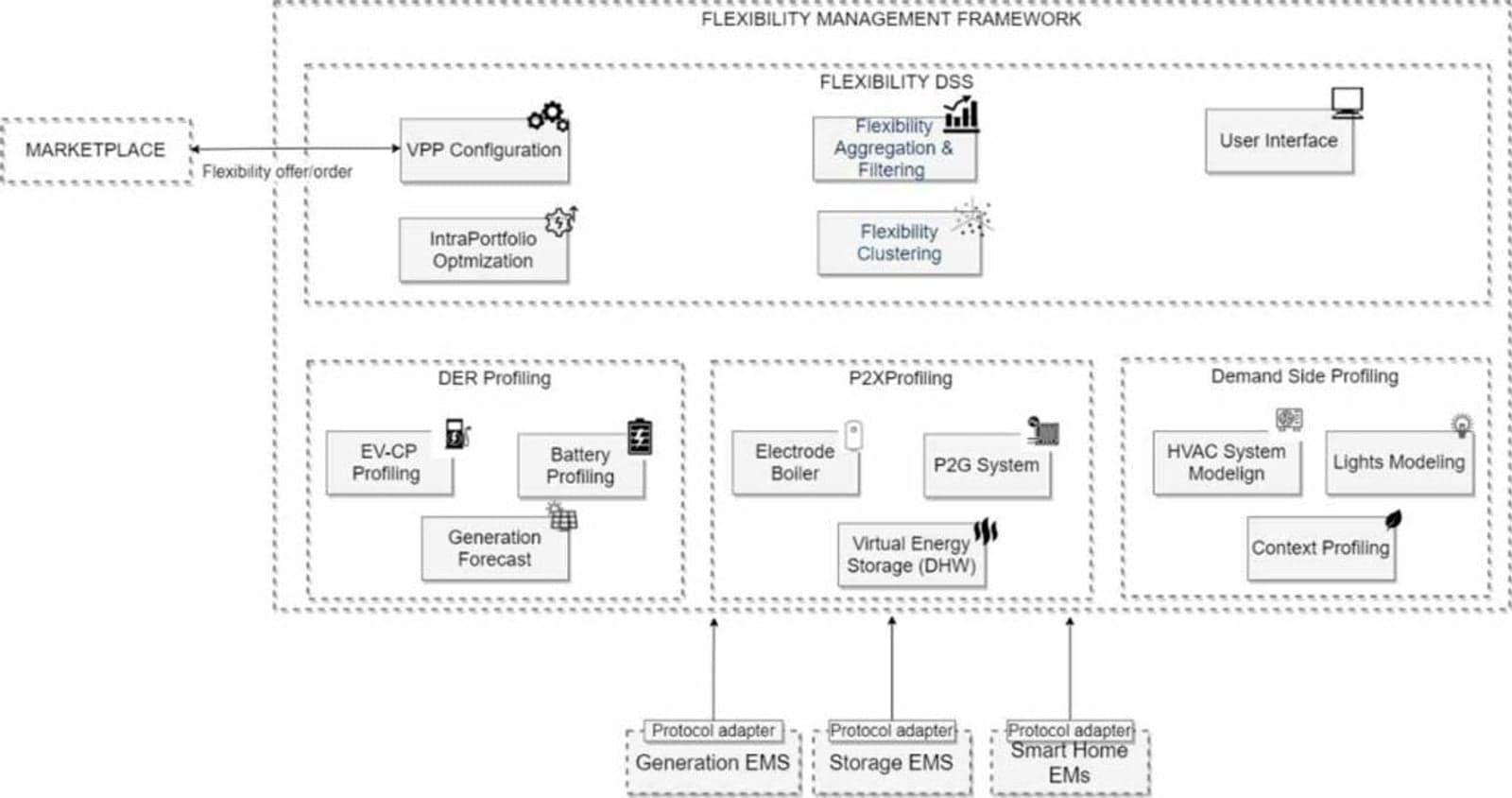
The application layer represents the point of analysis of raw data coming from the different DERs to further model and forecast the operation of these DERs. The different modelling approaches are incorporated into software bundles, setting that way the different microservices for the management of the different flexible assets’ technologies in place, namely:
- DER profiling layer covering generation, battery and EV charging point assets.
- P2X profiling layer covering P2G and P2H solutions.
- Demand Side Flexibility profiling layer covering demand side assets.
In association with the different micro-modules, a unified common semantic layer is defined to ensure that the output of each modelling approach can be easily integrated into the proposed framework. On top of this layer is the (business) flexibility aggregation & clustering component responsible to aggregate the available flexibility from the different flexible sources, further making it available to the Aggregator or 3rd party business entities (marketplace).
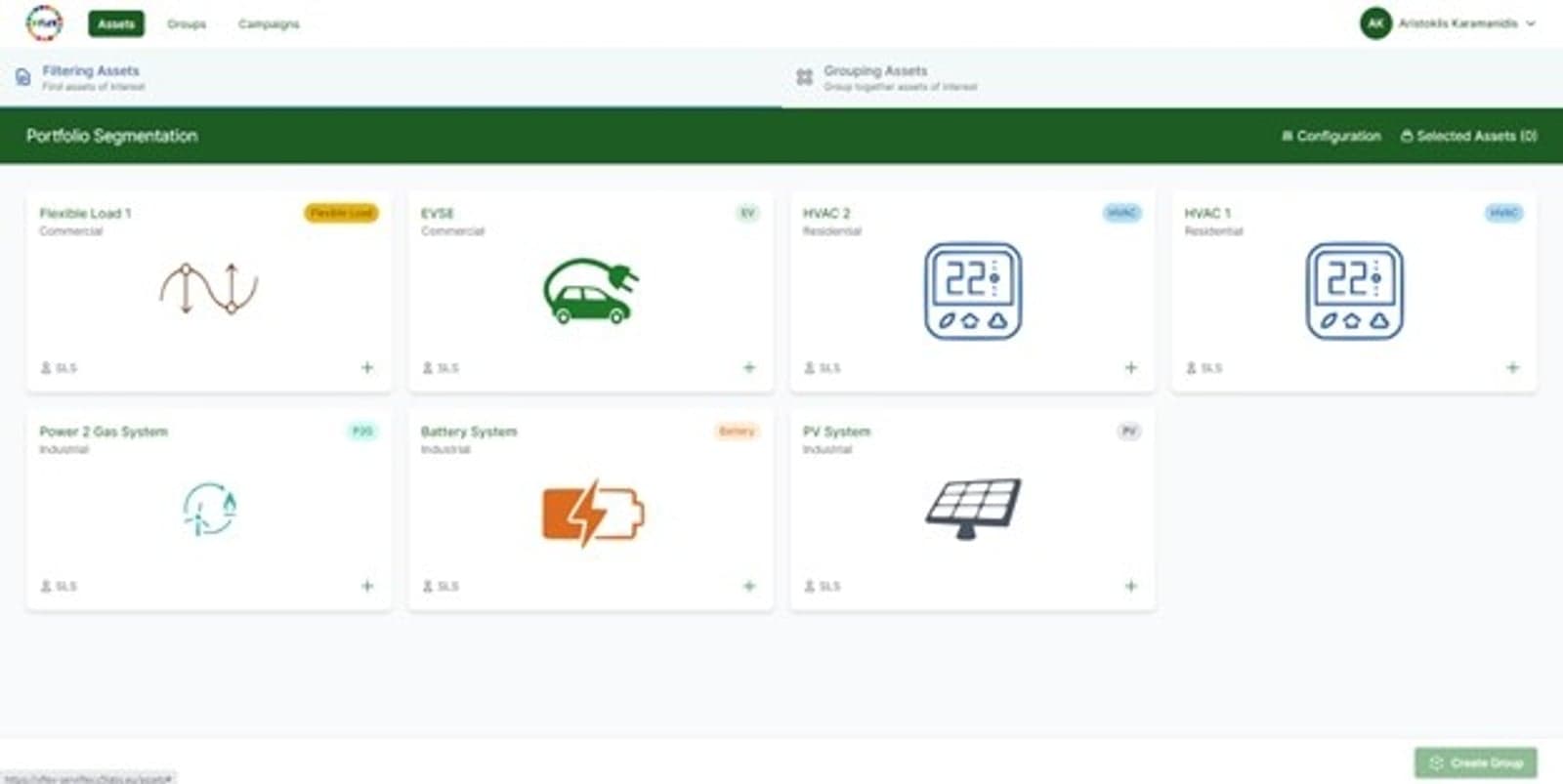
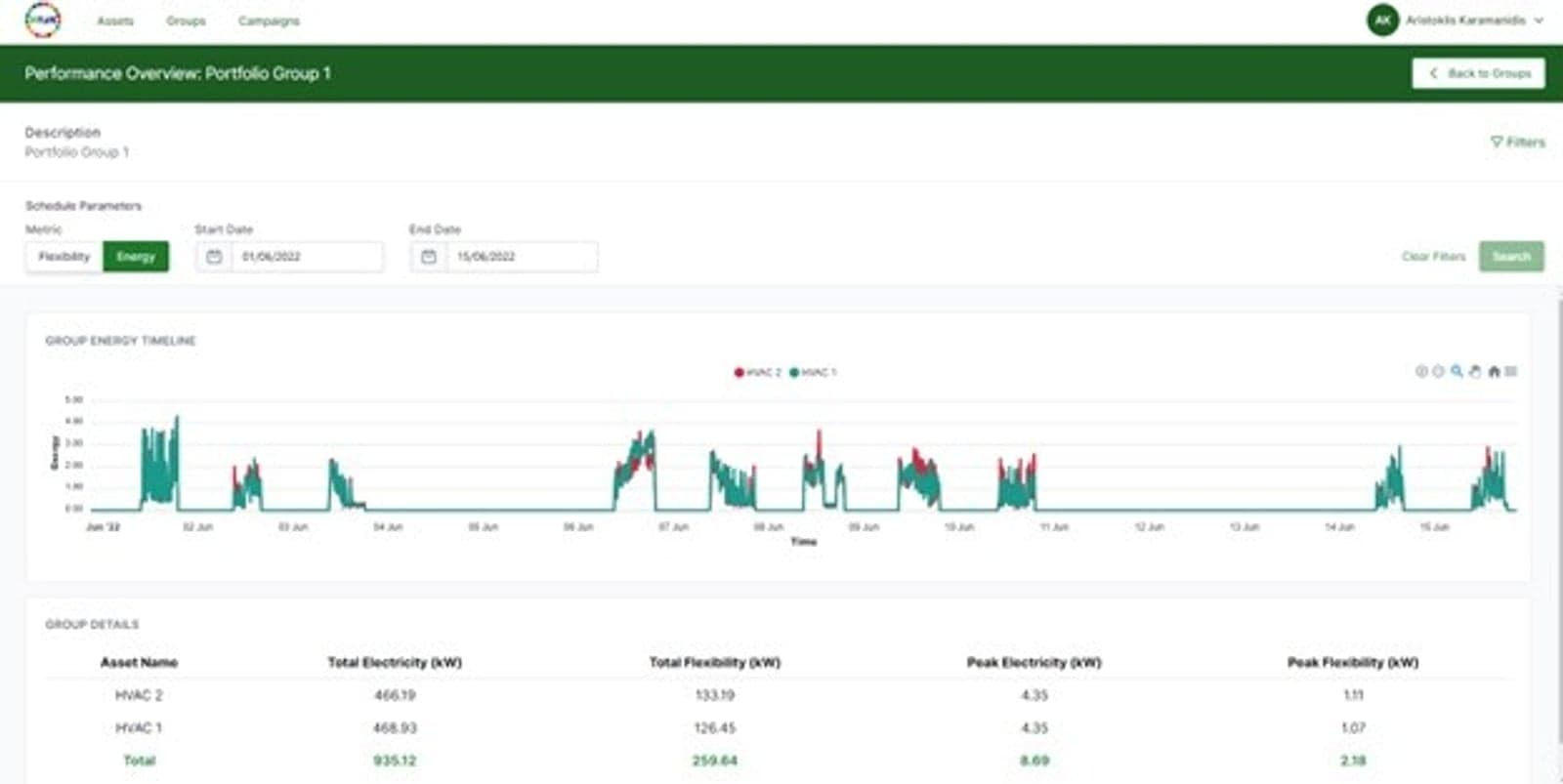
Indicative screenshots of the SERVIFLEX tool are provided below.
GRIDFLEX TOOL:
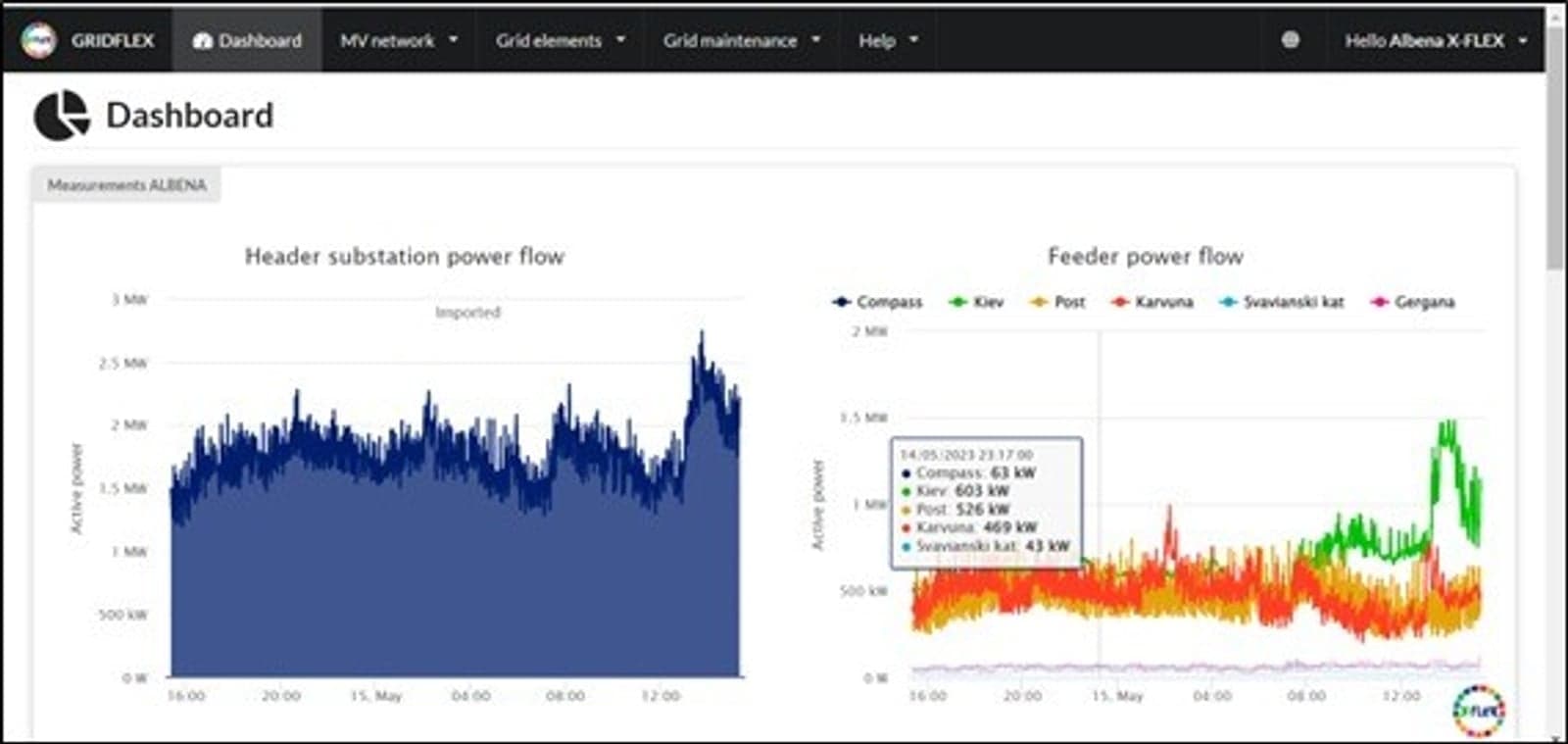
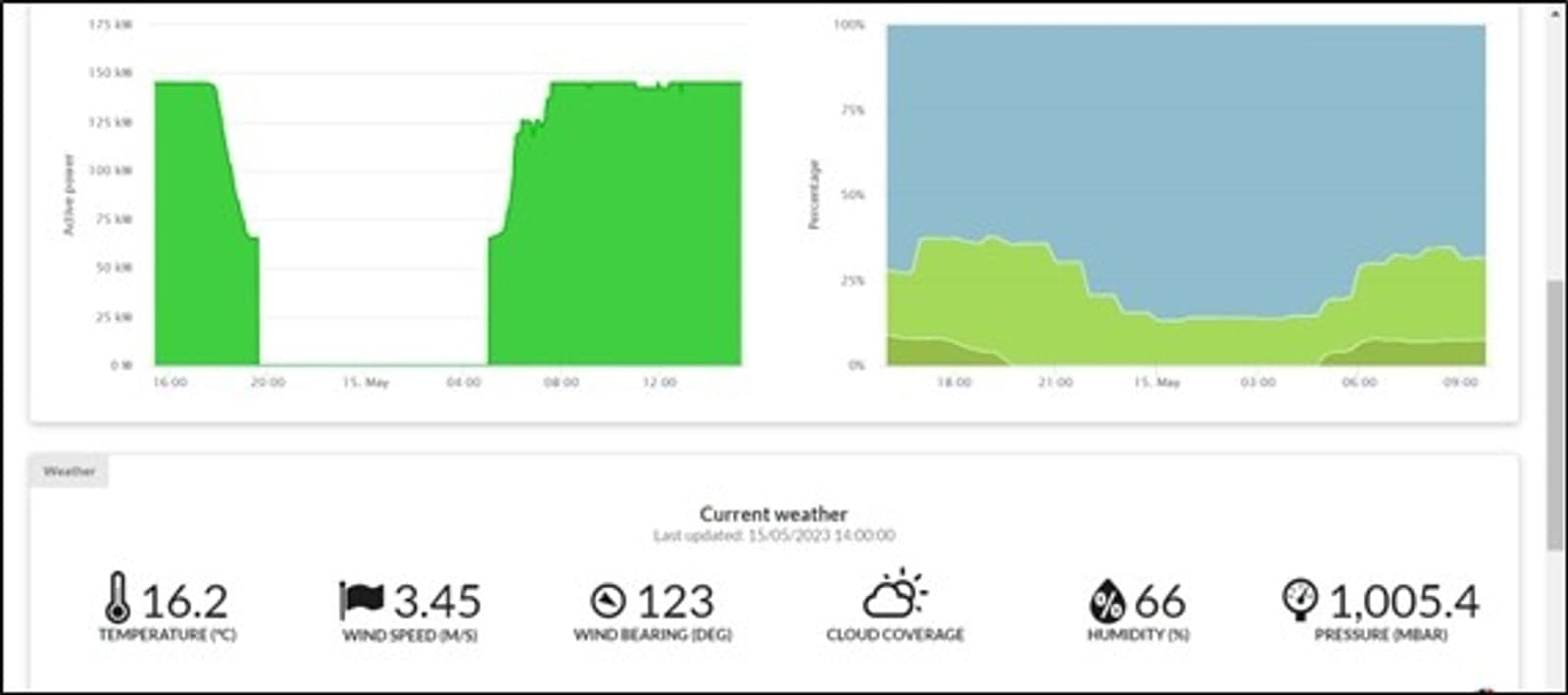
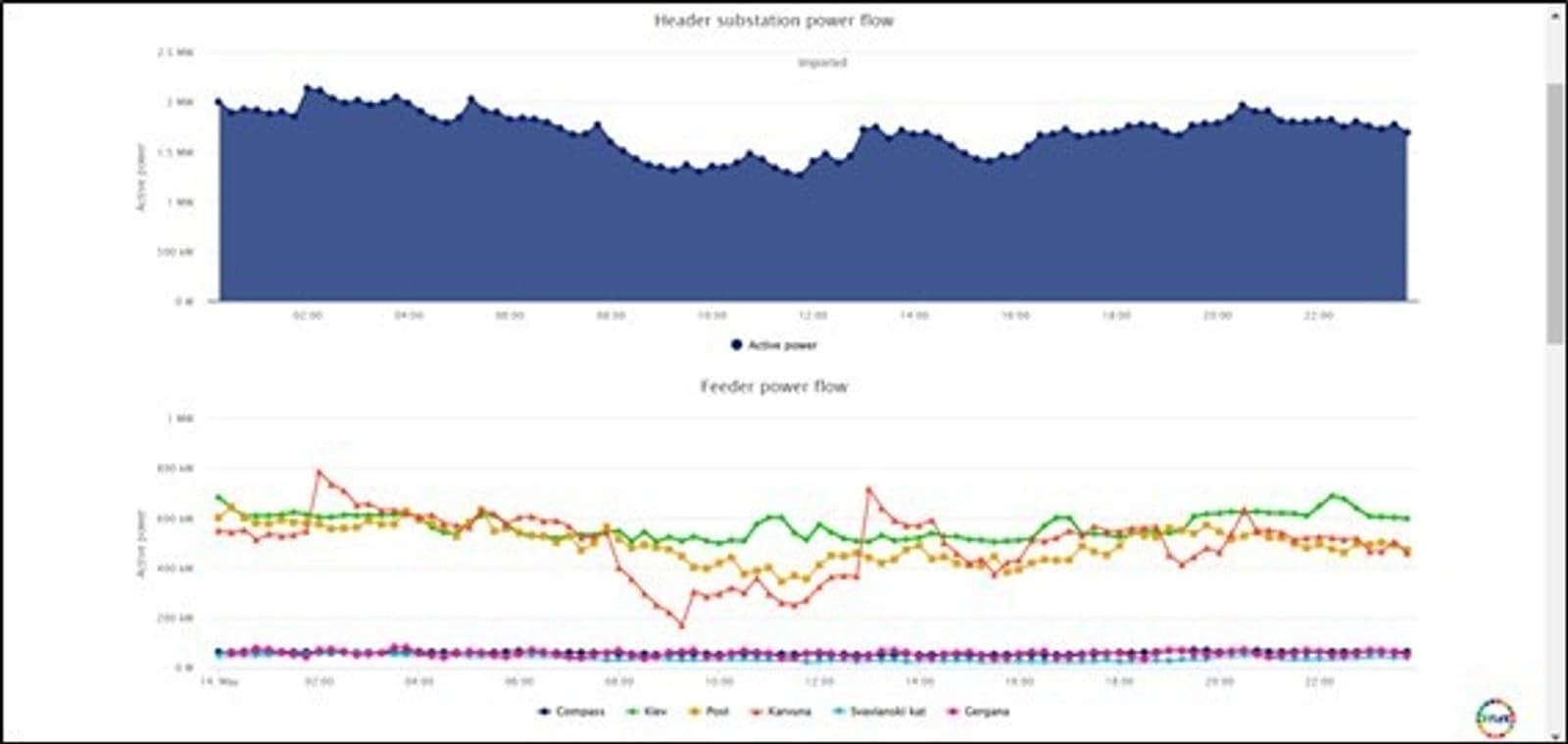
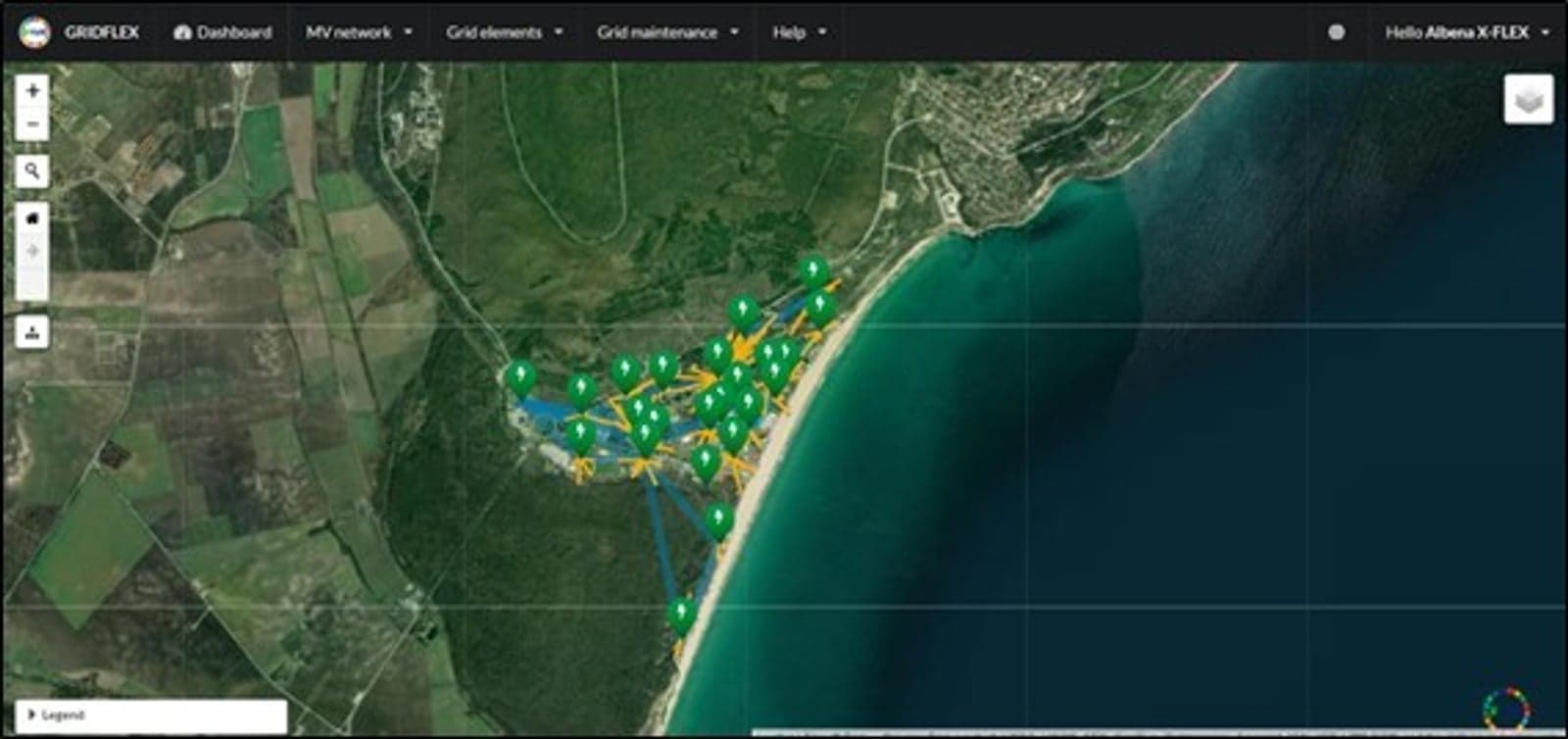
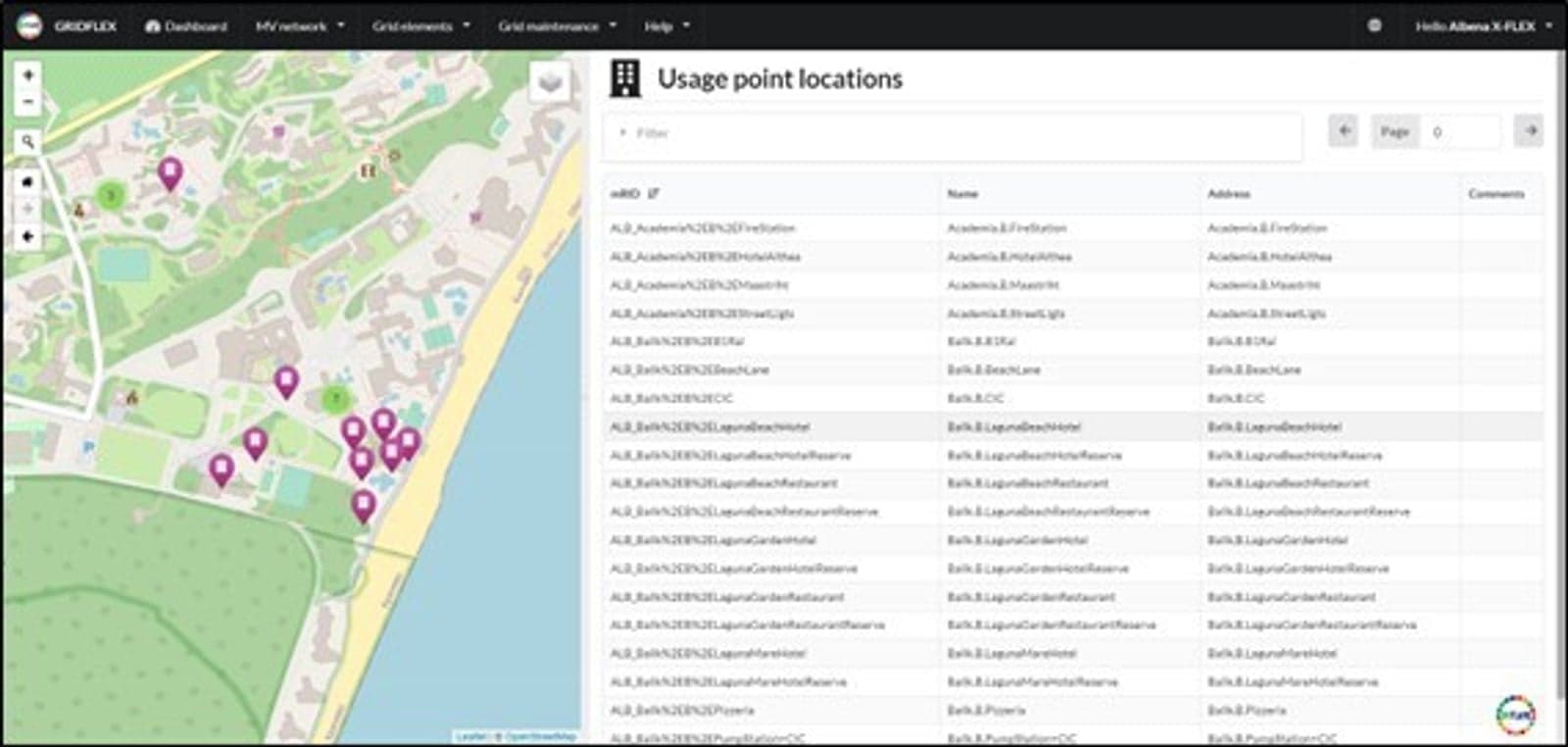
The GRIDFLEX tool is the solution for grid and microgrid operators, for automatic control and observability of the distribution network.
The internal architecture of the GRIDFLEX tool is depicted in the figure below:
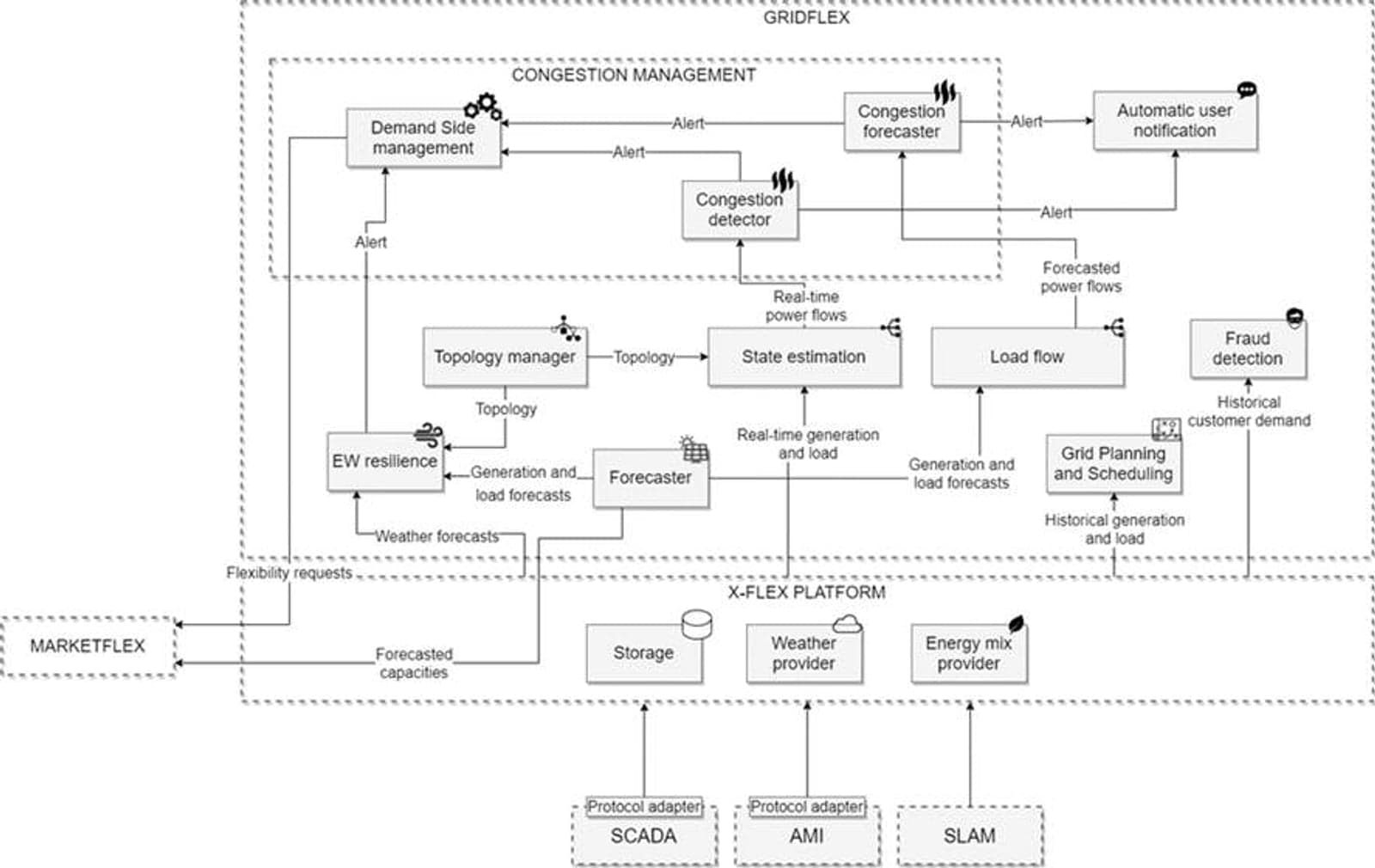
The core of the architecture of the tool is formed by a set of modules and use them to perform some kind of calculation and generate an output, which is usually stored in an internal repository, sent to another module, external source, or a combination of both.
The modules that form the core back-end of GRIDFLEX are:
- Load Flow tool: This module forecasts the power flow in the electrical grid to augment the visibility of the system. It is used in GRIDFLEX to anticipate problems in the grid.
- State Estimation tool: The tool produces the knowledge in real-time of the distribution grid’s state. The tool is essential for the monitoring and handling of congestions in GRIDFLEX.
- Congestion Detection tool: This module detects power quality violations on voltage buses and overloading in power lines. The results play a crucial role in handling congestion issues in GRIDFLEX.
- Demand and Production forecast tool: The tool produces feasible short-term forecasts for the main elements of the grid.
- Congestion forecast tool: The tool is used for the estimation of potential congestion events. Congestions on voltage bus and overloading in power lines that take place in the near future (24-48 hours), taking the forecasts of the future status of the grid as an input.
- Automatic user notification tool: The tool allows the definition of a set of rules that trigger automatic notifications to end-users of the network upon the detection of a specific situation or set of conditions that may affect them.
- Fraud detection tool: The tool analyses historical trends on the energy usage of DSO customers in order to provide alerts on those contracts presenting anomalous and potentially fraudulent behaviours.
- Enhance system’s resilience in extreme weather conditions tool: The tool provides an assessment of distribution system resilience under extreme weather.
- Topology manager tool: This tool allows the user to design the electrical grid using predefined electrical components easily.
- Grid planning and scheduling tool: The tool provides the DSOs with different years-ahead scenarios of DER penetration in their network and their impact on the grid.
- Demand Side Management tool: The module centralises the outcome of different algorithms in order to provide a coordinated strategy to access the flexibility service of MARKETFLEX.
MARKETFLEX TOOL
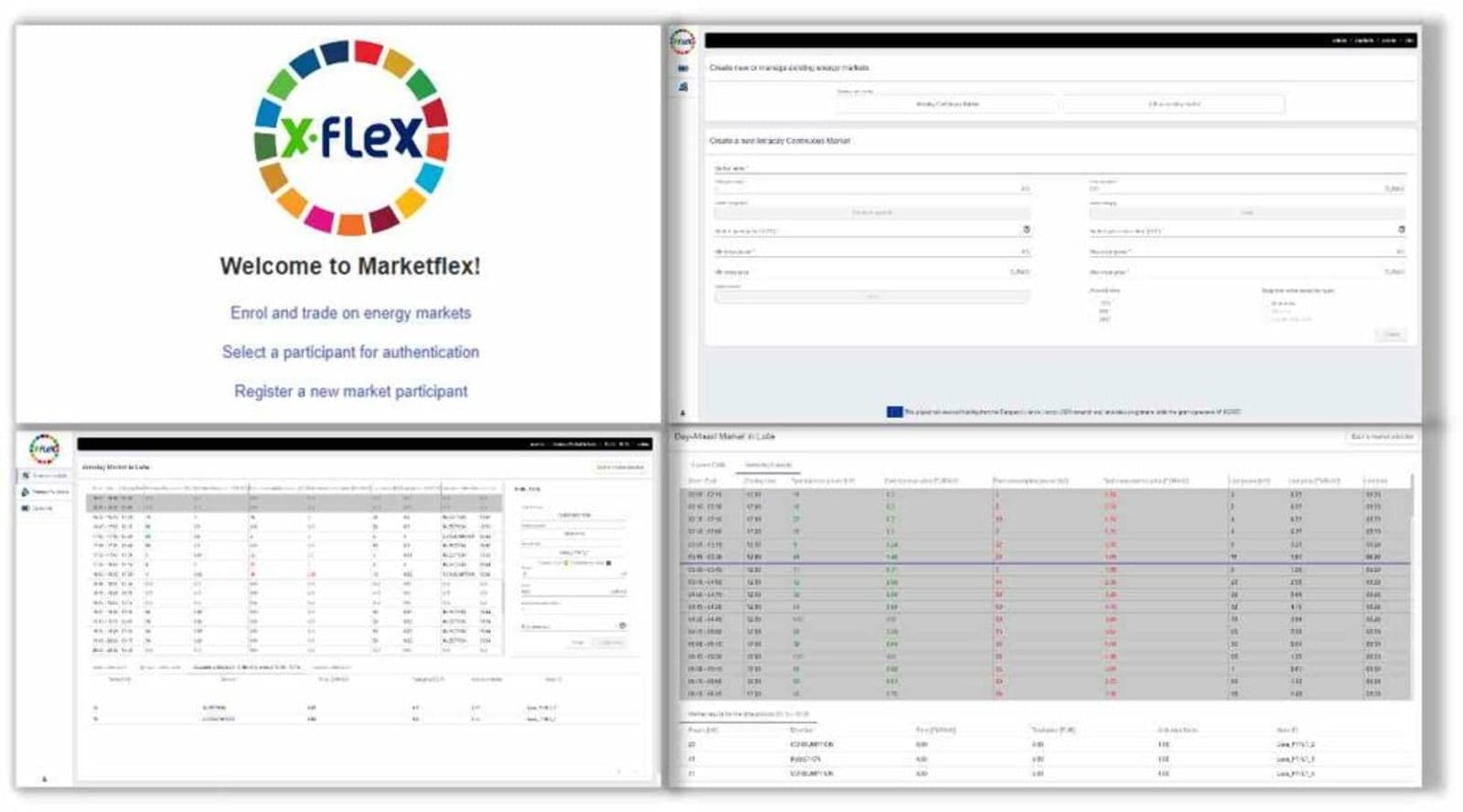
MARKETFLEX tool enables cooperation between distribution system operators (DSOs) and aggregators to provide flexibility services when the distribution network is subject to congestion risks.
The main innovation of MARKETFLEX is to establish new markets on the distribution level, thus enabling small-scale flexibility units to participate in the congestion management process for the distribution network.
With a 15-minute granularity, MARKETFLEX facilitates purchasing of flexibility services through capacity trading. In low voltage networks, MARKETFLEX establishes local markets enabling final consumers and prosumers (generation, DR, flexibility providers) to access the market through an aggregator or through a Balancing Responsible Party (BRP) to participate in local electricity markets or to provide ancillary services to the DSO.
In medium and high voltage networks, MARKETFLEX serves as an intermediary between the energy suppliers or BRPs and the spot exchanges for unregulated markets, and transmission systems operators’ (TSO) platforms for the balancing market.
The core functionalities of MARKETFLEX are the (i) innovative capacity trading mechanisms, (ii) the Traffic Light signals, (iii) the Distribution Grid Cooperation Module and (iv) the trading of capacity through a decentralised blockchain system.
i. The innovative capacity trading mechanisms in MARKETFLEX help DSOs ensure power supply security and quality, as DSOs are facing new challenges in the field of operation of the low and medium voltage network. Two market forms are proposed:
a. Premium Capacity mechanism: where available grid capacities are given to the market participants (aggregators) with the highest willingness to pay.
b. Social Equity mechanism(s): where the network utilization is based on mechanisms that are not price dependent. This can ensure a safer practice in terms of costs. Different mechanisms can be defined by the administrator of MARKETFLEX tool: the “first come first serve” rule or “bigger user first”. MARKETFLEX intends to have modular Social Equity designs, as it could serve different use cases (e.g., microgrid control, energy community management).
ii. The traffic light system defines the market processes based on the grid conditions. The signal is defined and sent by the DSO. Three phases are considered: green, yellow, and red.
a. The green stage corresponds to normal conditions, where no congestions are foreseen by the DSO.
b. The yellow stage corresponds to risky conditions where the activation of additional capacity can put the network operation at risk.
c. The red stage represents violations of the grid limits. The DSO sends a flexibility service request, containing the amount of flexibility and the direction (upward/downward) required.
iii. The Distribution Grid Cooperation Module (DGCM) guarantees that participation in the wholesale markets does not jeopardise the distribution grid conditions.
iv. Blockchain implementation and smart contracts to ensure a decentralised, more secure trading system. In the case of local flexibility markets, the blockchain technology is exploited to implement the trading of capacity with the use of smart contracts.
DEMONSTRATION ACTIVITIES
These solutions will be tested in real conditions in 4 pilot sites in 3 EU Member states: Bulgaria, Slovenia and Greece.
X-FLEX – PILOT SITES LUČE AND RAVNE NA KOROŠKEM (SLOVENIA)
The Slovenian demonstration site comprises two pilot locations, Luče and Ravne na Koroškem. While in Luče the potential of micro-flexibility by households with installed e-chargers, home batteries, community battery and solar power plants is analysed, in Ravne the focus is on offering system services with the 6 MW P2H boiler and large CHP units that are offered as tertiary system reserves for ELES (the Slovenian TSO).
So far, testing at the pilot site in Luče, where the first energy community in Slovenia already operates, has thus successfully demonstrated the possibility of allocating the power of individual charging stations for charging electric vehicles in the case of limited network capacity, through a market mechanism as part of the local market.
The aforementioned tests, in addition to technical challenges such as the need for uniform standards for communication with devices, the need for flexibility, and the different charging powers of different electric vehicles, highlighted the importance of cooperation between all stakeholders in the electricity chain, as well as the importance of cooperation with the wider local community.
The aim is to increase awareness of the challenges promoted by the accelerated transition to renewable sources of electricity and electric mobility. Only in this way, it will be able to develop technical solutions, the goal of which is to make greater use of the existing power infrastructure and potential resources and come to life in practice in the future.
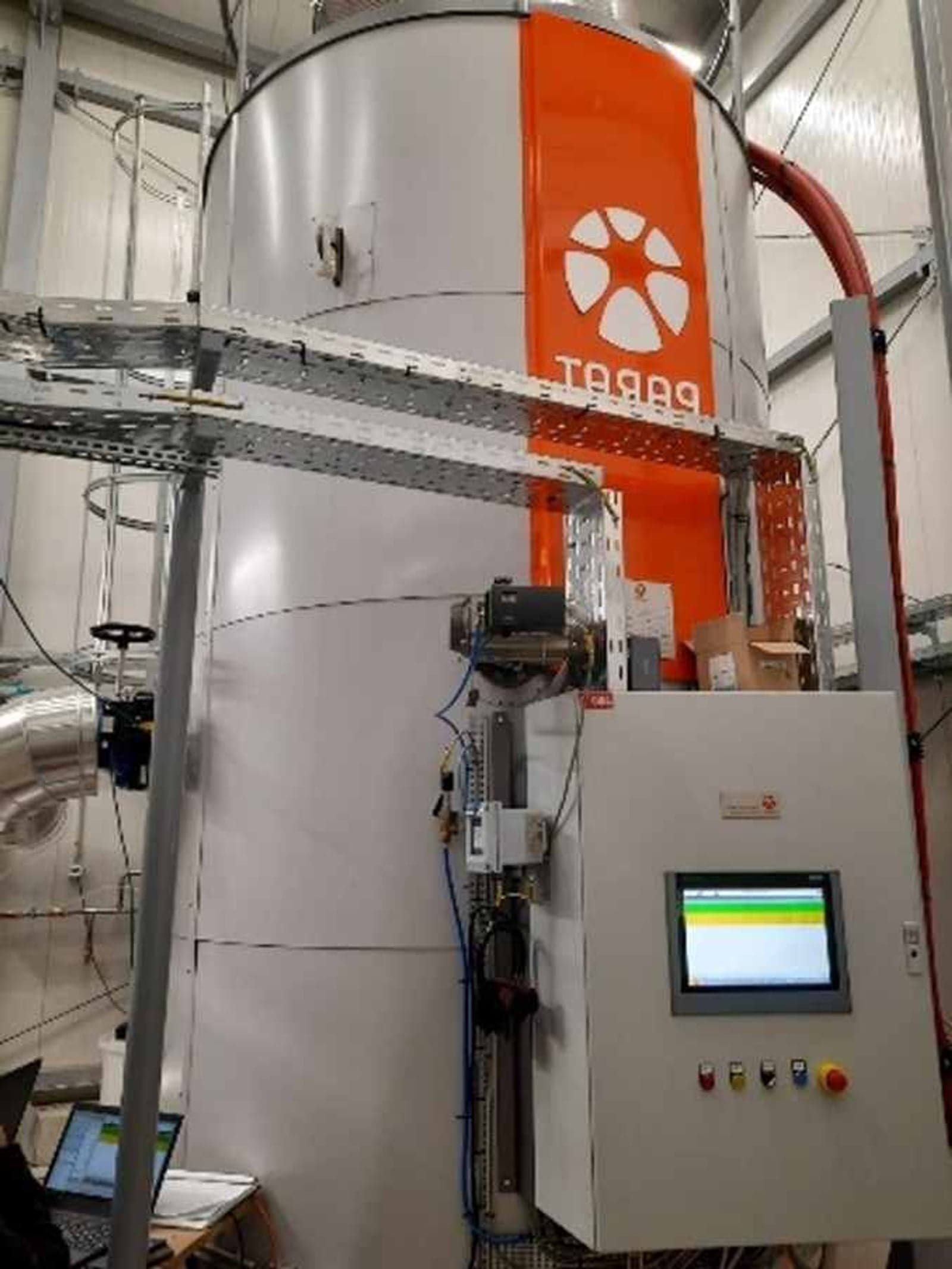
At the pilot site in Ravne na Koroškem, it has been requalified a 6MW P2H boiler by the national TSO and has been offered the system services to a transmission network operator, which enables greater penetration of renewable resources into our network.
In the future, with X-FLEX tools, we will be able to optimize the use of the boiler also for the purpose of providing heat for the district heating system, as X-FLEX tools will enable us to have a comprehensive picture of the energy market and prices of energy products at any moment, and to make decisions based on the information in the X-FLEX platform for the best combination of heating sources according to LCA analysis, CO2 emissions and the cost of energy products.
In summary, the main achievements of X-FLEX in Slovenian pilot sites are:
- Installation of first 6 MW P2H industrial boiler in Slovenia.
- Installation of 9 home EV chargers in Luče.
- Providing ancillary services to DSO and TSO through new energy vectors: P2H boiler and e-vehicles.
- Creating a local Day-Ahead market for members of Energy Communities in Luče for charging e-vehicles.
- Combining ancillary services with the district heating system in Ravne na Koroškem, reaping 2-fold benefits.

X-FLEX – PILOT SITE ALBENA (BULGARIA)
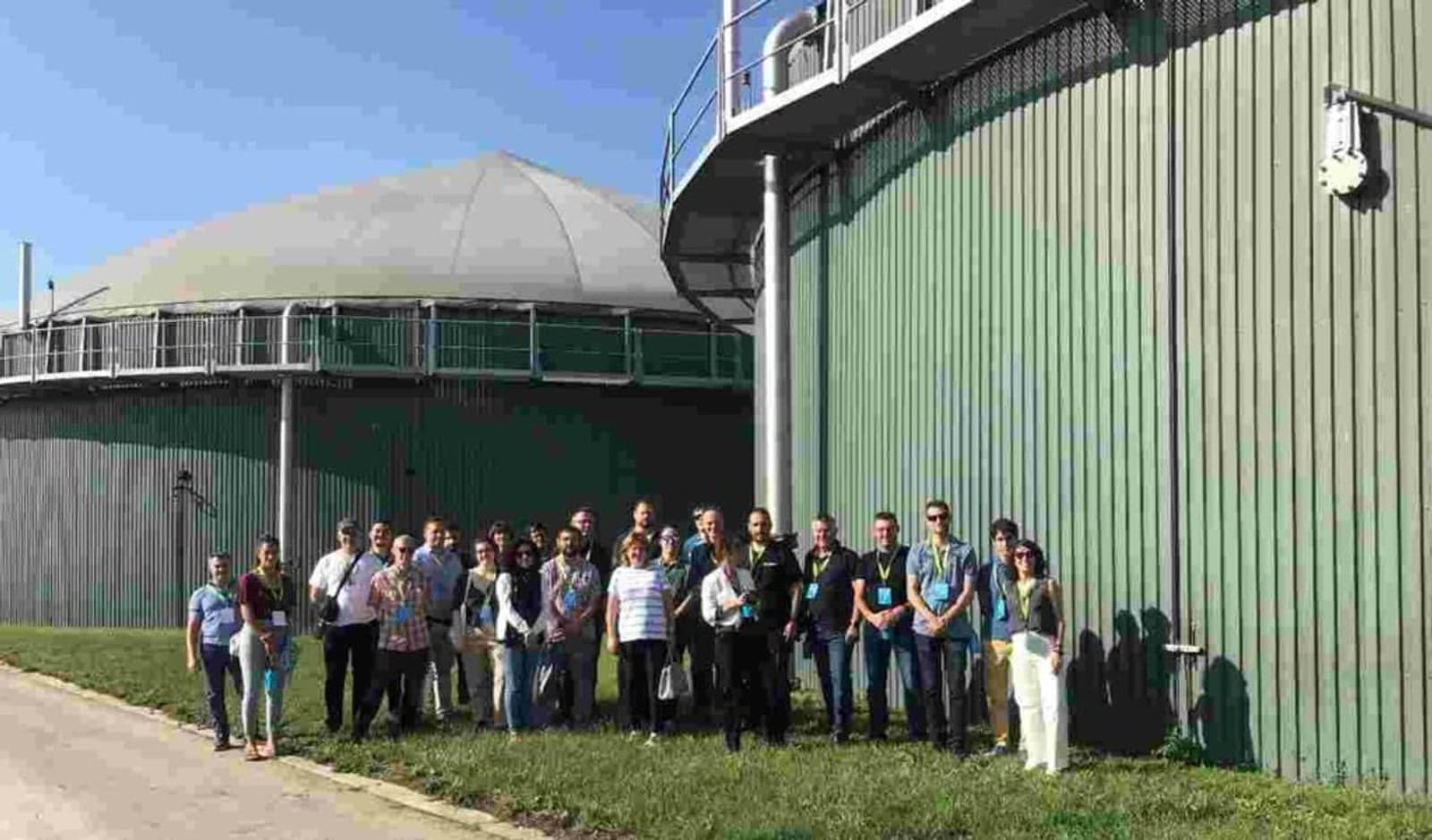
The Bulgarian pilot aims to increase the reliability of its energy monitoring and grid resilience and create flexibility market mechanisms with the provision of a model for financial incentives as a motivation for future flexibility efforts and collaborations. This goal can be further split into three major demonstration groups:
- Demand side management: Monitor and control the on-site industrial size battery, controllable loads (boiler stations) and RES using GRIDFLEX and SERVIFLEX tools in order to increase efficiency, stability and resilience, while decreasing costs and operational resources.
- Ancillary services to TSO: Use GRIDFLEX and MARKETFLEX tools in order to provide Ancillary services to local TSO.
Flexibility market foundation: Establish a base for flexibility market and a flexibility price model to be used by MARKETFLEX tool when providing resources to external parties (e.g. local TSO).
In summary, the main achievements of X-FLEX in Bulgarian pilot sites are:
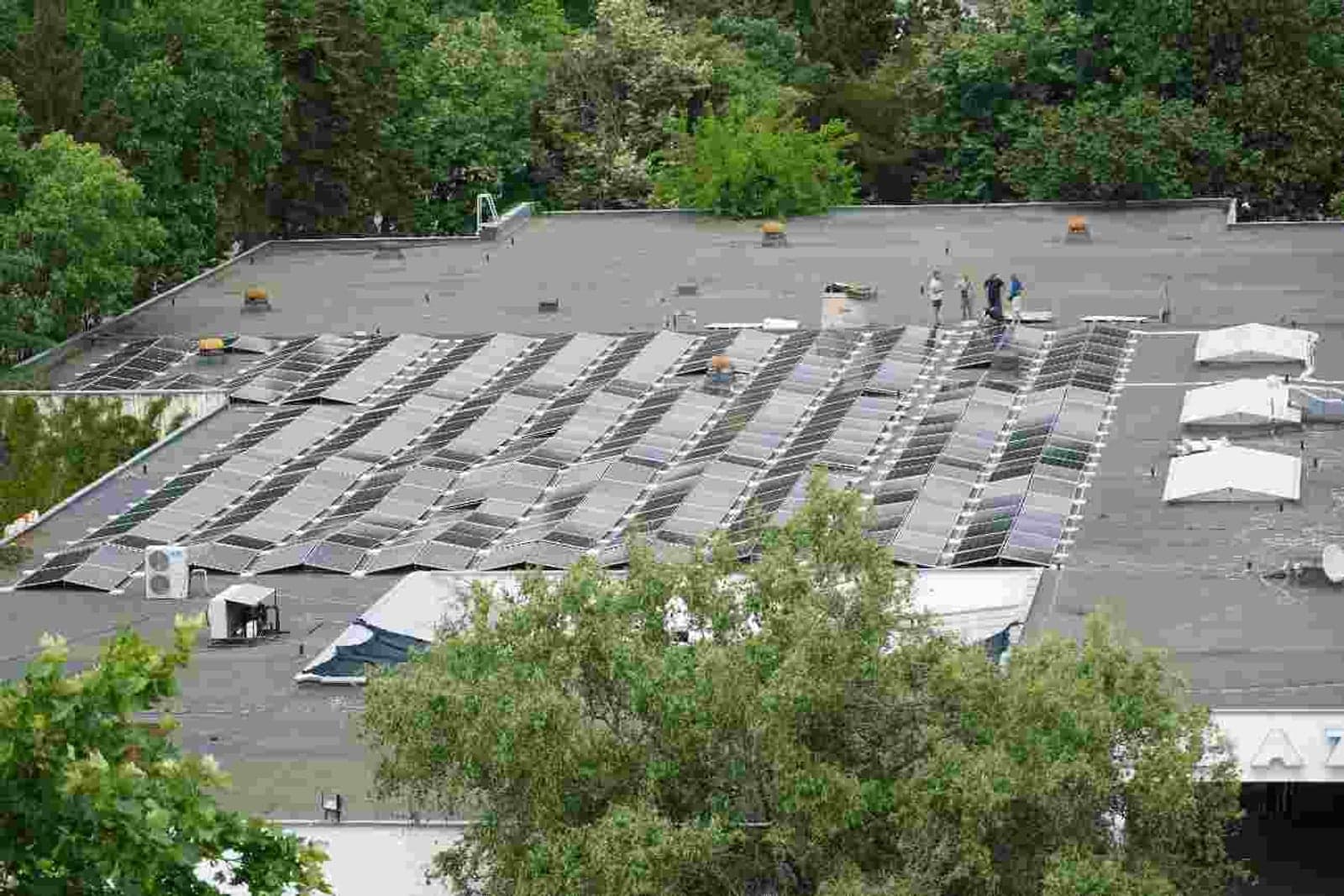
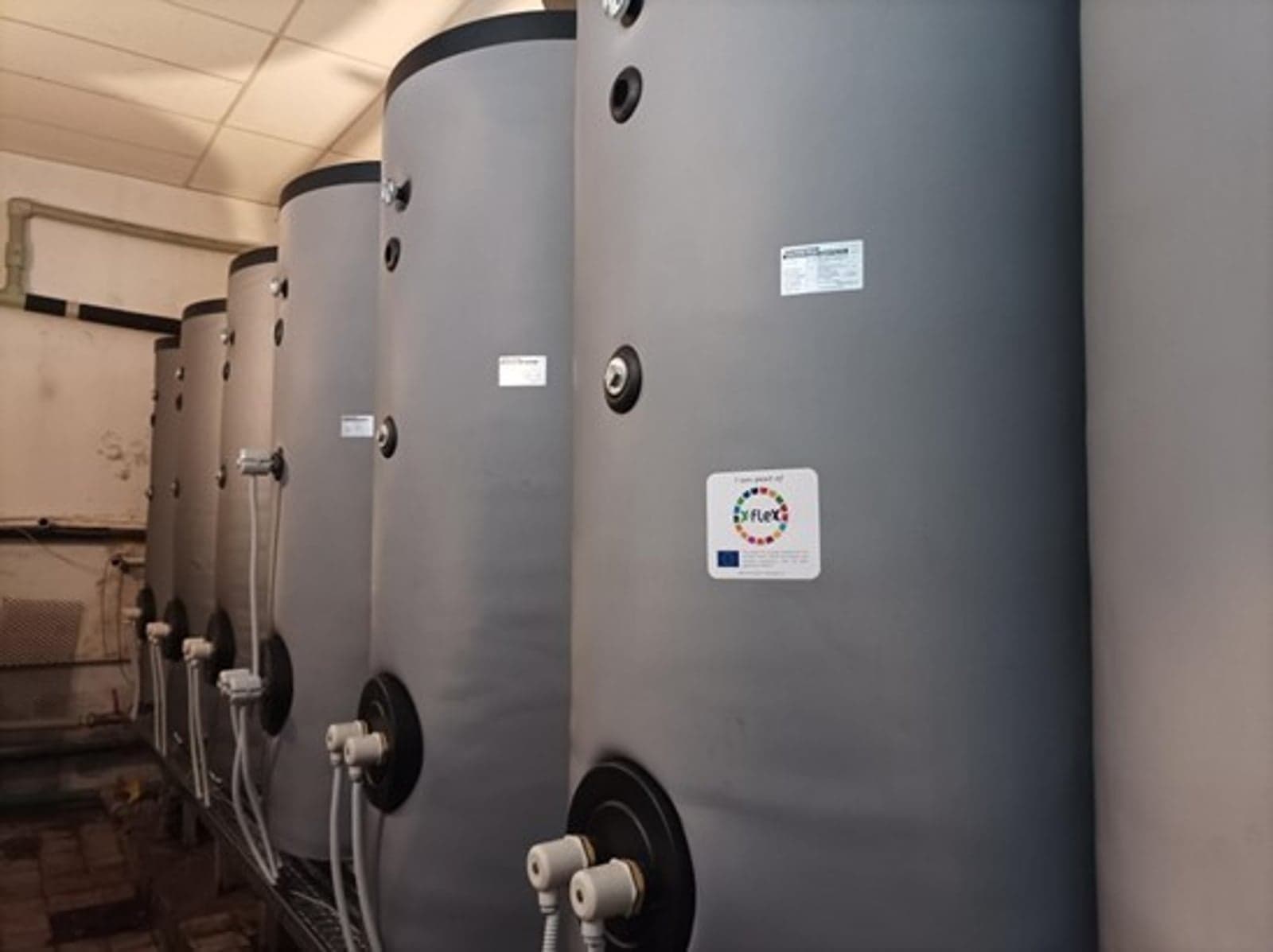
• Installation of 14 Power to heat controllable boiler systems.
• Automation of a biogas power plant.
• Establishing control over PV systems.
• Control and automation of a battery system according to various scenarios.
• Providing ancillary services to TSO through P2H boilers, battery and biogas power plant.
X-FLEX – PILOT SITE XANTHI (GREECE)
A series of new assets installations have taken place during the project, to enhance the network observability, as well as to contribute to the effectiveness of the X-FLEX developed tools. Furthermore, a pallet of several SERVIFLEX and GRIDFLEX modules have been tested and examined, targeting the increased efficiency in network operation and enhanced grid resilience under the continuous threat of extreme weather events, as well as setting the foundations of exploring new innovative cooperation schemes between the grid and the microgrid operator.
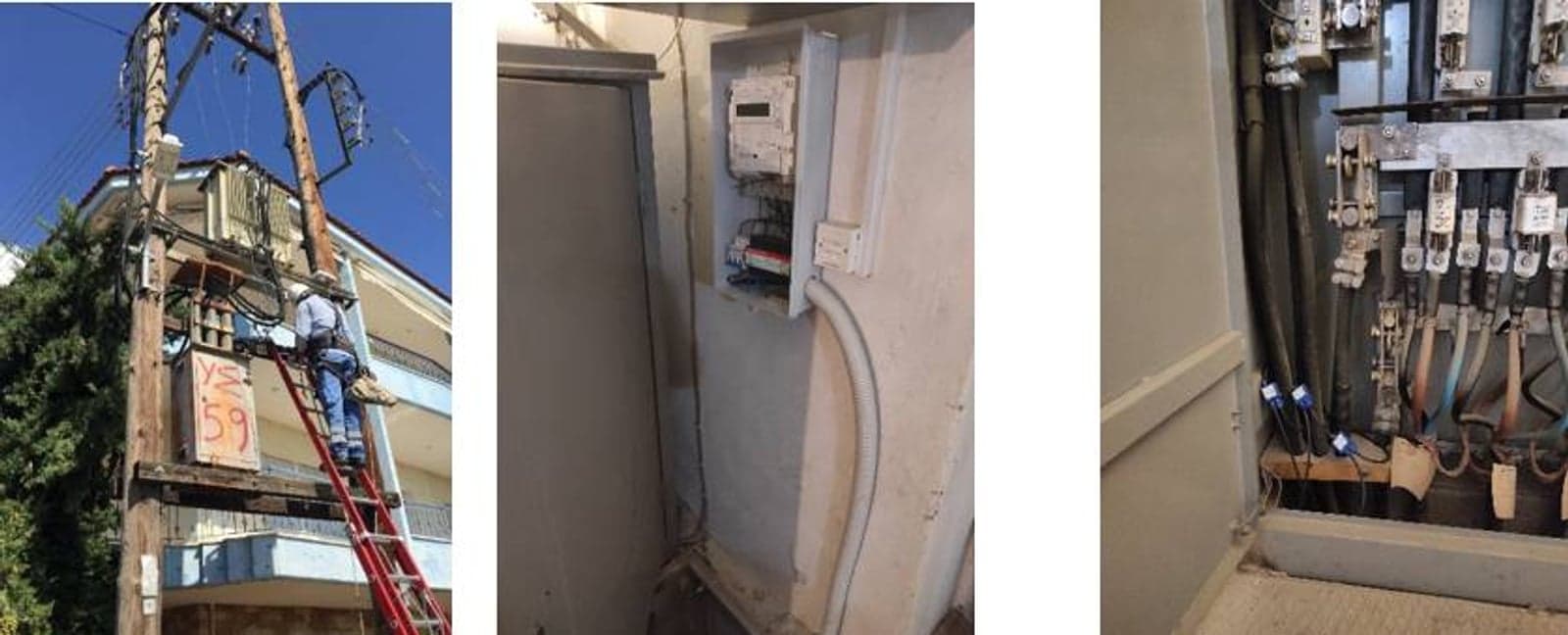
During the X-FLEX Project, a series of new equipment installations took place in several parts of the pilot infrastructure. Installation of 33 SLAM metering devices in SLS, HEDNO premises and in a variety of residential customers was successfully finalised, giving the Greek DSO the capability of a high frequency observability over several LV customer profiles. Another activity of major importance to the network operator is the installation of 5 metering devices on MV/LV substations of the pilot lines.
The aforementioned AMI was installed in 2 overhead and 3 underground substations, contributing both to enhanced observability over the network for the first time in the region of Xanthi, and contemporarily to the accuracy of GRIDFLEX power flow and network monitoring algorithms.
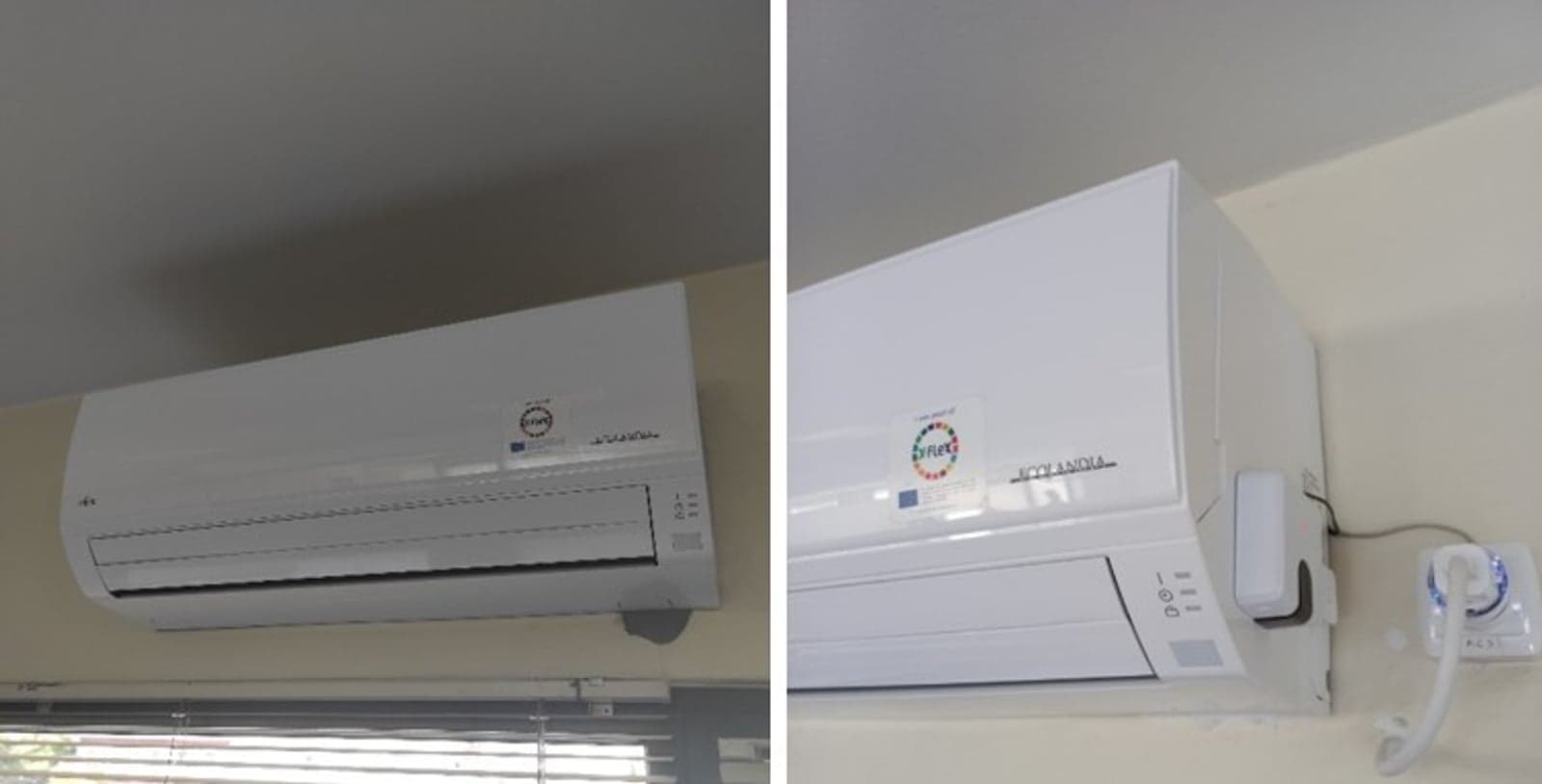
Moreover, the remote controllability of loads was successfully indicated through the installation of 4 HVACs in local HEDNO premises and in Magiko HV/MV substation, where the user has the ability to trigger successful remote-control commands towards the loads through eedomus platform environment.
Finally, the installation of the DC/AC inverter connecting the grid with SLS microgrid, set the basis for the HEDNO/SLS cooperation scenario, where the demonstration of ancillary services from the microgrid operator to the DSO is illustrated.
CONCLUSIONS / LESSONS LEARNT
In this section, the main impacts of the project solutions demonstrated in the four project demo sites are presented.
Impact 1: “Enhance flexibility of distribution grids which are expected to operate in an overall context of 50% electricity production from renewables in 2030”.
Thanks to X-FLEX features, especially from GRIDFLEX tool, several different cases for increasing the flexibility in the distribution grid have been analysed and tested:
- In Albena (Bulgaria) pilot site, we analysed and recommend the possibility to install a higher PV capacity by optimizing load management in cluster of buildings.
- In Luče (Slovenia), we showed the possibility to install higher PV capacity via locally optimizing loads, as a flexibility solution for remote areas where curtailment is a common practice and grid reinforcement is expensive.
- In Ravne (Slovenia) the installed electrode boiler could allow for a higher PV capacity to be installed, as PV summer peaks, which could endanger the grid, can be avoided.
Impact 2: “Contribute to define the conditions of a well-functioning electricity market which creates business case for stakeholders willing to provide such flexibility and allow to sustain the necessary investments (e.g., variable price strategies)”.
- In Albena (Bulgaria), the TSO was involved in the demonstration activities, and together with the project team assessed the cost of decentralized flexibilities expanding the flexibility options in Bulgaria that so far come from hydro and fossil fuels. Also, the operation of a microgrid is an important showcase for the current development of the Bulgarian energy law that still needs to transpose the Clean Energy Package provisions, including Energy Communities. During the project the minimum capacity to offer flexibilities on the mFRR market has been reduced from 5MW to 1 MW, enabling Albena to offer bits on the mFRR market.
- In Luče (Slovenia), the testing of a local flexibility market took place. Slovenia is among the few EU countries that has legislations in use and in plan for local flexibility markets. As an important market player, the utility Petrol, can impact the policy process.
Impact 3: “Improve the capability to manage future energy loads including electrical vehicles”.
- In Albena (Bulgaria) pilot site, there is the possibility to install a higher PV capacity in a segment that has high replication potential in Bulgaria. The X-FLEX tools showed to have practical relevance in managing loads, with SERVIFLEX tool having the most relevant impact.
- Tests in Luče (Slovenia) has been demonstrated that managing the loads of the energy community with a focus on electrical vehicles and batteries has a high impact in and beyond Slovenia, given the strong roll-out of energy communities in the European Union. The focus of this demonstration lies in SERVIFLEX and MARKETFLEX tools.
Impact 4: “Improve distribution grid operations which guarantee security of supply and the use of flexibility products while integrating large shares of variable renewables avoiding unnecessary investments by solving congestion”.
- In Luče (Slovenia) pilot site, we are testing congestion management and increase of the security of supply through flexibility trading and combining residential load management with community battery management. Moreover, the islanding mode in case of extreme weather events was tested and proved possible.
- In Xanthi (Greece), the security of supply in extreme weather events has been tested. This test case is of high relevance in remote areas or islands not connected to the mainland.
Other X-FLEX socio-economic impacts analysed during the project:
- Cheaper electricity supply via higher renewable shares, in particular relevant given the current energy crisis. Albena (Bulgaria) pilot site, for example, could open a hotel for an additional month due to lower electricity costs.
- Thanks to X-FLEX solutions, greener and more sustainable tourism is possible, increasing attractiveness of tourist areas, which is the case of Albena and Luče pilot sites.
- Regarding the impact of demos such as local showcases, in case of Luče pilot site, it is a showcase for establishing an energy community and a local market. Regarding Albena test cases, based on their experience, other hotels are interested in providing mFRR services as well.
Exploitation/replication
Eight key exploitable results have been identified within the X-FLEX project, which are presented in Figure 21. The tools are exploited individually and do not depend on each other.
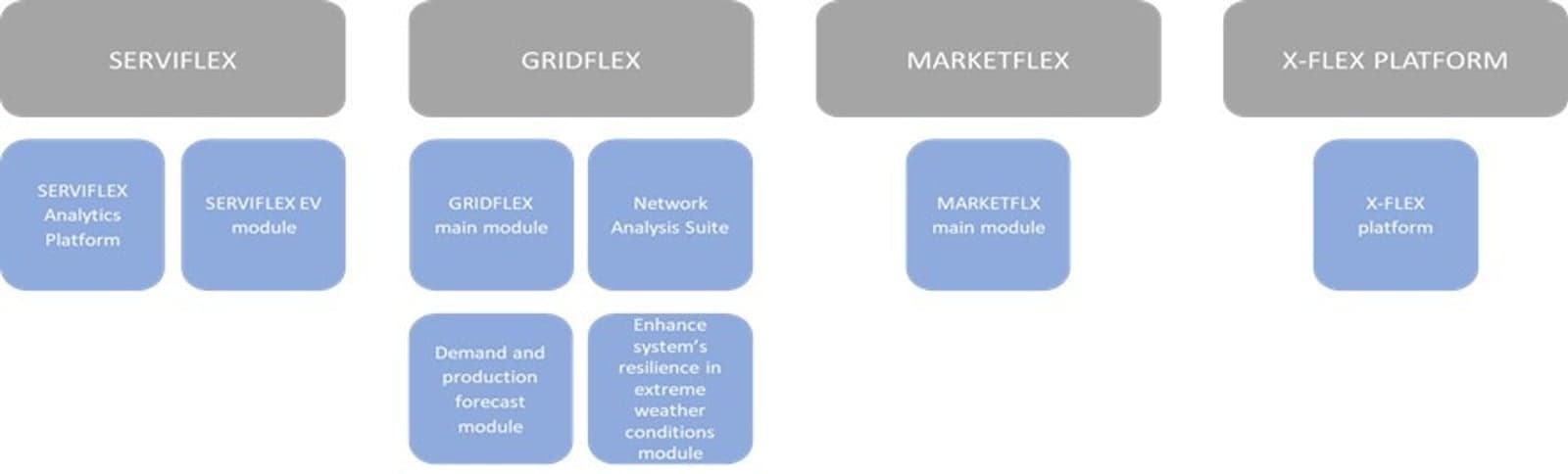
For each KER we conducted a replicability and scalability analysis, following the method proposed within BRIDGE initiative. The results of this analysis showed a good roll-out upscaling potential of the tools, as they rely on open standards and come with high interoperability.
Regarding replication it should be considered that regulatory frameworks regarding flexibilities in Europe are quite diverse and tools may need to be adapted. Demo showcases proved to be a great tool to increase the interest of other institutions/actors to use X-FLEX solutions.
The project organized a workshop with external stakeholders in order to align the tools with the actual market needs. It has been identified a potential high importance of procurement of flexibility as a feature of future power grids, such as reducing investment needs in power grids. As main Key issues identified for DSOs are grid stability and security, observability and controllability as well as resilience to extreme weather events – all characteristics addressed by X-FLEX tools.
Authors
Lola Alacreu – ETRA I+D
Diego Garcia - ETRA I+D
Dr. Dimitrios Stratogiannis - HEDNO
Mr. Theofanis Kontopoulos - HEDNO
Mrs. Maria Symponi - HEDNO
Mr. Grigorios Kanellos - HEDNO
Denitsa Kuzeva (ALBENA)
Dimitar Stanev (ALBENA)
Bojan Stojanović (PETROL)
Konstantinos Tsatsakis (SUITE5)
Chloe Fournely (University of Ljubljana) Matej Pečjak (University of Ljubljana) Tomi Medved (University of Ljubljana) Camilla Neumann (Joanneum Research)
Related tags
Latest content
+5
ECOLOOP: Empowering rural communities for the energy transition
The ECOLOOP project is transforming how rural communities manage land, waste and energy by equipping farmers and foresters with tools, knowledge and innovative business models to harness renewable energy, improve soil health and cut carbon emissions, while generating new economic opportunities.
- Guest/partner contributor
- 10/06/2025
+6
Innovative solutions for a greener rural future: Inside the ECOLOOP project
As Europe pushes forward with its green transition, the ECOLOOP project is showing how rural areas can lead the way, not just by adopting clean energy, but by transforming how we manage land, waste and biodiversity.
- Guest/partner contributor
- 21/08/2025