You can’t rush a Biscay breakthrough in marine energy
Pamela Largue
Posted on: 13 November 2025
Yago Torre-Enciso of BiMEP says that patience and persistence will be essential to achieving commercial-scale marine energy, a milestone he doesn’t expect to see before 2050.
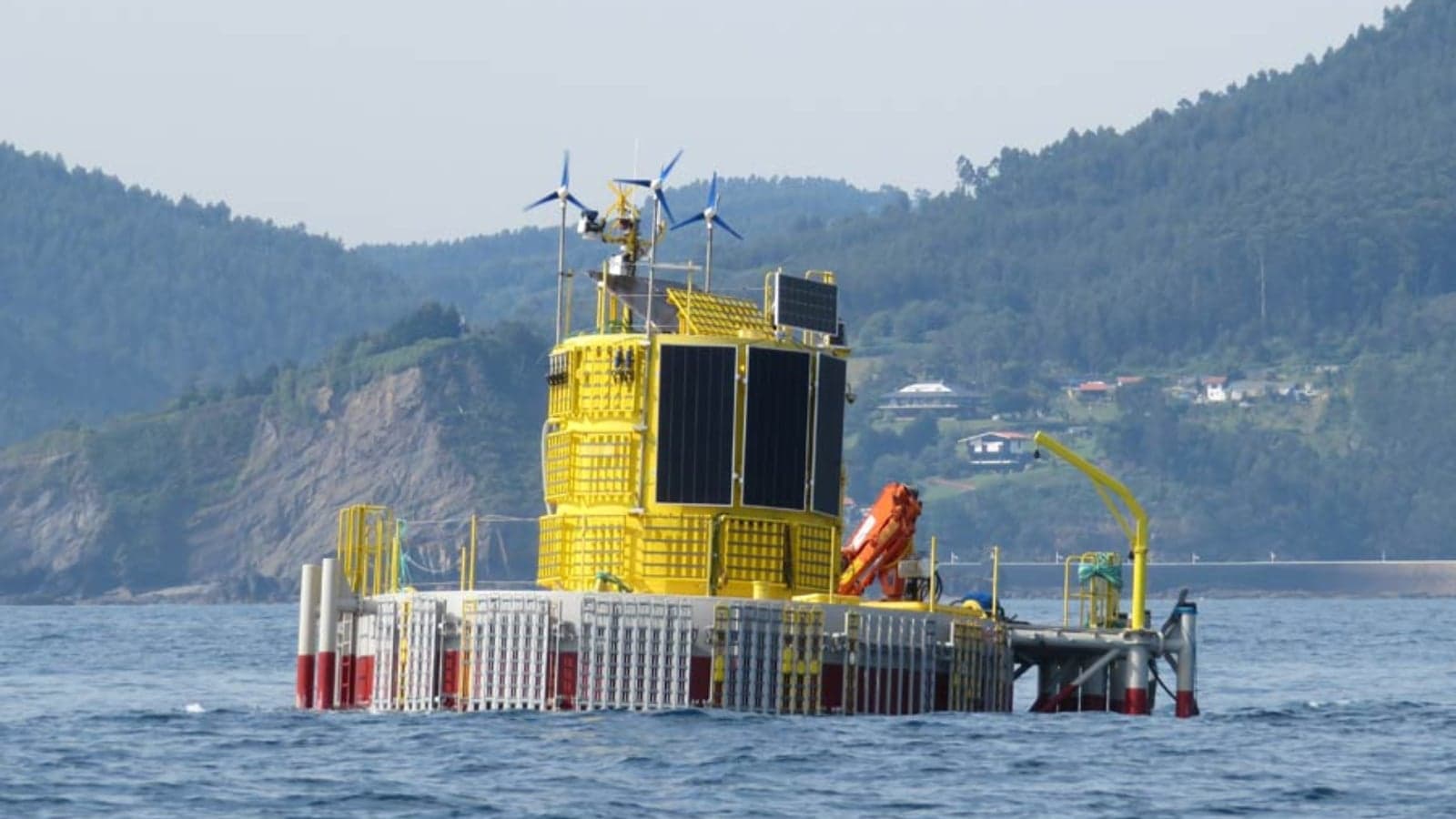
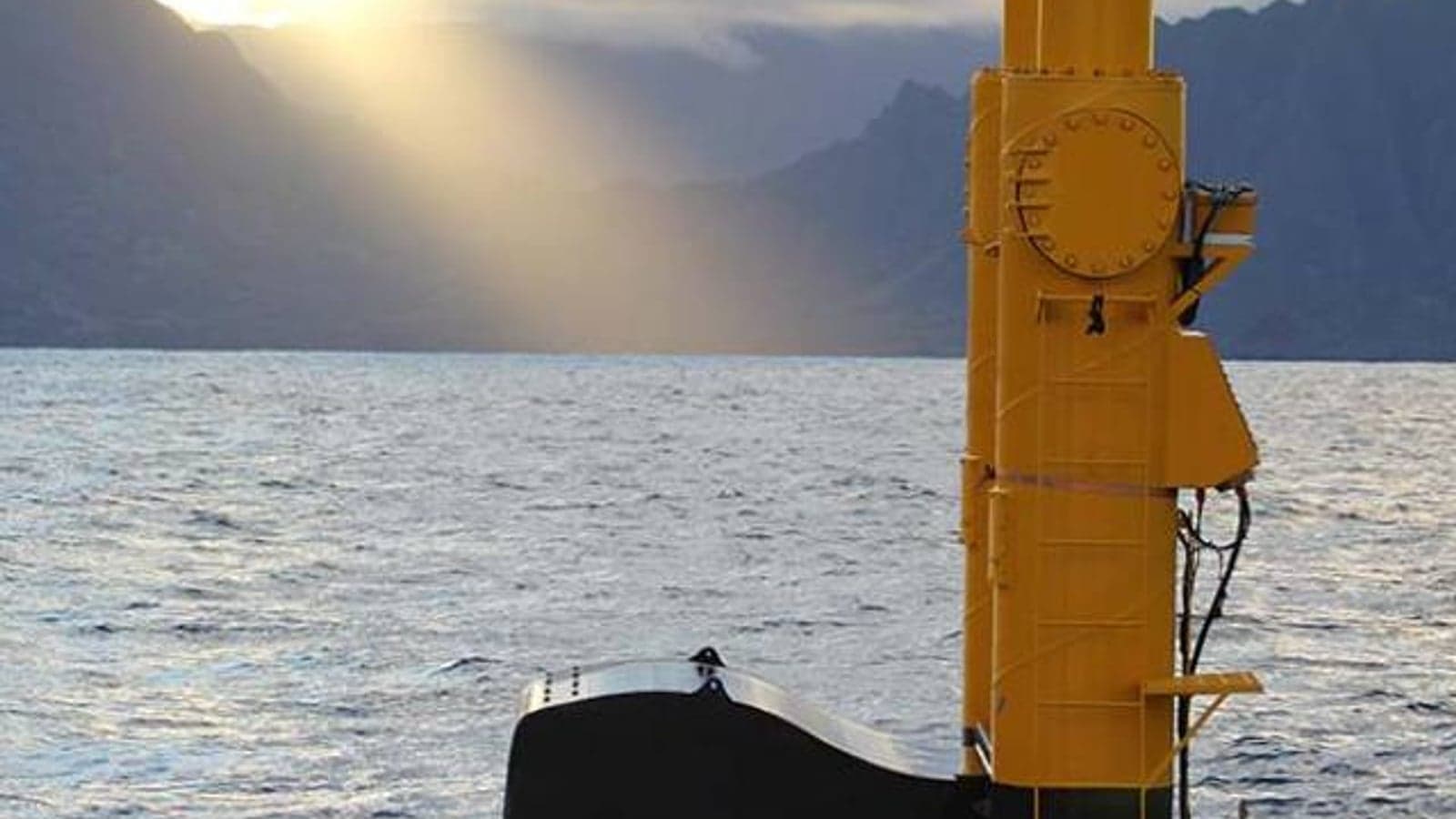
The Biscay Marine Energy Platform (BiMEP) is a watery laboratory where digital simulations come to life and where the behaviour of wave energy devices is tested in real ocean environments.
The facility, situated in Northern Spain, allows for testing of devices with the intention to scale, and scale is what is urgently needed in the marine energy sector, says Yago Torre-Enciso, Technical Director at BiMEP.
When describing his job, Torre-Enciso explains that he and his team focus mainly on problem solving, especially in the realms of securing budget, contract negotiations and ensuring infrastructure is in place to support the testing of wave energy devices.
And while there seems to be many challenges facing these projects and the sector at large, Torre-Enciso has his sights set firmly on the future, when wave energy can contribute to Europe’s clean energy mix.
But when will this point be? Not before 2050, he says.
“To develop wave energy, is an achievable target, but it's going to be a long path.
Have you read?
Orkney: small islands with global ambitions for marine energy
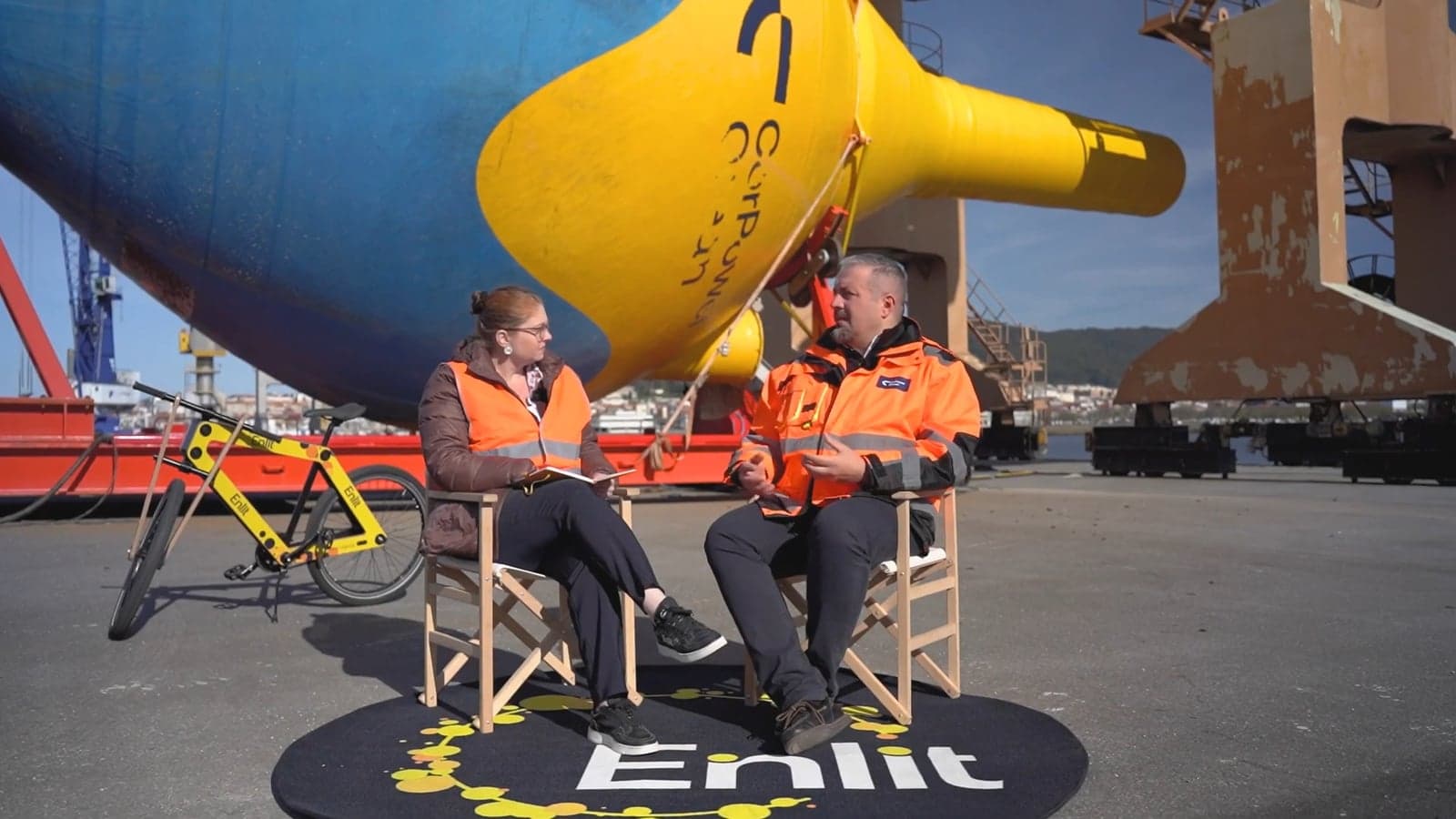
Critical breakthroughs for CorPower Ocean's wave energy converter
“While we can produce electricity from waves, it’s costly and the devices are not reliable or mature enough.”
We can’t even talk about cost parity with offshore wind yet, he adds, although that is indeed the goal, delivering electricity at an affordable price.
The fact is that the sector needs patient capital to finance the various stages of research and development.
And while developers want to reach the commercial phase as soon as possible, says Torre-Enciso, it needs to happen slowly.
According to Torre-Enciso, the secret lies in a patient approach, as well as learning by doing.
This is where BiMEP becomes absolutely critical, providing an established location that facilitates learning and doing.
Lengthy R&D processes
Torre-Enciso points to the diversity of marine energy device prototypes, which slows the path to maturity.
In the case of wind, you have a standard turbine concept and R&D on that is quite straight forward.
However, states Torre-Enciso, when it comes to funnelling money into marine energy R&D, the variety of prototypes is astounding.
“To test a full-scale prototype in the sea, to develop, build and install it for a couple of years and then to digest all the data it generates, costs about €10 million.
“And that doesn’t take into account the changes you will probably have to make once that development phase is over.”
This may need to be repeated many times over, “so you are actually putting the 100th device in the water by the time you reach commercial operations.”
It’s these challenges that make Torre-Enciso’s job so important. His mission, and that of BiMEP, is to make these development stages as easy as possible for developers, by ensuring the necessary infrastructure is in place.
You can’t take the next step until you have finished the previous step, otherwise you will fail.
For example, BiMEP provides the electrical cables equipped with fibre optics to transmit all the data generated from these projects. Although, he admits, that while they can help in the collection of data, digesting it and using it to make strategic adjustments to the device is the up to the developer.
“Looking at all the data and how to improve whatever you want to improve, it’s difficult to analyse the millions of parameters.”
The BiMEP team, while not analysing data, is certainly committed to ensure data collection is as easy as possible. They are currently improving two of the cables allowing for easier connection of subsea connectors.
“It’s called an umbilical cable, the cable that joins the device with our subsea cable,” he says.
“The launch and connection can take up to 36 hours. But we have installed a quicker connector that can possibly reduce this to three hours.”
It’s a big improvement, stressed Yago, especially in a sector where time is money.
It’s a curious balance, time is money, but patience is key.
“You can’t take the next step until you have finished the previous step, otherwise you will fail.”
Torre-Enciso believes, however, that failure is not the enemy of success. It’s a lack of willingness to share the lessons learned from each development phase, something he is encouraging developers to do as much as possible.