Are payments a barrier to EV charging?
Guest/partner contributor
Posted on: 23 January 2023
An online event on payments for EV Charging will bring together CPOs, government and technology providers to discuss solutions.
Range anxiety is often cited as a barrier to greater use and adoption of electric vehicles. Simply put, range anxiety is the fear that a driver won’t be able to find a convenient charging point and will run out of battery mid-journey. The rapid roll-out of charging equipment across Europe is addressing this issue, making longer journeys significantly easier for drivers.
However, despite the increasing availability of charging stations, drivers are still struggling to charge their vehicles. And the reason for that is the complex and varied methods of payment required to use different chargers.
Drivers wanting to access charge points run by different operators sometimes need a host of different apps and payment methods. And there is no guarantee that they will actually work, adding to the feeling of range anxiety.
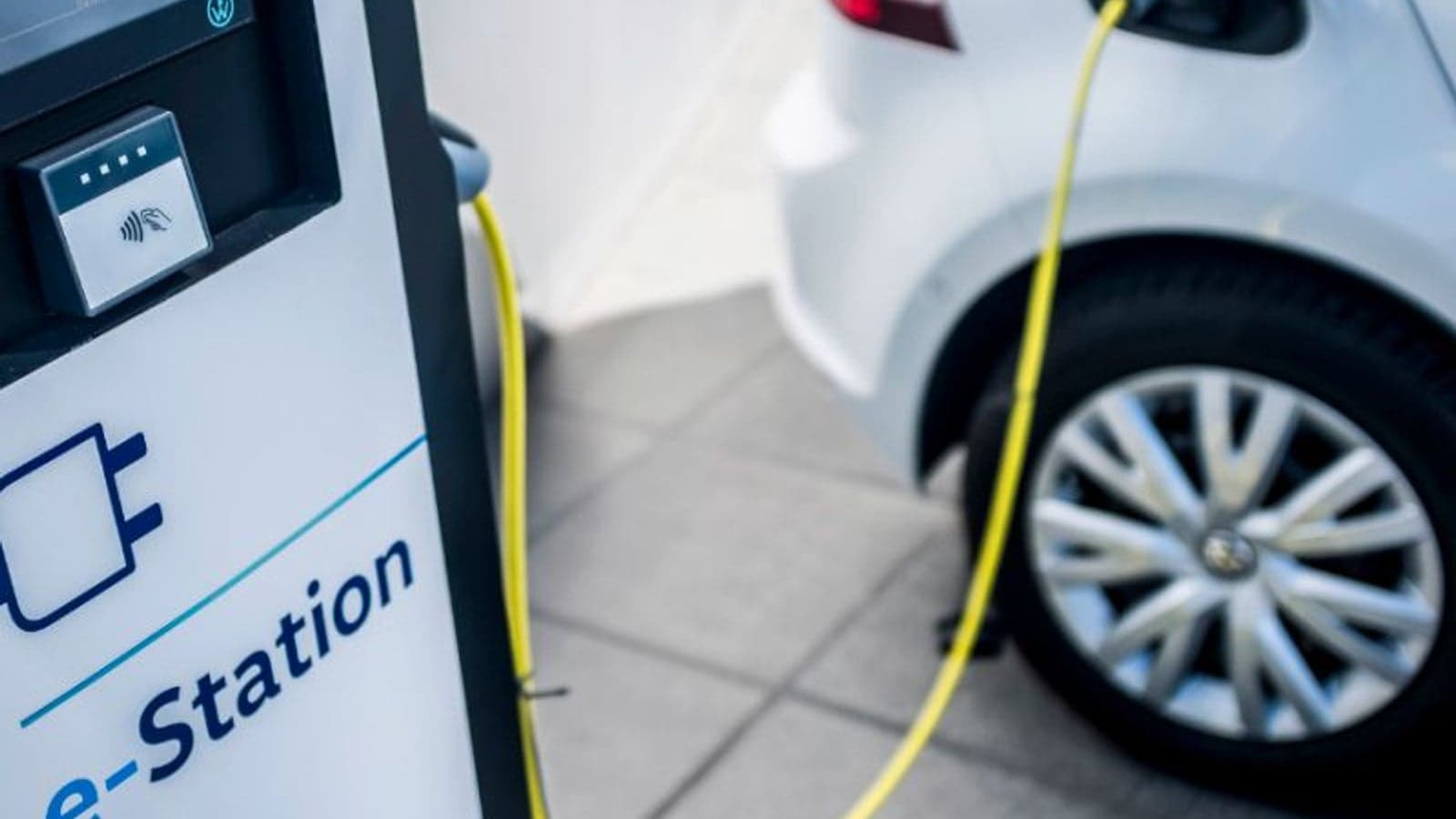
A number of initiatives are aiming to simplify this challenge, including requirements under AFIR (Alternative Fuel Infrastructure Regulation) in Europe and similar, but less far reaching, regulation in UK. In each case, these will require charge points to have card payment systems and contactless payments available for all drivers.
In a contactless world, the ability to tap and pay for charging seems an obvious route to improving the experience for drivers. For anyone on a long journey, knowing that you can access charging with a simple tap of a credit or debit card seems a sure way of removing range anxiety.
But not everyone in the industry is a fan of these new requirements. Whilst contactless clearly makes for a simple experience for the consumer, some in the industry are concerned about the cost of fitting (or indeed retrofitting) card payment systems, especially onto low-powered chargers.
Rather than making chargers more accessible to drivers, some think these regulations could hinder the roll out of infrastructure. Add to that concerns about the needs of fleet drivers and issues around pre-authorisation and limits on contactless and it’s clear that not everyone is convinced.
More articles about Electic Vehicles
The emobility innovation driving Rotterdam’s energy transition
Ending the ICE age to put EVs in the fast lane
In addition to the moves towards card and contactless payments, there are also moves afoot to enable (and even mandate) roaming across operators. Many CPOs already have agreements in place and clearly the need for a driver to have multiple Apps phone their phone is receding. Add to this new initiatives such as vehicle-to-charger payments and OEM-owned networks and it’s clear that this is a space that will see a lot of change over the coming year.
Is it enough to reduce range anxiety? Certainly, the customer experience will improve, but it’s clear that these new initiatives need to support the roll-out of new infrastructure to create a frictionless, worry-fee network for drivers.
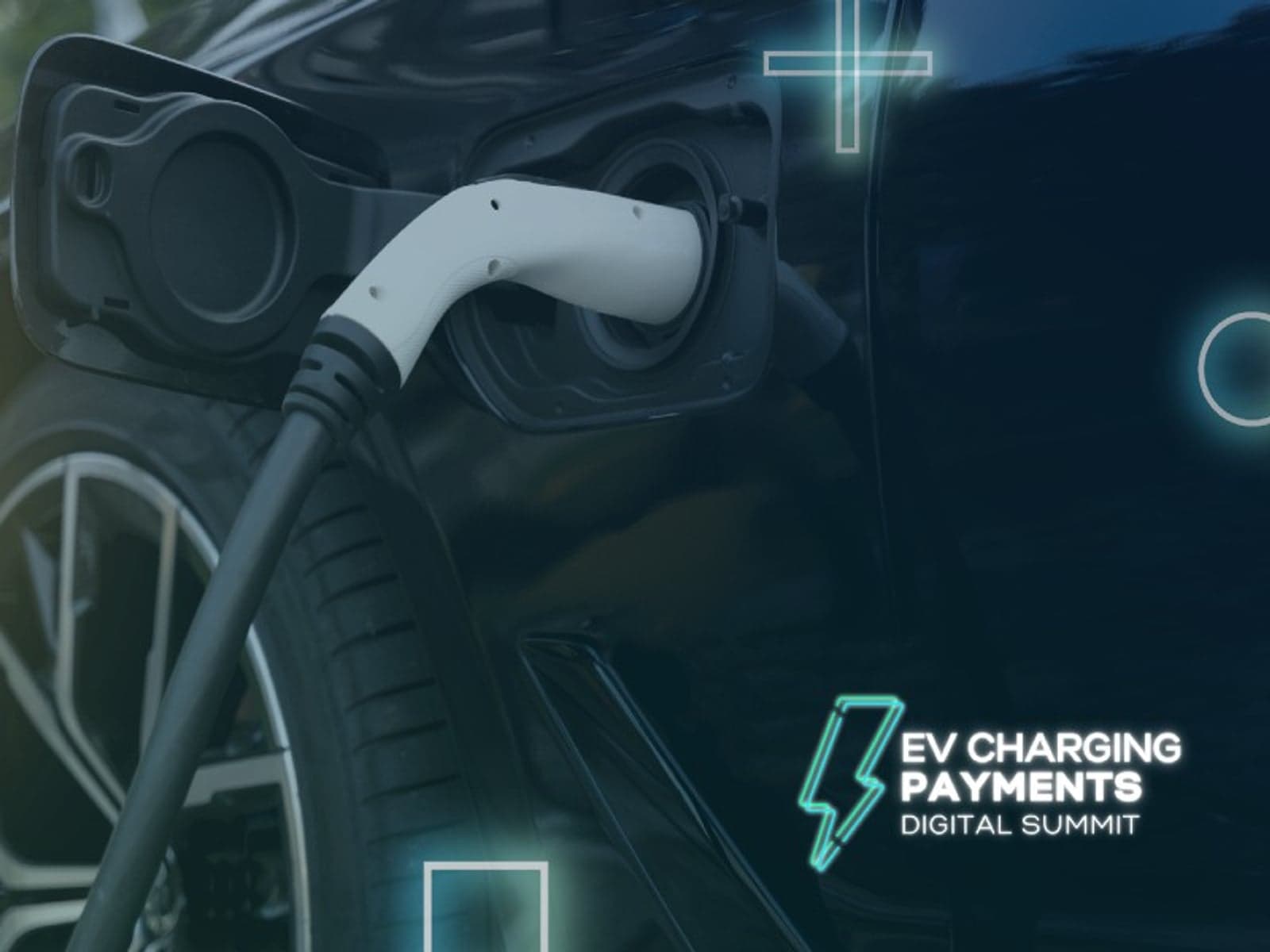
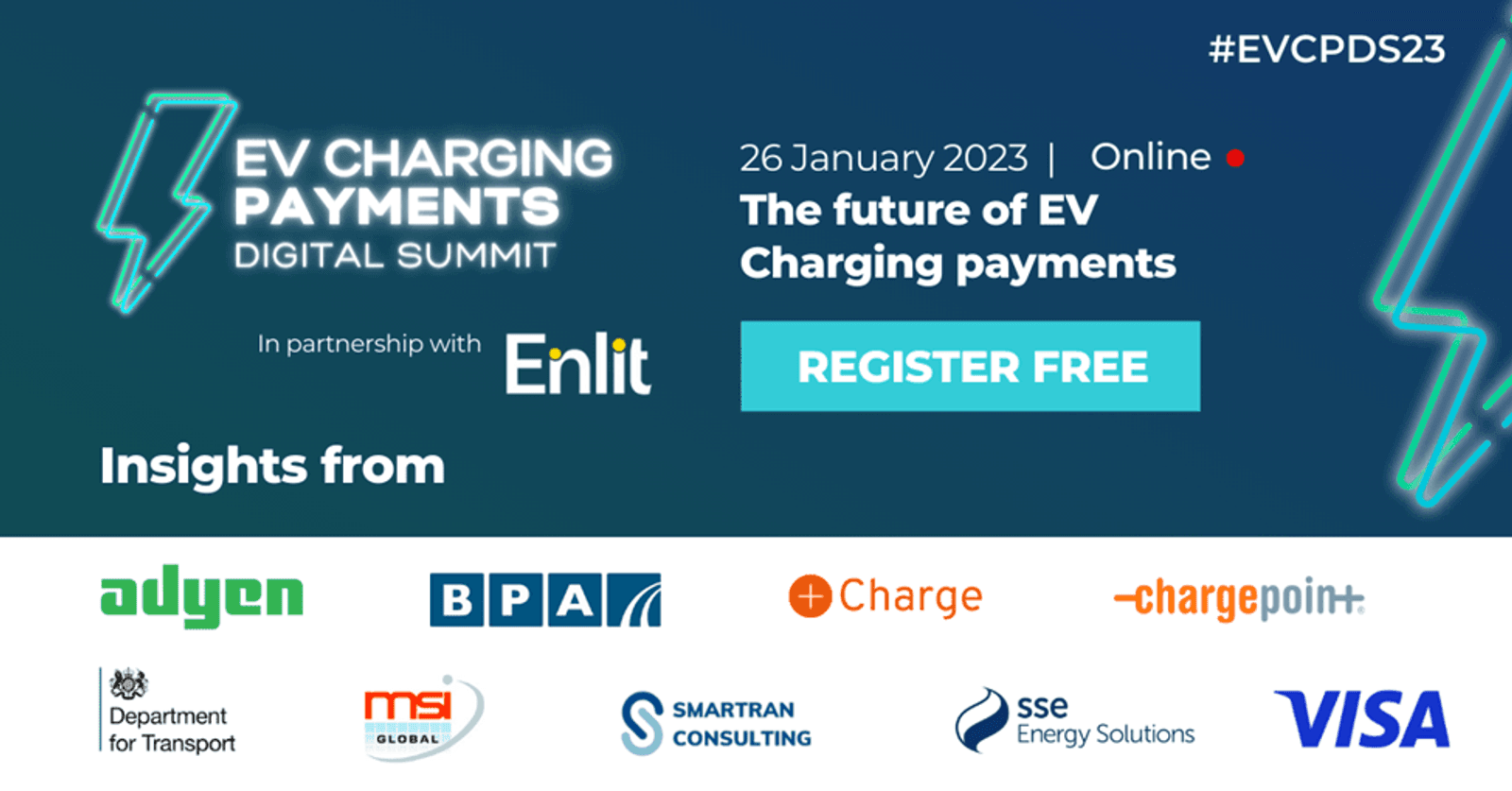
An online event on payments for EV Charging will tackle these issues and bring together CPOs, government and technology providers to discuss solutions. Taking place on 26th January, the EV Charging Payments Digital Summit will feature input from ChargePoint, SEE Energy Solutions, PlusCharge, Department for Transport (UK), Visa and Adyen.
Visit the website for more details about the event and to register your free place.