Davos: Policymakers and industry tackle EU competitiveness blues
Pamela Largue
Posted on: 23 January 2025
Europe faces a tough challenge to decarbonise while ensuring energy is cheap enough to allow industry to remain competitive with the US and China.
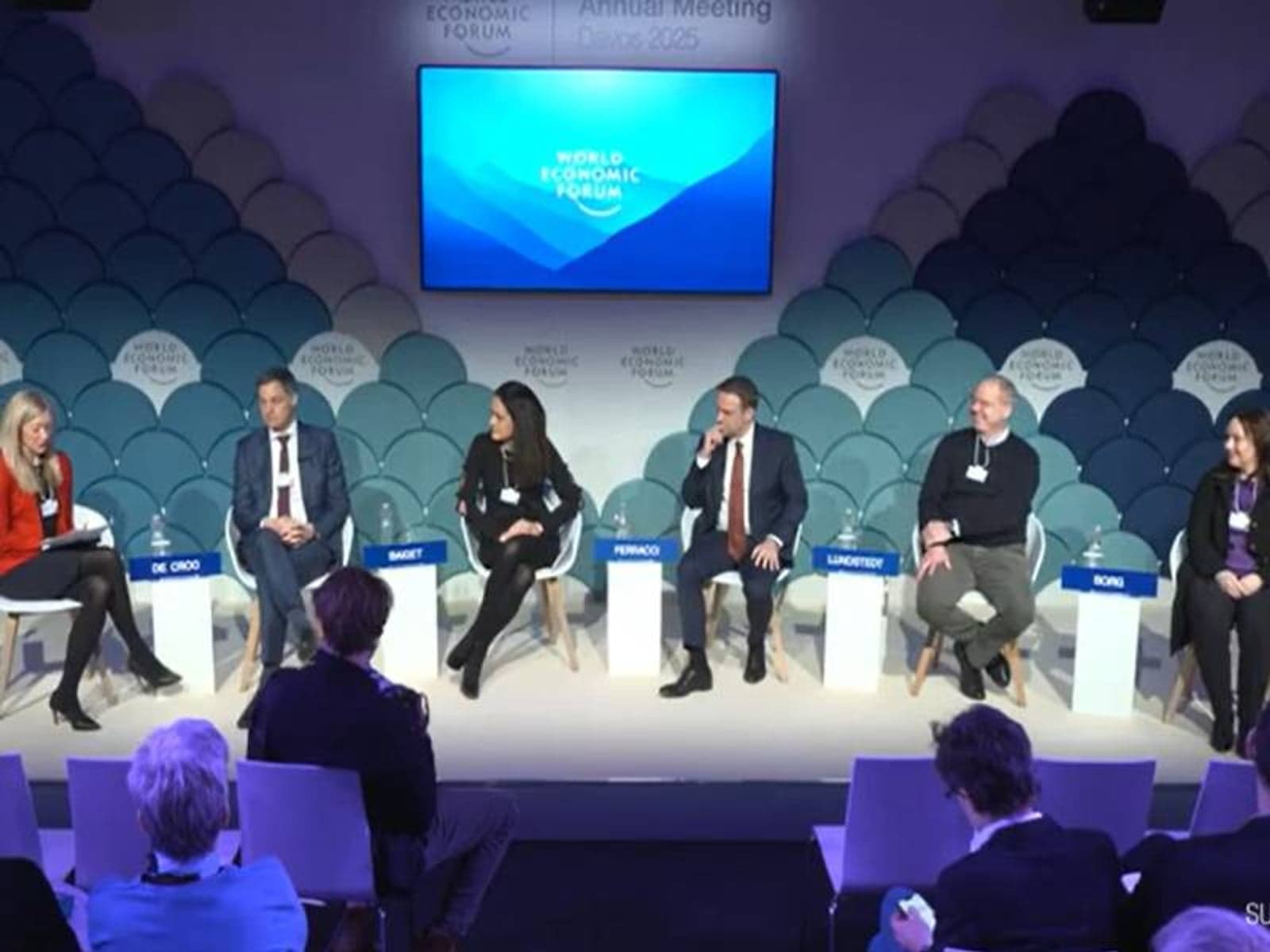
Europe faces a tough challenge to decarbonise while ensuring energy is cheap enough to allow industry to remain competitive with the US and China.
Mapping out a strategy to achieve this mammoth task was on the agenda of a panel discussion at the World Economic Forum in Davos this week.
Questions were raised as to whether the European Green Deal is sufficient and whether policymakers are holding up their end of the bargain in terms of supporting industry.
Have you read:
How carbon capture tech can boost Europe’s industrial competitiveness
ArcelorMittal delays decarbonisation plans citing EU policy gap
Competitiveness and the Green Deal
Panelists seemed unanimous in their belief that the Green Deal is sufficient and that Europe should not abandon its green objectives.
The problem, however, is that the path to achieving these objectives is convoluted and the lack of regulatory flexibility is hindering progress.
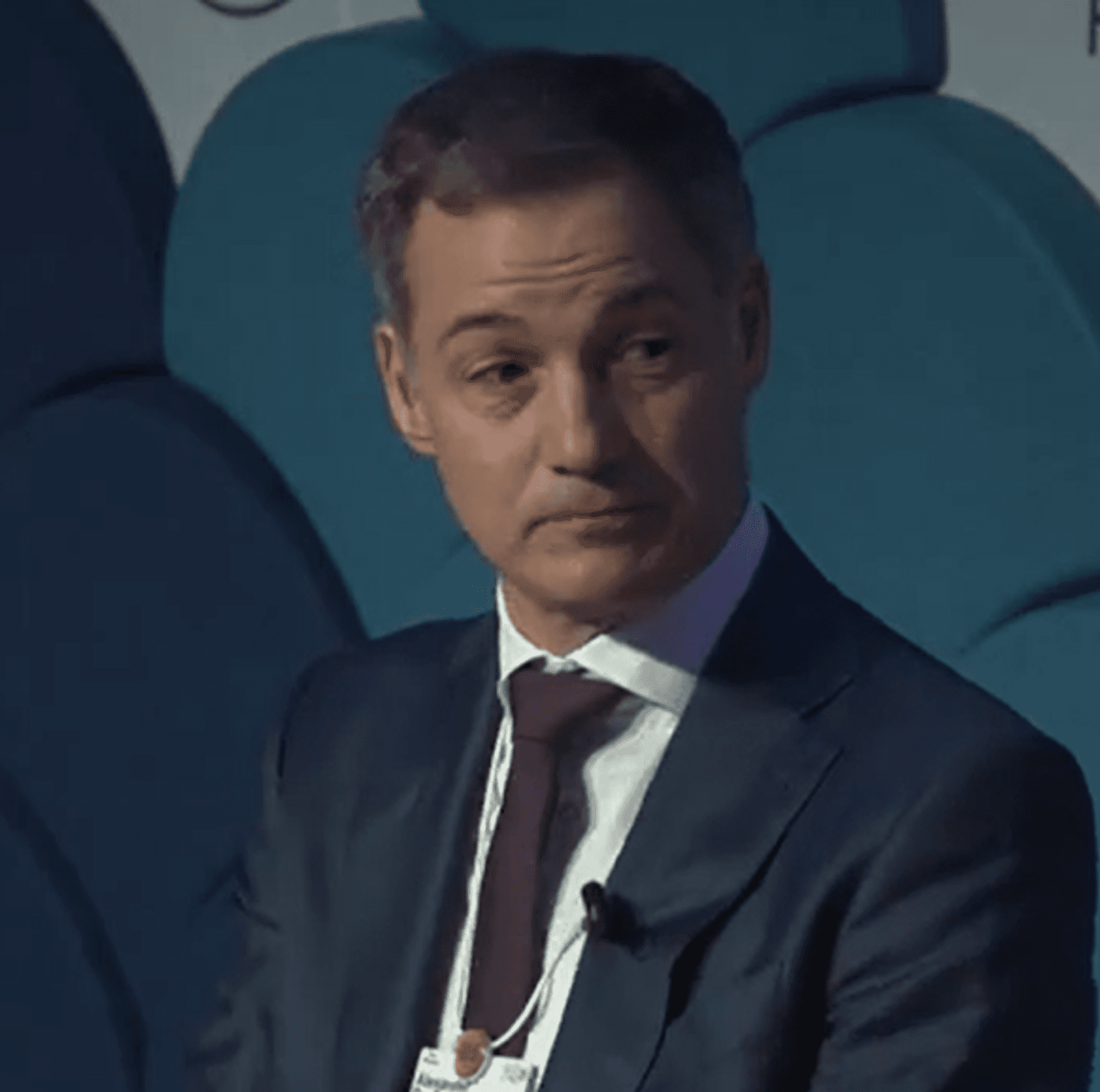
Alexander De Croo, Prime Minister of Belgium, stated that clarity around the goal is needed and Europe needs to be more open to ways of achieving the goal.
"What we have in the Green Deal... we should stick to it from a climate perspective but also from a competitiveness perspective."
Marc Ferracci, French Minister for Industry and Energy agreed, adding that the problem is that Europe has stacked environmental norms without assessing the capacity of industry to fulfil these norms.
"It's starting to become a political problem when people are faced with the consequences of the transitions," said Ferracci. "People are interrogating the very principle behind the objective."
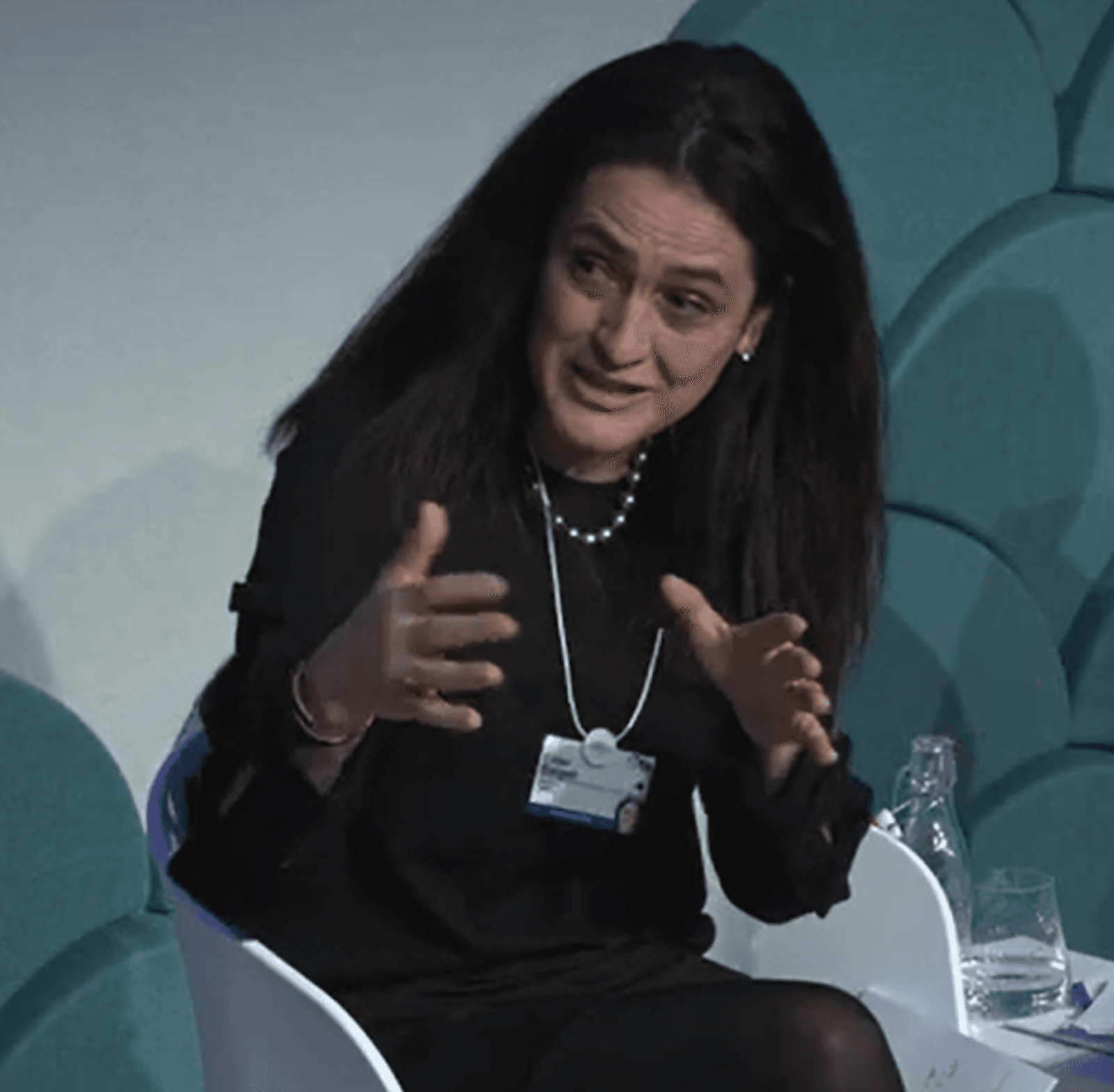
Ester Baiget, president and chief executive of biotechnology company Novonesis, echoed these sentiments.
"Please make it less painful," stressed Baiget, as she highlighted that it still takes eight years in Europe to register a microbe to replace fertilizers, and three years to receive a permit to install a green charger for an EV.
Baiget stated that Europe is fully equipped with all the building blocks. "What's hingering Europe? It's regulation, it's the speed of penetration."
Also of interest:
Trump declares an energy emergency and ends ‘green deal’
Why trust is essential for a successful energy transition
The remedy to competitiveness blues
Fixing the regulatory framework was the common thread in the panellists' recommendations.
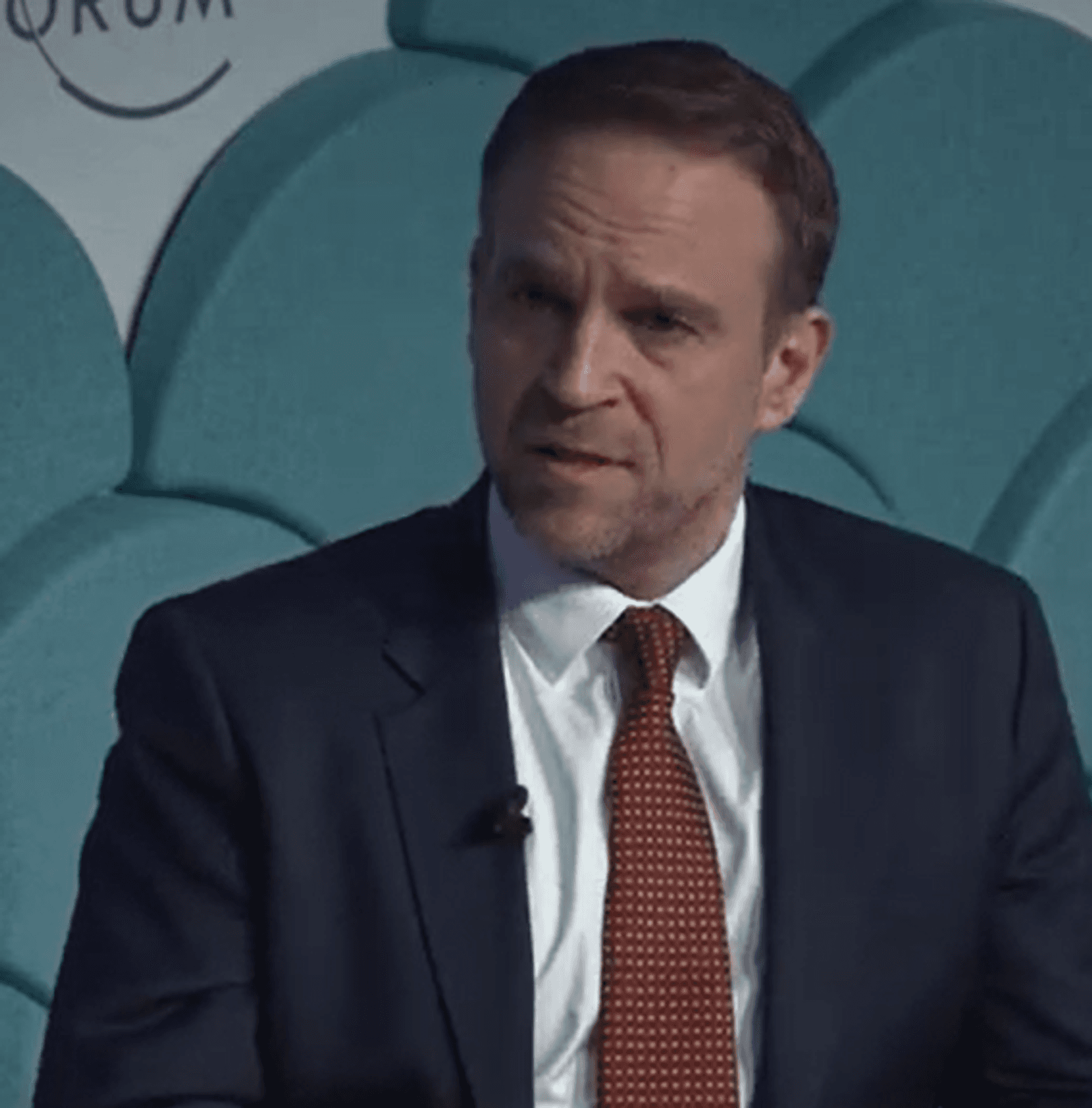
Besides calling for a competitive balance sheet, Martin Lundstedt, president and chief executive of Volvo Group, said that "when we look at the success of the European regulatory landscape, it's starting to be a curse".
Panellists called for red tape and reporting to be urgently addressed and lauded Ursula von der Leyen's mission to reduce regulation.
Ferracci specifically called for "a more assertive and a less naive industrial policy at the European level", as well as an efficient CBAM and additional measures to protect EU producers.
Also, panellists suggested that the single market, while considered an asset, is still "not single enough" and capital markets need to be integrated to promote industrial growth.
Anna Borg, chief executive of Vattenfall, suggested that Europe stop focusing on the leadership change in the US and rather focus on its competitiveness. "That is what will fuel the strength of Europe," she said.
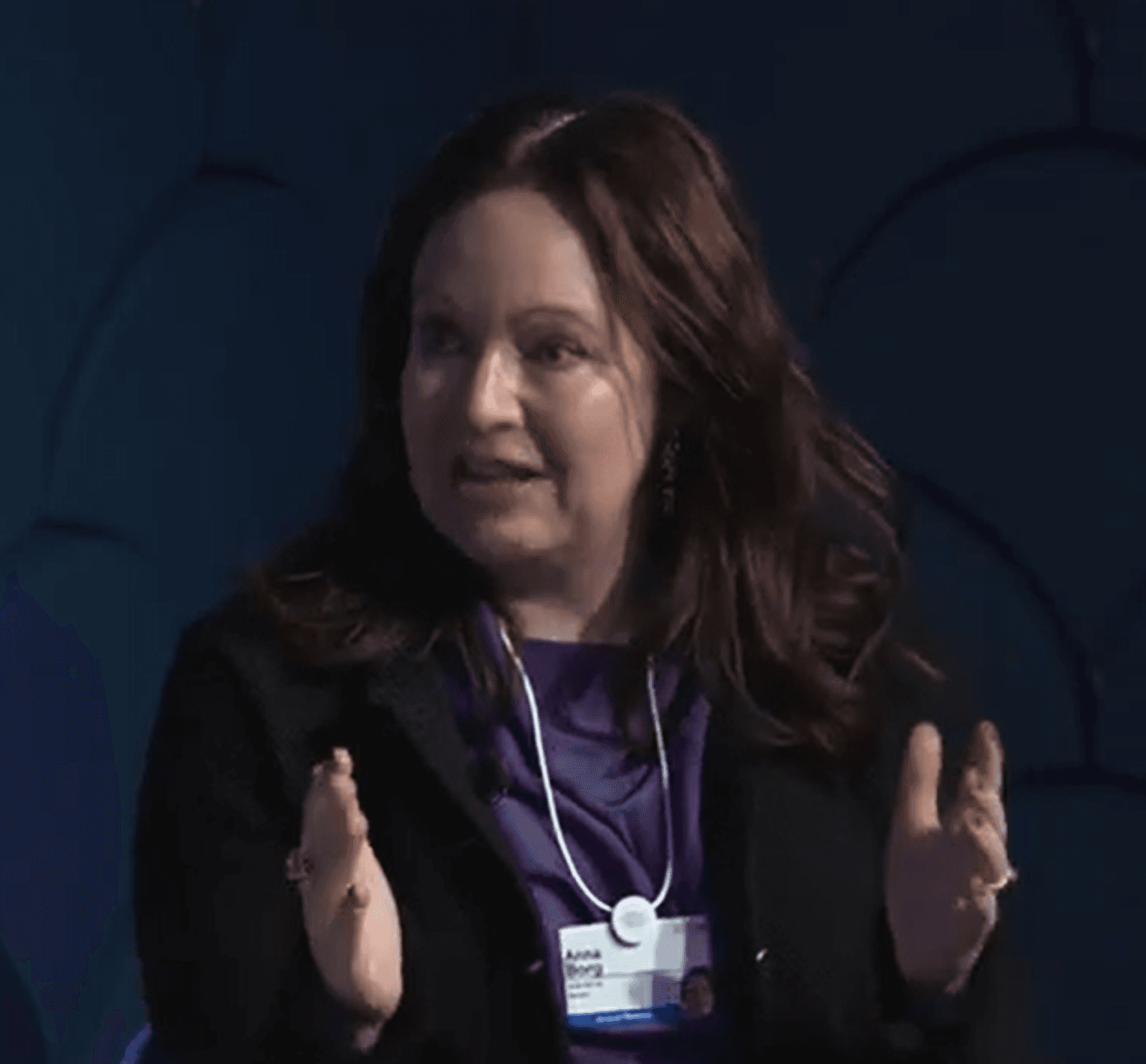
Borg recommended investments into infrastructure and energy and ensuring "that innovation stays in Europe and grows and we can get the traction in the European economy that is needed."
Stable frameworks to enable investments will be critical, said Borg. "To decrease your climate footprint is to increase your competitiveness long term...the longer we drag out the transformation, the weaker European industry will be, the more the transformation will cost and the consequences of climate change will cost..."
Call for cheaper energy
Panelists concurred that industry needs more fossil free energy at a lower price to be competitive.
Currently, the cost of building new energy is higher than the market price. Borg emphasised that the pace of energy project builds needs to increase to fuel growth, and this will require collaboration across industry.
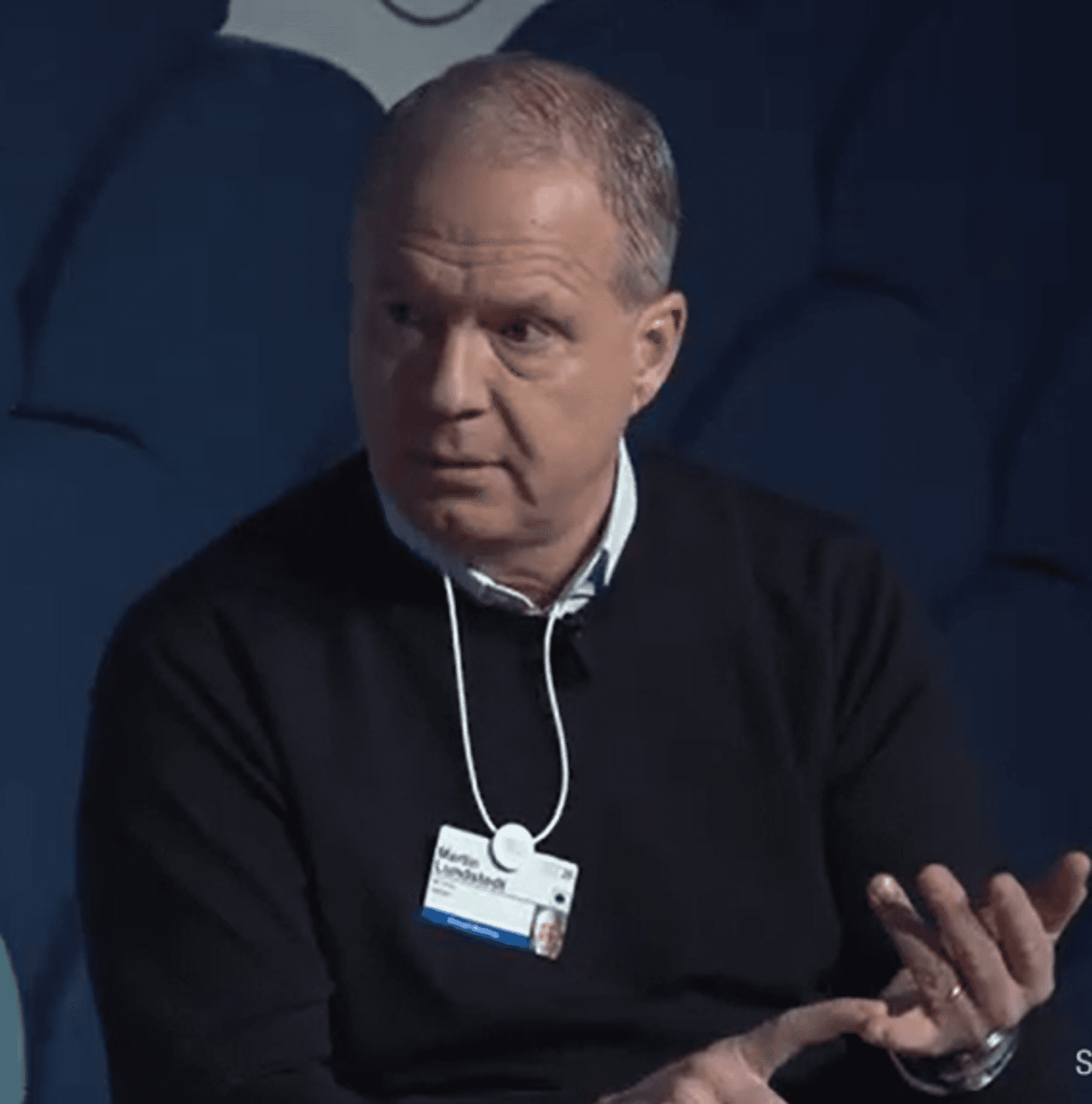
Ultimately, a strong project pipeline will help increase production and lower costs, she said.
On the topic of energy, De Croo added: "We need to become less energy dependent, which will require investment in renewables and will require nuclear... it takes time before we achieve that."
He also suggested working with the Americans rather than in opposition to them, and said Europe will get further with a strategy that combines mutually beneficial economic and geopolitical goals.
Ultimately, the consensus was that industry is depressed, but with a regulatory revamp and the right short term market signals, the tables can turn allowing Europe to capitalise on the growing green economy.
Originally published on powerengineeringint.com