Global leaders call for unprecedented unity to tackle critical minerals crisis
Yusuf Latief
Posted on: 29 September 2023
Jennifer Granholm commented on how we can resolve the crisis during the IEA's first Critical Minerals and Clean Energy Summit.
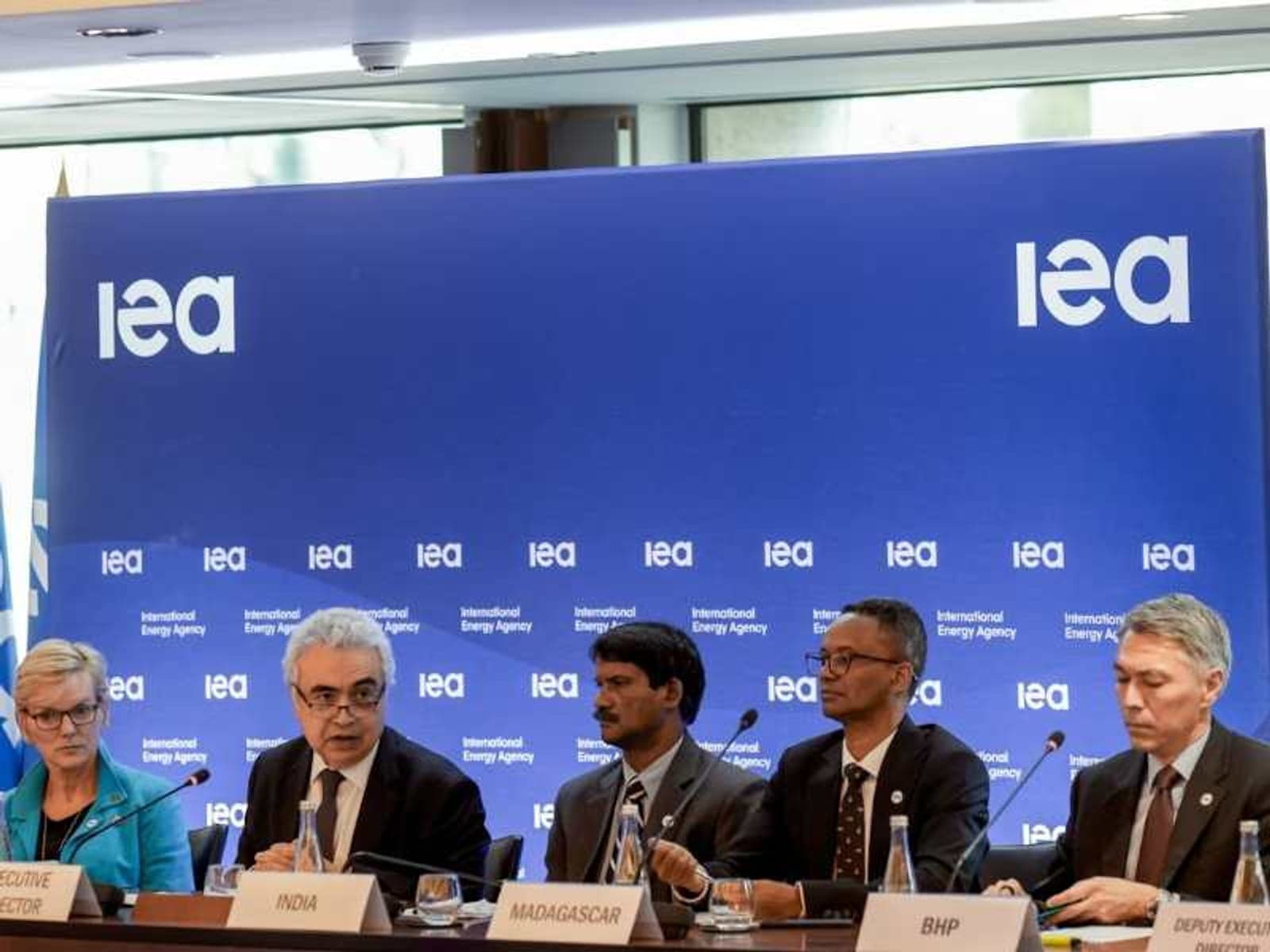
“We need to align our regulatory conventions like never before" stated US Secretary of Energy Jennifer Granholm during the International Energy Agency’s first Critical Minerals and Clean Energy Summit.
Joined by leadership from almost 50 countries, Granholm stated how, in order to mitigate the critical minerals crisis, international stakeholders will need to align "across our innovation ecosystems, permitting processes, market transparency and more, so that when supply disruptions strike we’ll have a set of tools to aid in our response.
“We need to draw in everything we got and keep digging for new potential."
The challenge of critical minerals has steadily been gaining a lot of attention as one of, if not the main issue, that needs to be overcome to achieve a successful and equitable energy transition.
IEA executive director Fatih Birol suggested that there are three blocks of challenges to be addressed:
These include:
- The need to mitigate supply concentrations, both for CRM production and refinery processes
- The use of demand side policies to ease strain on the supply side, including aspects such as recycling and behavioural change
- Matters of responsibility, including environmental, social and governance (ESG) aspects.
Have you read:
US and EU to coordinate critical mineral strategy
One year into IRA sees challenging critical mineral demand intensify
Critical minerals problem statement
Going into detail on the issues that need to be confronted was Mike Henry, chief executive officer of Australia-based mining company BHP, who stated that due to the falling percentage of metal found within ore and depreciating grade of deposits, the minerals needed for a net zero transition are “increasingly hard to find, often times deeper and smaller".
“These difficulties…have some very important implications. Firstly, collaboration is going to be ever more important…Secondly, this effort is going to require a significant and growing quantum of capital.”
Henry cites the example of copper, one of the commodities needed for net zero, which BHP estimates will need $250 billion in growth capital over the next seven years to reach a realistic 1.5°C scenario."
Energy Transitions Podcast: The cost of Europe’s copper crunch
However, adds Henry, “Currently committed growth projects over this period only amount to about $40 or $50 billion today. More projects need to be identified, permitted and given the green light by those who are to invest in them.
“Governments and communities need to be supportive of these projects progressing and capital providers need to be flowing the capital to those companies that uphold the high ESG standards that must be met.
“More specifically, governments must provide predictability and stability to attract capital at lowest possible cost and as quickly as possible. This means stable fiscal settings, streamlined planning and permitting processes and harmonised standards.”
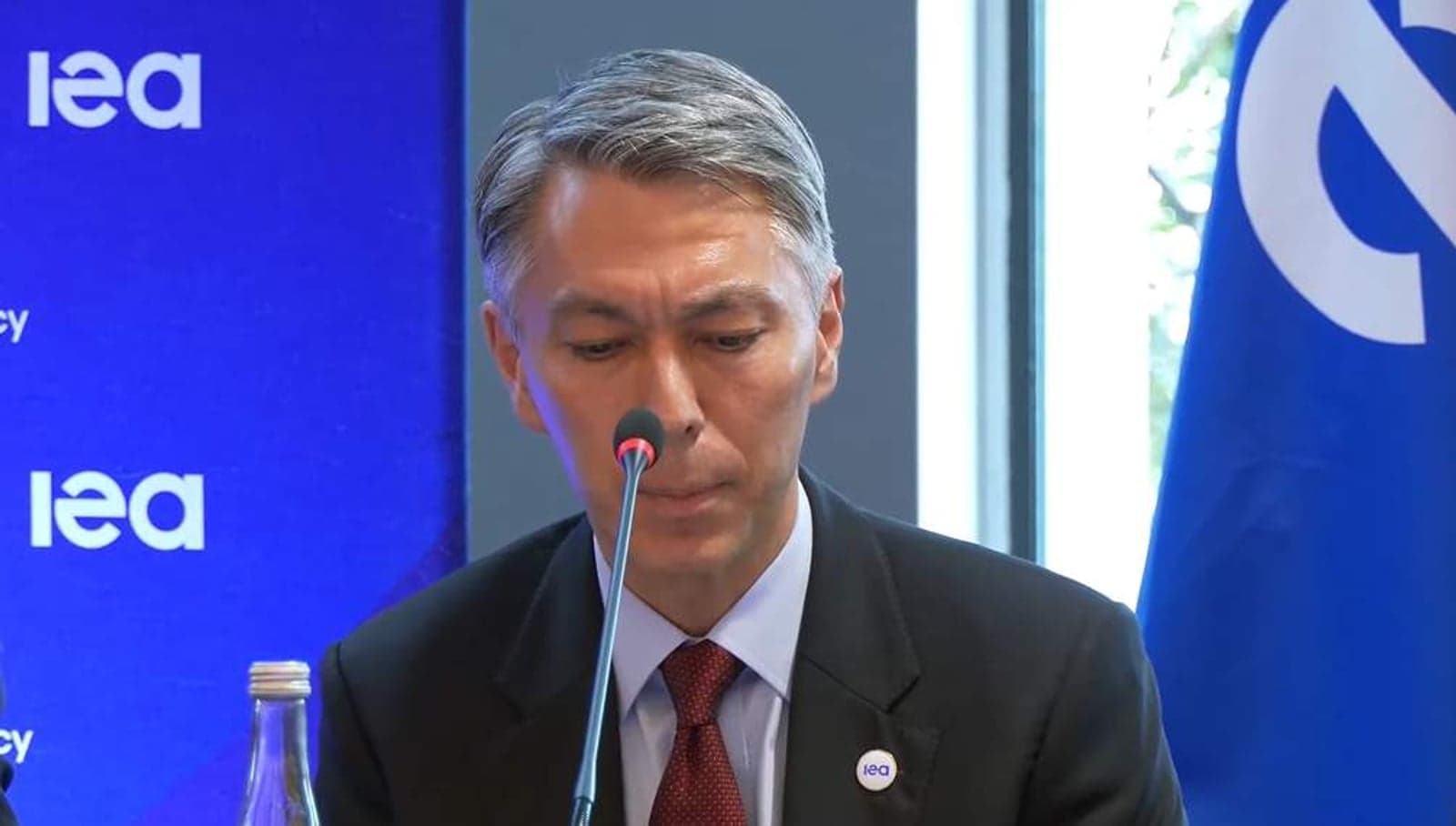
Henry also warns of two problem areas governments and stakeholders need to be aware when advancing CRM supply chain problems: ‘short termism’ and mismanaged subsidies.
“Today, too often, we still see short termism in government policy, which seeks to meet near term political objectives but would show limited understanding of what drives investment. And this slows up deployment of capital and will ultimately make the energy transition harder and more expensive.
“We should also be mindful of the fact that while subsidies can in some instances help to accelerate, they can also distort markets and, handled poorly, can inadvertently undermine our long term goal of securing sufficient and low cost supply.”
Added Secretary Granholm, reflecting on the words from Ursula von der Leyen earlier in September: “Finally, we have to think creatively about more than just how to do this work, but how to do it right.
“We’re in a race to save our planet and our people; we can’t make that race a race to the bottom.”