Crete Valley: Revolutionising renewable energy for the Island of Crete
Guest/partner contributor
Posted on: 3 October 2024
The Crete Valley project is poised to break new ground for how to create comprehensive energy systems and nurture energy independence for local communities.

As the EU’s decarbonisation efforts towards climate neutrality make significant strides, the Crete Valley project is poised to break new ground for how to create comprehensive energy systems and nurture energy independence for local communities.
Financed in part by Horizon Europe, the project aims to achieve a decentralised, low-carbon landscape through the establishment of a Renewable Energy Valley or REV, which would cover the Crete’s year-round electrical and thermal energy needs by harnessing a portfolio of renewable energy sources and integrating innovative information communication technologies, social inclusion processes and new business models.
Renewable Energy Valleys are already an established concept across the pond in the United States but are now emerging on the European scene as a response to calls from the European Commission to drive the green transition forward, with Crete Valley being one of the first such REVs on the continent.
Find more about:
EU-funded energy projects
Energy communities
Podcast: Communities in urban energy islands
The vision for Crete Valley
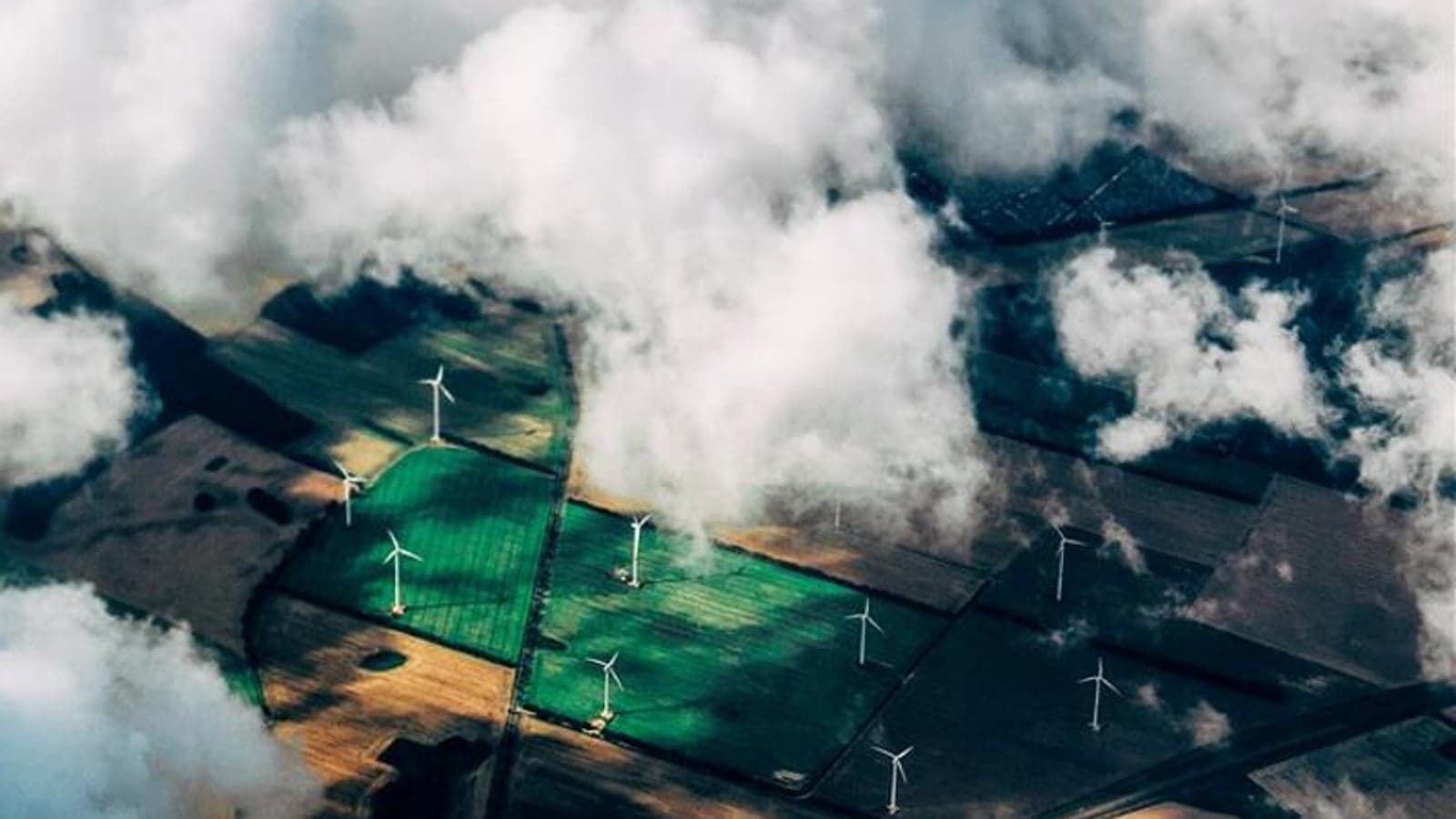
At the heart of the Crete initiative are four "energy labs," scattered across the eastern part of the island - one of the largest in the Mediterranean. The energy demand in these sites, for both residential and commercial activities, would be fulfilled solely through renewable energy sources that make use of Crete’s ample natural resources, such as mid-scale and rooftop photovoltaics, biomass, wind turbines, hydrogen, and geothermal units.
A unique feature of the REV model is that it encourages cooperation between various stakeholders like municipalities, regional regulatory authorities, energy communities, businesses and service providers along the energy value chain.
Crete, already home to one of the largest energy communities in Europe, is the perfect location for the Crete Valley project, a collaborative venture which rests on the empowerment of its local stakeholders.
One way the project includes its communities is by promoting energy democratisation and fostering a sense of ownership by placing the locals in the driver’s seat, allowing them to generate, distribute and use power according to their needs; for instance, the energy labs can engage in energy sharing, which compensates for dips in energy generation by directing surplus energy from one site to another. This in turn creates a resilient and autonomous energy network.
Local businesses are also integral to the success of a community-focused project like Crete Valley. They not only mobilise investments but can also generate new income streams by tapping into new market opportunities and selling renewable energy.
Local communities will also see economic benefits as Energy Valleys create numerous job opportunities, especially in areas like energy management, logistics, and maintenance that rely on skilled professionals who understand energy costs and can manage renewable sources effectively. By focusing on community-driven energy production with minimal environmental impact, combined with social, technical and business expertise, the REV will not just enable self-sufficiency for the island, but also provide a blueprint for other European regions to do the same.
Notably, the project has four replicators in France, Ireland, Portugal and Italy, which will show the relevance of the project’s solutions in different contexts.
Challenges and outlook
The Crete Valley project has embarked on its first year of implementation and is on a promising path to successful roll-out. Nonetheless, it has been confronted with some challenges of political will when it comes to allocation of electrical capacity in Greece.
Large-scale projects often receive priority over local, community-based endeavours, which raises the complexity of the process and slows down progress. Obtaining licensing for new technologies can also be cumbersome as outdated regulations and lengthy approval procedures can create delays.
Addressing these challenges requires navigating the nexus of policy, economic concerns and community benefit. The Crete Valley project is making inroads by working closely with local authorities and residents to garner trust and raise awareness, and by demonstrating the feasibility and scalability of such community-centric set-ups.
Looking ahead, the future of REVs in Europe and of the Crete Valley project is bright, with the potential to transform the energy market along with production and consumption structures. The proof will ultimately be in the pudding for Crete Valley as it serves as a pioneering model for energy initiatives to come.
Crete Valley is complemented in its efforts by its sister project REFORMERS, which is establishing a Flagship Valley in Alkmaar, Netherlands, and is similarly geared toward energy self-sufficiency through the deployment of renewables.
Both projects are participating in ENLIT and would be happy to discuss how they are paving the way towards a greener future for Europe.
To learn more about Crete Valley, subscribe to Crete Valley newsletter for updates.
Latest content
+5
How Crete is seeking the perfect synergy between geography and renewables
Crete Valley, a renewable energy valley project on the island of Crete, aims to enhance energy autonomy by integrating diverse renewable energy sources tailored to specific geographic regions.
- Guest/partner contributor
- 13/05/2025