The connection between the EU energy sector and the ReArm Europe plan
Areti Ntaradimou
Posted on: 4 March 2025
European Commission President Ursula von der Leyen has unveiled the ReArm Europe plan, a historic initiative to strengthen Europe's defence industry and military capabilities.
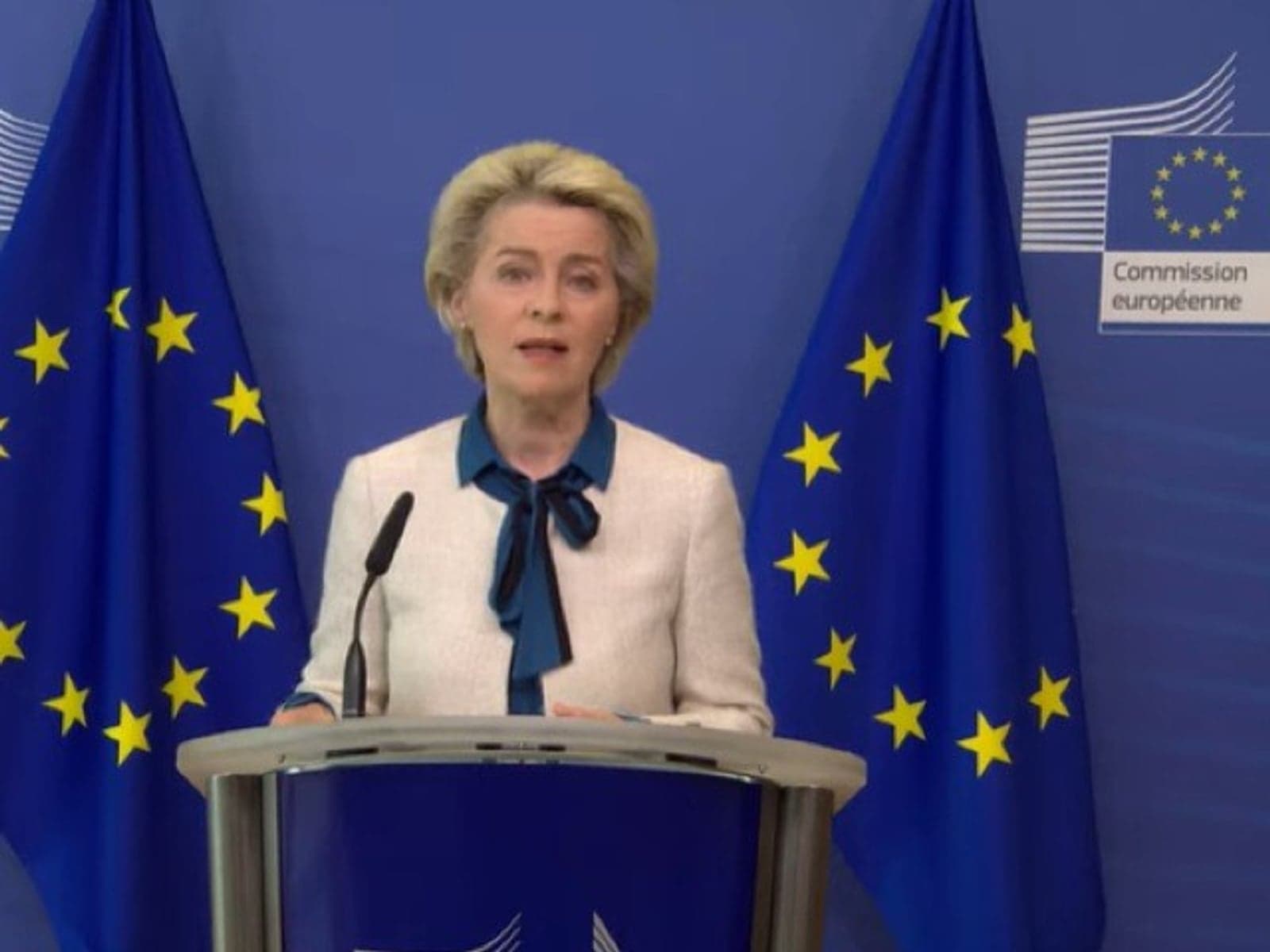
The EU energy sector should be a key pillar of the ReArm Europe plan, a historic initiative newly unveiled by European Commission President Ursula von der Leyen to strengthen Europe's defence industry and military capabilities.
With an estimated €800 billion ($841 billion) in mobilised funds, this plan signals a major shift in European security policy.
The announcement follows the suspension of US military aid to Ukraine and a tense Oval Office meeting between US President Donald Trump and Ukraine’s Volodymyr Zelenskyy. It also comes after a closed-door meeting on Ukraine at Lancaster House in London, where European leaders confronted the urgent need to increase defence autonomy.
However, energy security is inseparable from military security, making the EU’s energy sector a key pillar of this strategy. A strong defence requires reliable, independent and resilient energy systems, especially as Europe seeks to protect itself against external pressures, cyber threats and geopolitical instability.
As Europe enters an era of rearmament, the link between energy and defence is undeniable:
- Energy security as a strategic imperative – Just as Europe aims to reduce reliance on external military suppliers, it must also secure independent, diversified energy sources, including renewables, nuclear and hydrogen.
- Military readiness and the energy transition – Armed forces must adapt to energy efficient, low-carbon technologies to enhance operational effectiveness and reduce dependency on fossil fuels.
- Joint procurement for energy and defence – Coordinated supply chain investments will ensure greater energy autonomy and reduce Europe’s reliance on Russian gas and Chinese renewables.
- Cybersecurity and infrastructure protection – As hybrid warfare becomes more prevalent, Europe's power grids, LNG terminals and renewable assets must be shielded from cyberattacks.
- Financing energy resilience – A portion of the €800 billion defence budget could support decentralised energy production, ensuring that Europe’s military and civilian infrastructure remains operational in crisis scenarios.
Patrick Clerens, Secretary General of the European Association for Storage of Energy (EASE), highlights the critical role of energy storage in this equation: "Everyone understands that defence is impossible without reliable energy.
"Shipping diesel to advanced positions increases exposure to military actions. Utilising renewable energy sources, made dispatchable through energy storage, provides the most reliable energy supply, enhancing operational flexibility. This makes energy storage not only an enabler for decarbonisation but also for an effective military force."
Francisco Puente, Director at Escan Energy Consulting, further underscores the direct consequences of weakened military security in the energy sector: "Gas pipeline explosions, drastic increases in energy bills, energy poverty and lack of supply are some of the direct effects of reduced military security in the EU."
The ReArm Europe plan is not just about weapons and military budgets, it is about securing Europe’s future. And as such, by aligning energy independence with defence strategy, the EU can fortify its infrastructure, reduce external dependencies and safeguard its security in an increasingly unstable global order.