How to build a mega solar supply chain in the US
Pamela Largue
Posted on: 14 May 2024
Danielle Merfeld of Hanwha Qcells talks about the company's $2.5 billion investment in the solar supply chain in the US
Starting an entire solar supply chain is an ambitious plan that requires a great deal of capital and expertise, but it's exactly what Korean-headquartered Hanwa Qcells is doing in the US.
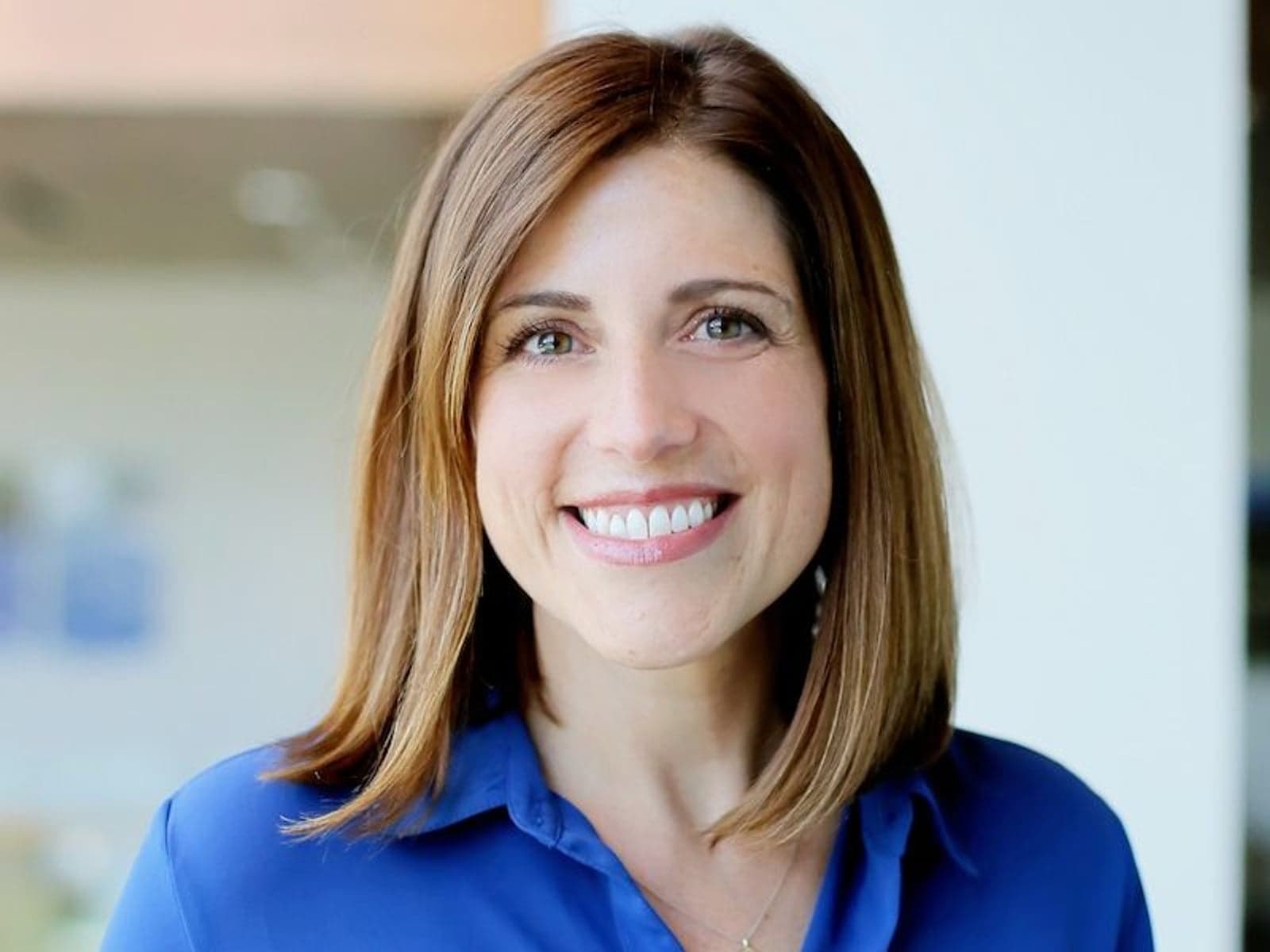
Danielle Merfeld, Global Chief Technology Officer at Hanwha Qcells, talks about the company's $2.5 billion US expansion plan, which will result in several factories making everything from ingots to solar modules.
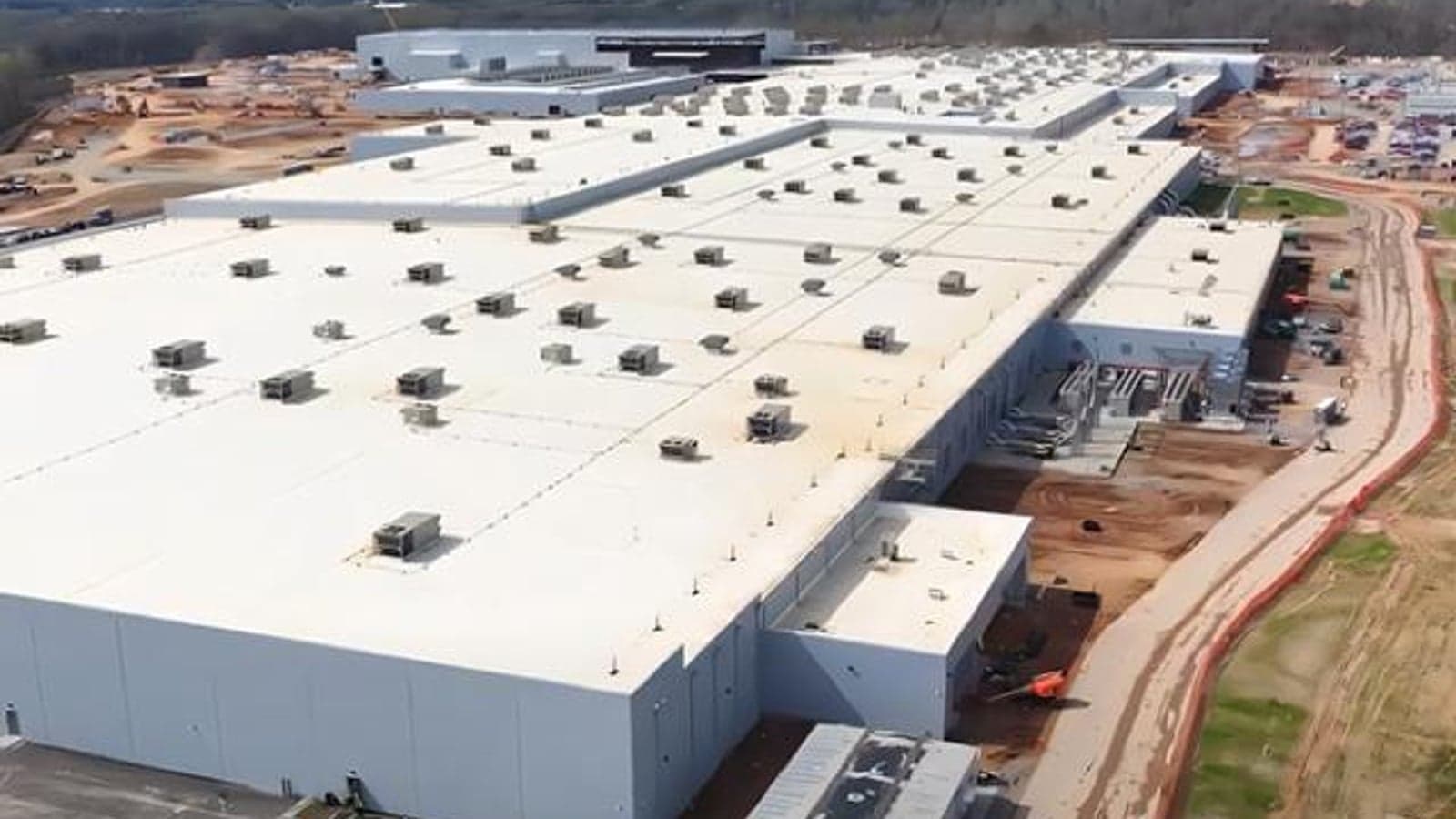
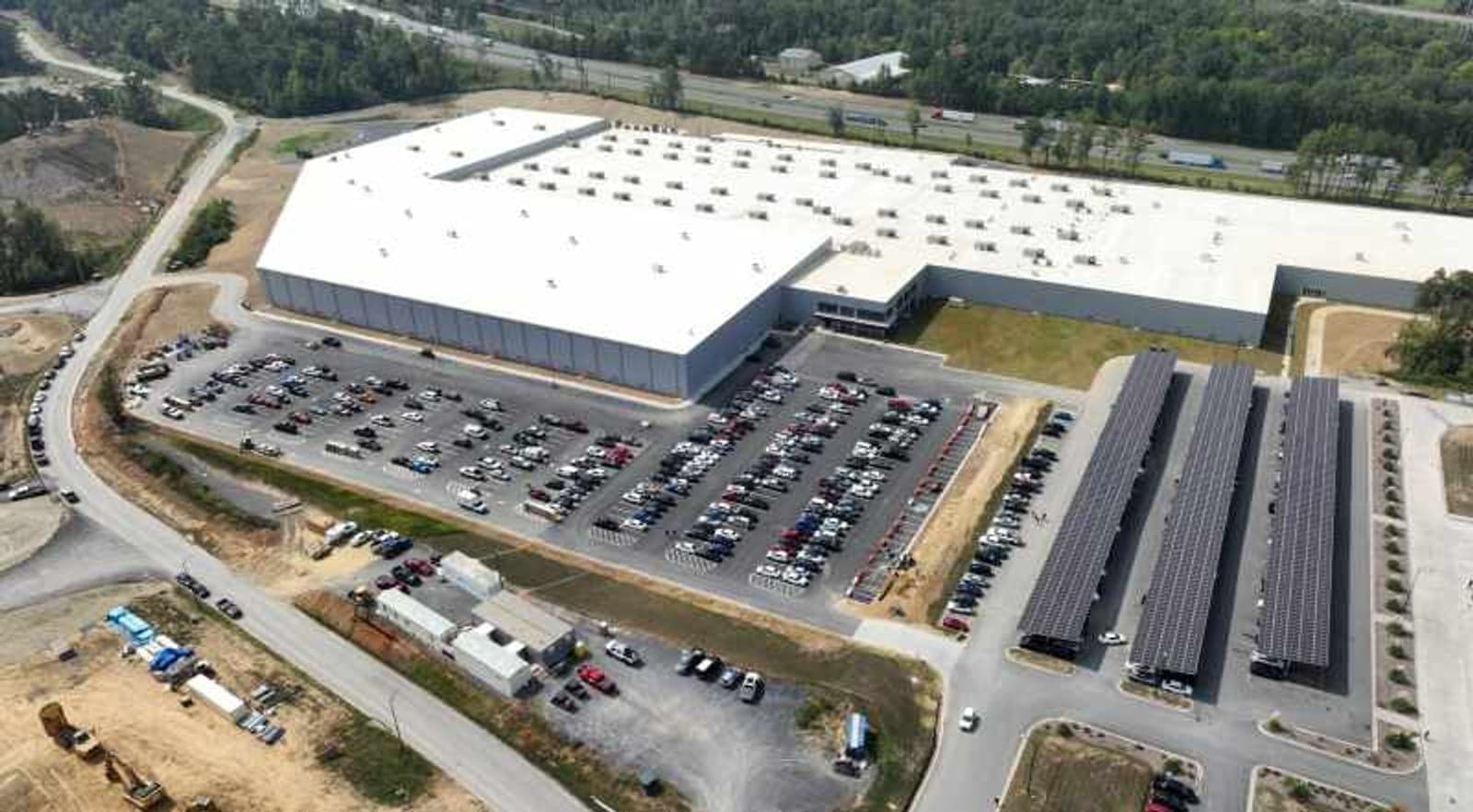
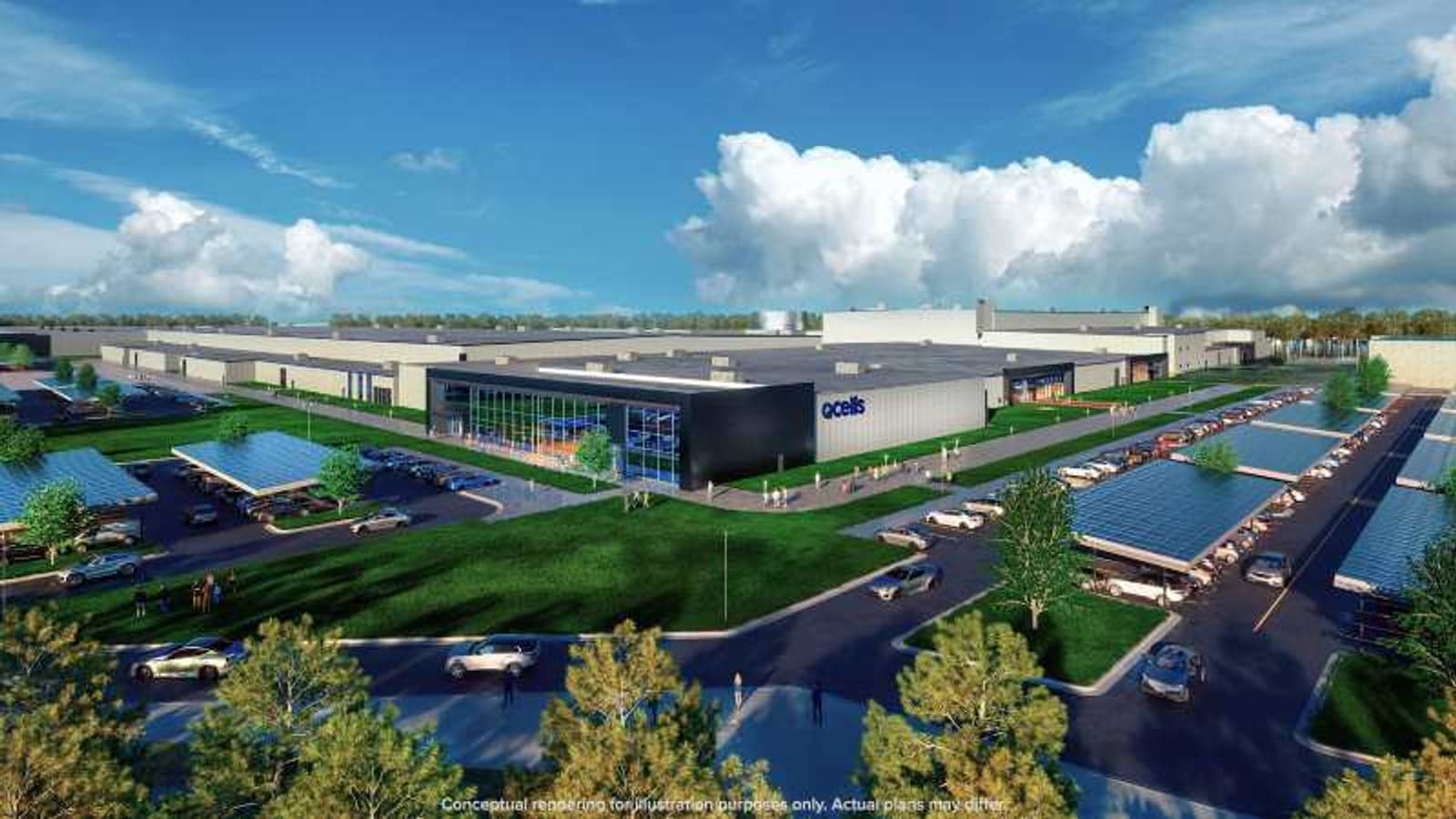
This mega-development will be located outside Atlanta, Georgia, expanding Qcells' Dalton module factory, which was recently expanded to 5.1GW or 30,000 panels per day.
Each stage of this new supply chain will have a 3.3GW capacity and the whole thing will be operational within a year.
More about solar:
Site visit: Europe’s biggest solar-hydro hybrid plant
How solar can keep its place in Europe’s sun
Time for the solar workforce to shine
"I haven't seen anything like this in the US before," says Merfeld, who describes this project as pioneering.
"There's quite a lot of capital and complex technology and know-how that go into this."
Entering the US
Qcells was founded in 1999 with strong roots in Europe and Korea.
Merfeld described the company as going "from the Goliath to the David in this battle around solar," because while they were the first company to reach GW scale, they are still very small compared to their largest Chinese competitors.
However, size doesn't hold back the company's ambition, when it set its site on US expansion in earnest in 2023.
One aspect that has aided in successfully establishing a supply chain in the US, stressed Merfeld, is the favourable policy framework.
The Inflation Reduction Act (IRA), she said, has lowered the barriers to investment and ultimately lowered the risk for Qcells and the companies they are partnering with.
“I would say it is a night and day outlook, depending on whether the IRA is in place or before it was. Before the IRA was in place, essentially, developing a supply chain is like starting a flywheel. There’s very little momentum at first. You have to put a lot of energy into creating the change, whereas the Inflation Reduction Act created some of this momentum for the community.”
And it's policies like the IRA that have put the US ahead of the game in terms of solar manufacturing, causing Europe to lose its first mover advantage.
"Today Europe is much more dependent on imports...last year less than 3% of the 56GW of installations in Europe came from European components."
The IRA has proved to be a wake-up call for Europe, said Merfeld. And while the EU is proposing its own version of the policy, conditions are still too cloudy, hindering member states achieving their goals.
A supply chain under one roof
The Qcells supply chain development will include all aspects, from the ingot to the wafers and finally the cell manufacturing, said Merfeld. "It's actually this entire orchestration of these complex pieces that are in and of themselves factories and technology and materials."
Merfeld highlighted that having all parts of the supply chain practically under one roof will offer many advantages, including spurring innovation.
She highlights that the core of any innovation is understanding the data that you gather along the way.
Data can be collected on ingot quality or impurities in content, for example, and by using data management and AI-based technology, you can glean deeper insights from the data collected.
"By having access to all the data...the data can flow and the feedback loop can be closed more easily," Merfeld said.
This will allow for potential improvements at the cell, or ingot level, something that is more difficult when separate facilities decrease visibility.
And while the Qcells supply chain will be under one roof, the company is focused on investing in outside partners that will ultimately support the supply chain.
For example, Qcells has sourced a domestic supply of silicon from REC silicon, a company that had closed its doors but has been able to restart due to investment.
Emphasised Merfeld: "You also need to invest in partnerships with other suppliers."
The future of solar
It's typical for people to consider solar a mature technology, especially with visible cost reductions, advances in performance and increases in efficiency.
Despite the constant improvement, Merfeld believes the learning and improvement cycles will continue with a lot more to come.
"There's a tremendous amount of opportunity left," she said, adding that "there's all these ancillary benefits that solar is beginning to extract in the energy ecosystem."
Besides the various layers of innovation still being unlocked, the sector is also advancing in terms of circular economy, a critical element to ensure a sustainable future for solar.
"Considering the expansion of solar, you must consider the building and consuming the materials needed and consider how those can be taken back end of life to be reused."
"That's the future when you think about scale of solar, you have to be thinking about the full lifecycle of those products."
And it's these continuous improvements resulting from innovation at various levels that keep Merfeld passionate about working in the sector. "Thinking about how do we use solar in new ways, what is the next breakthrough that happens when we cross the next threshold of cost..."
Ultimately, explains Merfeld, it's about "improving the outlook for our environment, cleaner, safer, more just, more prosperous - who doesn't want to be a part of unlocking that?"
Listen to this episode of the Energy Transitions Podcast to learn more about how Qcells is successfully tapping into the US manufacturing market.