Heat pumps key for decarbonising global heating – IEA report
Yusuf Latief
Posted on: 6 December 2022
The latest IEA report 'The Future of Heat Pumps' highlights the key role of heat pumps in decarbonising space and water heating.
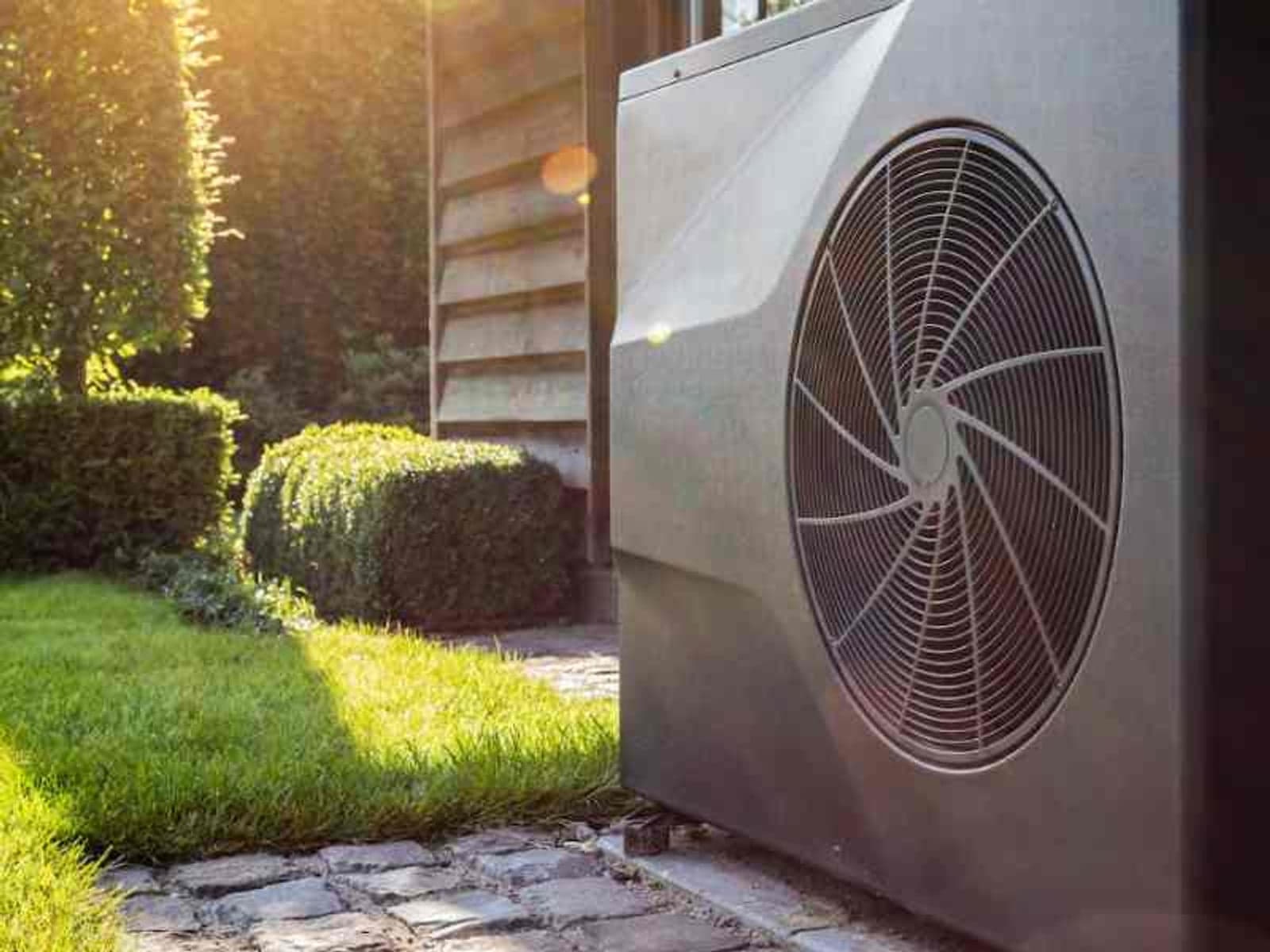
In a scenario in which all governments achieve their energy and climate pledges in full, heat pumps become the main way of decarbonising space and water heating worldwide, according to an IEA report outlining the clean tech’s projected growth.
According to the report, The Future of Heat Pumps, within the scenario, the global capacity of heat pumps jumps from 1,000GW in 2021 to nearly 2,600GW by 2030, boosting their share of total heating needs in buildings from one‐tenth to nearly one‐fifth.
As a result, heat pumps would account for nearly half of the global reductions in fossil fuel use for heating in buildings by 2030, with the remainder coming from other efficiency measures. In a scenario consistent with the global climate target of 1.5°C, heat pumps accelerate faster – their capacity nearly triples by 2030 and their share in heating reaches one‐quarter.
“Heat pumps are an indispensable part of any plan to cut emissions and natural gas use, and an urgent priority in the European Union today,” said IEA Executive Director Fatih Birol. “The technology is tried and tested, even in the coldest of climates. Policymakers should be putting their weight behind this technology that is witnessing unprecedented momentum at the moment.
Have you read:
Decarbonising heat: The hot topic we can’t ignore
Monetising flexibility as a fix for grid congestion
Retrofitting a fix for the power sector
According to the report, the accelerated deployment of heat pumps inevitably increases global electricity demand, though energy efficiency and demand response measures can greatly reduce the impact on power systems.
The share of electricity in heating for buildings and industry doubles between 2021 and 2030 to 16% if climate pledges are met. Over that same time, global electricity demand rises by one quarter, to which heat pumps contribute less than one-tenth.
For households that add a heat pump without improving efficiency in parallel, this can nearly triple their peak demand during winter. Improving a home’s efficiency rating by two grades (e.g. from D to B in European countries) can halve heating energy demand and reduce the size of the heat pump needed, saving consumers money and reducing the growth in peak demand by one‐third.
Together with careful grid planning and demand‐side management, this moderates the need for distribution grid upgrades caused by electrifying heat and minimises the need for additional flexible generation capacity to 2030.
Also of interest:
Why heating and cooling is the missing piece of Europe’s energy transition
Heat or eat: Rising energy poverty in Europe
Global space heating needs
Around 10% of space heating needs globally were met by heat pumps in 2021, but the pace of installation is growing rapidly. And in some countries, heat pumps are already the largest source of heating.
In Norway, 60% of buildings are equipped with heat pumps, with Sweden and Finland at over 40%, undercutting the argument that heat pumps are unsuitable for cold climates.
Global sales grew by nearly 15% in 2021, double the average of the last decade. Growth in the European Union was around 35%, and is slated to accelerate further in light of the energy crisis, with sales in the first half of 2022 roughly double over the same period last year in Poland, the Netherlands, Italy and Austria.
China continues to be the largest market for new sales, while North America has the largest number of homes with heat pumps today.
Leading manufacturers have recently announced plans to invest more than $4 billion in expanding heat pump production capacity and related efforts, mostly in Europe. New heat pump installation in the next four years would be roughly equal to the number of heat pumps installed in the last decade.
Several countries, notably the United States, are responding to supply chain vulnerabilities with incentives to build up domestic manufacturing capacity.
Government and industry need to collaborate
Long‐term policy consistency and regulatory certainty, together with targeted action to strengthen supply chains, remain critical for manufacturers as they consider where to expand their operations. In particular, regulations on F‐gases must balance the need to limit refrigerant emissions with cost, safety, energy efficiency and supply chain considerations.
Accelerating the deployment of heat pumps in line with national climate targets is well within reach but requires further efforts from policymakers and industry.
The market growth in heat pumps needed this decade to hit national climate targets is not as steep as the expansion already seen in solar PV and electric vehicles, although there would need to be a further acceleration to get on track for the IEA’s Net Zero Emissions by 2050 Scenario.
The additional upfront investment required is sizable, reaching $160 billion annually by 2030, but these incremental costs are outweighed by economy‐wide savings on fuel, especially if today’s high prices persist.
Governments and industry have vital roles to play to address persistent market barriers and enable heat pumps to play their full part in addressing today’s most pressing issues – energy security, energy affordability, and rapid reductions in emissions.
“All the pieces are in place for the heat pump market to take off, reminiscent of the trajectory we have seen in other key climate technologies like solar PV and electric vehicles,” added Dr Birol.
“Heat pumps address many of policy makers’ most pressing concerns on energy affordability, supply security and the climate crisis. Policy measures are in place today, but they need to be reinforced urgently to allow heat pumps fulfil their significant economic and environmental potential.”