Home
/
Gridspertise is getting ready for the next big thing in the European electricity system
Gridspertise is getting ready for the next big thing in the European electricity system
Enlit Editorial Team
Posted on: 16 November 2023
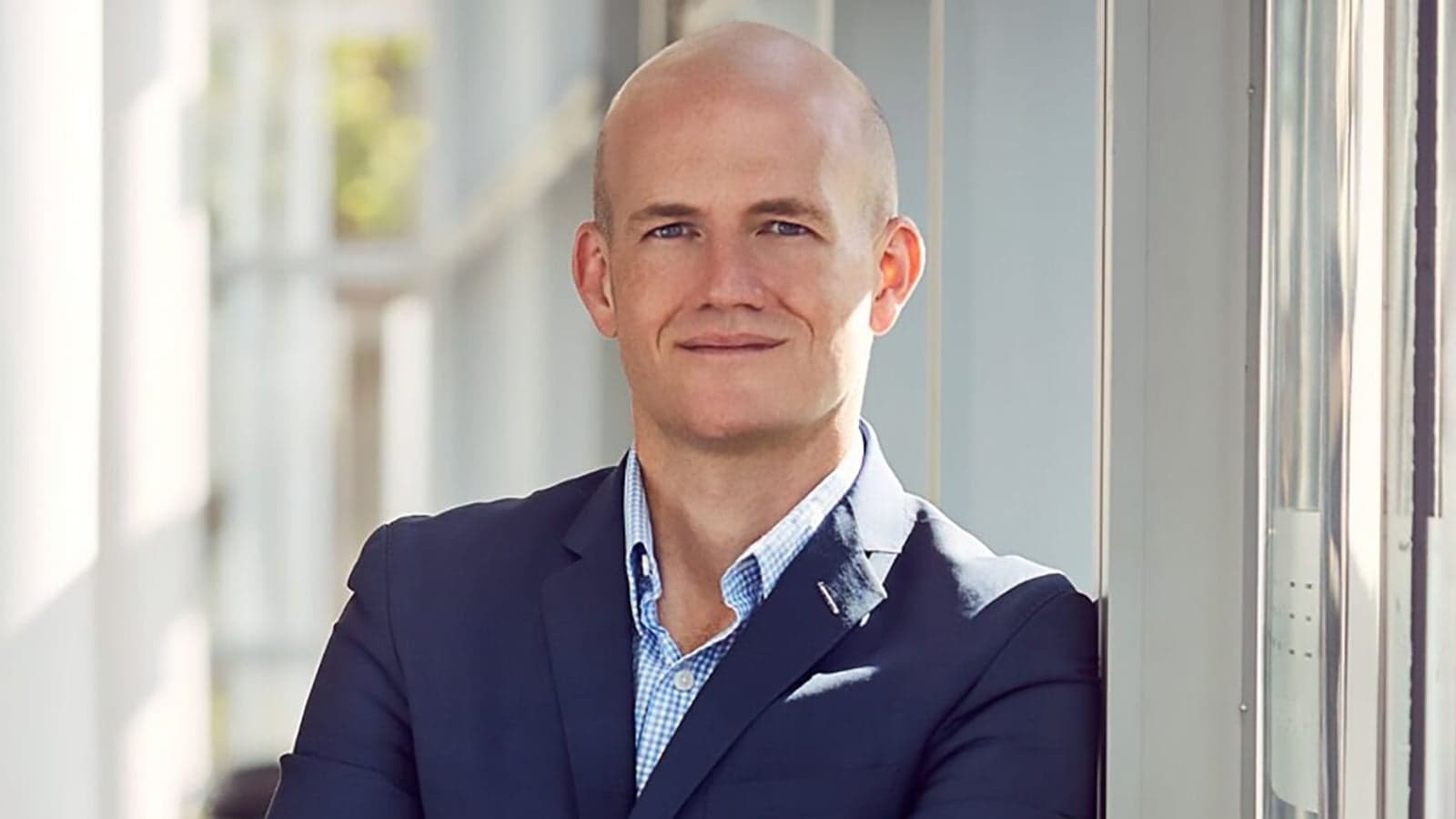
Gridspertise CEO, Robert Denda, expresses his views about the future awaiting the energy sector in Europe.
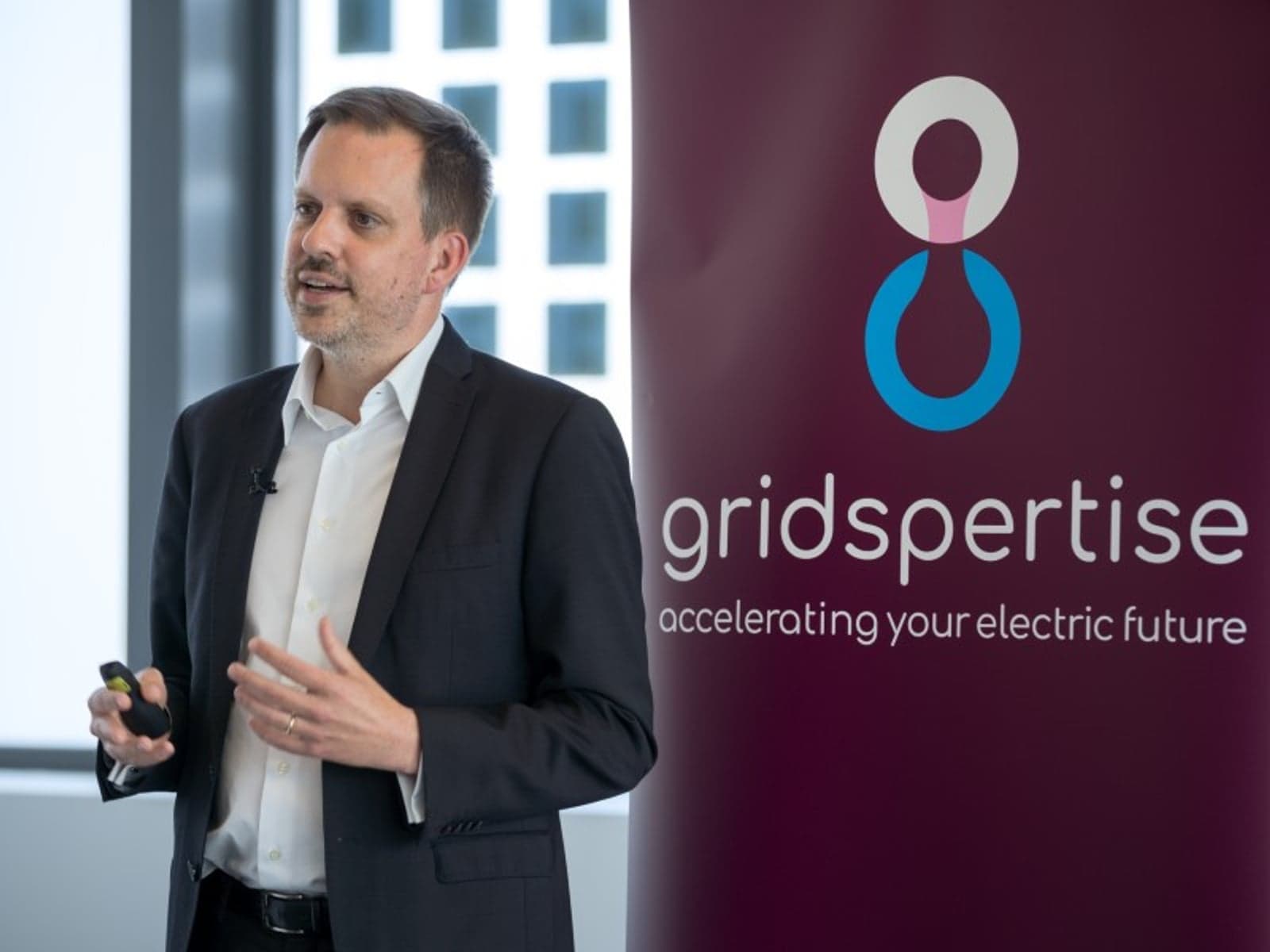
In an Enlit exclusive, Gridspertise chief executive Robert Denda explains why this decade will be decisive for the energy transition.
Denda notes that the only option to implement the energy transition at the required speed is by “adding intelligence” to enhance grid performance in a timely and cost-effective manner.
What are the main challenges to delivering the energy transition?
This decade is decisive for accelerating the energy transition and grids are set to become increasingly important as the construction of a climate-neutral energy system progresses. Electric grids across the globe are built, modernised and reshaped on a scale never seen before to meet a new electricity paradigm – and digitalisation will play a key role in transforming the way grids are managed and operated. But the transition to clean energy needs to be underpinned by bigger, stronger and smarter grids.
Significant efforts in regulation, planning and investments are needed to ensure that grids allow the integration of distributed renewable energy and end-use electrification while maintaining electricity security.
To tackle these challenges, we need to move faster than ever before to help distribution system operators around the world transform power networks into smart grids. This is why Gridspertise was founded: to help electricity distributors leapfrog into the future of energy by providing cutting-edge technologies and solutions for grid digitalisation.
Sustainable grids are not only determined by the DSOs’ ability to host more renewable energy sources, they also need to reduce their carbon footprint. They require more sustainable operations and the adoption of zero or low-emissions equipment, materials, and digital technologies. To reduce grids’ environmental footprint, Gridspertise aims to deliver integrated solutions that are sustainable by design.
What single action will accelerate the deployment of clean energy?
First of all, digitalisation is crucial in deploying clean energy and constructing a future-proof reliable, resilient and safe grid.
Digitalisation is fundamental in enabling us to revamp existing power grids, transforming them into highly sophisticated, intelligent, and efficient platforms. Without smart grids, we cannot connect all the renewable capacity that we need to decarbonise power generation and reap the full benefits of electrification.
Transforming existing infrastructure that we already have by “adding intelligence” can enhance grid performance in a short time frame and reduce investment costs. It is the only option to implement the energy transition at the required speed.
Four key aspects of grid modernisation through digital transformation, include:
- Improving grid performance and utilisation of the existing infrastructure with innovations in grid asset monitoring;
- Enhancing grid reliability and flexibility with digital substations and software-defined automation and controls integrating at control-plane level distributed energy resources;
- Maintaining grid stability and resiliency at all voltage levels;
- Guaranteeing cybersecurity for all operations on the critical infrastructure.
Grid operators globally are embracing digitalisation to handle load growth and renewables integration, deploying cost-effective ways to make power distribution infrastructure sustainable, affordable, and reliable. Increasing investments in digitalising power grids would enable a cleaner world, as they are crucial for fostering economic prosperity, ensuring energy affordability, and keeping the lights on.
What most excites you about the European energy transition?
Flexibility is certainly one of the most exciting challenges for the European system. It is not just a market mechanism, but grids should not be static, and they need to be interfacing with the digital domain, and everything that is happening on both the customer and the generation side. Everything is interconnected in a flexible market, and in real-time.
The ideal energy system must be completely digitalised because it brings a lot of efficiency, speed, reliability and real-time interaction with the customer. As customers, we want immediate feedback on everything, which the current electricity grid does not yet provide, however, with digitalisation it is possible. In the future, I think we will have grids that can automatically reconfigure in real-time according to the situation.
I find the digital interaction between various players on the grid interesting, as it offers flexibility in the market, real-time communication and control of exchanged messages. Not to forget the interaction with the DERs and the local consumption, which changes every moment.
Smart meters are crucial in this regard: today they are sensors of the grid health status, and they coordinate the needs and the capabilities of all the actors involved in the energy system. They help minimise costs whilst increasing the grid's reliability and stability. Our company recently reached the 100 million smart meters milestone after having taken part in massive rollouts in several European countries.
This represents the energy system of the future, as we will rely on a completely digitalised grid and customer base. The digital interaction of the different players is moreover the way to get full flexibility and efficiency.
How are your industry experts going to address these challenges at Enlit Europe in Paris?
For Gridspertise, it is crucial to tackle the challenges of the energy transition and deliver a new era of sustainable and reliable smart grids. Preparing power distribution grids will require coordinated action between tech companies, operators, policymakers, and many other stakeholders, including electricity end-customers. We are eager to engage in discussions with all of them about the future of a more sustainable Europe.
Our experts will address these challenges at this year’s edition providing insights into our cutting-edge solutions, including the developments related to the QEd (Quantum Edge® Device), our edge platform for substation virtualization.
Recently, we have validated its performance through pilot projects related to the most crucial use cases for electrical utilities conducted in a real medium voltage grid environment.
The pilot projects illustrated how the QEd can significantly improve grid operational efficiency, provide enhanced observability, and contribute to System Average Interruption Duration Index (SAIDI) improvements. We will also present a new smart metering device at our booth 7.2.D110.
What to watch:
Gridspertise CEO highlights digital leapfrog opportunities for European DSOs
We are introducing a new flexible and future-proof smart meter in our portfolio. Depending on the customer's needs, this device enables them to switch or adapt the communication technology directly in the field, allowing them to choose the most appropriate solution from a variety of communication protocols, including Hybrid PLC and RF, Cellular LTE, and Cellular NB-IoT.
This new smart meter is also interoperable with third-party vendor solutions, allowing backward compatibility and integration with existing installations.
Our speaking sessions will address the aforementioned challenges: our Chief Commercial Officer, Santiago Cascante, will be among the speakers on the 29th of November at the summit session on "Future Proofing the Grid", and will discuss the crucial aspects of planning a grid that aligns with goals set for 2050.
Gridspertise will take part in several exciting sessions at Enlit Europe in Paris, 28-30 November 2023:
- 28 November: Join Narcis Vidal, Head of Sales EMEA region who will be leading the HUB conversation on Interoperability, covering the latest advancements for end-to-end smart metering solutions considering interoperability as a new mindset.
- 29 November: Engage with Gianni Ceneri, Chief Technology Officer, who will speak about Gridspertise' "Flex solutions for the Grid - Enabling Technologies" on the Decentralisation Hub (Hall 7.3).