Embedding circularity and sustainability for profitable business models
Guest/partner contributor
Posted on: 21 November 2023
The new business model of choice must be end-to-end circularity, argues Kapila Mehta of Schneider Electric. Yet she warns new thinking means new pain points.

The new business model of choice must be end-to-end circularity, argues Kapila Mehta of Schneider Electric. Yet she warns new thinking means new pain points.
Around the world, nations are trying to find new ways to deal with the ongoing economic crisis.
Still reeling from the health and financial implications following the COVID-19 pandemic, governments are looking to rebuild and regrow sustainably.
Policymakers will play a crucial role in stimulating recovery and building resilience in systems to deal with this crisis.
While many companies have focused on regrowth coming out of the pandemic and facing the economic crisis head-on, the spike in energy costs has made it even more urgent for companies to cut costs.
And the answer is more sustainable and renewable ways to maintain and grow their business. The only way to ensure our future and map out a true road to recovery is when sustainability and circularity are embedded at the centre of the solution.
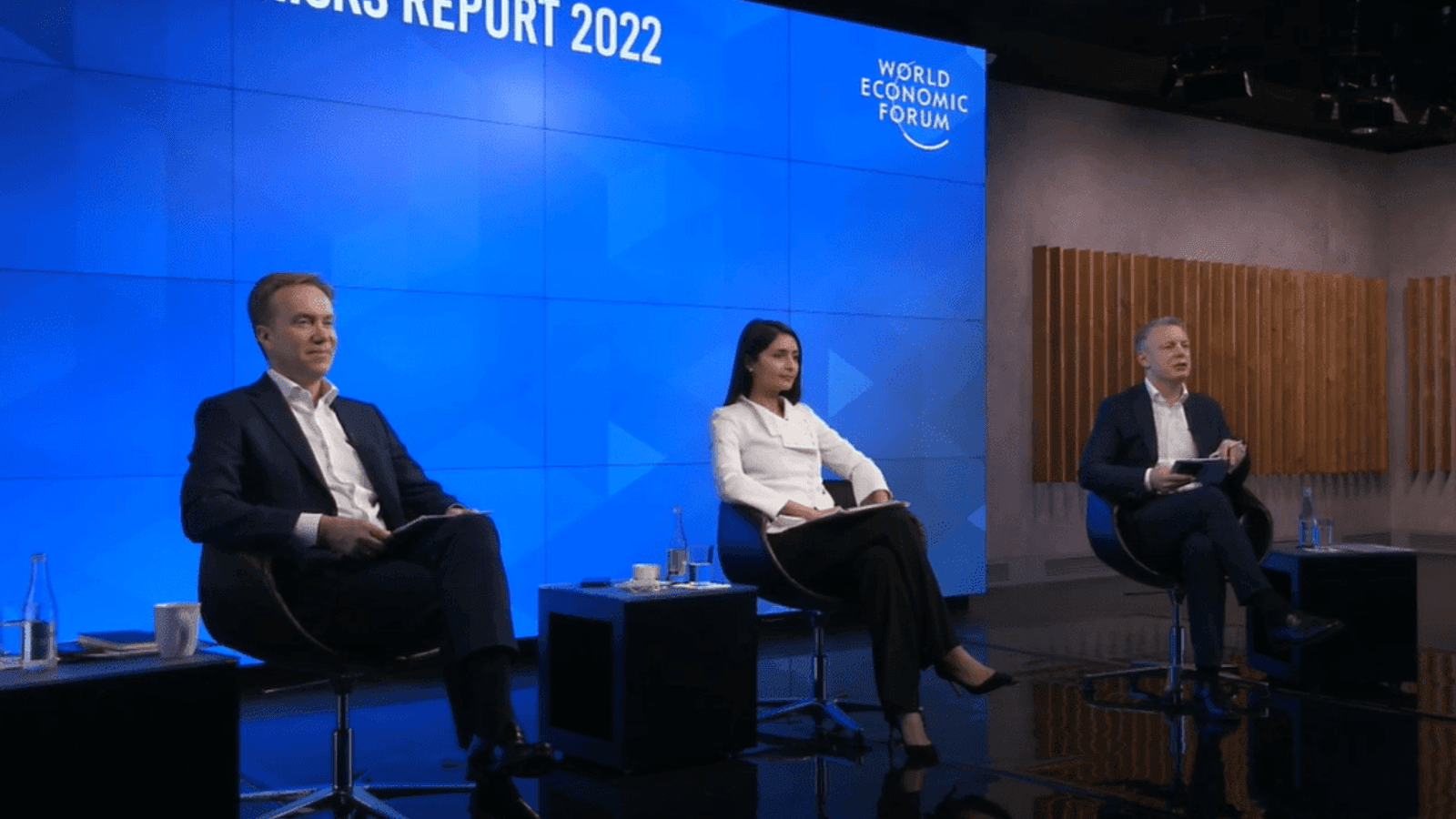
However, according to the latest Circularity Gap Report published during the World Annual Forum in Davos, only 7.2% of the global economy is circular, dropping even lower than prepandemic levels of 8.6% in 2020.
Have you read?
Greening the grid is vital for energy transition says Schneider’s Lawrence
‘The global energy transition is a collaboration, not a competition’ says Wartsila’s Malin Östman
IRENA calls for greater circularity in renewable energy sector
Creating more efficient and sustainable products will help to reduce energy and resource consumption, drive higher repairability, and minimise waste — all working to reduce cost.
With more than 80% of a product’s environmental impact determined during the design phase, this process needs to start from a product’s inception.
Frugality may mean profitability
There is an assumption that re-using, recycling and refurbishing products may not be a profitable way of doing business.
However, contrary to popular belief, it is possible to run a profitable business whilst protecting the planet. When businesses rethink their models with circularity in mind, they can make products faster as they require fewer materials.
"The only way to ensure our future and map out a true road to recovery is when sustainability and circularity are embedded at the centre of the solution."
This is a significant advantage when it comes to being ‘frugal’, especially when raw materials have soared in price by 18% compared to this time last year. It also mitigates the risk of material shortages due to supply chain issues, ensuring that businesses continue to hit targets despite disruption.
The new business model of choice will be end-to-end circularity. The key to getting customers on board is demonstrating the right value proposition and showing the benefits of giving products a second life. By investing time and energy in planning, educating the market, and increasing awareness of skills and resources, we can spread the benefits of a circular mindset.
Circularity in action
Buying a re-manufactured product does not only have a positive impact on reducing carbon emissions, but also on the consumption of raw materials and minerals.
At Schneider Electric, we have created a new sustainable model where products can have a second life thanks to re-industrialisation.
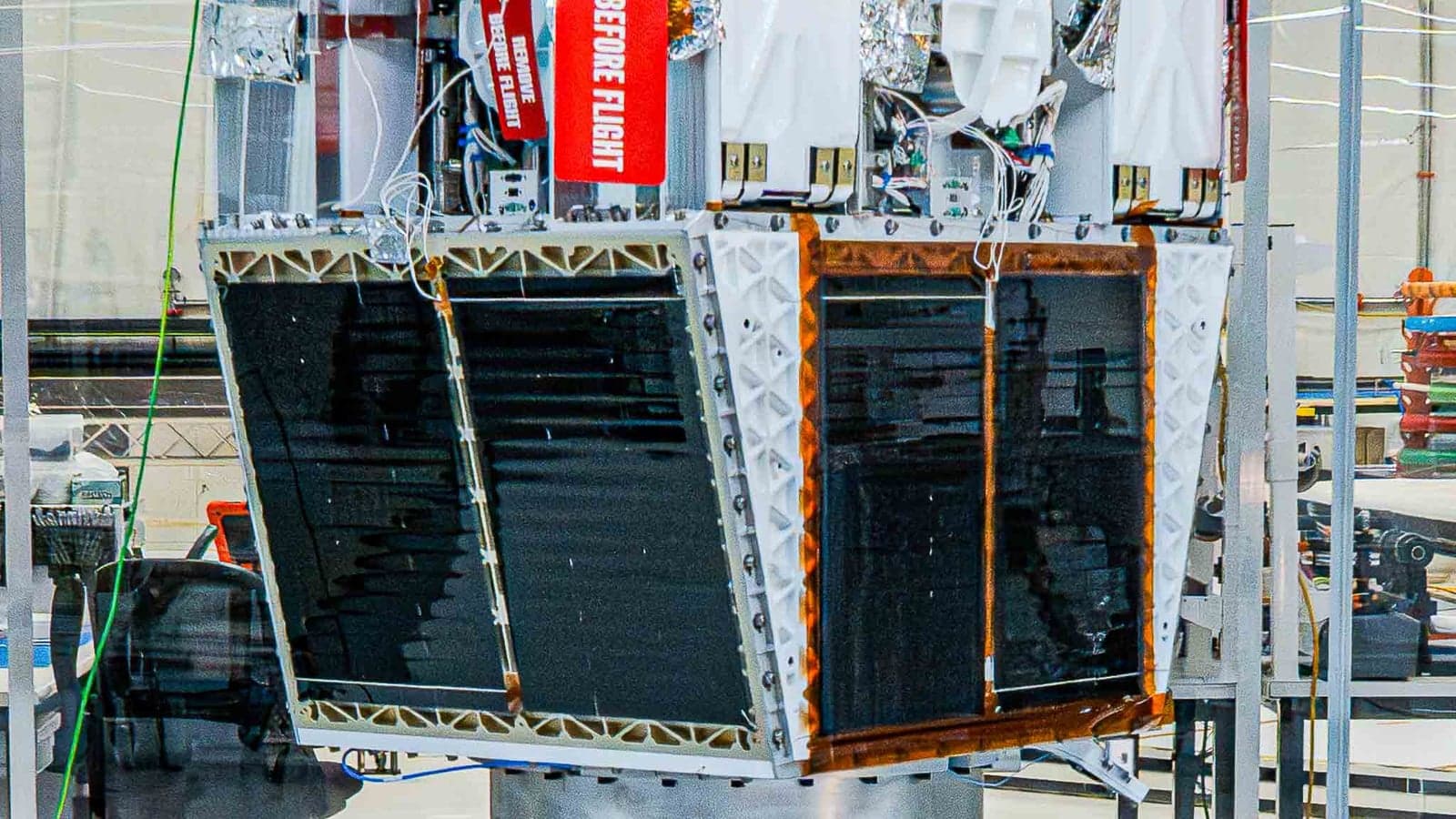
For instance, the Schneider Electric MasterTech site has been re-industrialising MasterPact circuit breakers since 2020. The circuit breakers are collected, disassembled, upgraded, and tested to before being put back on the market.
Being based in the factory where new products are made means that circular circuit breakers meet the same rigorous quality control standards as new products. It is estimated that by recycling and reusing products, we were able to reduce emissions by approximately 45%, resulting in savings of 755kg of CO2 per MasterPact.
Taking one step further beyond repurposing parts is reverse circularity. It refers to the process of reintroducing waste materials back into the production cycle.
Also of interest
Energy Transitions Podcast: Sustainable business models for a new energy economy
The aim is to reduce waste and conserve resources and involves taking end-of-life products or waste materials and turning them into new products or raw materials.
By closing the loop in the production process, minimising waste and reducing environmental impact, reverse circularity is another way companies can reduce their reliance on virgin materials and conserve resources.
However, circularity creates new pain points for businesses. For example, implementing a circular economy can be a difficult decision for vendors due to the challenge of reverse logistics, which can be up to 11 times more expensive than traditional logistics.
This is due to the cost of returns, transportation, repairs, and reselling. To counter that, designing and producing products for services with a higher level of repairability would help to ease this new pain point, and hopefully reduce costs and dead inventory.
From pain point to opportunity
Despite the challenges, circularly can bring new opportunities for partnership and innovation.
Developing a new circular system hinges on nurturing new partnerships and evolving business models. Exploring the right partnership is crucial at the start and organisations should look to ‘recycler’ partners as a first step.
These are exemplary model companies that are already active in the field and have mastered reverse logistics.
Business partners also play a vital role in building out and driving circularity across the full value chain. By establishing an industrial ecology — or utilising all available or useful material and turn one person’s trash into another person’s treasure — we can create a win-win situation for our partners and the planet.
Creating upgradable offers that are designed for circularity, serviceability and have higher repairability also allows businesses to drive new revenue streams and keep operational costs down. And lastly, sustainable product packaging is central to circularity.
For example, by using 100% recycled packaging free from single-use plastic, we can make small changes for a better, circular future, and inspire others to do the same.
For many businesses, the notion of being more sustainable has only recently been built into overarching strategies and targets.
The circular economy framework tackles global challenges such as climate change, minimising waste, and pollution — and can be applied to any business in any sector. If we are to experience a net zero world, we must transform every element of our take-make-waste system. From how we manage resources, to how we make and use products, to what we do with the materials afterwards. A truly sustainable future is a circular one.
Diamond Sponsor of Enlit Europe 2023, Schneider Electric is bringing knowledge-share and innovation to all avenues of the show. Industry experts will be presenting at the Summit and in the HUBS on topics including:
- Energizing a quantum leap to an integrated decarbonised energy system
- Digital Strategies
You can join experts from Schneider Electric at booth 7.2.C70, and join their cocktail reception on the 28th of November at 17h30 CET at their booth.
ABOUT THE AUTHOR
Kapila Mehta is Vice President of Sustainability in the Power Products Global Business of Schneider Electric.
Latest content
+3
360 sustainability: Steps businesses can take to implement circularity
Businesses that adopt circularity now will not only proactively prepare to comply with future regulations but also position themselves as leaders and build a competitive advantage, writes Frédéric Godemel, EVP of Energy Management at Schneider Electric.
- Guest/partner contributor
- 16/09/2025