Europe's future gas balance shows there's no time for complacency
Pamela Largue
Posted on: 4 November 2022
Europe could face a gap of as much as 30 billion cubic metres (bcm) of natural gas during the key summer period for refilling its gas storage sites in 2023.
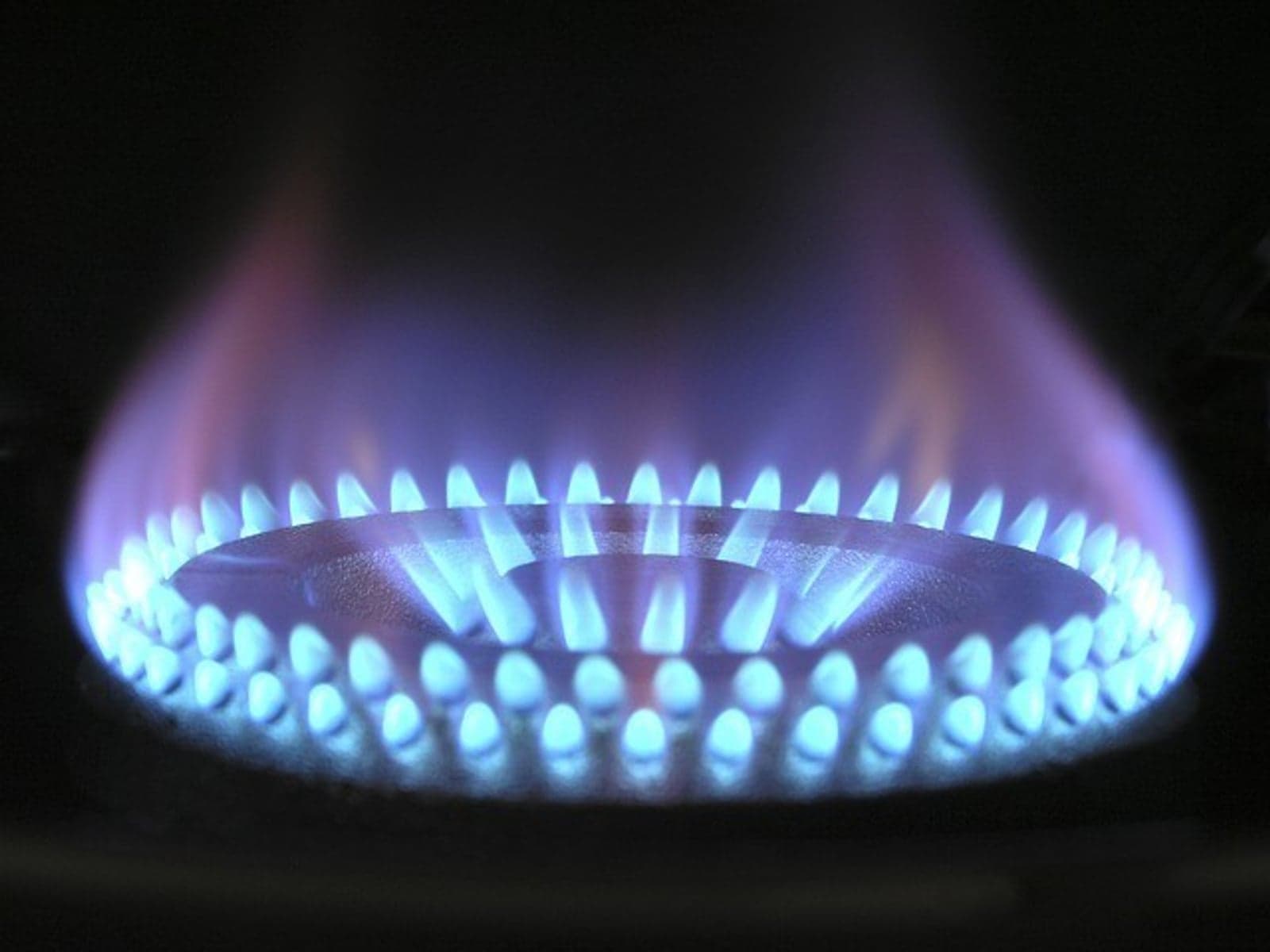
Europe could face a gap of as much as 30 billion cubic metres (bcm) of natural gas during the key summer period for refilling its gas storage sites in 2023.
This is a finding from the latest analysis published by the International Energy Agency (IEA), which highlights the need for urgent action by governments to reduce gas consumption as the global energy crisis continues to play out.
The new report – Never too early to prepare for next winter: Europe’s gas balance for 2023-2024 – shows that Europe's gas storage sites are now 95% full. However, the report warns against complacency, as favourable conditions such as mild temperatures and lower gas prices which have provided this cushion may not persist.
Also of interest
EU prepares for winter without Russian gas
IEA chief urges EU to cut gas and ramp up coal as energy crisis intensifies
The fact is that Europe had access to normal gas deliveries from Russia for the first half of the year, a scenario the IEA paints as highly unlikely in 2023.
Furthermore, the IEA predicts that if China’s LNG imports recover next year to their 2021 levels, this would capture over 85% of the expected increase in global LNG supply. And global LNG supply is expected to increase by only 20 bcm in 2023.
If indeed Russia's gas curtailment continues and China's LNG imports increase, the IEA's report suggests that Europe could face a challenging supply-demand gap of 30 bcm during the key period for refilling gas storage in the summer of 2023.
This gap could represent almost half the gas required to fill storage sites to 95% capacity by the start of the 2023-24 heating season.
IEA executive director Fatih Birol, said in a statement: “...governments need to be taking immediate action to speed up improvements in energy efficiency and accelerate the deployment of renewables and heat pumps – and other steps to structurally reduce gas demand.
"This is essential for Europe’s energy security, the wellbeing of its citizens and industries, and its clean energy transition. The IEA will continue to work closely with the European Commission and governments across Europe and beyond to help tackle these challenges.”
The IEA plans to present a roadmap to secure Europe's gas balance for next winter, showing the policy actions needed to ensure storage sites are filled to 95% capacity by the beginning of the 2023-24 heating season and to structurally reduce gas consumption during the winter.