A flexible energy future
Enlit Editorial Team
Posted on: 6 April 2021
Flexibility has become a byword of Europe's energy transition. But what exactly do we mean by flexibility? And critically: how do we achieve it?

Flexibility has become a byword of Europe's energy transition. But what exactly do we mean by flexibility? And critically: how do we achieve it?
In the new season of Enlit Europe, which runs from April to the end of June, we will explore what flexibility means for grid operators, power generators and energy traders. We will also examine how digital developments are unlocking further flexibility opportunities, and how the consumer is reaping the benefits of these innovations.
Here the content team delivering these insights offer a sneak-peek of some topics that are coming up...
Data focus
By Areti Ntaradimou
To manage volatility and effortlessly balance supply and demand, a smart grid needs to be able to handle the increasing - and often variable - amount of renewables' generation.
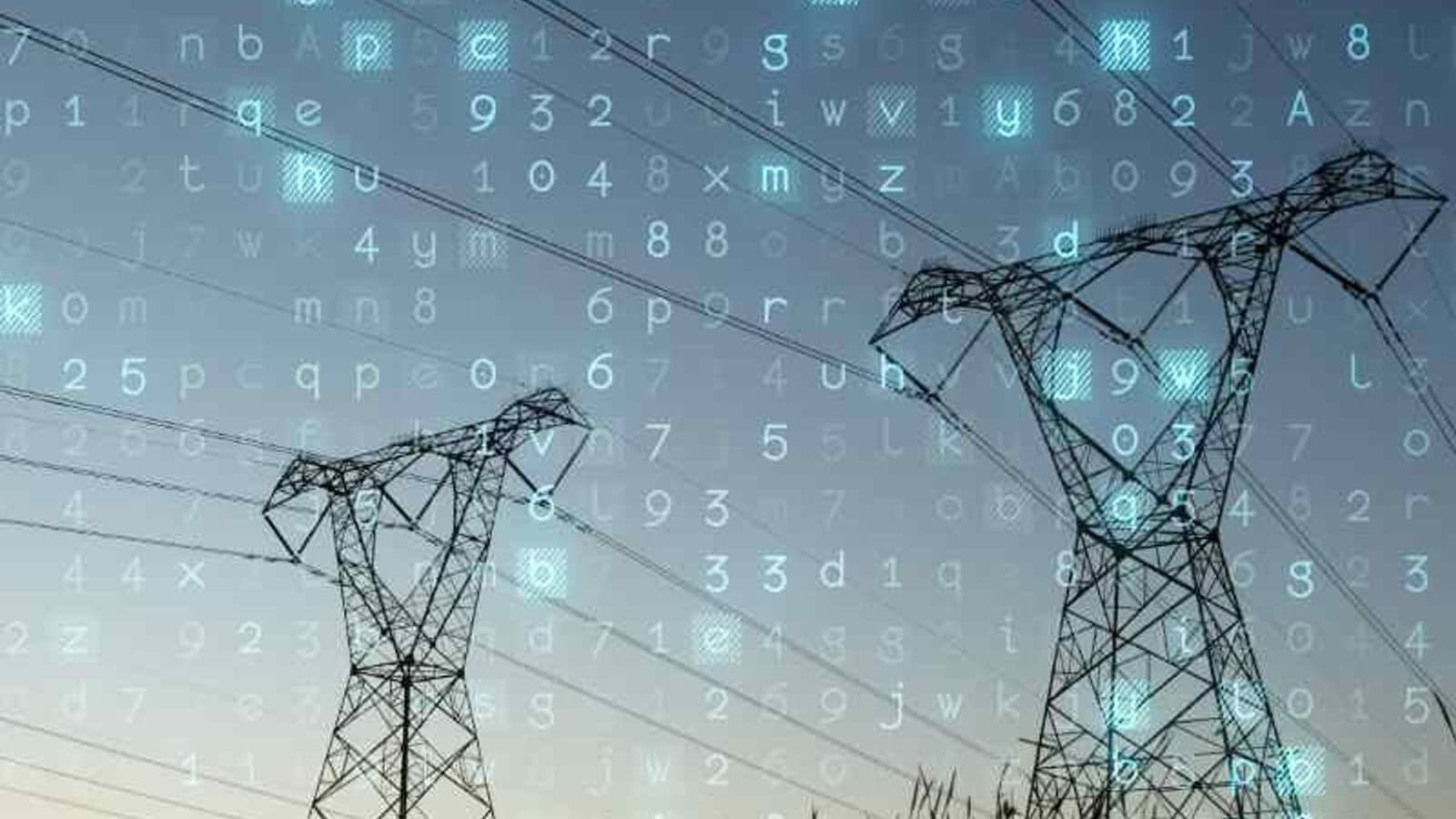
And the only way to achieve a reliable, fast and secure grid is to deliver a reliable, fast and secure exchange of data among all those who interact with grid.
This season, we are going to focus on the ways that data can ensure flexibility for a smart grid. We will discuss topics such as interoperability in telecommunications, and protocols and data ownership in relation to smart meters and smart homes.
This article was originally published in The Guide
New Energy Landscape
By Nigel Blackaby
Power system flexibility - the ability to quickly respond to variations in electricity supply and demand, is at the core of the transformation of the energy landscape towards more low carbon electricity. Whatever shape the eventual future energy landscape takes, that system will need to provide the elasticity to ensure security of supply.
In the past, it has been the supply side that provided the responsiveness needed to meet the changing requirements of the grid. Power could be made available from spinning reserves, fast-response generation, pumped storage or interconnectors.
But in a power system where firm capacity is being replaced by variable renewable generation, a more diverse approach to ensuring flexibility will be needed - one that involves the grid, energy storage and an increasing role for the demand side. Another paradigm shift will be the role that consumers will play in providing the system flexibility, once the exclusive domain of utilities and system operators.
The new energy landscape must be designed with flexibility top of mind, if serious consequences are to be avoided. There is a key role for policymakers and regulators to ensure there is enough incentive to prime investment in flexibility and allow a fair allocation of risk.
In this "Flexibility Season" we examine the strategies required to design a new energy landscape hard-wired with flexibility and focus on the most advanced European countries. We ask which are the distributed energy technologies best suited to delivering power when needed. Under the spotlight will be trends in electric vehicles (V2G), gas peaking plants, short and long-duration storage and more.
Markets
By Patrick Bauduin
The energy Markets are vital as enabler of the flexibility that our energy system now demands.
And from June 14-18, those power and gas markets take centre stage in our Energy Markets Week. In five days of live episodes, we will examine whether the current market design is fit for purpose and what role industrial energy users will play in the energy markets of the future.
We will discuss technologies in trading, democratisation of Europe's energy markets and the implications for the back office, and the role of hydrogen as integral part of Europe's Internal Energy Market.
And of course we will take a deep dive into the price drivers for both power and gas.
Empowered Consumers
By Heather Johnstone
As Europe transitions to a low-carbon energy system, it will increasingly feature more intermittent renewable energy resources like wind and solar, and a more localised generation mix.
The intermittent nature of renewables results in challenges in matching supply and demand, so building as much flexibility into the energy system is now paramount.
Traditionally, system flexibility and balancing demand and supply on the grid have focused on the sup*ply side by, for example, ramping up a natural gas power plant in response to increased demand. However, such an approach is not compatible with a low-carbon system.
Attention is, therefore, now turning to flexibility-creating options on the demand side, in particular energy storage and demand-side response (DSR) from consumers that can help to smooth the peaks and troughs in demand.
Flexibility on the demand side not only helps with security of supply and relieves the investment pressure on new generation capacity and grid reinforcement, it also gives consumers the opportunity to either save money or be paid for using energy at certain times of the day, or use their electric vehicles to store energy and then either use it for their own purposes or sell back to the grid.
This season, we will focus on flexibility services from the consumers' perspective and explore what added-value they can bring to the system and how the greater engagement of the consumer in the grid, from a large industrial user to a domestic consumer, can ultimately be a win-win situation for all energy system stakeholders.
Grids
By Florence Coullet
Flexibility provided by storage and loads control will be central within the future electric system and provide a massive opportunity to manage the Grids in a more flexible and more economical way.
Systems Integration between gas and power grids is the quest for the ultimate flexible and balanced energy system. The search for resilience and security for the Grids is a growing concern too, especially after what happened in Texas. This acted like a wake-up call for many in the sector, putting back the climate change debate on the map. We will certainly address this in the coming months.
In this Grids Series Season 2, we will look at how Utilities planning methodologies can be improved to integrate more flexibility as well as exploring Grid Codes and how they can help restore trust in the Grids and their System Operators, including examples of various countries with ambitious variable renewable energy targets.
What is happening in Europe right now and what are the long-term scenarios using Flexibility as a tool to balance the European system. we will look critically at the present EU regulations, highlighting what is missing in the framework of the new package"Clean Energy for All Europeans".
In this season, we will do a contemporary inventory of how Grids Flexibility is achieved in Europe and highlight where the gaps are.
Lifecycle Management
By Kelvin Ross
Flexibility is now a prerequisite for much of the equipment that drives conventional and renewable power plants. But 'flexibility' means much more than that to the power sector. It means embracing new technologies to complement established methods of operation, maintenance and inspection, and this season we will highlight how power plant owners and operators are utilising automation, virtual reality and artificial intelligence.
We will hear how gas turbine and engine operators achieving greater competitiveness, operational flexibility and efficiency to keep their assets relevant in an increasingly decarbonised landscape, and how future.
And power and utility companies have rarely, if ever, needed to be more flexible than in the past year, as the pandemic has forced them to find new ways of maintaining and repairing equipment. This shift has resulted in the deployment of innovative solutions which will remain in place once the sector enters a ânew normal'⦠and we spotlight these breakthroughs, and also put them in the context of how the energy sector reskills an existing workforce and recruits its next generation of employees.
This article was originally published in The Guide
Image credit: ra2studio © 123RF.com